Mold is a reason to investigate the moisture source and repair scope, not an automatic instruction to buy or walk away. Significant unresolved moisture, inaccessible damage, an unreliable repair plan or costs you cannot accept may change the decision. Review the purchase contract and its deadlines with your real estate professional or attorney before acting.
Start with the actual condition
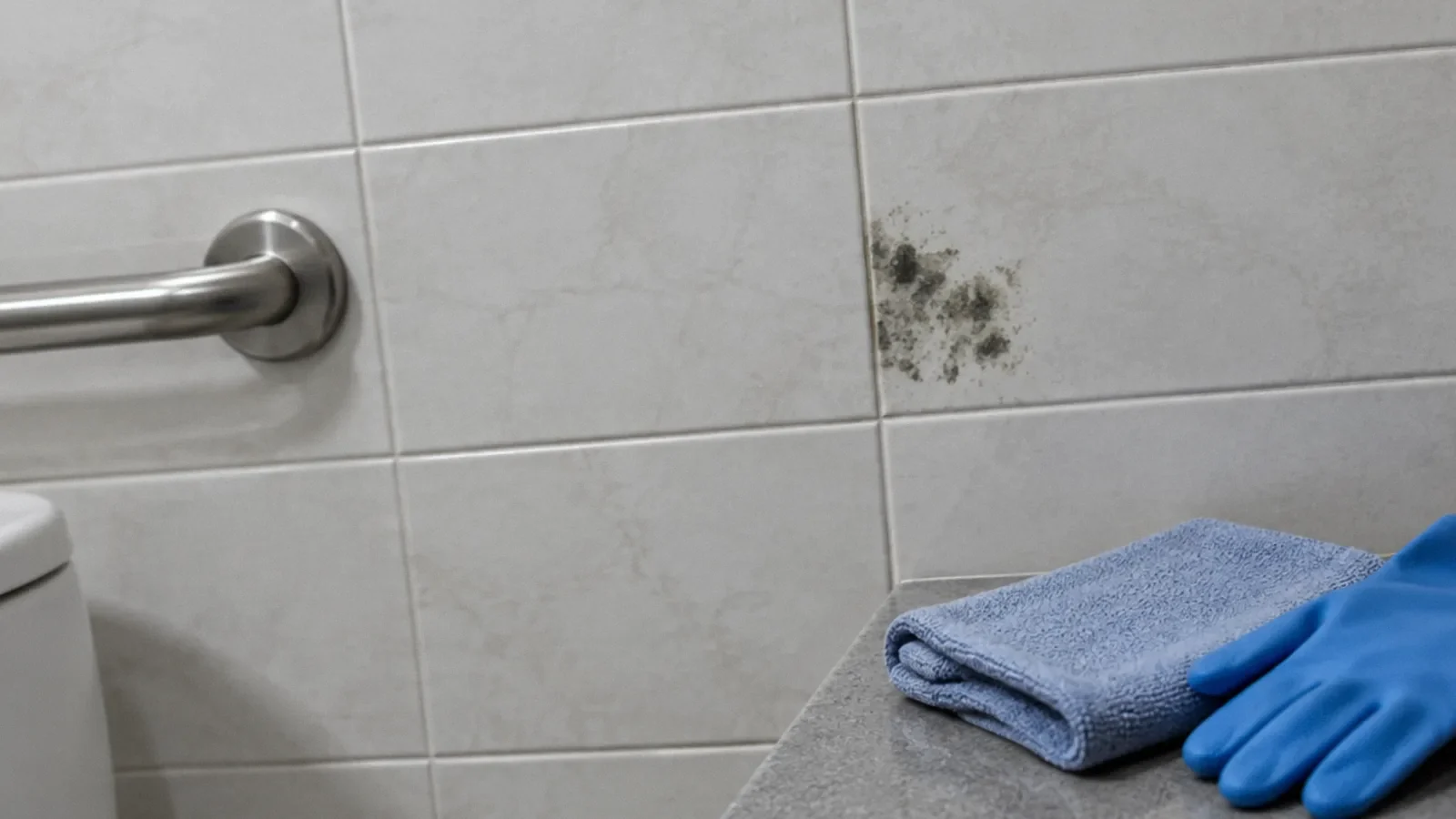
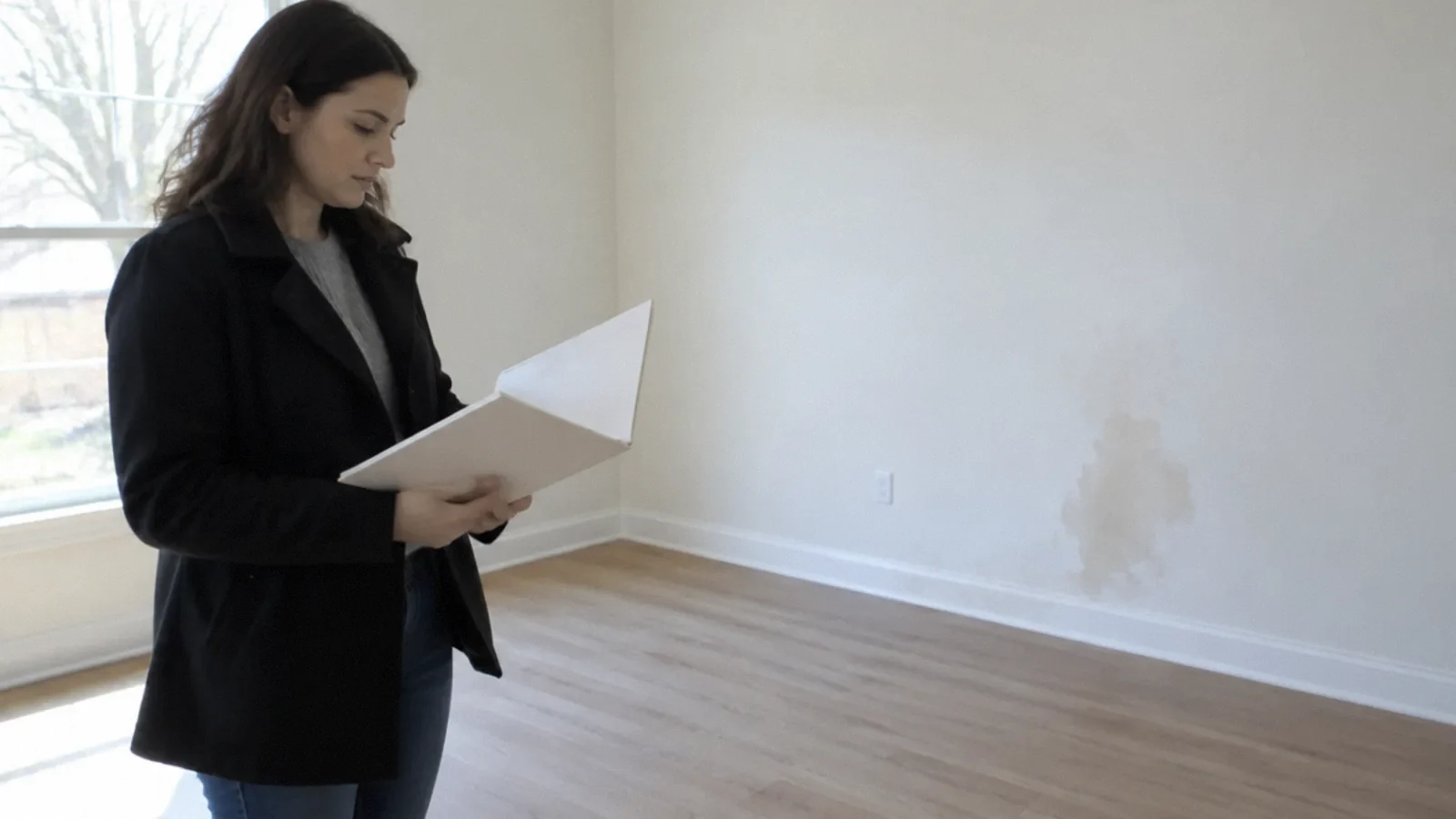
A visible patch, musty odor or past report raises questions about water, affected materials and whether a previous repair worked. Color alone does not identify the species or establish the extent of hidden damage. Avoid disturbing material or entering an unsafe attic, crawl space or other restricted area.
Ask for the seller’s disclosures, inspection reports, repair invoices and dates of known leaks or work. Distinguish a condition observed today from a past event and from a statement that has not been independently verified. Keep questions and responses in writing.
Identify and correct the water source
Mold cleanup that does not address the leak, condensation or other moisture source can fail. Ask an experienced professional to inspect relevant roof, plumbing, drainage, ventilation and building materials as appropriate. A contractor should explain what was inspected and what remains inaccessible.
California public health guidance emphasizes identifying and correcting the water source and cleaning or removing affected materials. Ask a prospective inspector about experience with moisture investigations, the proposed scope, independence and any conflict of interest. Ask what areas will be inspected and what limitations will remain.
Understand the repair scope and cost
Request an itemized written scope identifying affected rooms and materials, source repair, protection, cleaning or removal, drying, disposal and rebuilding. Ask how the work will be checked before a wall or floor is closed. Different proposals may cover different tasks and cannot be compared on price alone.
A small accessible issue can differ greatly from recurrent moisture in concealed framing or an occupied building. Obtain a qualified structural assessment if the condition warrants one. Include uncertainty, temporary accommodation and follow-up work in your budget rather than assuming a visible patch is the entire project.
Consider health and occupancy
Damp or moldy environments can affect people differently. Individuals with asthma, mold allergies, chronic lung disease or weakened immune systems may need individualized medical advice. A building inspection or photograph cannot diagnose a person or promise that the home is safe for every occupant.
Discuss whether areas should remain unoccupied during assessment or remediation and who is responsible for the plan. If immediate hazards include electrical exposure, sewage or unstable materials, keep away and seek appropriate help.
Testing can answer a specific question
EPA says sampling is unnecessary in most cases when visible mold is present. A test may be useful for a defined question, but a single sample cannot prove that an entire property is mold-free or determine when growth began. Ask how the result would change the repair or purchase decision.
A musty odor and a negative home kit do not establish that concealed materials are dry. Focus on the water source, accessible inspection, targeted investigation when justified and a clear repair plan. Seek a professional who can explain the limitations of the proposed method.
Review the purchase agreement and deadlines
California’s Department of Real Estate advises buyers to include desired contingencies in the offer and understand the contract before signing. Inspection, financing, repair requests, notice and cancellation rights depend on the actual agreement and circumstances. Missing a deadline or failing to complete a binding purchase can affect the deposit.
Do not assume that discovering mold automatically cancels a contract or entitles you to a refund. Review the specific contingency and notice requirements promptly with your agent and, when appropriate, a California real estate attorney. Any extension or change should follow the contract’s requirements.
Compare the options
Depending on the contract and negotiations, a buyer may consider requesting repairs, discussing a credit, obtaining more information, proceeding with an accepted scope or exploring a contractual exit. A credit transfers work and uncertainty to the buyer; seller repairs require clear specifications and verification.
Questions worth weighing include whether the moisture source is identified, whether the seller will allow adequate investigation, the credibility and completeness of estimates, financing or insurability concerns and whether the remaining risk fits your budget and health needs. No online checklist can make the decision for you.
When walking away may be worth considering
A buyer may reasonably decide not to proceed if major moisture remains unexplained, access or documentation is inadequate, proposed remediation does not address the source, the potential repair exceeds the budget, or the parties cannot agree on acceptable terms. These are decision factors, not a legal rule requiring cancellation.
Before giving notice, confirm the available contractual rights, deadlines and potential deposit consequences with a qualified professional. If you proceed, keep the final agreement, inspection findings and repair records, and verify that any agreed work was completed as specified.
After an inspector reports suspected mold
Obtain the written report, photographs and the inspector’s stated limitations. A general home inspection is typically limited to accessible and visible conditions; concealed cavities may not have been examined. Ask what moisture evidence was seen, whether the suspected material was identified or merely observed, and whether a specialist should assess the source, extent and repair scope.
Review inspection contingencies and response deadlines immediately with your real estate agent or qualified attorney. Arrange further access or a specialist assessment within the applicable period if possible. Put proposed repairs, a credit, an extension or cancellation in writing as your agreement requires; do not assume a verbal promise changes a deadline. Compare estimates that address source repair, containment, affected materials and verification. For a separate discussion of possible effects on value, no universal discount can be inferred from a mold finding.
How often is mold found in home inspections? There is no reliable universal percentage established here. A meaningful rate requires a defined population, location, sampling method and inspection standard, as well as a consistent definition of a finding. Inspection-company figures may reflect their own customers and accessible areas rather than all homes. A clean general inspection cannot rule out concealed moisture or future growth.
Your next-step checklist
- Document the visible condition and obtain available repair records.
- Identify the moisture source and the affected materials.
- Compare written scopes, access limitations and total costs.
- Review health, occupancy and financing questions.
- Confirm contract deadlines and cancellation rights before acting.
Related questions
Should I always walk away from a house with mold?
No. The decision depends on the source, extent, repair plan, cost, occupants and purchase terms. An unresolved or unacceptable risk can be a reason not to proceed.
Does a positive mold test mean I can cancel the purchase?
Not automatically. Cancellation rights depend on the contract, the facts and applicable law. Ask your agent or attorney before giving notice.
Should I request repairs or a credit?
Each has tradeoffs. A repair requires a clear scope and verification; a credit leaves the buyer to manage the work and uncertainty. Review the contract and cost with qualified advisers.
Can a test prove a home has no mold anywhere?
No single test can prove that every area is mold-free. Investigate the moisture problem and understand the limits of any sampling.
How much does mold reduce a home’s value?
There is no reliable universal percentage. The extent, repairs, market, disclosures and buyer response vary. A qualified appraiser or real estate professional can evaluate the particular property; document the source and completed work.
Sources & context
Public guidance supports the principles in this article. The practical questions and examples are editorial interpretation, not a site assessment or a coverage decision. State-specific rules apply only where identified.
- California Department of Real Estate: Information for homebuyersstate real estate guidance
- California Department of Public Health: Information on mold and moisture for renters (PDF)state public health guidance
- U.S. EPA: Mold testing or samplingfederal environmental guidance
- U.S. EPA: Mold and moisture guidefederal environmental guidance
- EPA: Mold sampling limitsofficial