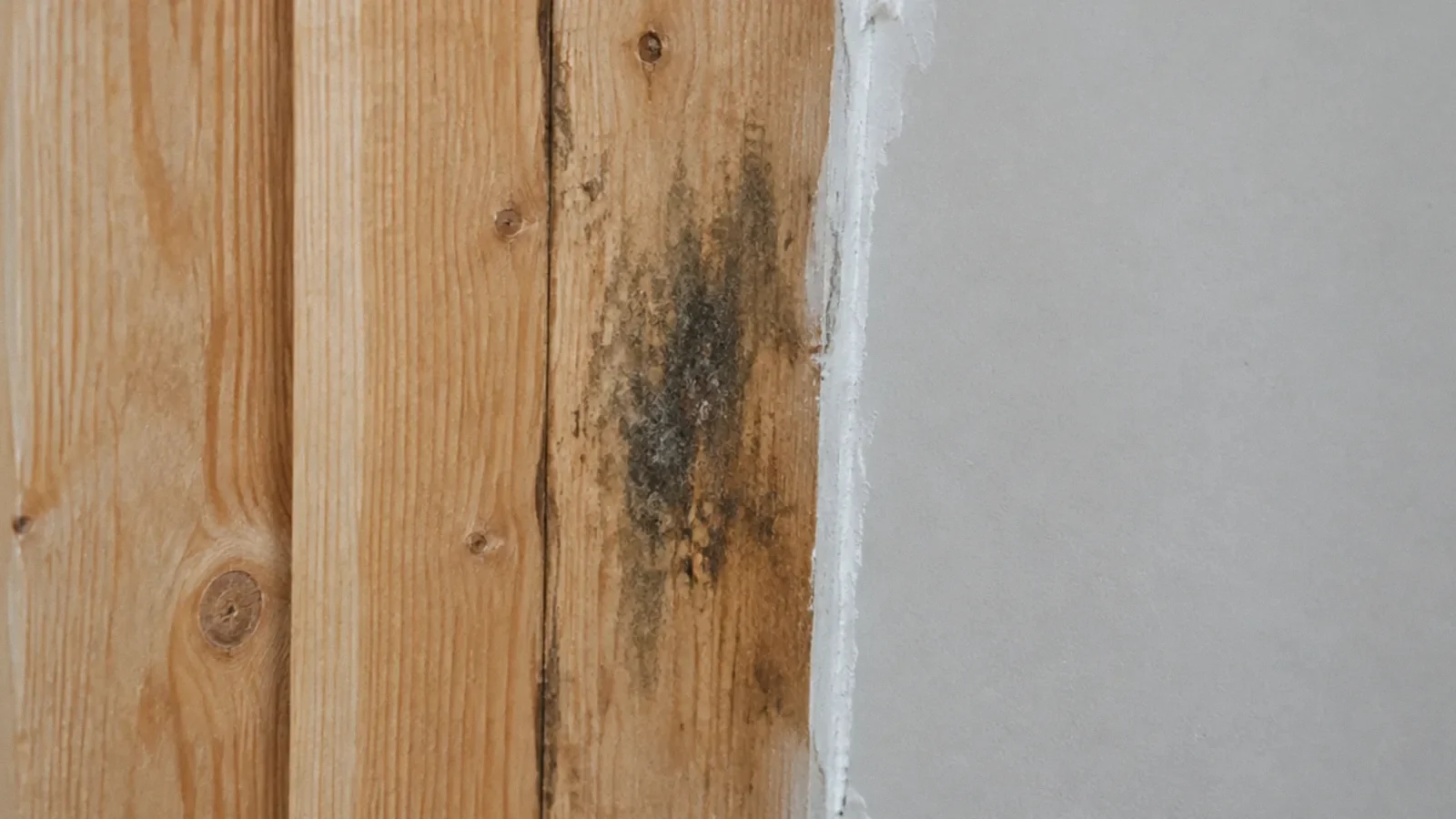
There is no reliable fixed percentage by which mold reduces a home’s value. The effect depends on the cause, extent, repair status, local market, disclosure obligations and buyer or lender response. Obtain a property-specific assessment.
Why there is no universal discount
A small, documented and corrected moisture problem is different from widespread active growth with an unresolved leak. The effect on a sale also depends on the property, comparable sales, market conditions, buyer expectations and the cost and uncertainty of repairs. A generic online percentage cannot establish an individual home’s value or predict the final sale price.
An appraiser develops an opinion of value for a particular purpose and property. A real estate agent may provide a market analysis, while an inspector or remediation contractor assesses condition and scope. These are different services; a cleanup estimate is not automatically the amount by which a home’s market value has changed.
Separate condition, cost and market reaction
An active leak or visible growth can prompt buyers to request an inspection, repair, price adjustment or other contract change. The buyer may also consider the risk that concealed damage will be found later. Lenders and insurers may have their own requirements. These are possible outcomes, not automatic rules for every transaction.
Compare the cost of correcting the source and affected materials with the broader effect on marketability. A repair costing a certain amount does not necessarily reduce value by the same amount: timing, uncertainty and comparable sales can also matter. An appraisal or informed local market analysis is needed to support a property-specific conclusion.
Find and correct the moisture source
Before deciding whether to list, repair or negotiate, establish what is actually happening. A qualified professional can inspect the affected area and identify likely sources such as plumbing, roof leaks or condensation. Ask for a written scope describing the accessible areas inspected and any limitations. A surface stain does not establish the size of hidden damage or identify a mold species.
Remediation should address the water source as well as affected materials. A fresh coat of paint over a damp wall can conceal a problem without resolving it. If a contractor opens concealed areas and finds additional damage, obtain a revised scope and cost before authorizing the extra work.
What documentation helps
Keep dated photographs, inspection reports, moisture repair invoices, remediation scope, completion records and any follow-up findings. Record what was repaired and what was not inspected. Documentation helps a buyer, appraiser or insurer understand the history, but it cannot guarantee a particular sale price or prove that every concealed space is free of future problems.
Ask the contractor how completion was assessed, including moisture control and visible cleanup. If testing is proposed, ask what question it answers and how the result will be interpreted. EPA notes that visible mold usually makes routine sampling unnecessary; particular transactions or disputes may call for different professional advice.
Disclosures and the sale contract
Disclosure obligations vary by jurisdiction and the facts. Do not assume that a completed repair erases a duty to disclose a known condition or that an inspection report replaces required forms. Ask a local real estate professional or attorney about the applicable forms, questions and deadlines. Provide accurate records and avoid claiming that a property is permanently mold-free.
A buyer’s inspection contingency, repair request or cancellation rights depend on the signed contract and local law. Review the contract with the appropriate professional before relying on a general article. A lender may require additional inspection or repairs; confirm any requirements directly with the lender.
How appraisers and buyers use the information
Freddie Mac distinguishes a home inspection, which examines condition, from an appraisal, which provides a professional opinion of value for the lender. An appraiser may note relevant property condition and may require further inspection for an issue outside the appraisal’s scope. The appraiser’s assignment, comparable sales and applicable lending requirements influence the analysis.
Provide records to the appraiser or buyer through the appropriate transaction channels. Ask whether an independent assessment is warranted when the extent or effectiveness of remediation is disputed. Do not instruct an appraiser to ignore a condition or assume a particular value adjustment before reviewing the evidence.
Choosing a practical next step
If an active leak exists, arrange a safe repair and assessment promptly. If the issue has already been remediated, organize the records and identify any gaps. Obtain local market advice on whether to complete remaining repairs before listing or disclose the condition and negotiate. Ask for written estimates that separate water-source repair, remediation and reconstruction.
When evaluating offers, compare price with contingencies, deadlines, financing and the remaining repair responsibility. The highest headline offer may not produce the same outcome as an offer with fewer unresolved conditions. A local professional can help assess the actual transaction; no universal mold discount can replace that analysis.
Your next-step checklist
- Identify the situation and document relevant conditions.
- Address the underlying cause before repairing or replacing affected materials.
- Use qualified help when hazards or the scope exceed your abilities.
- Keep inspection, repair and follow-up records.
Related questions
Does mold always lower a home’s value by a set percentage?
No. The effect depends on the condition, documentation, market and transaction. A property-specific appraisal or market analysis is needed.
Can a remediated problem still need disclosure?
Possibly. Disclosure requirements depend on jurisdiction and facts; ask a local real estate professional or attorney.
Sources & context
Public guidance supports the principles in this article. The practical questions and examples are editorial interpretation, not a site assessment or a coverage decision. State-specific rules apply only where identified.