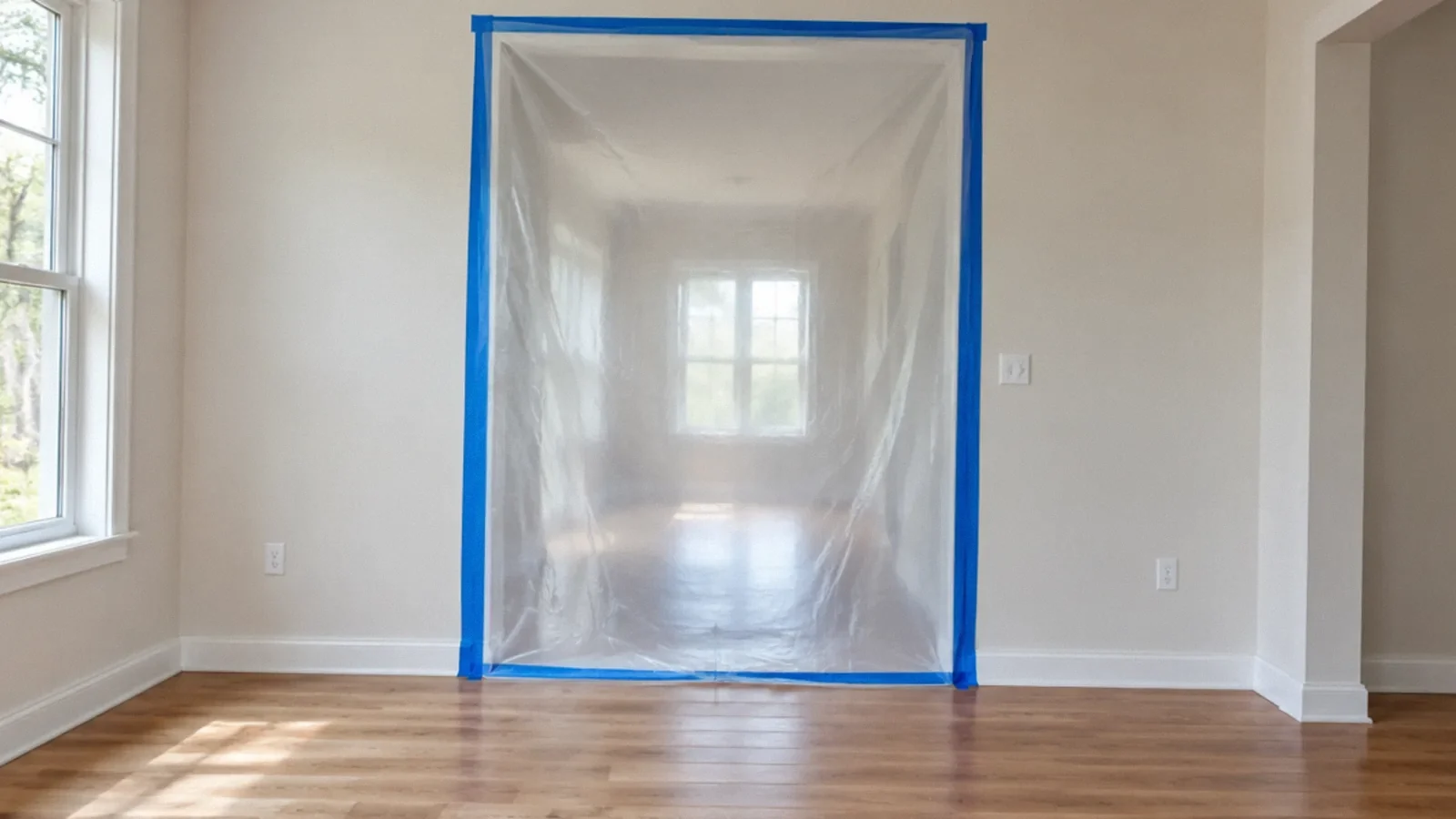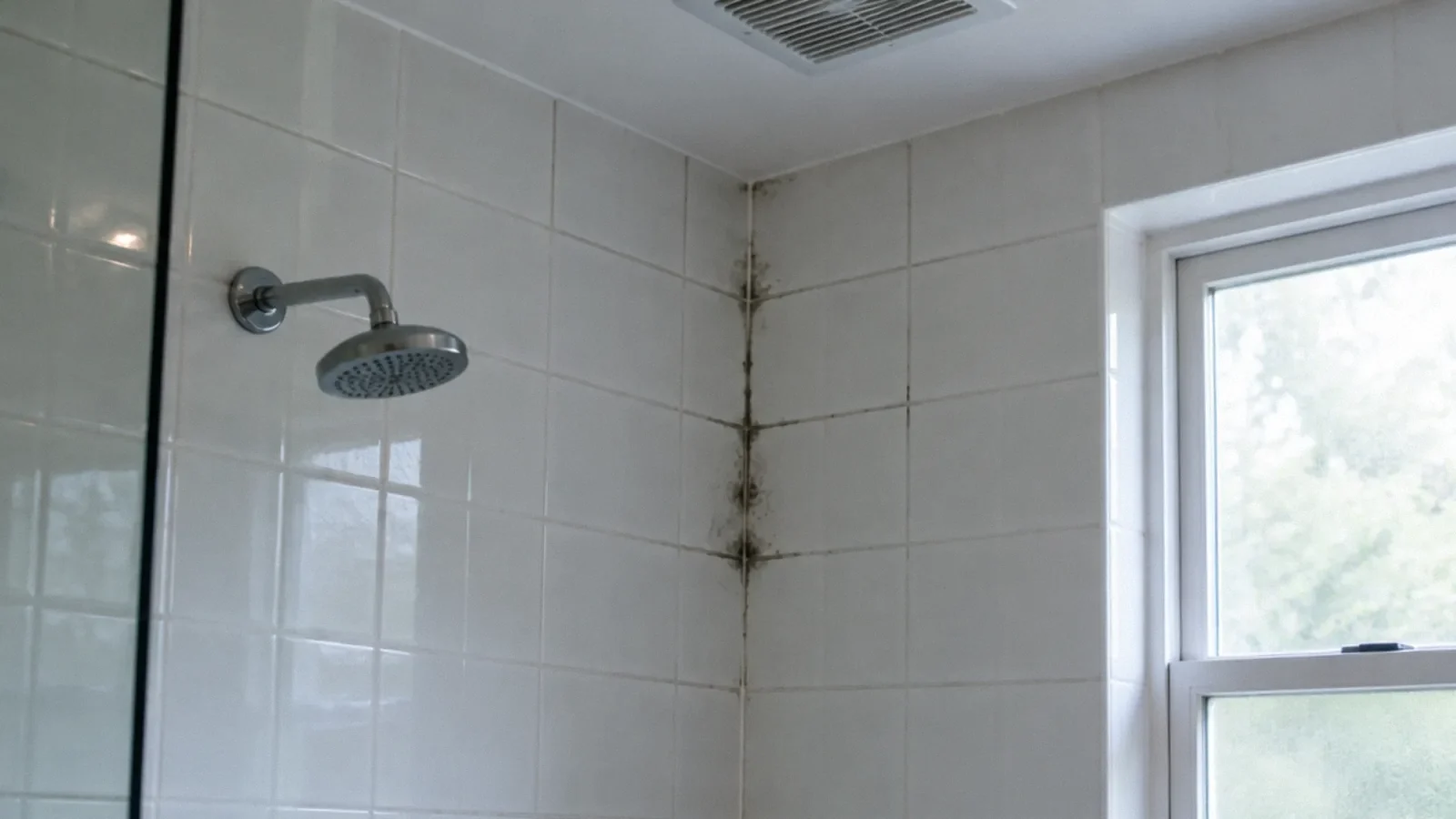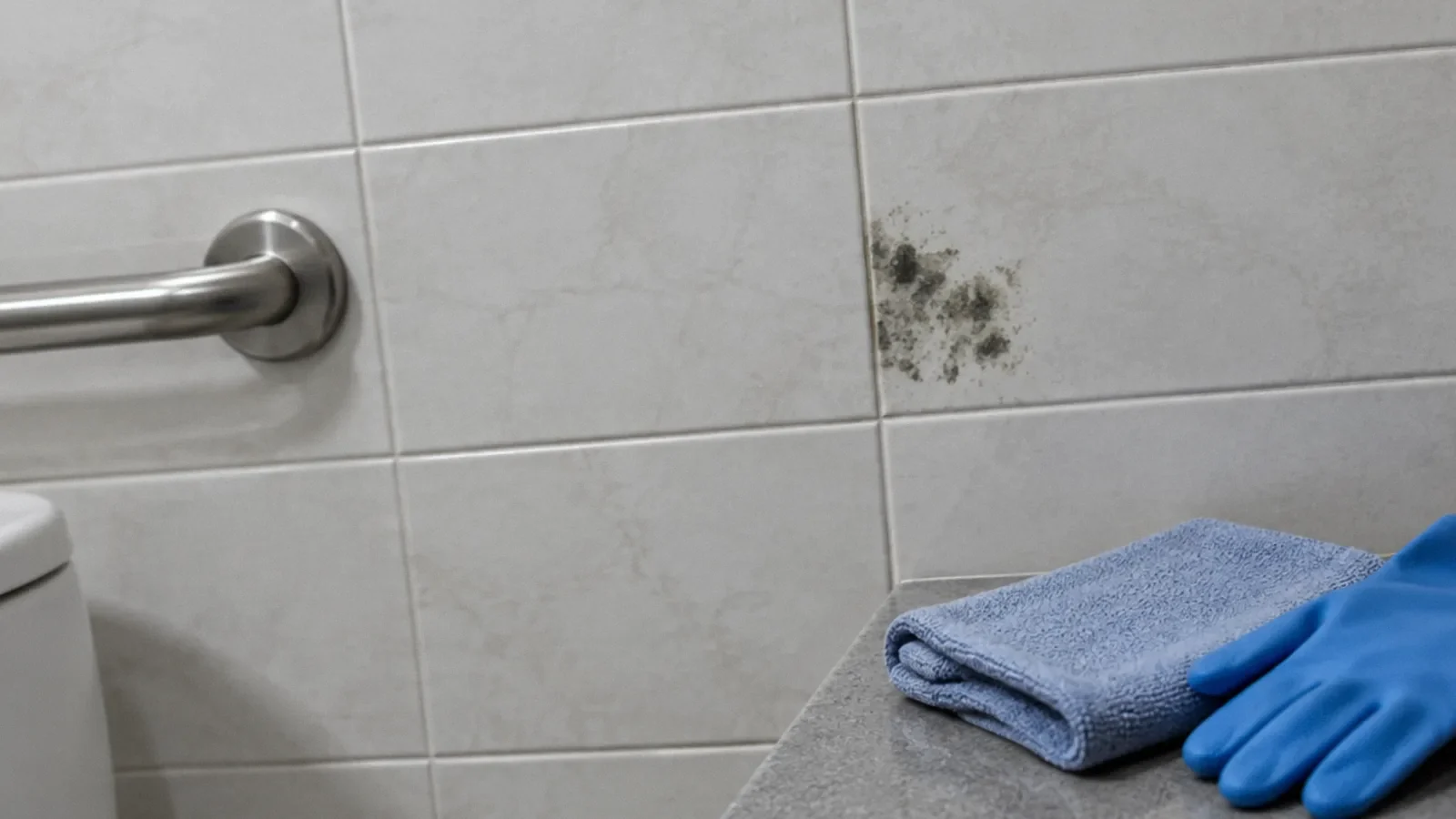
Correct the water source and address visible mold using a method suitable for the material and extent. EPA recommends detergent and water for mold on suitable hard surfaces, followed by thorough drying. Porous materials may need removal. For extensive, concealed, recurring or contaminated damage, seek experienced help; never judge risk by color alone.
Start with the extent and source
Before cleaning, identify where the material is wet and whether water is still entering. A leaking supply line, repeated condensation and floodwater create different problems. If water is near electrical equipment or the structure may be unsafe, stay clear and contact the appropriate qualified professional.
Photograph accessible damage and note its location and history. A visible patch does not establish the full area affected behind a wall or below flooring. Avoid cutting or disturbing a large suspect area until the hazards, occupants and proposed containment have been considered.
Who should not perform cleanup?
According to CDC, people who have asthma, a mold allergy, chronic lung disease or weakened immunity should leave mold cleanup to others. Arrange for another suitable person or an experienced professional. Keep children and other occupants out of the immediate work area while contaminated material is disturbed.
For people performing cleanup, CDC recommends appropriate protection including gloves, goggles and an N95 respirator or better. The right measures depend on the task and exposure. Discuss symptoms or medical concerns with a clinician; seek urgent care for severe or rapidly worsening breathing problems.
Clean suitable hard surfaces
For mold on a suitable hard surface, EPA recommends scrubbing with detergent and water and drying completely. Check the surface manufacturer’s instructions and use a method appropriate to the finish. Remove visible contamination rather than simply covering it with paint, caulk or a fragrance.
Never mix cleaning products. Bleach mixed with ammonia, vinegar or other cleaners can release dangerous fumes. EPA does not recommend routine use of a biocide as a substitute for physical cleanup; dead mold can still cause allergic reactions. Follow any product label and ventilate appropriately.
Porous and damaged materials
Drywall, carpet, insulation, upholstery and other porous materials can be difficult or impossible to clean completely once mold grows inside them. Their condition, the water source and the extent of contamination determine whether removal is needed. A surface wipe cannot verify the condition of a hidden interior.
A valuable or sentimental item may need a specialist. Do not soak damaged materials with a homemade solution in an attempt to reach concealed growth. If sewage, floodwater or unknown chemicals are involved, use an appropriate contamination plan and qualified help.
What about black-looking mold?
A black or dark appearance does not identify a species, toxin production or an individual’s health risk. The same questions apply: what is wet, how much material is affected, what is the surface and who may be exposed? Visible growth and the water problem should be addressed regardless of the label.
Do not rely on a color chart or a home test to decide that a room is safe. CDC does not recommend routine air sampling as the first step in a building evaluation. If a professional proposes testing, ask what decision it will change and how the result will be interpreted.
When to hire a professional
Consider experienced help for an extensive area, suspected hidden growth, recurring contamination, a major leak, sewage or uncertainty about safe cleanup. A contractor should explain how the moisture source will be fixed, which materials will be cleaned or removed, and how occupants and unaffected rooms will be protected.
Ask for a written scope, the handling of concealed damage, cleanup and drying, and how completed work will be checked. Compare proposals on the actual work. A promise to remove every spore or kill all mold forever is not realistic; EPA notes that spores are common indoors.
Dry and verify before rebuilding
Dry wet items and materials promptly when safe and appropriate. EPA recommends drying within 24 to 48 hours when possible to help prevent growth, but contamination and the material’s condition affect whether an item can be saved. Do not close a wet cavity simply because the surface feels dry.
Keep photographs and records of the water repair, material removal and drying. If a musty odor or staining returns, investigate the source rather than repeatedly masking it. A smell can be a clue, not proof of a specific organism or a measure of exposure.
Prevent the conditions for regrowth
Repair leaks, manage condensation and use suitable ventilation where moisture is produced. Check roof, plumbing and drainage problems that recur. Control the source of water as well as the visible growth; otherwise cleaning may only produce a short-lived change.
For shower-specific steps, see the separate shower guide. For a description of professional planning and verification, see the mold-remediation guide. The right approach depends on the actual area and material, not on forcing every situation into one chemical recipe.
Painting over mold
Do not paint over wet or moldy material. Correct moisture and clean or remove affected material before refinishing. See the separate closet guide for that location.
Remaining stains
A remaining stain alone cannot confirm or exclude growth. Assess moisture and the condition of the material; the separate garage guide covers garage-specific conditions.
A practical first response and material limits
Note the area, water history, affected material and whether vulnerable occupants may be exposed. Stop the moisture safely, document the problem, then choose suitable cleaning or professional assessment. A plumber or building-envelope specialist can locate a leak; a mold remediation contractor can assess containment and cleanup. Ask who fixes the source, what is removed, how drying is measured and how the work is verified.
For a small suitable hard surface, scrub with detergent and water according to the surface and product instructions and dry completely. Porous material with growth may require removal because a spray cannot guarantee cleaning deep inside it. A stain left after cleaning neither proves nor rules out remaining growth; inspect moisture and material condition, and seek assessment if uncertain. Green or black color does not identify species or dictate treatment.
Dryness, heat and product claims
Drying can stop growth but does not reliably kill or remove spores and residues, which can still cause reactions. There is no universal time or household temperature that makes all materials and spores safe. Hot water, open flame and household heating are not substitutes for physical removal and moisture control; open flame is unsafe. Follow the selected product label rather than inventing a universal treatment time.
A product described as non-toxic is not a guarantee of safety. Limit exposure, wear appropriate protection, ventilate as directed and never mix cleaners. Home sprays and termite treatment do not replace mold removal. No practical method eliminates all airborne spores indoors; the goal is to remove growth and control moisture. Ventilation can help drying when conditions permit, but cannot repair a leak or remove existing growth. Suspected contaminated ducts need qualified assessment.
When dampness returns
Painting over damp or moldy material can hide rather than fix it, and stains or growth may recur. Persistent wetness can damage finishes and contribute to decay; a qualified structural professional should assess soft, sagging or deteriorated load-bearing materials. Health questions are separate from structural damage and belong with a clinician.
A renter should record dates, photographs and dampness and notify the manager in writing. Recurring stains, hidden dampness or a musty odor justify investigation rather than repeated surface treatment.
Your next-step checklist
- Identify and correct the moisture source.
- Keep people in CDC risk groups out of mold cleanup.
- Clean suitable hard surfaces and dry them completely.
- Evaluate porous or contaminated materials for removal.
- Seek experienced help for extensive, hidden or recurring damage.
Related questions
Can I remove mold myself?
Some small areas on suitable hard surfaces may be manageable with appropriate protection and EPA guidance. Health conditions, contamination and hidden damage can make professional help appropriate.
What kills mold permanently?
No product permanently eliminates every indoor spore. Remove affected material and control moisture to prevent regrowth.
Is black-looking mold cleaned differently?
Color alone does not establish the species or risk. The material, extent, water source and exposure determine the cleanup approach.
Why does mold come back after cleaning?
Moisture may remain, the source may not have been repaired or affected material may still be present. Investigate rather than repeatedly covering it.
What should I do about mold in the kitchen?
Find and correct the moisture source, assess the affected surface and follow appropriate mold cleanup guidance. Hidden or extensive growth may need a professional assessment.
Can I remediate mold myself?
Some small areas on suitable hard surfaces may be cleaned using EPA guidance, but hidden or extensive damage, contaminated water and health concerns can require professional assessment.
Can all mold spores be removed from a home?
EPA says there is no practical way to eliminate all indoor mold spores. Correct moisture and remove existing growth using a method appropriate to the material and extent.
Should I spray antimicrobial chemicals on water damage?
Do not assume a spray fixes moisture or replaces physical cleaning and removal. Follow product labels and EPA guidance, never mix cleaners, and use qualified help for extensive or contaminated damage.
Does fresh air kill mold?
Ventilation can help reduce moisture in suitable conditions, but fresh air alone does not remove established growth or correct a leak. Assess the affected materials and moisture source.
What if mold-like growth is on a garage ceiling?
Investigate roof leaks, condensation or another moisture source and keep away from sagging material or wet electrical equipment. Avoid unsafe access and seek qualified assessment for extensive or hidden damage.
Will sunlight or low humidity kill mold?
Dry conditions help prevent active growth, but sunlight or lower humidity does not reliably remove established growth or correct a hidden moisture source. Clean or remove affected materials as appropriate and address the source.
Is natural or non-toxic mold remediation guaranteed safe?
No treatment should be assumed safe or effective solely because it is marketed as natural or non-toxic. Follow the product label, protect occupants, remove affected material as appropriate and correct the moisture source; avoid mixing cleaners.
What if mold-like growth is inside a cabinet?
Look for the moisture source and avoid disturbing extensive growth. Wet particleboard or other porous cabinet materials may need professional assessment or replacement; cleaning the visible surface alone may not address hidden damage.
Does mold die without moisture or in the cold?
Cold or drying can slow or stop active growth, but spores and residues can persist and may grow again when moisture returns. Remove or clean affected material as appropriate and correct the water source.
What if growth is behind a refrigerator?
A leak, condensation or another moisture source may affect the wall or floor. Do not move an appliance through standing water or handle wet electrical parts; arrange safe inspection, repair the source and assess the affected material.
What should an apartment tenant do about suspected mold?
Notify the landlord or property manager promptly in writing, describe any leak and document visible conditions from a safe location. Avoid disturbing extensive growth and request assessment of the moisture source. Rights and responsibilities depend on the tenancy and applicable law.
Can plants kill black mold in a room?
Do not rely on houseplants to remove established mold or repair a water problem. Correct the moisture source and clean or remove affected material as appropriate; damp soil can also add moisture to a room.
Does hydrogen peroxide kill mold permanently?
No product can prevent new growth if moisture remains. Follow the surface and product instructions, never mix cleaners, and remove or clean affected materials as appropriate. Extensive or hidden growth may require professional assessment.
Sources & context
Public guidance supports the principles in this article. The practical questions and examples are editorial interpretation, not a site assessment or a coverage decision. State-specific rules apply only where identified.
- US EPA: Mold cleanup in your homeofficial guidance
- US EPA: Should I use bleach?official guidance
- CDC: Mold cleanuppublic health guidance
- CDC/NIOSH: Mold testing and remediationpublic health guidance
- EPA: Mold cleanup after disastersfederal cleanup guidance
- EPA: Getting rid of moldofficial guidance