Water remaining in the drum after a completed cycle can result from an interrupted cycle, a drain hose or drain restriction, an unbalanced load or an equipment fault. Follow the model’s instructions and stop use if there is a leak, electrical hazard or sewage backup. A technician can diagnose the cause.
Is the water inside or outside the washer?
Water inside the drum after a cycle is a different problem from water on the floor beneath the machine. First determine where it is visible without moving the appliance through standing water. A leak on the floor can involve hoses, connections, the drain or the washer itself.
If water is near an outlet, plug or other electrical equipment, keep away and arrange qualified help. Do not reach behind a wet machine or enter standing water to unplug it.
Confirm that the cycle finished
A paused or interrupted cycle may leave water or wet clothing in the tub. Check the display and the model instructions from a safe location. Whirlpool notes that on some front-load models a drain-and-spin cycle can be appropriate after a cycle appears complete but water remains.
Do not repeatedly restart a machine that leaks, shows an electrical fault or backs up into a drain. If the door is locked, follow the manufacturer’s instructions rather than forcing it open.
Consider load balance and cycle settings
A large or uneven load can interrupt spinning on some models and leave clothing wetter than expected. The exact behavior varies by model. Consult the manual about load limits, error messages and any approved correction.
If a cycle was intentionally set to pause or hold water, the next step may differ from a mechanical fault. Record the selected cycle and any displayed code before contacting service. Do not assume every small amount of residual water indicates a defect.
Look at the drain hose and standpipe
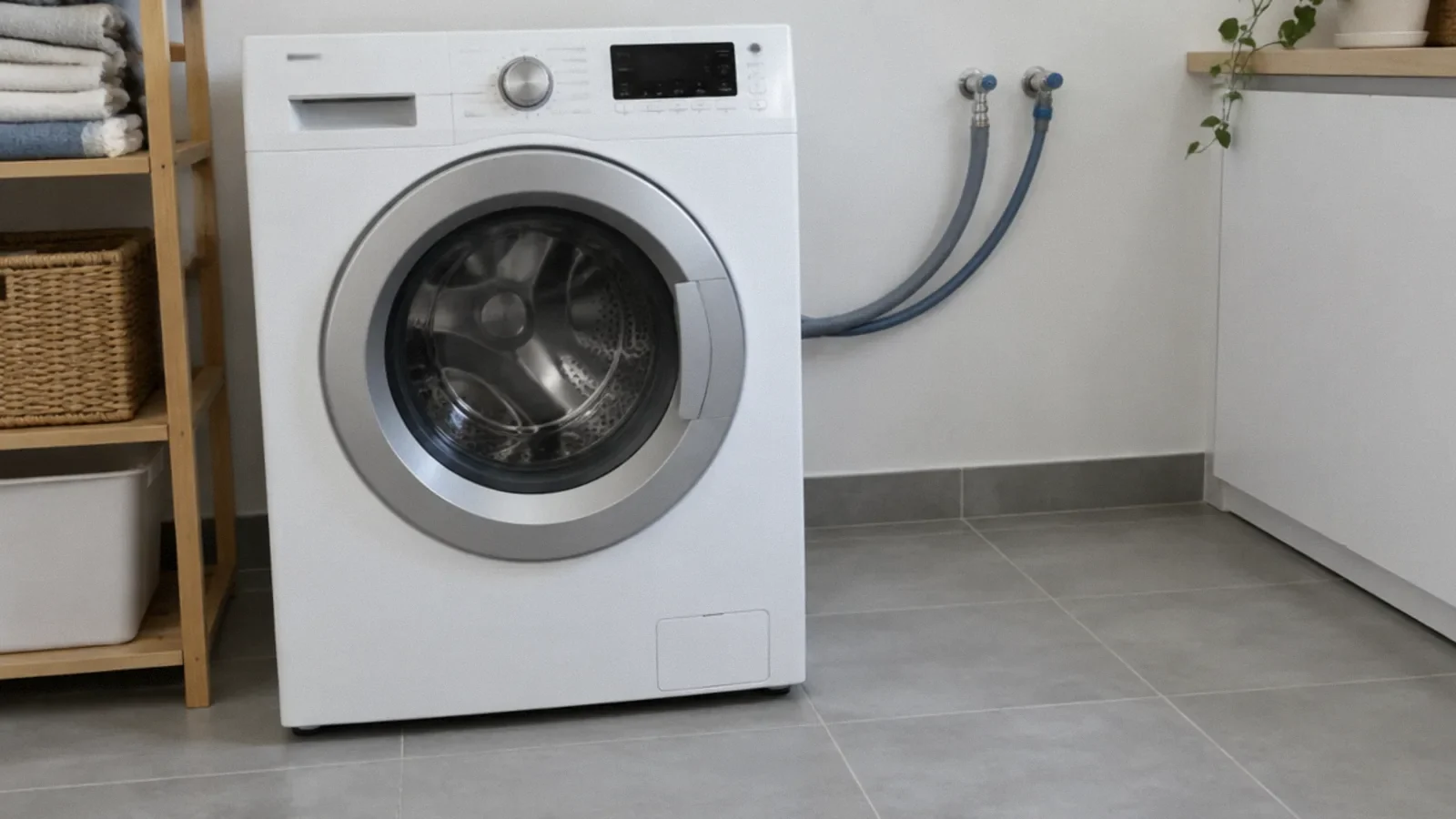
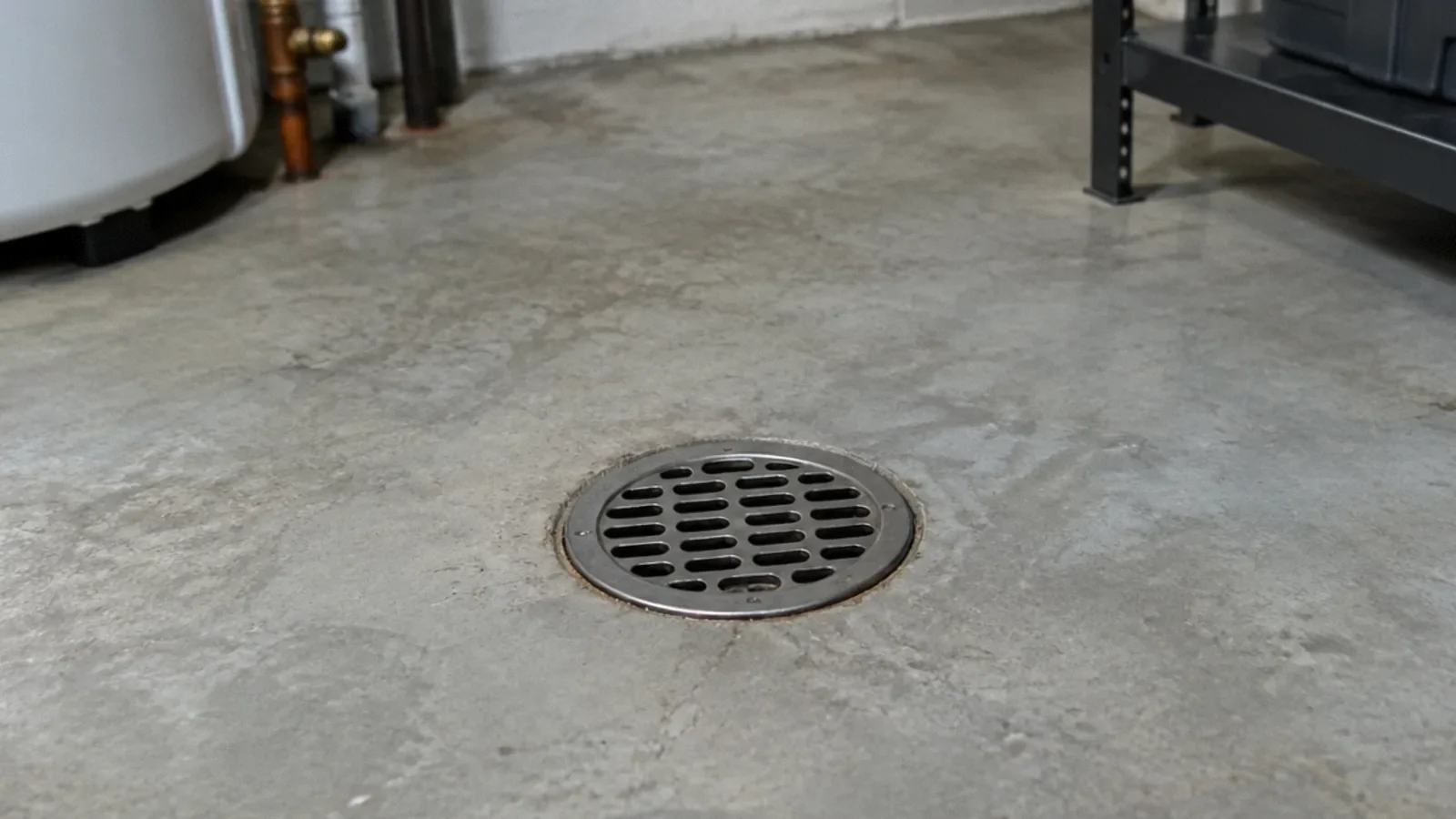
A kinked, restricted or incorrectly installed drain hose can interfere with drainage. A blockage in the connected standpipe or building drain can also cause a backup. Whirlpool identifies hose and drain conditions among possible causes of water remaining after a cycle.
Inspect only what is accessible without moving heavy equipment or exposing yourself to water or electricity. Do not remove a hose that may release water onto an energized area. A plumber or appliance technician can determine whether the problem is in the machine or building drain.
Pump, filter and internal components
Some washers have an accessible pump filter, while others require service access. Follow the exact model instructions before attempting any user-maintenance procedure. Water can spill when a filter or hose is opened, and some machines contain hot water or sharp components.
Do not remove electrical panels or attempt internal repairs without the necessary qualifications. If a filter is inaccessible, the pump makes unusual noises or the machine displays a recurring fault, arrange appliance service.
When water comes back into the drum
If water reappears after the cycle or the machine is off, possible explanations depend on the appliance and drain configuration. Note when it returns and whether connected fixtures are backing up. Do not assume that a single symptom identifies the failed valve or drain.
If safe and appropriate, an accessible water-supply shutoff may limit an appliance leak, but it will not resolve every drainage problem. Tell the technician about standing water, odors, recent installation and any drain chemicals used.
Prevent water damage while waiting
Stop using a machine that is overflowing or leaking. Keep children and pets away from the area and document visible damage from a safe location. If wastewater has entered the room, avoid contact and arrange appropriate cleanup.
Ask the service provider about diagnostic fees, the expected scope and whether plumbing work is separate. After repair, observe a cycle as directed by the technician and check that the floor and connections remain dry.
Water in the drum after the cycle
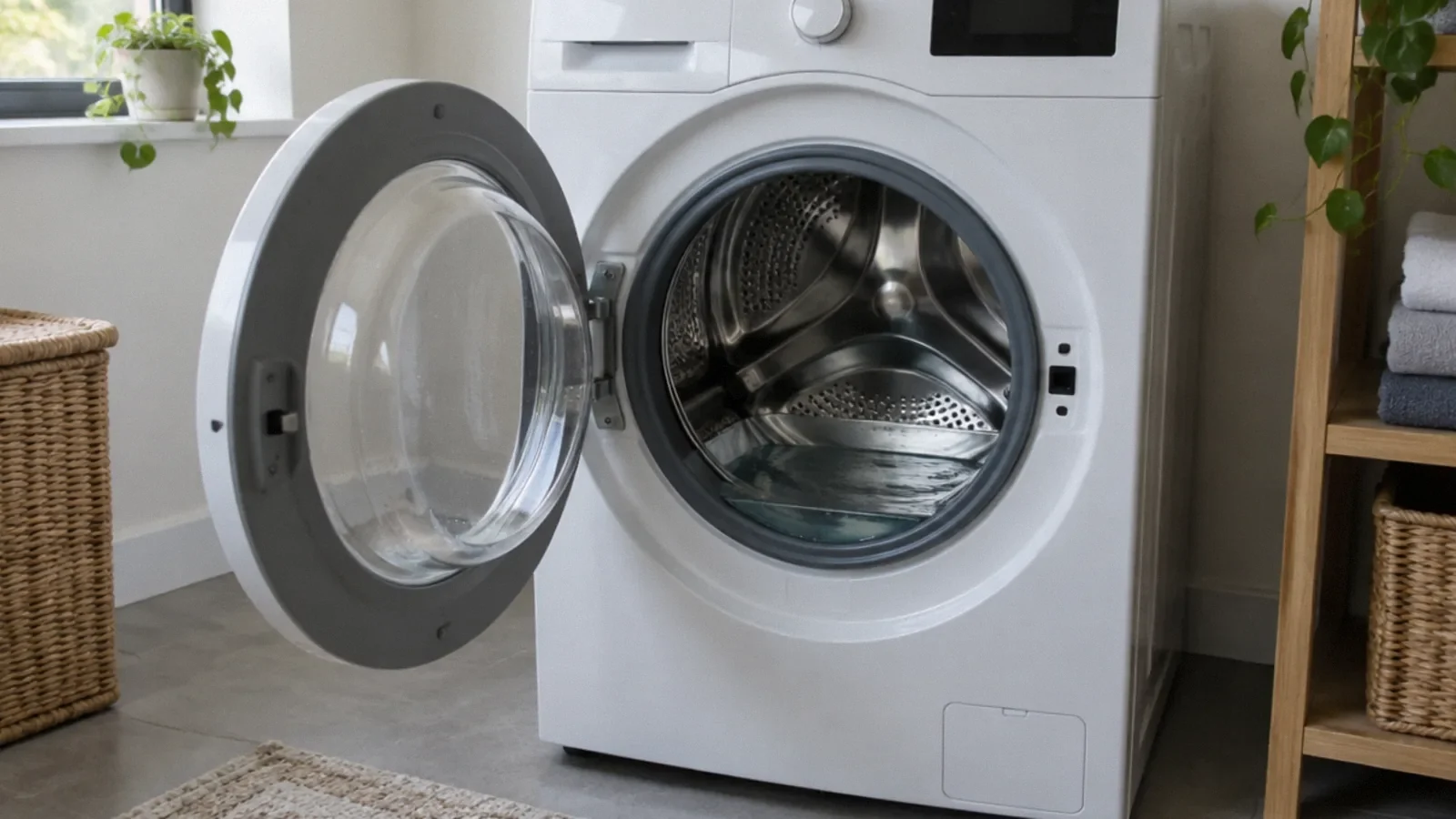
Water visible at the bottom of the drum after a completed cycle can reflect an interrupted cycle, a low-spin setting, an unbalanced load or a drainage problem. Check the display and the model manual first. Whirlpool recommends a drain-and-spin cycle when a completed front-load cycle leaves wet clothing, but stop if the machine is leaking or the drain is backing up.
If clean water returns after the drum was emptied, a supply valve is one possible cause; dirty water returning may suggest drainage or standpipe trouble. Neither appearance proves the fault. Shut off accessible supply valves if water is entering unexpectedly and arrange service; do not reach into water near energized equipment. A small amount concealed in the pump system may be normal on some models, so distinguish that from water standing in the drum.
Your next-step checklist
- Determine whether water is inside the drum or on the floor.
- Avoid wet electrical equipment.
- Check the cycle and model instructions.
- Do not force open a locked door or remove internal panels.
- Request service for repeated drainage problems or leaks.
Related questions
Why is water left in my washer after a cycle?
Possible causes include a paused cycle, drainage restriction, load issue or equipment fault. The model and symptoms determine the next step.
Can I run drain and spin?
Some models provide that option; follow the manufacturer’s instructions and do not restart a leaking or electrically unsafe machine.
Does water in the drum always mean the pump failed?
No. A hose, drain, cycle setting or other issue may also be involved.
Who should I call?
An appliance technician can assess the washer; a plumber may be needed if the connected building drain is blocked.
Sources & context
Public guidance supports the principles in this article. The practical questions and examples are editorial interpretation, not a site assessment or a coverage decision. State-specific rules apply only where identified.
- Whirlpool: Water remains in a front-load washermanufacturer guidance
- Whirlpool: Why a washing machine may not drainmanufacturer guidance
- GE Appliances: Washer drainage questionsmanufacturer guidance