A softener can reduce hardness scale and soap residue, but it requires salt, maintenance, regeneration water, and disposal of chloride-containing discharge. Test your water and consider health, plumbing, and local discharge requirements before choosing one.
What a softener does
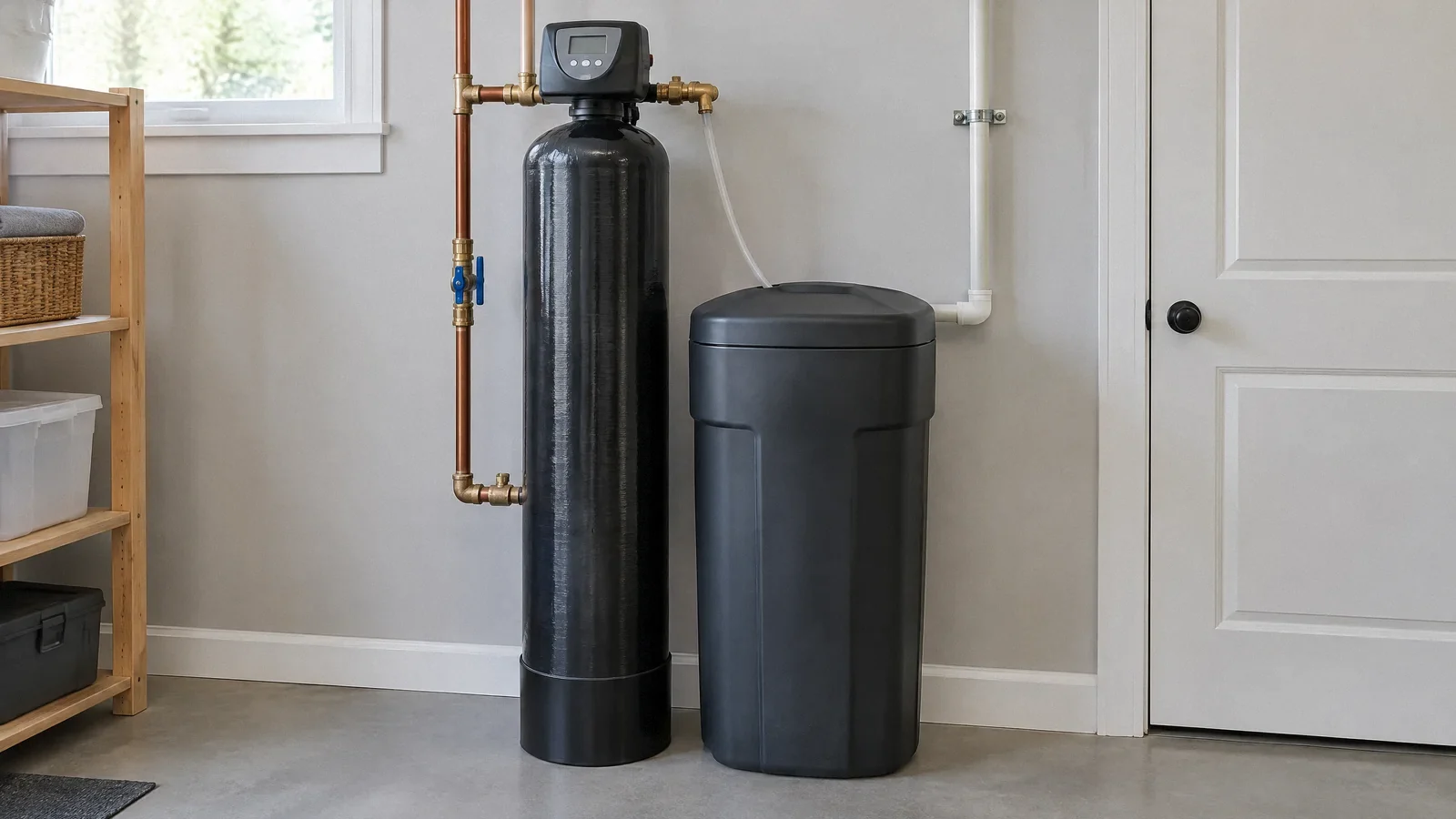
A conventional ion-exchange water softener reduces hardness minerals, mainly calcium and magnesium. Water passes through a resin bed that exchanges these minerals for sodium or potassium. The resin periodically regenerates using a concentrated salt solution, producing a discharge that must go to an approved drain. Softening addresses hardness; it is not a general guarantee that water is safe to drink or free of every contaminant.
Hard water is not automatically a health problem. The Minnesota Department of Health notes that calcium and magnesium can contribute useful dietary minerals. The decision is therefore about measurable hardness, the household's practical problems, water chemistry, maintenance, and local requirements rather than a universal need for treatment.
Potential benefits
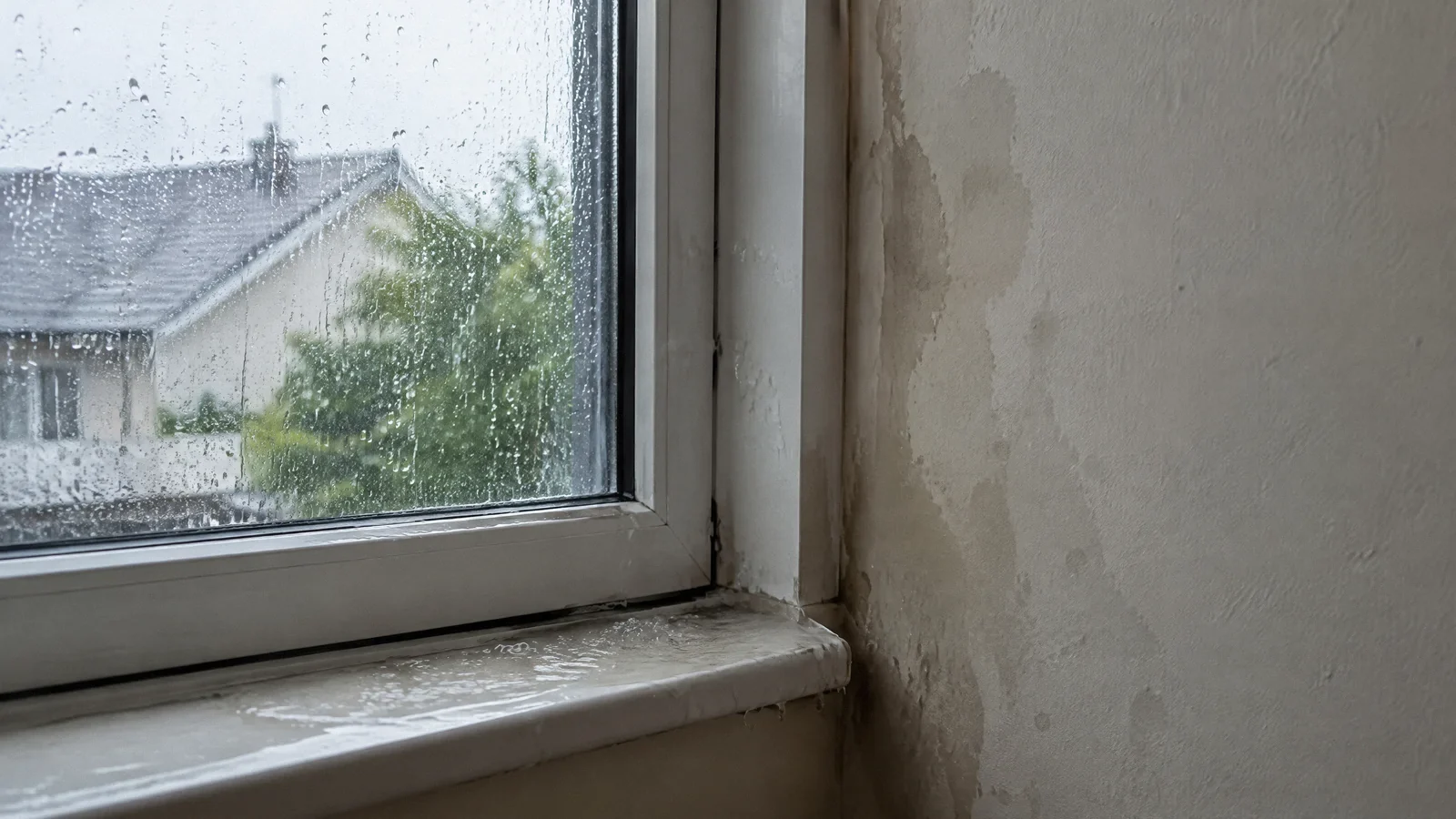
Hardness minerals can form scale in water heaters, fixtures, and pipes. Softening can reduce scale and mineral spots and make soap lather more readily. A household with visible scale, frequent cleaning, or a manufacturer requirement for equipment may find this valuable. Results depend on the starting water and the system's settings; a softener cannot repair an already damaged appliance or eliminate every deposit.
Before choosing equipment, obtain a current water analysis. A public water supplier can provide information about its supply; private well owners can use an accredited laboratory. Ask about hardness and other relevant characteristics, such as iron or manganese, because a system sized only on an assumption may perform poorly. Water use and the desired treated fixtures matter too.
The cons: salt, water, and maintenance
A sodium chloride softener increases sodium in treated water. The amount depends on the incoming hardness and treatment. People with dietary sodium restrictions should discuss drinking water with a clinician. Options to discuss with a qualified installer include a separate unsoftened cold-water tap for drinking and cooking, or potassium chloride regeneration where suitable. Potassium has its own medical considerations, so do not assume it is appropriate for everyone.
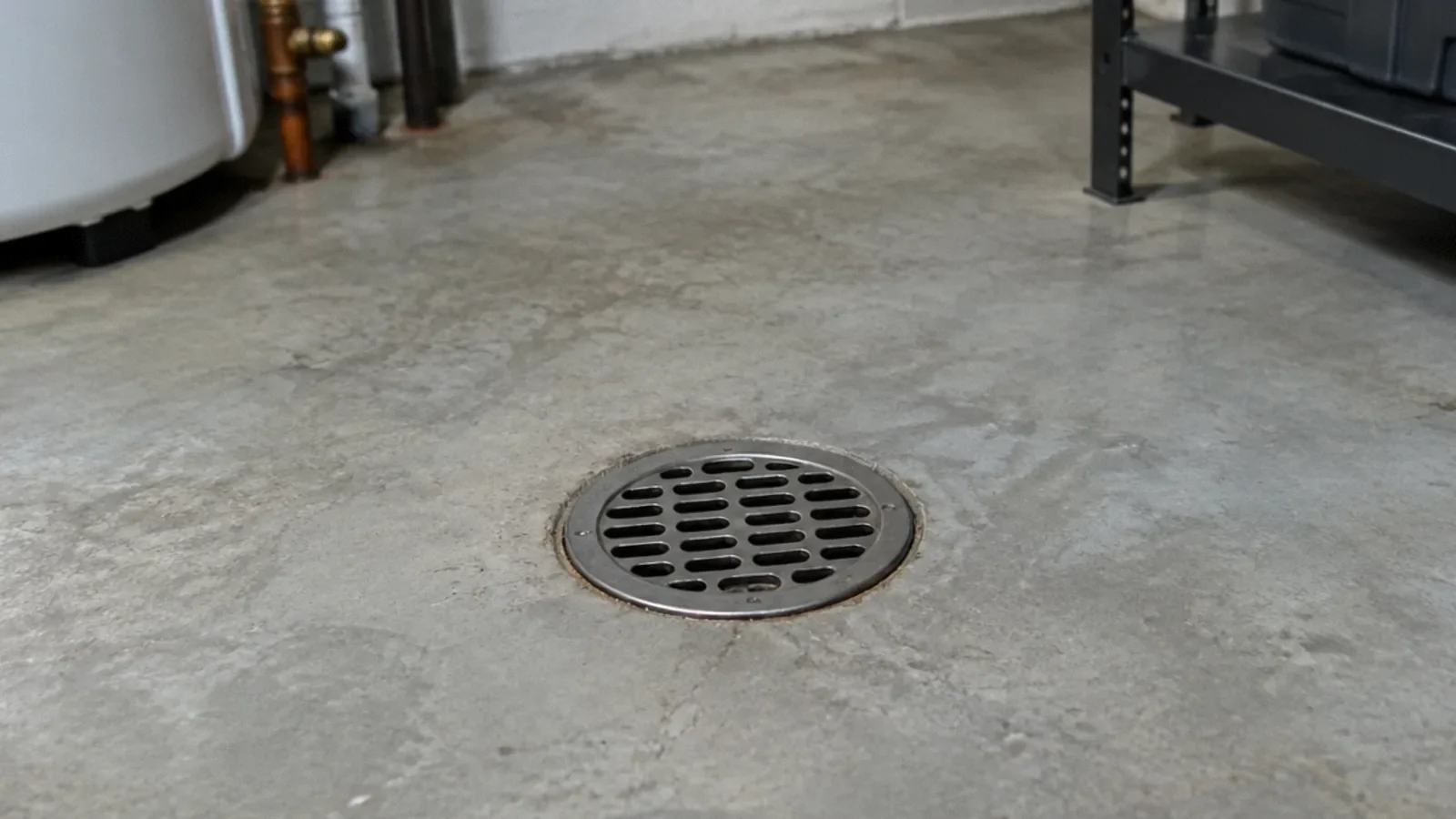
Regeneration uses water and produces chloride-containing wastewater. Chloride can pass through wastewater treatment and affect freshwater or groundwater. Local discharge rules and septic considerations vary; check with the water utility and local authority before selecting a system. A demand-controlled, correctly sized and adjusted unit may reduce unnecessary regeneration, but it does not eliminate discharge.
The unit needs salt replenishment, periodic inspection, cleaning and adjustment according to the manufacturer. A neglected softener can run out of salt, malfunction, or fail to deliver the intended result. Include the space for a brine tank, safe access for salt bags, a suitable drain, and ongoing service in the decision, not only the initial equipment price.
Water chemistry and plumbing compatibility
Minnesota's health department cautions that softening can make water more corrosive in some circumstances and contribute to lead or copper in drinking water. The effect depends on water chemistry and plumbing. Ask the utility or a qualified water-treatment professional about corrosion and test drinking water when appropriate, particularly in homes with potential lead-bearing plumbing. A softener is not a substitute for lead removal.
Do not assume all treatment products described as salt-free are ion-exchange softeners. Compare the specific technology, independently verified performance claims, operating requirements, and the contaminant or scale problem being addressed. Certification for one claim does not prove a device removes unrelated contaminants. Ask for the exact certification and operating conditions.
Decide whether it is worthwhile
Start with the severity and location of the problem. If scale is minor, a household might choose routine fixture care and appliance maintenance rather than treating all water. If hot-water equipment is repeatedly affected, ask whether treating selected lines is feasible and compatible with the manufacturer's instructions. Outdoor irrigation may not need softened water; discuss bypass arrangements with an installer.
Request proposals that state measured hardness, expected water use, system size, regeneration settings, salt consumption assumptions, drain connection, maintenance, and warranty. Compare total ongoing obligations as well as the purchase. Have the installer explain what remains untreated and how to confirm operation after installation. The lowest quoted price is difficult to compare without these details.
After installation
Keep the manufacturer's instructions and test results, maintain the salt level as directed, and check for leaks or error indications. If hardness returns, first check the unit's status and service instructions; request qualified service for a persistent problem. A leak around equipment is a plumbing issue and should be addressed promptly.
Recheck water quality when the source, household use, plumbing, or treatment changes. A unit is useful only when it solves the identified problem without creating unacceptable costs or discharge. Discuss unusual results with the water supplier, laboratory, or a qualified treatment professional rather than adding devices without a clear purpose.
Your next-step checklist
- Obtain a current hardness analysis.
- Ask about sodium, corrosion, and drinking-water options.
- Check local discharge and septic requirements.
- Compare sizing, service, and ongoing costs.
Related questions
Does a water softener make water safe to drink?
Softening primarily reduces hardness. It does not remove every contaminant or replace testing and treatment for a specific drinking-water problem.
Does every home need a softener?
No. Consider measured hardness, the actual problems it causes, household preferences, and the costs and consequences of treatment.
Sources & context
Public guidance supports the principles in this article. The practical questions and examples are editorial interpretation, not a site assessment or a coverage decision. State-specific rules apply only where identified.
- Home Water Softening Frequently Asked Questionsgovernment
- Cation Exchange Water Softenersgovernment
- Home Water Treatment Factsgovernment