Clean accessible strainers and stoppers, and run water briefly into a functioning seldom-used sink to refill its trap. Persistent sewer odors, backups or leaks need a plumber. Never mix cleaning chemicals.
Identify the odor and its timing
A sink can smell because food residue has collected on the strainer, stopper or disposal splash guard, or because a seldom-used drain trap has dried out. An odor that appears when water runs may have a different source from one present when the sink has not been used. Note whether the smell comes from the sink opening, overflow opening, cabinet below or another nearby fixture.
A strong gas-like odor is not automatically a drain problem. If you suspect a fuel-gas leak, leave the building and contact the utility or emergency services from a safe location without operating switches. Sewer odors that persist or accompany a backup deserve prompt attention from a plumber or building manager.
Start with the accessible strainer and stopper
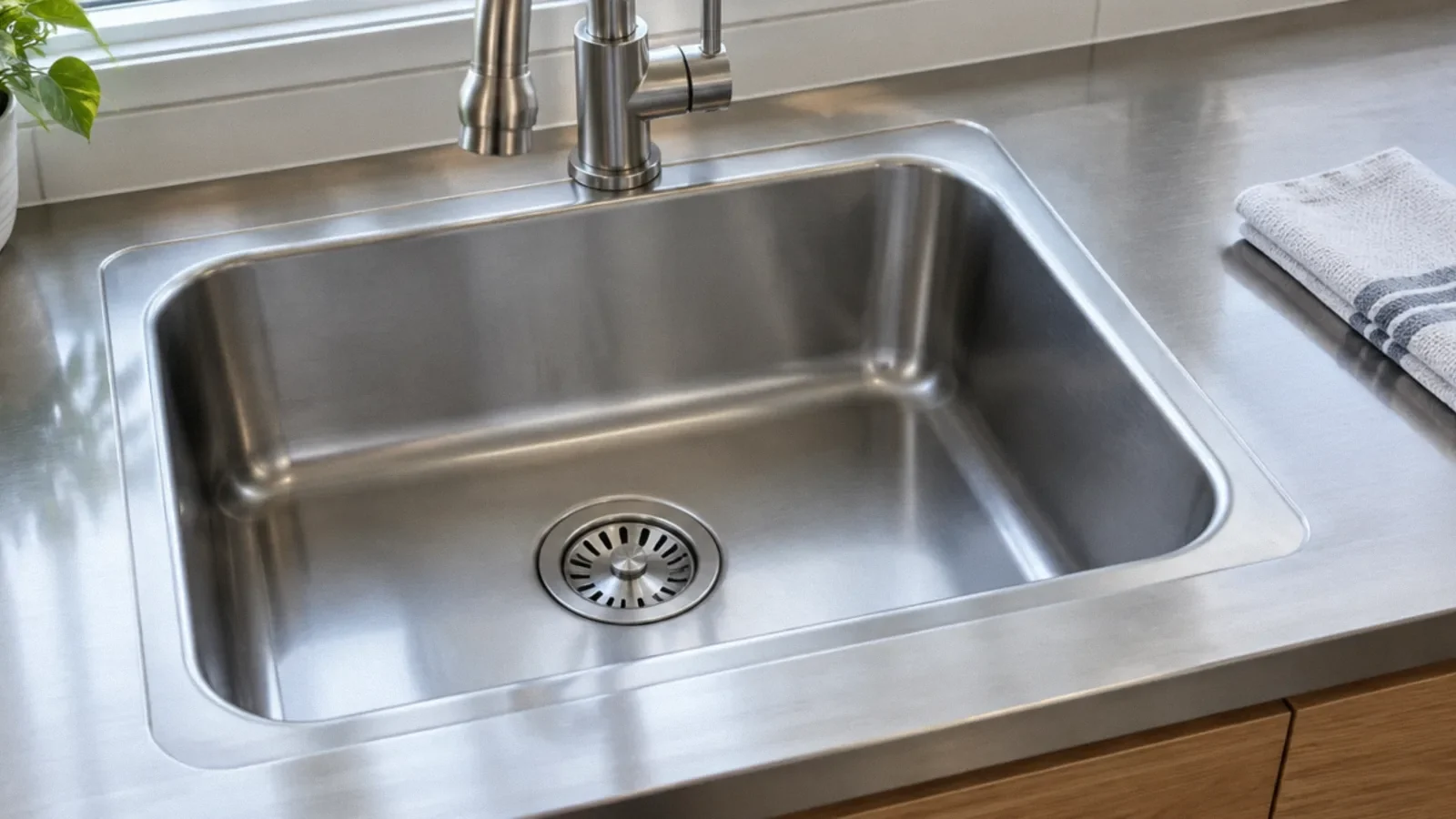
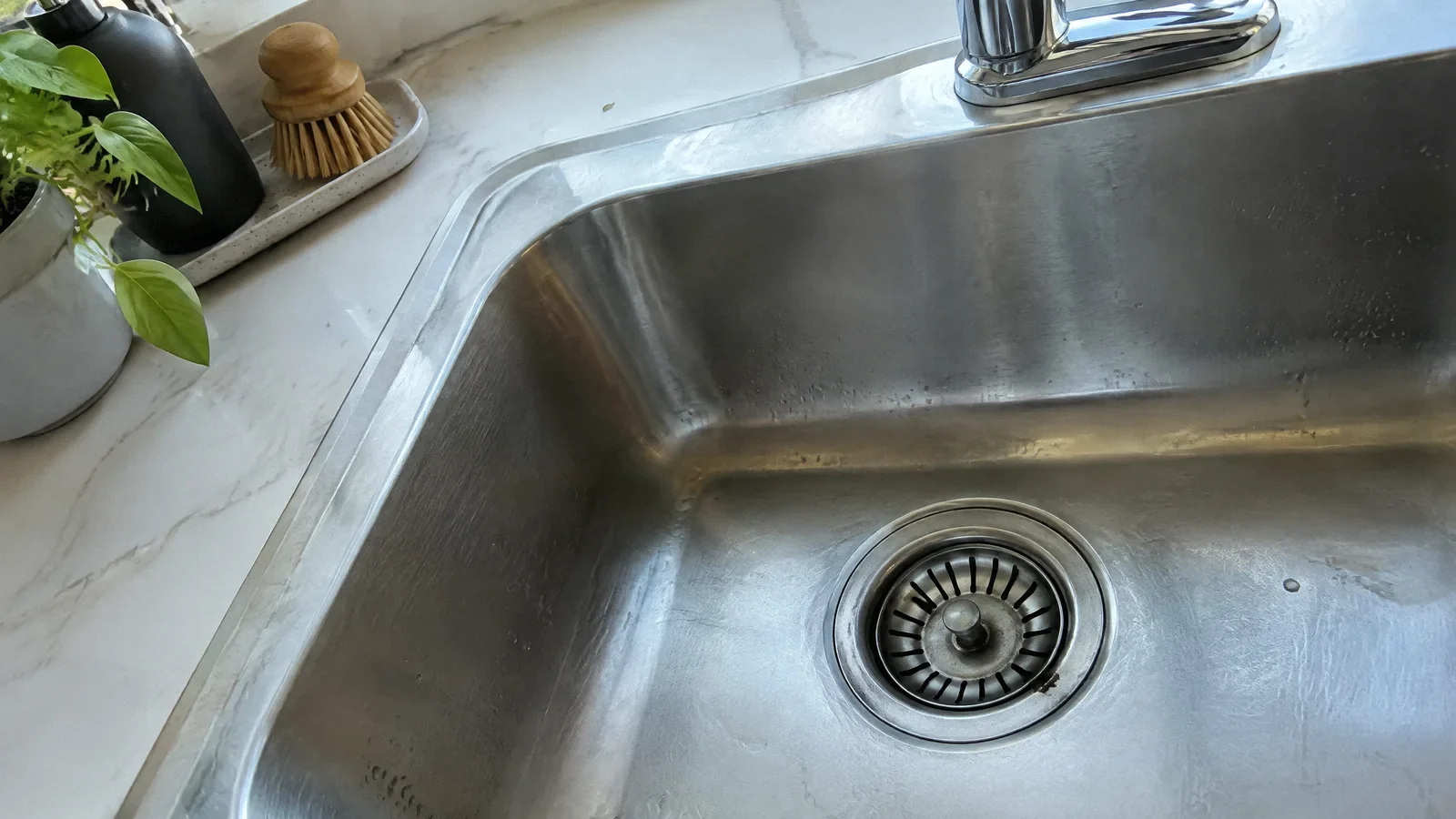
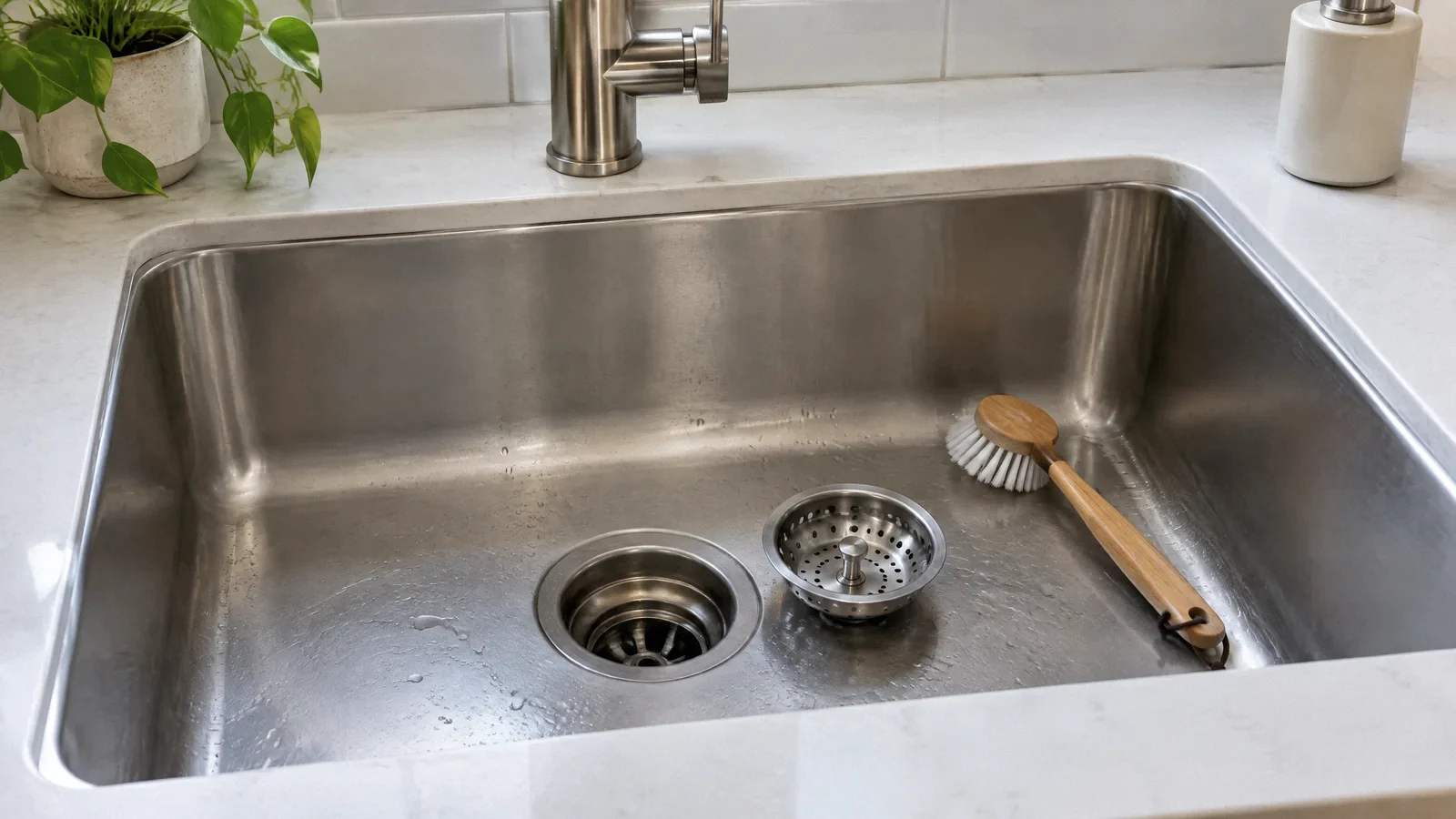
Remove an easily removable strainer or stopper according to the sink manufacturer’s directions. Put on household gloves, lift out trapped debris and discard it in the trash. Wash the accessible parts with dish detergent and warm water, using a brush reserved for this purpose. Rinse and reinstall them. Do not force a stopper that is attached under the sink.
Clean the sink basin and the accessible rim around the opening as well. Food residue can collect where it is not obvious and an odor may remain even though water drains normally. For an overflow opening, follow the fixture manufacturer’s cleaning instructions; do not push a stiff tool deep into an opening or introduce an unapproved chemical.
Consider a dry trap
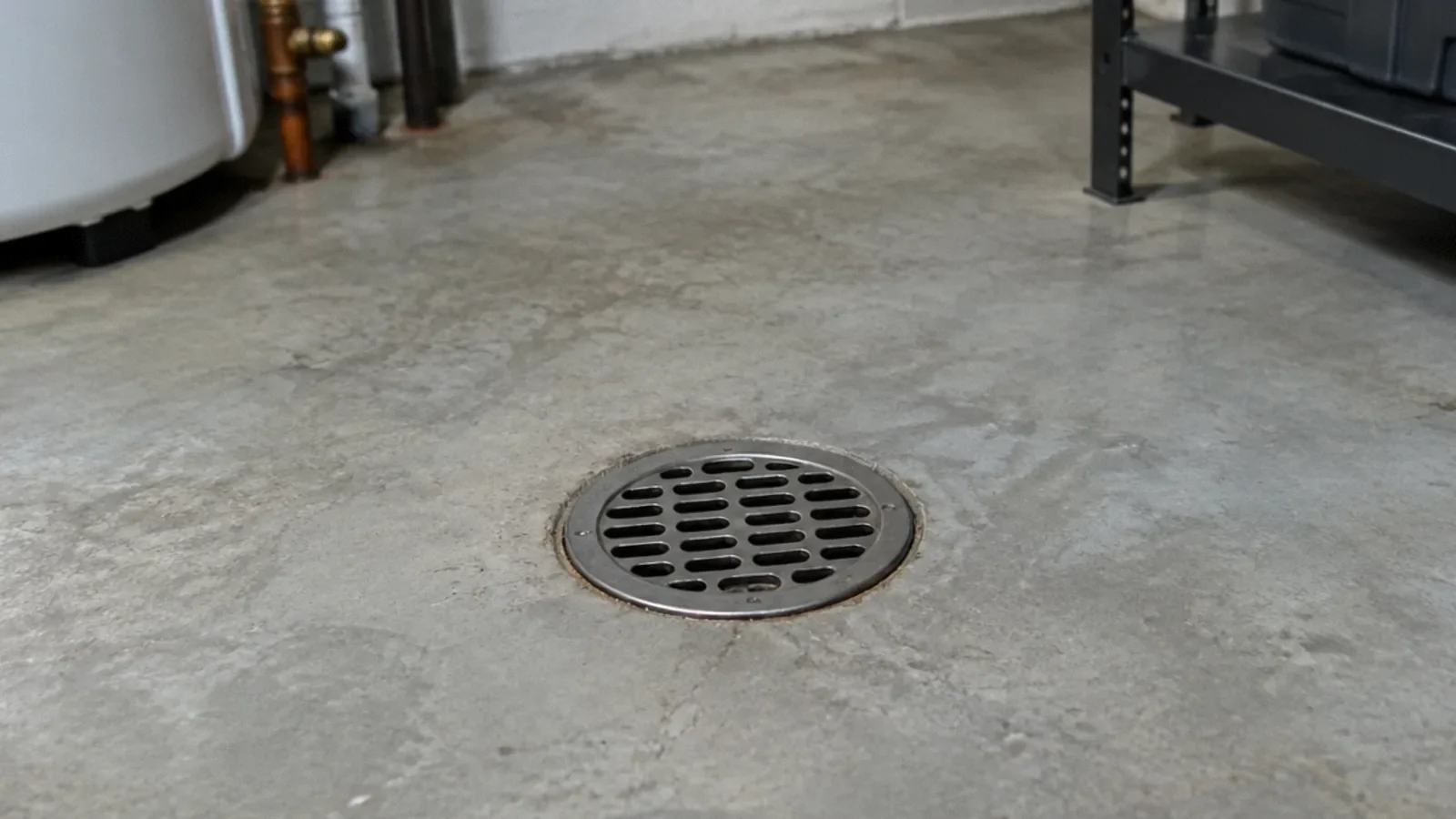
The curved trap beneath a sink retains water that helps block sewer gases. If a sink has not been used for a long time, the water can evaporate. Run water briefly into a functioning drain to refill the trap and note whether the odor improves. EPA identifies dry drain traps as one possible source of sewer gas odors.
A smell that quickly returns, water under the sink or gurgling in multiple fixtures may indicate a leak, venting or drainage problem. Do not assume a dry trap is the only explanation. Have a plumber inspect persistent sewer smells or a malfunctioning trap. If the drain is backing up, do not continue running water into it.
If the sink has a garbage disposal
With the unit off, clean the accessible sink opening and removable splash guard only as its manufacturer allows. Never put a hand into a disposal or rely on a wall switch alone to make it safe. If cleaning requires access beyond removable parts, follow the manufacturer’s instructions for disconnecting power or ask a qualified person.
Food residue on a splash guard can smell even when the drain is clear. Use a brush and detergent on a removable part where appropriate, rinse and reinstall it. Do not place a chemical drain opener into a disposal. If the unit leaks, jams or smells burned, stop using it and arrange service rather than reaching inside.
Choose cleaning products carefully
Start with physical removal of residue and the sink manufacturer’s recommended cleaner. Read the label and use the stated amount and contact time. More product does not necessarily remove a source deep in a drain and can damage finishes or make the next repair hazardous. Never mix bleach with ammonia, acids or other cleaners.
Avoid caustic drain openers, especially when a drain is slow or the plumbing is connected to a septic system. EPA advises avoiding chemical drain openers for clogged septic-system drains. If one has already been used, tell the plumber exactly what was poured in and when; do not add another product or plunge into a chemical-filled basin.
Know when to call a plumber
Seek help for sewage backing into the sink, repeated clogs, leaks under the cabinet, a persistent sewer-gas smell, gurgling across several fixtures or odors that return immediately after the trap is refilled. A plumber can inspect the trap, venting and drainage system and determine whether a shared line is involved. In an apartment, contact management because the source may serve more than one unit.
Keep children and pets away from a contaminated area. Do not open a wall or dismantle pressurized plumbing to trace a smell. If material under the sink has been repeatedly wet, it also needs inspection and drying after the plumbing issue is corrected. A fragrance may mask the odor while the cause remains.
Prevent the smell from returning
Clean the strainer and stopper regularly and place food scraps and grease in the trash rather than washing them down the sink. Follow disposal and local waste guidance. Use the sink periodically so its trap retains water, and check accessible cabinet surfaces for drips.
Recheck the smell after normal use and after the sink has sat unused. If the odor returns, note the timing and whether the cabinet is wet; this information helps a plumber distinguish a surface-cleaning issue from a plumbing defect. Maintain a simple record of recurring problems and repairs in a rental or shared property.
Your next-step checklist
- Note where and when the smell occurs.
- Clean removable accessible parts with detergent.
- Refill a dry trap by running water into a functioning drain.
- Avoid mixing cleaners or using caustic openers.
- Call a plumber for backups, leaks or persistent sewer odor.
Related questions
Why does an unused sink smell like sewer gas?
Water in its drain trap may have evaporated. Running water briefly can refill a functioning trap, but an odor that returns needs inspection.
Should I mix vinegar and bleach to clean a drain?
No. Never mix bleach with other cleaners, including acidic products. Follow product directions and use physical cleaning for accessible residue.
Sources & context
Public guidance supports the principles in this article. The practical questions and examples are editorial interpretation, not a site assessment or a coverage decision. State-specific rules apply only where identified.