Stop adding water if a sink is backing up. Remove accessible debris only when it is safe and no unknown chemicals are present. There is no single best drain cleaner for every clog; some products are corrosive, and a deeper blockage needs a different response. Never mix drain products, and tell a plumber what has already been used.
First determine what is happening
A slow bathroom sink may have hair or soap buildup close to the stopper, while a kitchen sink can collect food debris or grease. A clog farther down the branch line or in a shared sewer can look similar. The symptoms alone do not locate the blockage.
If several fixtures back up, wastewater rises into another drain or sewage is present, stop using affected plumbing and contact a plumber or the responsible utility. Keep children and pets away from contaminated water. Avoid touching electrical devices near standing water.
Inspect accessible parts safely
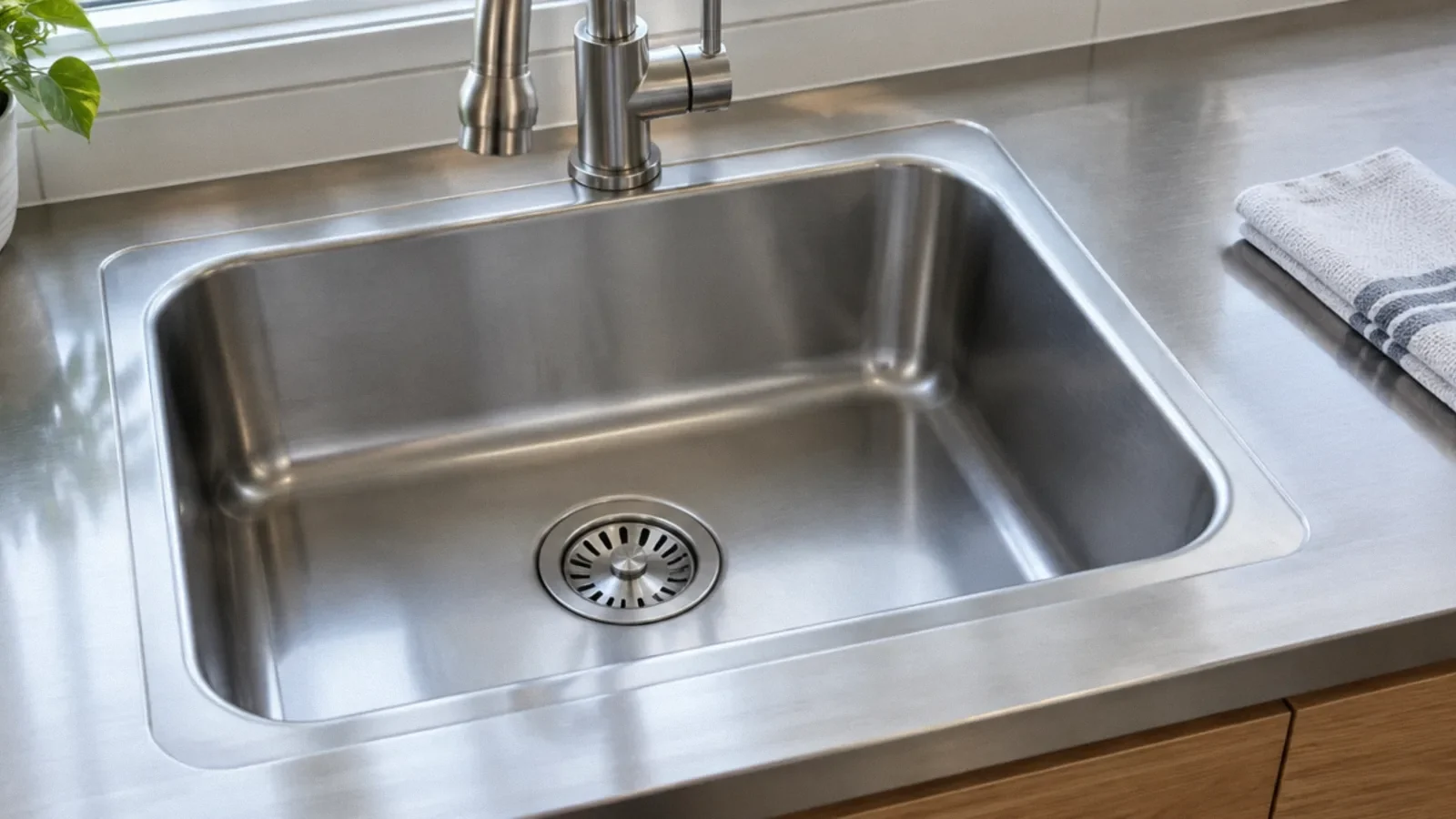
A removable sink strainer or stopper may collect debris that can be lifted out when the fixture is safe to handle. Follow the manufacturer’s instructions and do not force a corroded or sealed part. Use suitable gloves and avoid pushing material deeper into the drain.
Do not reach into a drain containing unknown water or cleaning product. If a chemical cleaner may remain, leave the area undisturbed and explain the situation to a plumber. Opening a connection or using a tool can release liquid unexpectedly.
Choosing a method for the blockage
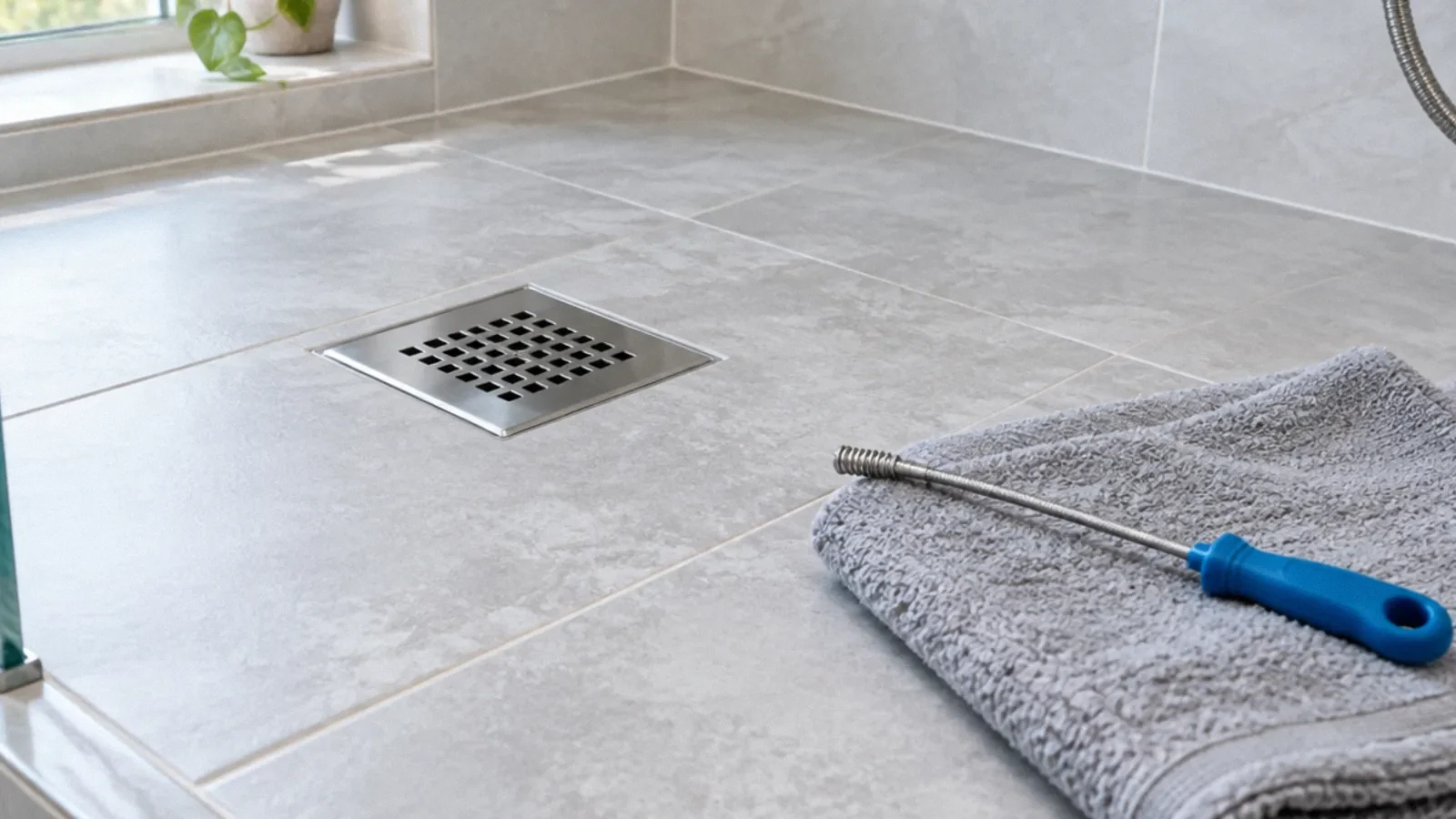
A small manual drain tool may remove hair near an accessible opening, while a plumber can choose equipment for a deeper obstruction. A plunger or snake can splash contaminated water and may damage a fixture if used incorrectly. Do not use either when corrosive cleaner could be present.
Ask a professional to identify the blockage and the condition of the pipe before high-pressure cleaning or invasive work. A cleaner cannot repair a broken pipe, displaced joint or sewer defect. If the same sink repeatedly clogs, keep the service history and investigate the reason.
Chemical drain cleaner risks
Some liquid drain openers contain concentrated corrosive acids or alkalis. Poison Control warns that splashes can cause serious burns, especially when a drain is fully blocked. A label such as “non-corrosive” should be read carefully; it is not a promise that every product is harmless or suitable for every pipe.
Never mix drain cleaners with each other, bleach or other household chemicals. Follow the exact label, keep the container away from children and pets, and tell a plumber the product name and time used. If there has been exposure, call Poison Control at 1-800-222-1222; call 911 for a severe or immediate emergency.
Baking soda and vinegar
A homemade combination of baking soda and vinegar bubbles because the ingredients react. Poison Control explains that the gas generally escapes from an open drain and the mixture is unlikely to dissolve a tough grease clog. It is not a reliable substitute for locating a blockage.
Do not add a homemade mixture after a commercial cleaner or combine it with other products. If a sink is fully blocked or the contents are unknown, leave the drain alone and seek professional advice. Avoid pouring boiling water into a fixture without confirming the material and manufacturer’s instructions.
Care for kitchen and bathroom sinks
Keep food scraps, hair and other unsuitable material out of drains using a properly fitting strainer where practical. Dispose of cooking grease appropriately instead of pouring it down a sink. Clean removable parts routinely according to the fixture instructions.
EPA advises septic system owners not to pour drain cleaners and other household chemicals into their systems. Product labels, local rules and the property’s plumbing arrangement matter. Routine prevention does not replace inspection of a recurring backup or damaged line.
When to call a plumber
Call for repeated clogs, a leak under the sink, multiple affected fixtures, suspected sewage or a blockage that cannot be reached without force. Ask how access, clearing, cleanup and any additional inspection are priced. Describe any chemical already placed in the drain before work begins.
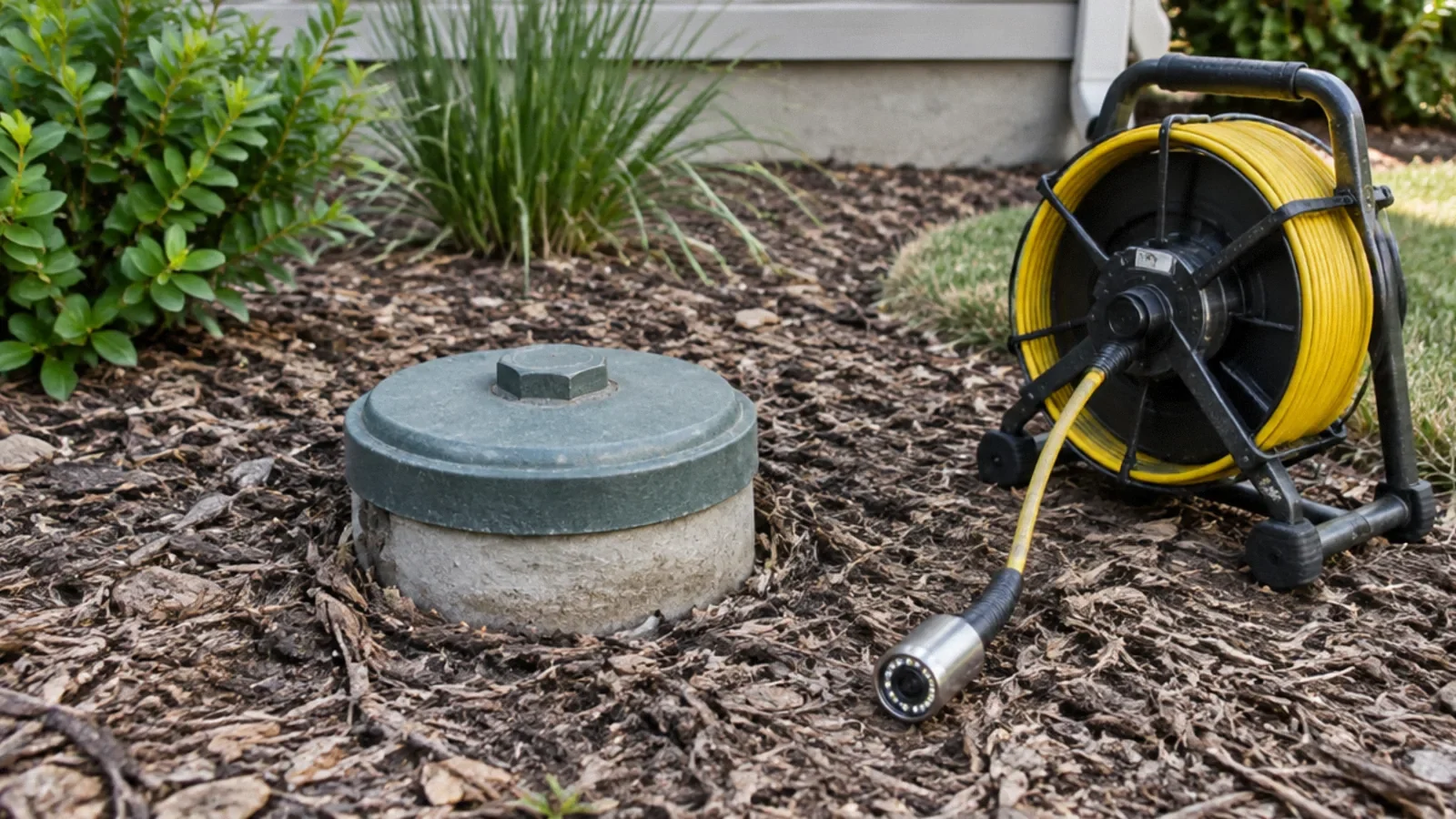
If the contractor recommends a camera or a major pipe repair, ask what has been observed and which sections remain unseen. A written scope should distinguish removing an obstruction from repairing the line. Seek an independent assessment for major work when circumstances allow.
After the sink drains again
Once the professional confirms the fixture is safe to use, check the accessible cabinet and connections for new moisture without touching nearby electrical equipment. A clearing visit may not include drying a cabinet or repairing an unrelated leak. Document damage and request separate assessment when needed.
Keep a record of recurring symptoms and the method used. A drain that flows today can clog again if an underlying defect remains. The useful choice is a method suited to the specific obstruction and pipe, not a promise that one product is best for every household.
Can oil or grease go down the sink with hot water?
No. Keep vegetable oil, cooking fat and grease out of the sink and garbage disposal. The EPA explains that grease can collect in sewer pipes and contribute to blockages and overflows; a disposal does not keep it out of the plumbing system. Hot water or detergent may carry grease farther down the line without solving the problem.
Let grease cool, collect it in a suitable container and follow local disposal or recycling rules. Scrape food residue into the appropriate waste collection before washing. If grease has already gone down and the drain backs up, avoid adding caustic chemicals and contact a plumber.
Choosing a drain clog remover
The right method depends on the fixture, material and cause of the blockage. For an accessible sink, removing and cleaning a stopper or using a suitable mechanical tool may be preferable to adding a chemical. A recurring or multi-fixture backup needs diagnosis rather than a stronger product.
If considering a labeled drain product, check its compatibility with the fixture, pipes and any septic system, and follow the directions and protective precautions. Never mix products. Avoid plunging after adding a corrosive chemical because it may splash; tell a plumber about any product already in the drain.
What is a P-trap?
A P-trap is the curved section of drain piping commonly found beneath a sink. It retains a water seal that helps prevent sewer gases from entering the room while allowing wastewater to flow away. The visible configuration and materials vary by fixture and installation.
A trap may hold debris, but opening it can release wastewater and any cleaner already in the line. Do not loosen it if corrosive chemicals were used, the connections are fragile or the area is unsafe. A dry trap can also be one possible cause of an odor; a plumber can check persistent smells and venting.
Match cleaning to the fixture and obstruction
A bathroom stopper often collects hair and soap residue; a kitchen strainer may collect food particles. Follow the fixture instructions for removable parts, and stop if a connection is stuck. A slow sink may have a deeper cause, so surface cleaning does not prove the rest of the line is clear.
If the question is a blocked kitchen sink, a persistent drain odor or a lost item, see the related guides. Stop running water when an item has fallen in. If a cleaner is present, tell the plumber before any drain is opened or tool used.
Your next-step checklist
- Stop running water into a backed-up sink.
- Keep away from unknown chemicals and sewage.
- Remove only safely accessible debris.
- Never mix drain products or use tools in corrosive liquid.
- Call a plumber for recurring or shared-line problems.
Related questions
What is the best drain cleaner for a sink?
There is no single product for every clog. Consider the obstruction, fixture, pipe and safety; a plumber can choose an appropriate method.
Do baking soda and vinegar clear every clog?
No. Poison Control notes that the mixture is unlikely to remove tough grease clogs and the gas generally escapes through the drain.
Can I use a plunger after pouring drain cleaner?
Avoid using a plunger or snake when corrosive cleaner may remain because liquid can splash. Tell the plumber which product was used.
What if several drains back up together?
Stop using affected fixtures and contact a plumber or the responsible utility; a shared line may be involved.
Sources & context
Public guidance supports the principles in this article. The practical questions and examples are editorial interpretation, not a site assessment or a coverage decision. State-specific rules apply only where identified.
- Poison Control: Drain cleaner hazardspoison safety guidance
- U.S. EPA: Frequent questions on septic systemsfederal guidance
- U.S. EPA: Cleaning products and indoor airfederal guidance
- U.S. EPA: Fats, oils and grease in sewersfederal guidance
- Poison Control: Drain cleaner hazardspoison safety guidance
- U.S. EPA: Sewer gas barriers and drain trapsfederal building guidance