Neither brand is best for every clog. Compare the exact formula and its label with the fixture and obstruction. Never mix drain products, and tell a plumber what is in the drain before any tool or pipe is opened.
There is no universal winning brand
Neither Liquid-Plumr nor Drano is automatically better for every clog. Each brand sells different products for different uses, and a slow drain can have causes that a chemical gel will not correct. Compare the precise product, the drain and pipe materials, its directions and warnings, and the type of obstruction. The examples below are Drano Max Gel Clog Remover and Liquid-Plumr Pro-Strength Clog Destroyer Gel with PipeGuard, as described on the manufacturers’ U.S. product information. Formulas and packaging can change; the label on the bottle in your hand controls its use.
What the two examples claim
Drano describes Max Gel as a thick product for clogged or slow drains and provides a specific application and flush sequence on its product page. Liquid-Plumr describes its Pro-Strength Clog Destroyer as a thick gel intended to work through standing water; its identified 80-ounce PipeGuard product has a separate SmartLabel with directions. These are manufacturer descriptions, not an independent head-to-head test. Neither establishes which will clear your particular obstruction faster or more completely. Compare the exact size, use directions and warnings rather than inferring performance from a brand name or a different formula.
Compare directions on the actual label
Drano’s Max Gel page states 16 ounces for a clogged or slow drain, a 15-minute wait or 30 minutes for tough problems, then a hot, not boiling, water flush. The Liquid-Plumr 80-ounce PipeGuard SmartLabel similarly specifies 16 ounces and a 15-minute wait for a slow drain and a hot-water flush. These numbers are examples for the named products, not instructions for every bottle from either brand. Read all directions and precautions on the current package, including how to respond if water does not drain. Do not estimate a dose or extend a wait based on another product.
Identify the fixture and obstruction
A slow bathroom sink may have hair near its stopper, while a kitchen drain can contain food or grease; several backed-up fixtures may indicate a deeper or shared problem. Neither label can diagnose the cause from a symptom. Check whether the exact product permits use in the fixture, pipe material and any septic system. Drano specifically says not to use Max Gel in toilets. Do not transfer that instruction to every product under either brand; read the selected label. A foreign object, damaged pipe or tree root requires a different assessment from dissolvable residue.
Consider a mechanical option first
If no chemical has been used and the fixture instructions permit it, an accessible stopper or strainer can sometimes be removed and cleaned. A qualified plumber can select a tool for an obstruction farther down the line. Do not force a stuck fitting, and keep children and pets away from wastewater. A plunger or drain tool can splash liquid; once a chemical may be present, do not plunge, snake, open the trap or add another substance. Let a professional assess the situation and warn them about the product before they begin.
Never mix drain products
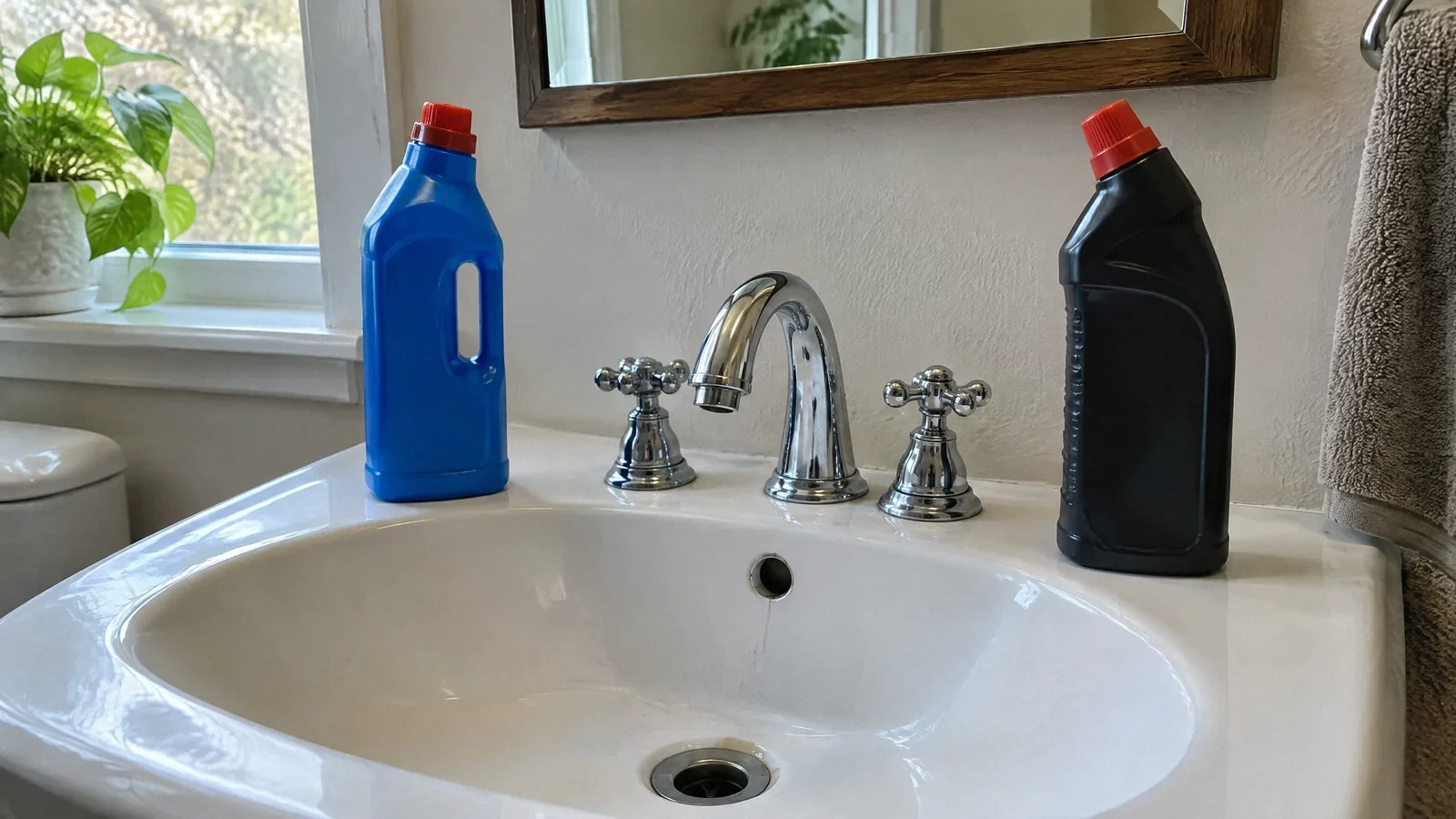
Do not use Liquid-Plumr after Drano, or the reverse, simply because the first attempt did not work. Do not add bleach, vinegar, another cleaner or a homemade mixture to a drain containing an unknown product. Drano warns that mixing Max Gel with other chemicals can produce hazardous fumes or a violent reaction. Poison Control warns that caustic drain cleaners can cause serious burns. Even if a label allows a repeat of the same product under specified conditions, follow only that label and stop if the situation is unclear. A blocked drain can retain liquid that later splashes.
Protect people and communicate
Keep the bottle in its original container and follow the label’s protective equipment, handling and storage instructions. Open and pour carefully without squeezing or splashing, and keep hands and face away from the drain. If a product contacts skin or eyes or is swallowed, follow the label’s first-aid directions and contact poison control promptly; seek emergency help for severe symptoms. If a plumber is called, provide the exact product, amount if known and time applied. Do not conceal a chemical treatment because it affects the safety of opening or clearing the line.
When neither product is the right choice
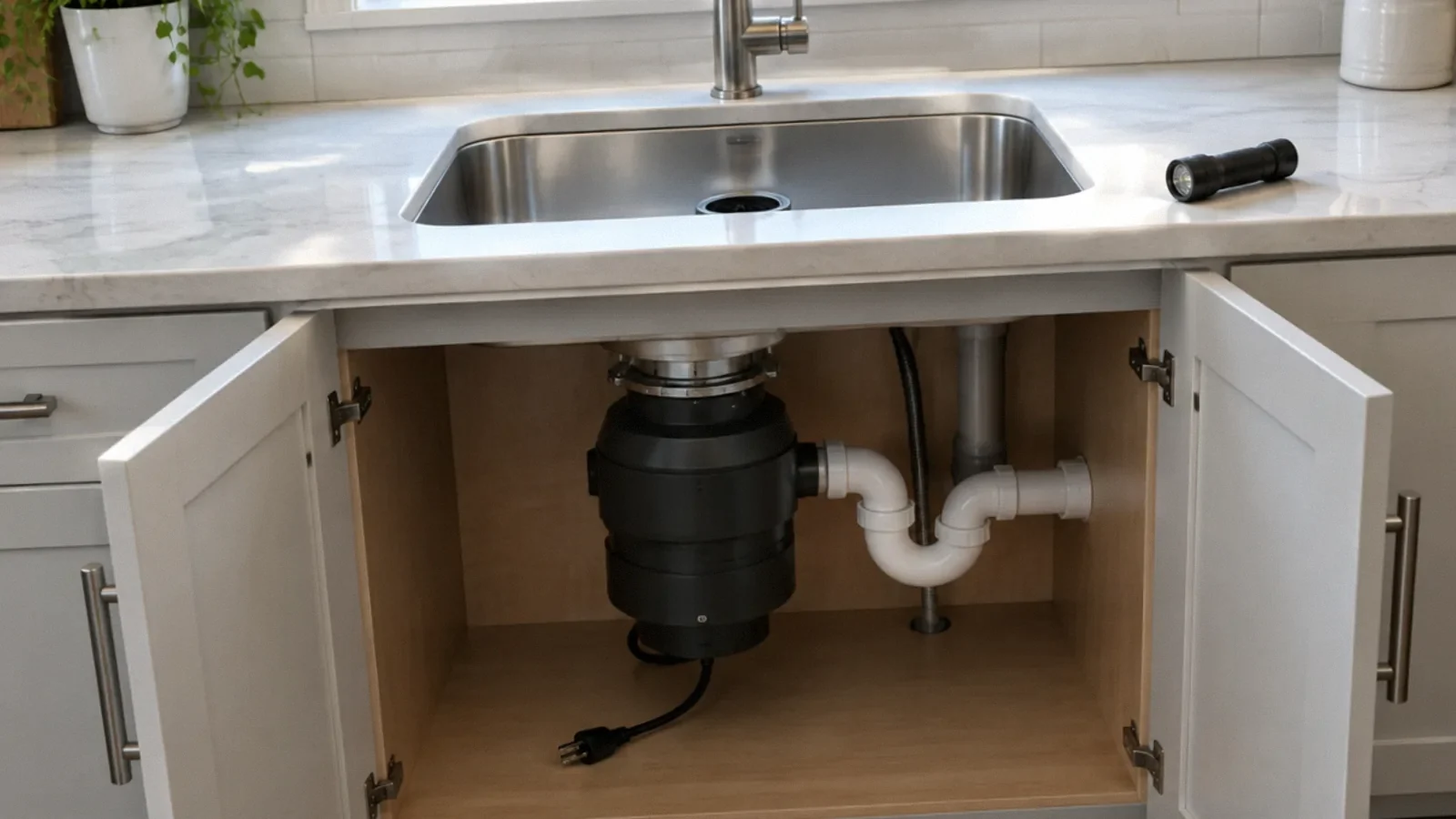
Repeated blockages, water backing up in more than one fixture, sewage, a leak under the sink or a suspected foreign object warrant professional diagnosis. A chemical cannot repair a broken pipe or determine where a blockage lies. Stop using affected fixtures and avoid standing wastewater or nearby electrical equipment. If a disposal drain remains clogged after Drano Max Gel, the manufacturer says not to turn on the disposal because product may splash back; consult a plumber. The appropriate response to another product depends on its label and the actual circumstances.
Choose based on the job and follow up
If a chemical product is appropriate, choose the exact formulation whose label permits the fixture and situation, then follow that label completely. Availability, package size and cost may influence the purchase, but a lower price does not establish effectiveness or safety. After the drain is safely flowing, watch for recurring slow drainage or leaks and keep a record of the treatment. A recurring problem may need inspection rather than repeated chemical use. The broader sink-drain guide covers mechanical cleaning, grease prevention and when to call a plumber.
Your next-step checklist
- Identify the exact product and fixture.
- Read the current bottle label and precautions.
- Never mix products or add a second cleaner.
- Do not plunge or open a drain containing chemical cleaner.
- Tell a plumber the product and time used.
Related questions
Is one brand always stronger?
No independent comparison here establishes a universal winner. Formulas and clogs differ; compare the specific product and intended use.
Can I use one after the other?
Do not mix drain products or add a second cleaner to a drain containing an unknown chemical. Contact a professional and disclose the first treatment.
Can Drano Max Gel be used in a toilet?
The manufacturer says not to use Drano Max Gel in toilets. Check the exact product label for any other formula.
Can a drain cleaner repair a broken pipe?
No. A broken pipe, foreign object or recurring backup requires diagnosis and potentially a different repair.
Sources & context
Public guidance supports the principles in this article. The practical questions and examples are editorial interpretation, not a site assessment or a coverage decision. State-specific rules apply only where identified.