Identify the symptom and compare hot and cold flow at the affected faucet with another fixture. An aerator, internal part or supply issue may be involved. Stop an active leak safely and use model-specific repair guidance.
Start with the symptom
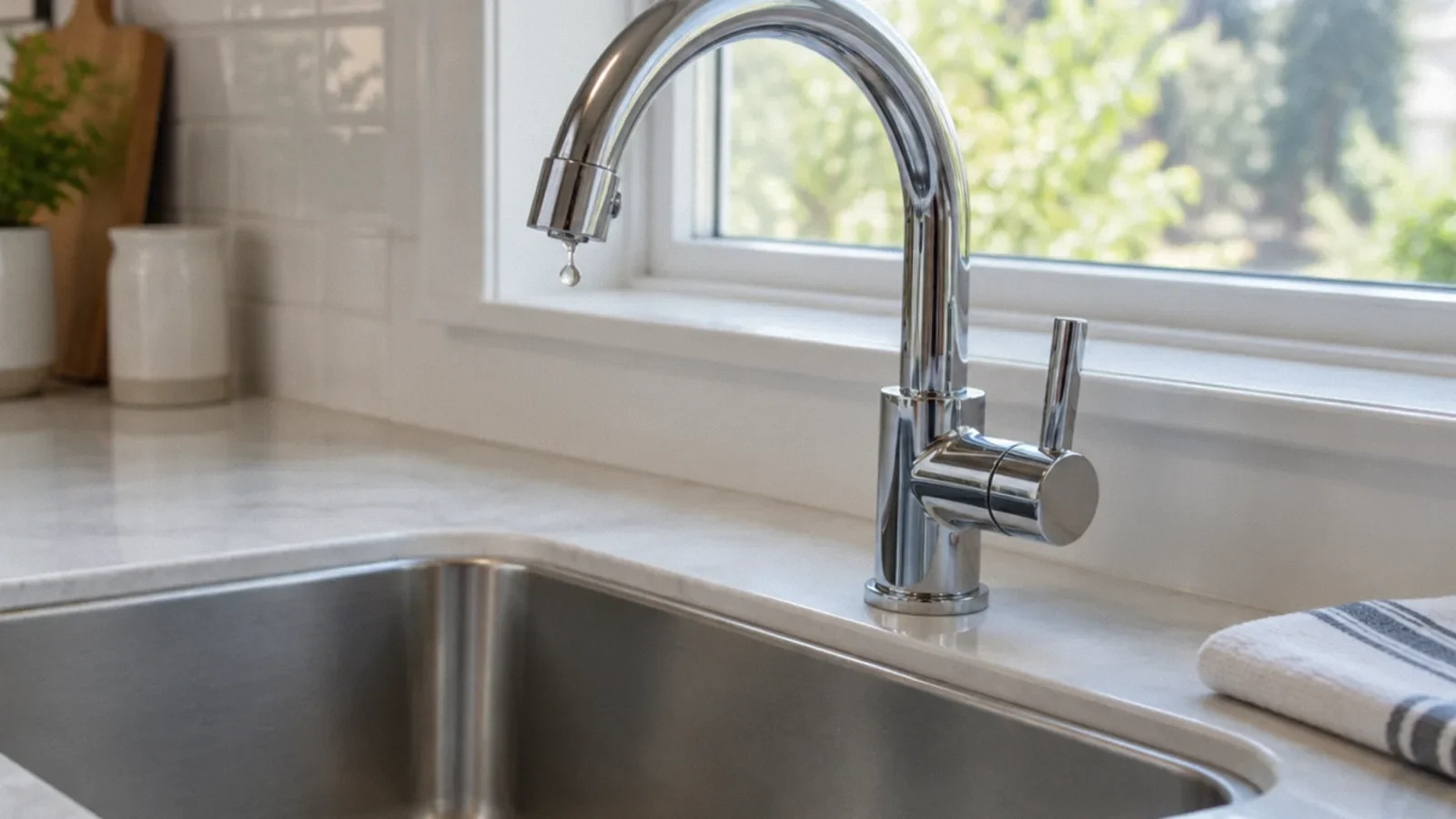
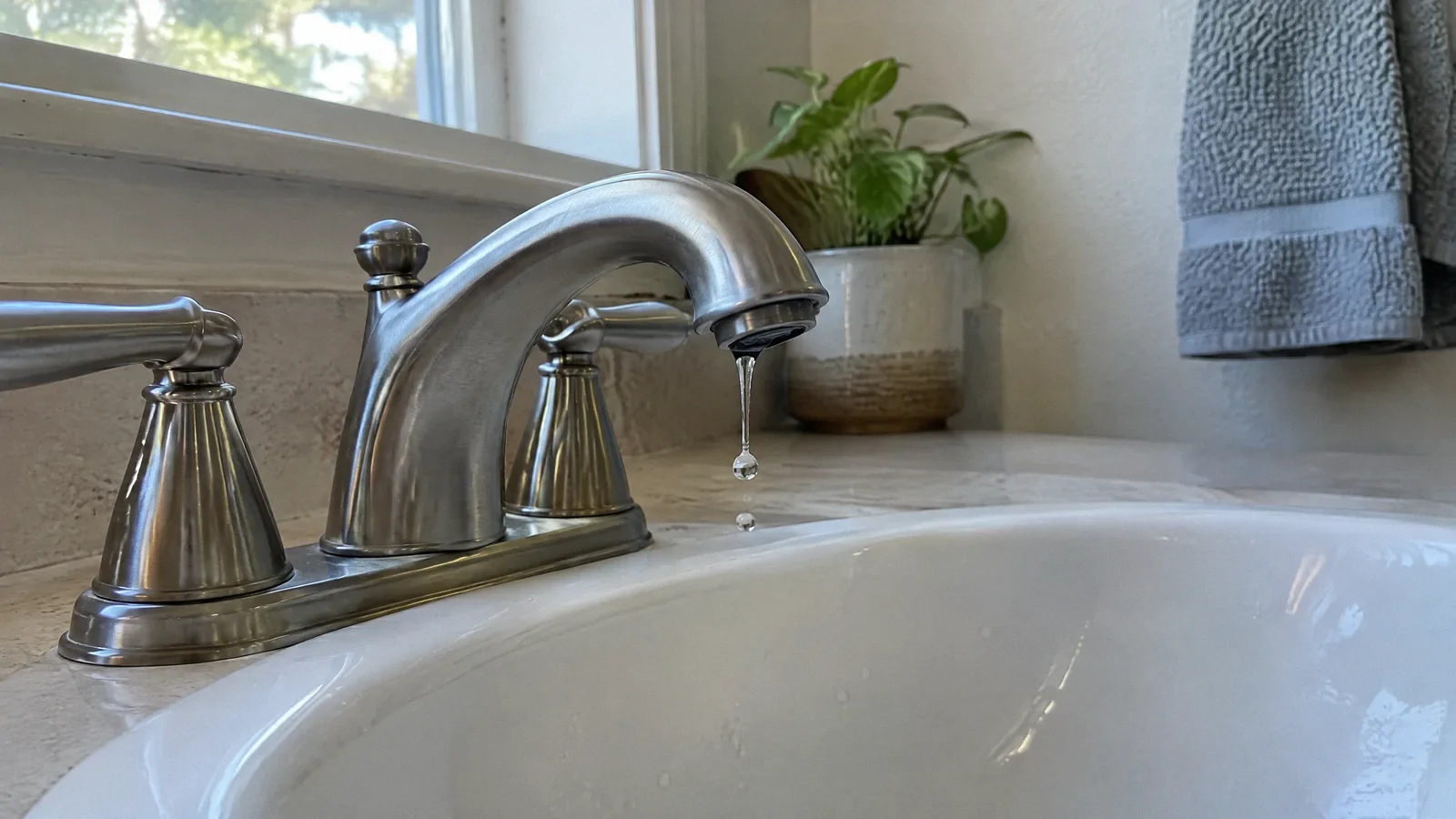
A faucet can drip from the spout, leak around the handle or base, deliver weak flow, spray unevenly or make noise. These symptoms have different possible causes. Before taking anything apart, observe when and where the problem appears. A few drops remaining immediately after shutoff may be water draining from a spout, while continuing dripping warrants inspection. Water appearing under a sink can travel along a hose or fitting, so a wet cabinet does not prove the faucet itself is the source. Photograph the area and protect belongings without reaching across wet electrical equipment.
Compare one fixture with the rest
If flow is weak at one faucet, compare it with another nearby fixture and test hot and cold separately. A restriction at one spout may point toward its aerator, cartridge, supply or spray head. A change at several fixtures can indicate a broader supply or plumbing issue. Hot water alone being affected suggests a different investigation from both hot and cold being affected, but neither observation identifies the cause on its own. Ask neighbors or building management about known supply work where appropriate. Sudden loss of water, discolored water or a suspected leak may justify a call to the utility or plumber.
Low or uneven flow
Debris or mineral buildup can collect in an aerator, the small fitting at the tip of many faucets. Moen notes that buildup may restrict flow or distort the spray pattern. Identify the faucet model and follow its instructions to remove and rinse a serviceable aerator; some require a supplied key. Do not force a stuck or concealed part or use a tool that can scratch the finish. If the issue remains, a cartridge, diverter, spray head or supply restriction may also be involved. The proper diagnostic sequence depends on the model. A plumber can assess parts and supply pressure.
Dripping from the spout
A continuing drip may involve worn or fouled internal components, but the correct part depends on the faucet design. Single-handle and two-handle units do not all use the same cartridge, seat or washer. Find the manufacturer and model before purchasing parts. If repair requires disassembly, shut off the hot and cold supplies at identified accessible valves and confirm the water is off; do not force a seized valve. Manufacturer instructions should govern the repair. If shutoffs do not work or the fixture is corroded, arrange professional help rather than continuing with water still under pressure.
Leaks at the handle, base or below
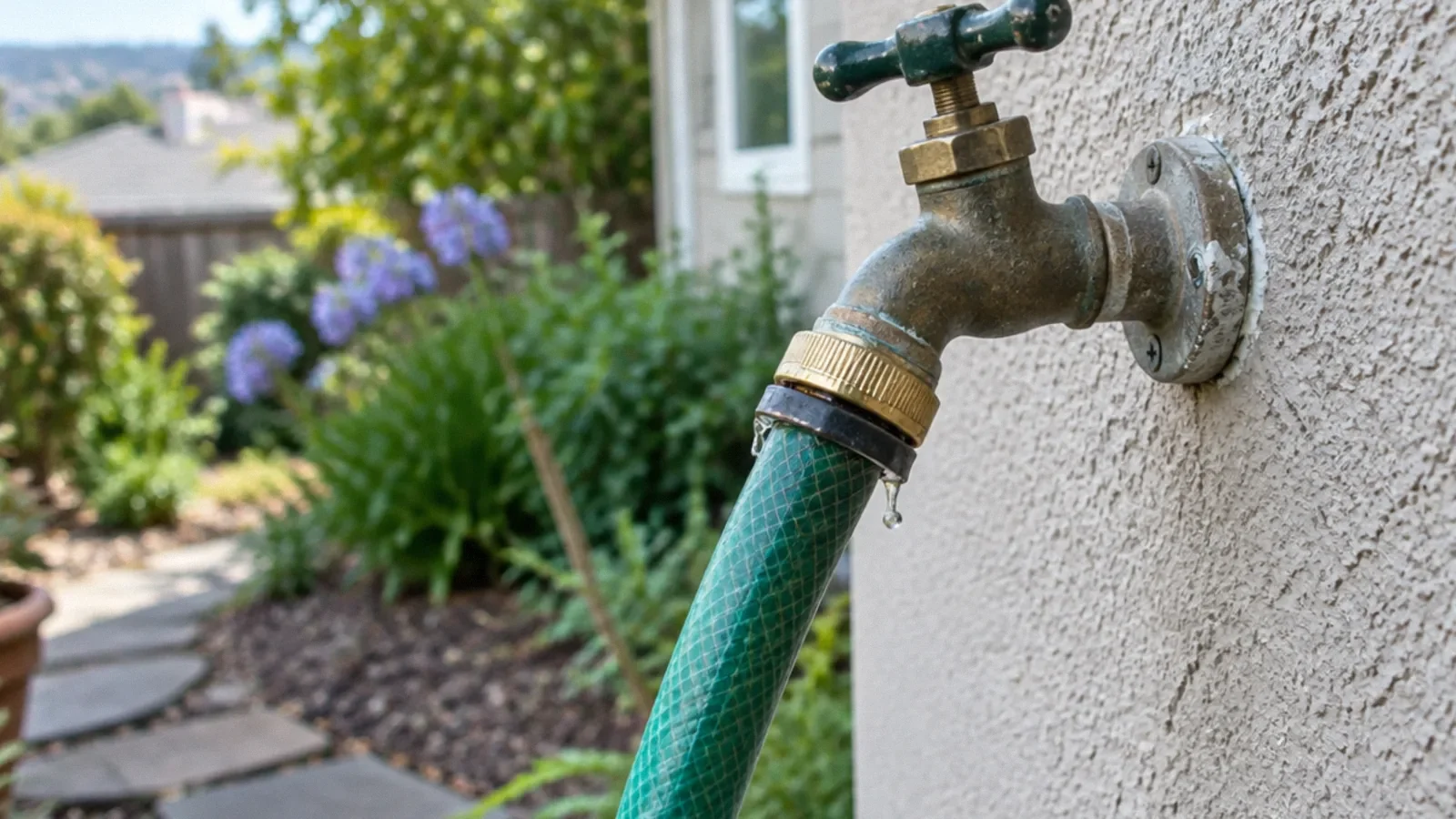
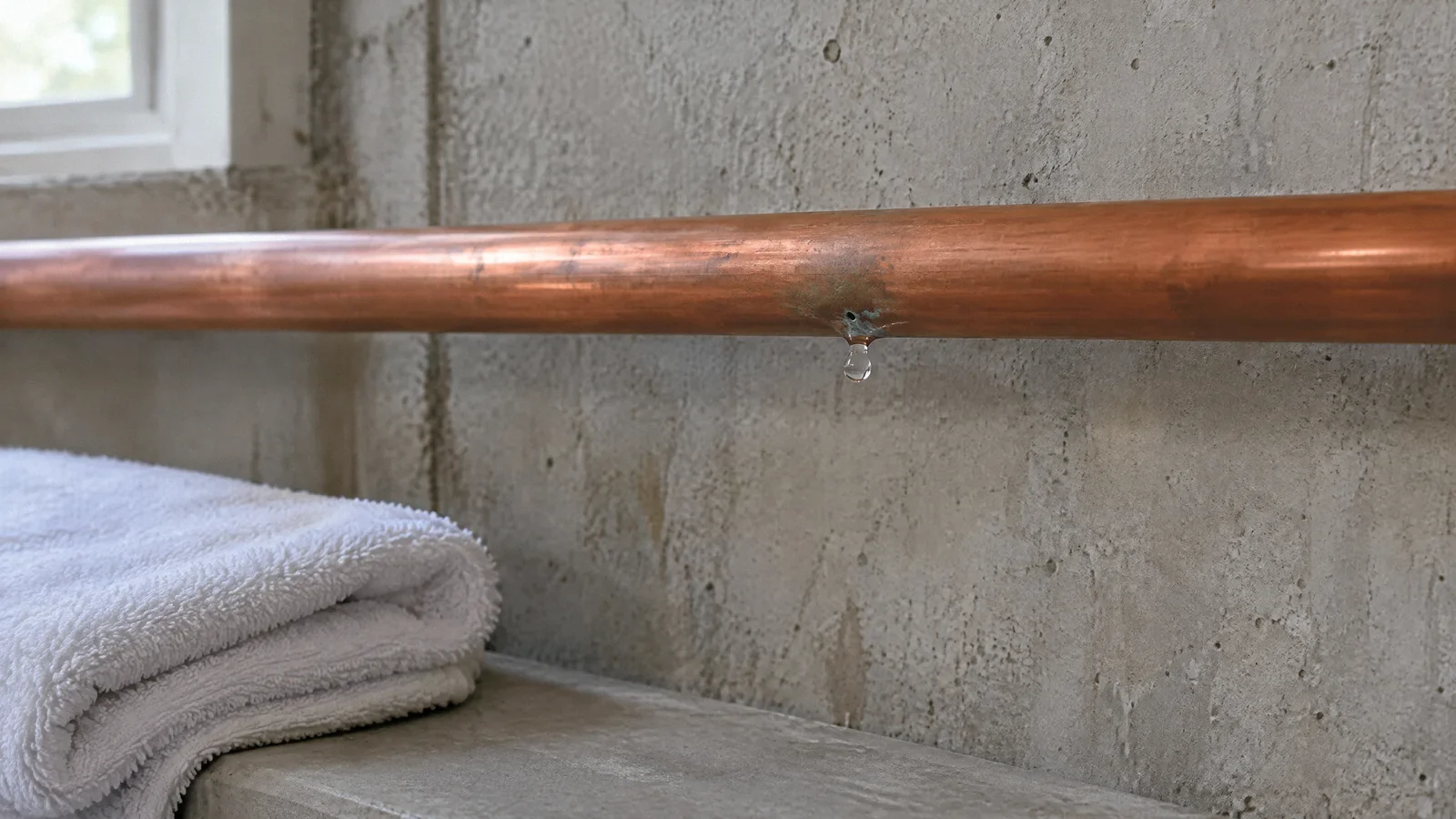
Dry the area with a cloth, then observe whether water appears only during operation or also while the faucet is off. A leak at a handle, a loose connection, a damaged hose and water splashed onto the deck can leave similar wet marks. Water under the cabinet can damage the floor and contents even if the faucet appears to work. If the leak continues, stop using the fixture and shut off the appropriate water only if the valve is safely accessible. Keep clear of electrical devices and wet outlets. Arrange repair and assess the cabinet and flooring for moisture.
Stiff handles, temperature and noises
A stiff handle can reflect a worn part or deposits, but forcing it can break the handle or valve. Follow model-specific service guidance. If the temperature changes unexpectedly, check whether the issue occurs at other fixtures and whether other water is being used at the same time; record the pattern for a professional. Do not adjust a shower temperature limit or water-heater setting without understanding the instructions and scald risk. A squeal, hammer or vibration can originate in the fixture or elsewhere in the plumbing. Persistent noise, movement or banging deserves an inspection rather than repeated tightening of accessible fittings.
When to call a professional
Call promptly for an uncontrolled leak, water near electricity, a damaged supply line or a shutoff that cannot be operated safely. Contact the building manager for shared plumbing and a licensed plumber where appropriate. For broader pressure changes, a utility or building manager may have information about supply interruptions, but a faucet symptom does not prove a utility problem. Provide the model, when the issue began, whether hot or cold is affected, and photographs of accessible areas. Ask what repair is proposed and whether affected cabinetry or finishes need separate drying.
Repair or replace?
A compatible aerator or cartridge may restore a serviceable faucet, but replacement may be sensible if the body is damaged, parts are unavailable or several components have failed. Compare the repair scope with the cost and compatibility of a new fixture, including sink holes, supply connections and access. EPA recommends WaterSense-labeled bathroom faucets and accessories when replacement is appropriate. A new faucet will not correct a leaking supply pipe or water damage under the cabinet. Check the surrounding plumbing and dry affected materials before considering the work finished.
After the work
Restore water as directed, operate hot and cold water and look at accessible connections under normal use. Wipe the cabinet dry first so a new drip is easier to see. Recheck after the fixture has been used and ask who will address any remaining leak. Keep the model number and parts information for future maintenance. If moisture entered a wall or floor, a dry surface alone does not establish that the assembly underneath has dried. The separate guide to leaking pipes covers shutoff, repair and drying when the problem extends beyond the faucet.
Your next-step checklist
- Record where and when the symptom appears.
- Compare hot and cold flow and another fixture.
- Check the model instructions before removing parts.
- Stop using a leaking fixture and avoid wet electrical equipment.
- Inspect connections after repair.
Related questions
Why is one faucet weak but the others work?
A local restriction such as an aerator, spray head or cartridge is possible, but the specific cause requires inspection.
Does a drip always mean the whole faucet must be replaced?
No. A compatible internal part may be repairable; the correct solution depends on the model and condition.
Should I force a stuck shutoff valve?
No. A seized valve can fail. Contact a qualified plumber if the water cannot be shut off safely.
Why is the cabinet wet under the sink?
A supply line, drain, faucet connection or splashed water could be responsible. Observe the pattern safely and arrange inspection.
Sources & context
Public guidance supports the principles in this article. The practical questions and examples are editorial interpretation, not a site assessment or a coverage decision. State-specific rules apply only where identified.