A qualified septic contractor or plumber should locate the failed pipe and determine whether cleaning, a localized repair or replacement is appropriate. Reduce water use and keep away from sewage and excavations while the cause is investigated.
Identify which line has failed
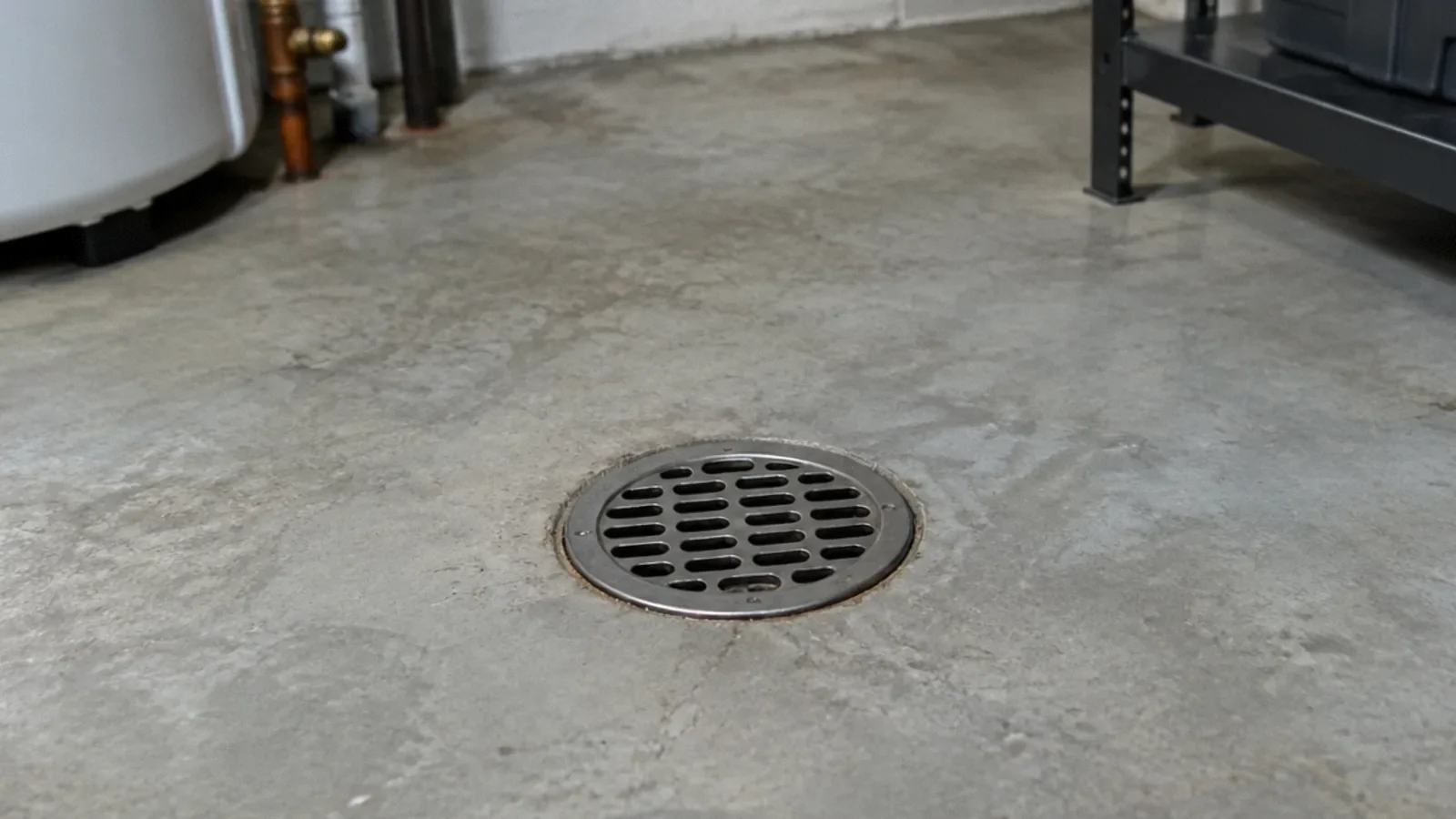
A septic system can include a building sewer from the house to the tank, a pipe from the tank toward a distribution box or drainfield, and in some systems a pressurized pump line. Their functions and repair requirements differ. Slow fixtures, a sewage odor, a wet patch or an alarm may indicate a restriction, leak or another system problem; none identifies a particular broken pipe by itself. Keep a record of where and when symptoms occur and whether rain or water use changes them. A camera inspection may locate a blockage or break in a suitable solid pipe, while the contractor may also inspect tank levels and the drainfield. A high tank can be a consequence of a downstream problem, not proof that the pipe from the house needs replacement.
Compare repair options with the contractor
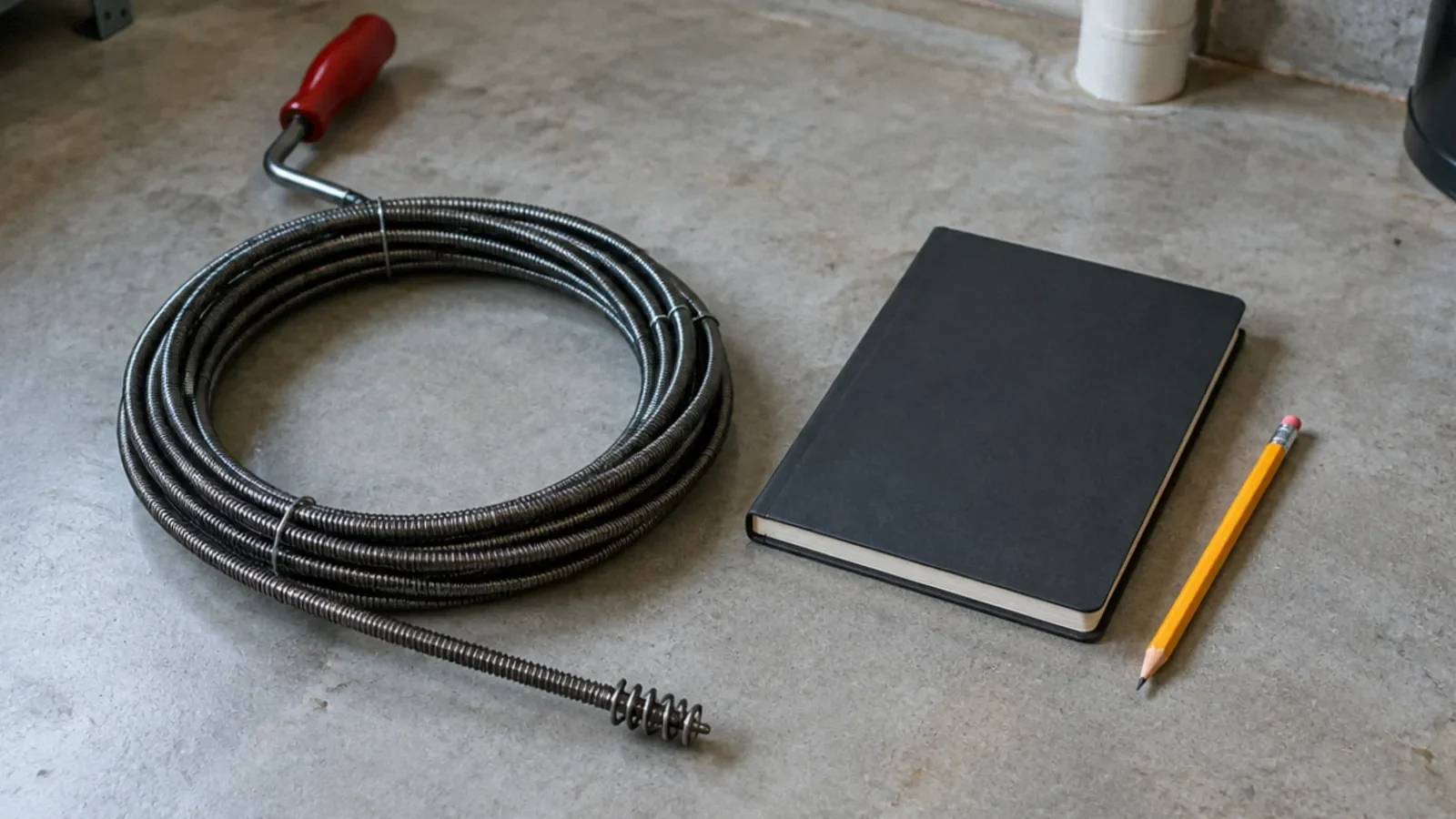
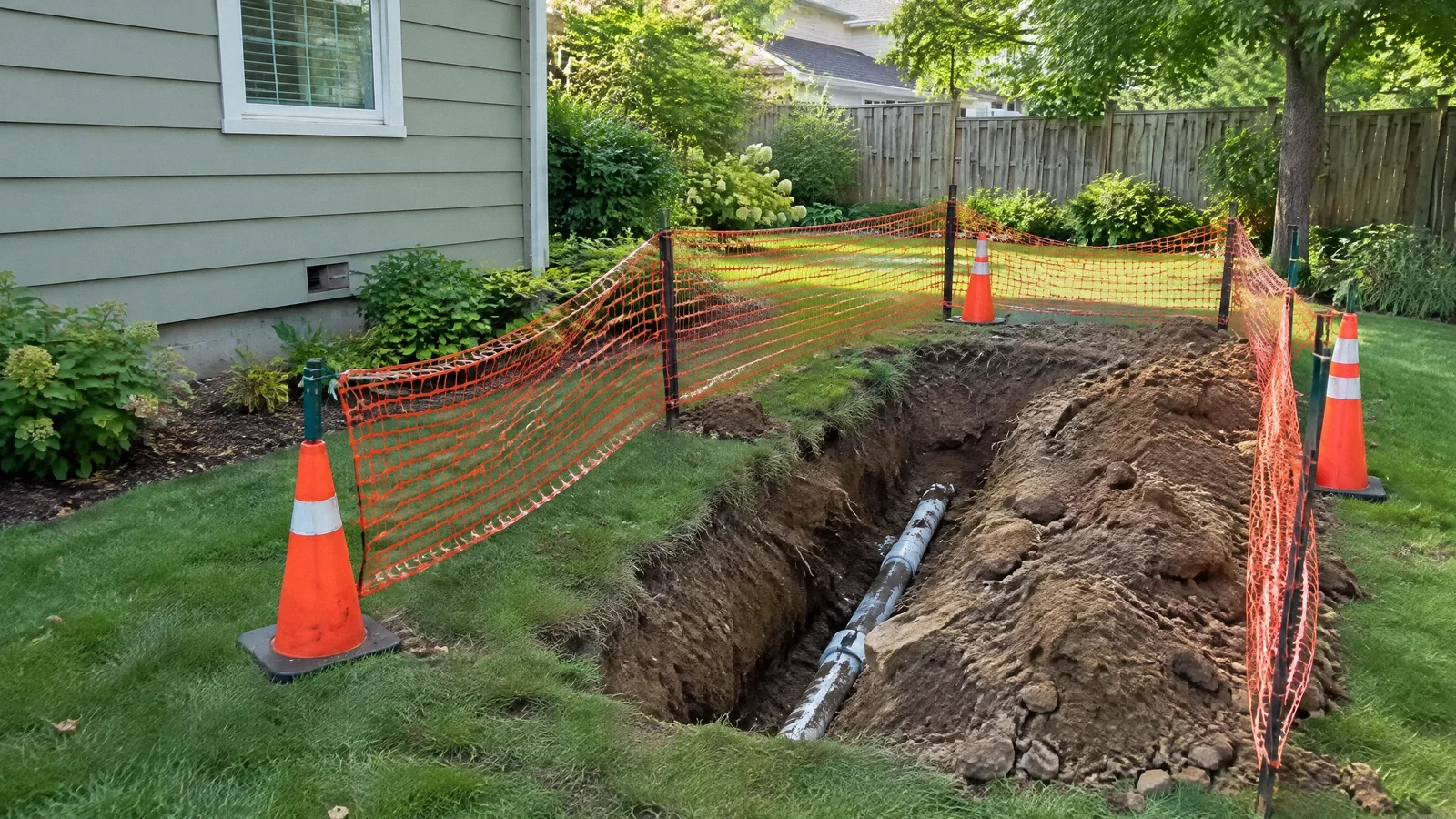
The professional may clear an accessible obstruction, repair a damaged section, or replace a longer run if its condition or alignment makes a spot repair unreliable. Roots, a settled joint, collapse, crushed pipe and poor slope require different responses. Ask for the observed location, the evidence for the diagnosis, the proposed pipe material and connection, and how the repair will be tested before the trench is filled. Excavation can damage buried utilities and create a collapse hazard. The contractor should arrange required utility locating and permits and keep people away from open trenches. Do not enter an excavation or septic tank. A drainfield problem may require a separate evaluation and cannot be solved merely by clearing the house line.
Restore service and prevent another failure
Reduce nonessential water use until the professional confirms the system can accept normal flow. If sewage has entered the home, arrange appropriate cleanup and drying separately from the pipe repair. Before accepting the work, ask for an explanation of the test performed, inspection or permit documentation when required, and a sketch or record of the repaired location. Keep vehicles, heavy equipment and building work away from the drainfield unless a qualified designer approves the plan. Divert roof and surface drainage away from the field and spread laundry loads to avoid surges. Have the system inspected and pumped as recommended for its size, use and local requirements; a fixed calendar alone cannot establish the right pumping interval. Record future symptoms promptly rather than treating every slow fixture as proof of the same failure.
Questions to ask about the proposed work: Request the location and approximate length of the affected run, whether the line is gravity or pressurized, and the reason a repair method fits its condition. Ask whether a camera found a specific defect and whether there are areas the camera could not inspect. A written scope should identify excavation and restoration responsibilities, the proposed test before backfill, and any permits or inspection requirements. The appropriate authority depends on local rules and the type of work. If the contractor recommends replacing a line, ask what condition makes a local repair insufficient.
Questions to ask about the proposed work: Before digging, the contractor should arrange utility marking and identify the system layout as far as records and inspection allow. Do not park on the drainfield while equipment is on site. Ask how soil and landscaping will be restored and where cleanouts or access points will be left. After work, retain the invoice, location sketch and test information with your septic records. An initial return to service should follow the provider’s instructions; if wastewater backs up or a wet patch reappears, reduce use and call back rather than excavating the line yourself.
Your next-step checklist
- Keep people away from immediate hazards and avoid disturbing damaged or contaminated materials.
- Record when the problem began, where it appeared, and any change after rain or water use.
- Arrange an assessment by a qualified professional when the cause or extent is uncertain.
- Keep photographs, inspection findings, repair details and receipts together.
- Confirm the cause has been corrected and follow up if the same signs return.
Related questions
Can the visible signs identify the exact cause?
No. The location and timing are useful clues, but similar symptoms can arise from different causes. An inspection and, when appropriate, testing are needed before selecting a repair.
When should I call a professional?
Call promptly when there is sewage, an electrical hazard, significant water intrusion, recurring symptoms, a damaged structure, or work that requires access to a roof, septic tank, excavation or electrical equipment.
What information should I keep after the repair?
Retain the written scope, observations, photographs, test or moisture findings where applicable, dates, invoices and any inspection or permit records. These details help identify a recurrence and support a claim if you decide to make one.
Sources & context
Public guidance supports the principles in this article. The practical questions and examples are editorial interpretation, not a site assessment or a coverage decision. State-specific rules apply only where identified.