A home plumbing system brings potable water to fixtures, heats some of it, and carries wastewater away through drains and vents. Shutoff valves and backflow protections support safe operation.
Water supply: from the main to fixtures
A home usually receives water from a public main or a private well. The service line brings it to the building, where a main shutoff can stop the supply to much or all of the house. A meter may record use. The exact arrangement varies by utility, climate, building design and local requirements, so locate and label your own shutoff before a leak occurs.
Supply piping branches to fixtures and appliances. Cold water reaches sinks, toilets, tubs, washing machines and the water heater. The heater supplies a separate hot-water distribution network to fixtures that need it. Individual fixture shutoffs may isolate a toilet, faucet or appliance without interrupting the whole house. Supply pipes remain pressurized during normal operation, unlike most gravity drains.
A pressure regulator may be installed where incoming pressure needs control, and a backflow-prevention device may be required for particular connections. Their selection and placement depend on the system and applicable rules. A plumber can identify the devices in your home and explain their maintenance; a picture of a generic system is not a substitute for checking the actual installation.
Fixtures, traps, drains and vents
A fixture is a point of use such as a sink, shower or toilet. Once used, water flows into a drain system that carries it to the building sewer and then to a public sewer or a private septic system. Branch drains join larger drains. The layout varies, and a fixture that drains slowly does not by itself prove which segment is obstructed.
A trap is a curved portion of drain designed to retain water and help block sewer gas from entering the occupied space. A vent connects the drainage system to air, helping it function and protecting trap seals. Drain and vent arrangements are governed by applicable plumbing codes; a vent is not simply another water supply pipe. If a trap repeatedly dries or a sewer odor persists, seek a plumber's assessment rather than sealing or modifying a vent yourself.
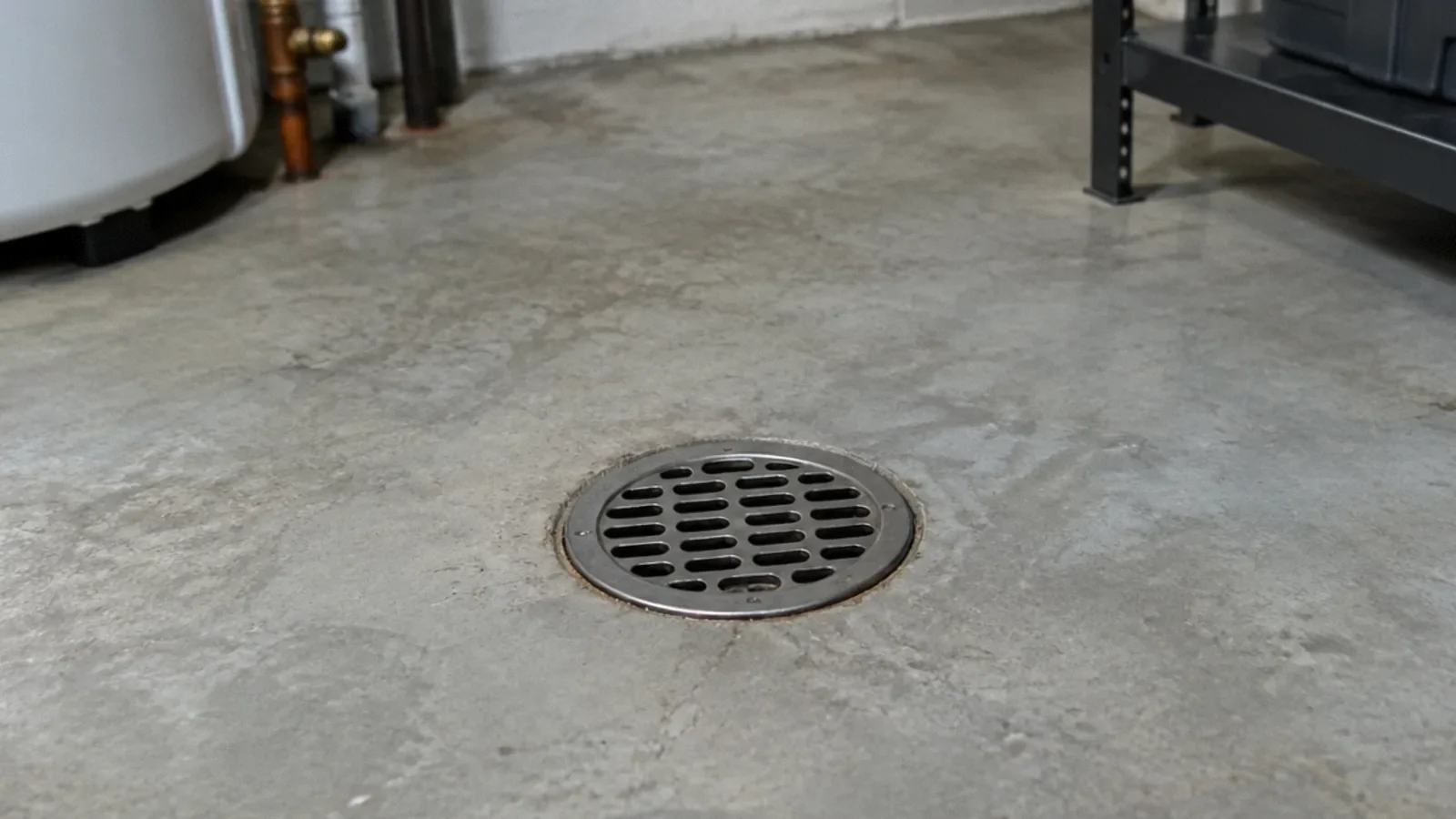
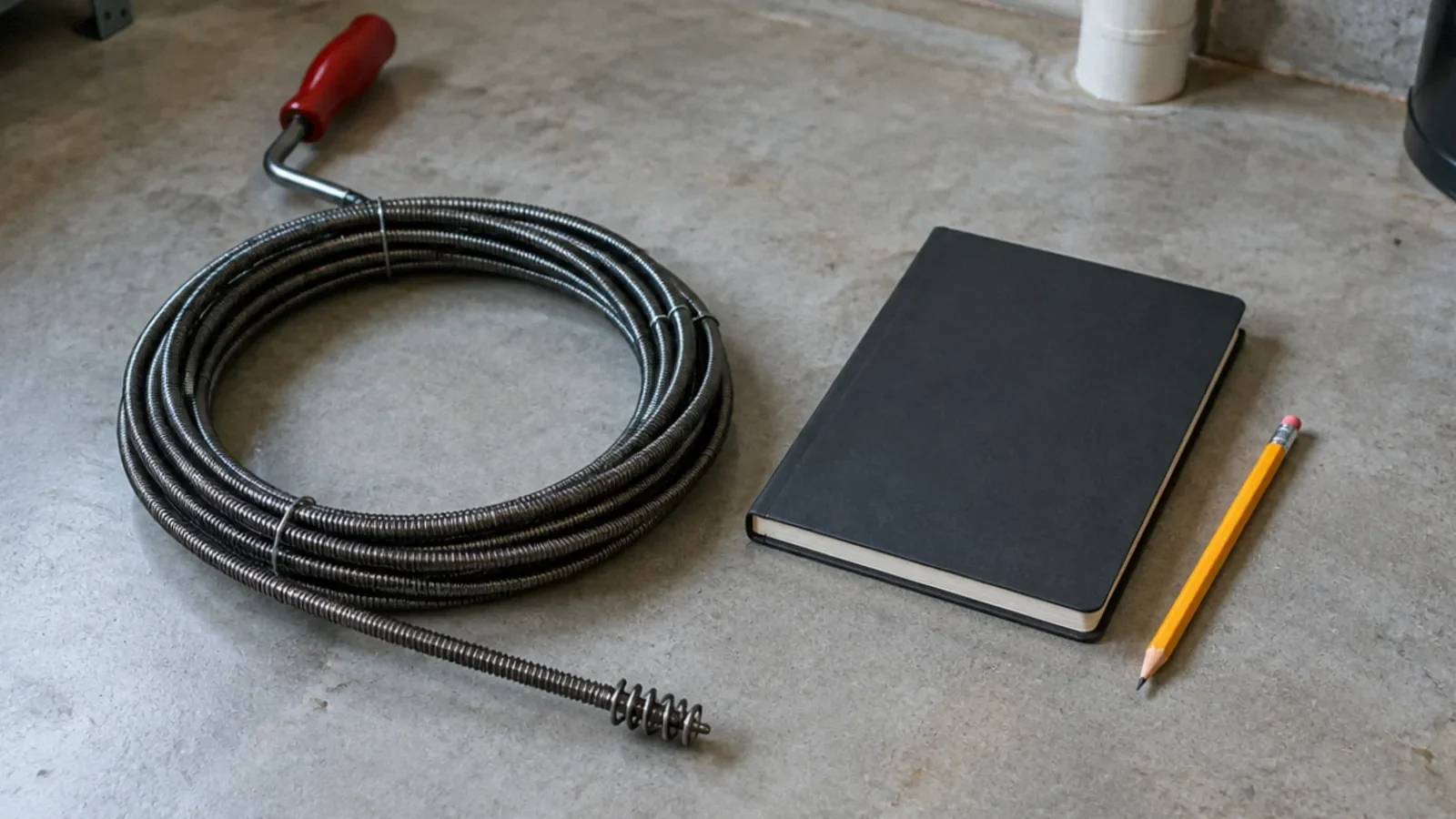
Cleanouts are access points used for inspection and maintenance of drain lines. Their presence and location differ by building. A professional may use one to inspect a line with a camera, but access does not mean a homeowner should open a pressurized or backed-up system. Sewage can pose health hazards; keep people away from a backup and arrange qualified help.
Equipment, maintenance and signs of trouble
A water heater stores or heats water for use, depending on its design. It has safety components specified by the manufacturer and code, including a temperature and pressure relief arrangement where required. Do not cap or defeat a discharge device. If a relief pipe discharges, a heater leaks, or gas or electrical equipment appears damaged, have the appropriate qualified professional investigate.
Watch for unexpected water use, damp cabinets, persistent drain odors, slow drainage and changes in pressure. EPA describes leak devices that sense moisture at a particular point and others that monitor whole-house flow. Their coverage and response vary: a sensor on one cabinet floor cannot detect every hidden leak. Maintain batteries, connectivity and shutoff functions according to the manufacturer's instructions.
Make a simple household map of the main shutoff, fixture valves, heater and accessible cleanouts. Label the valves accurately and explain them to other occupants. Periodically check accessible areas for moisture without disturbing insulation, old materials or electrical equipment. For a leak, isolate water only if the valve is safe to reach; call a plumber when the source, repair or valve condition is uncertain.
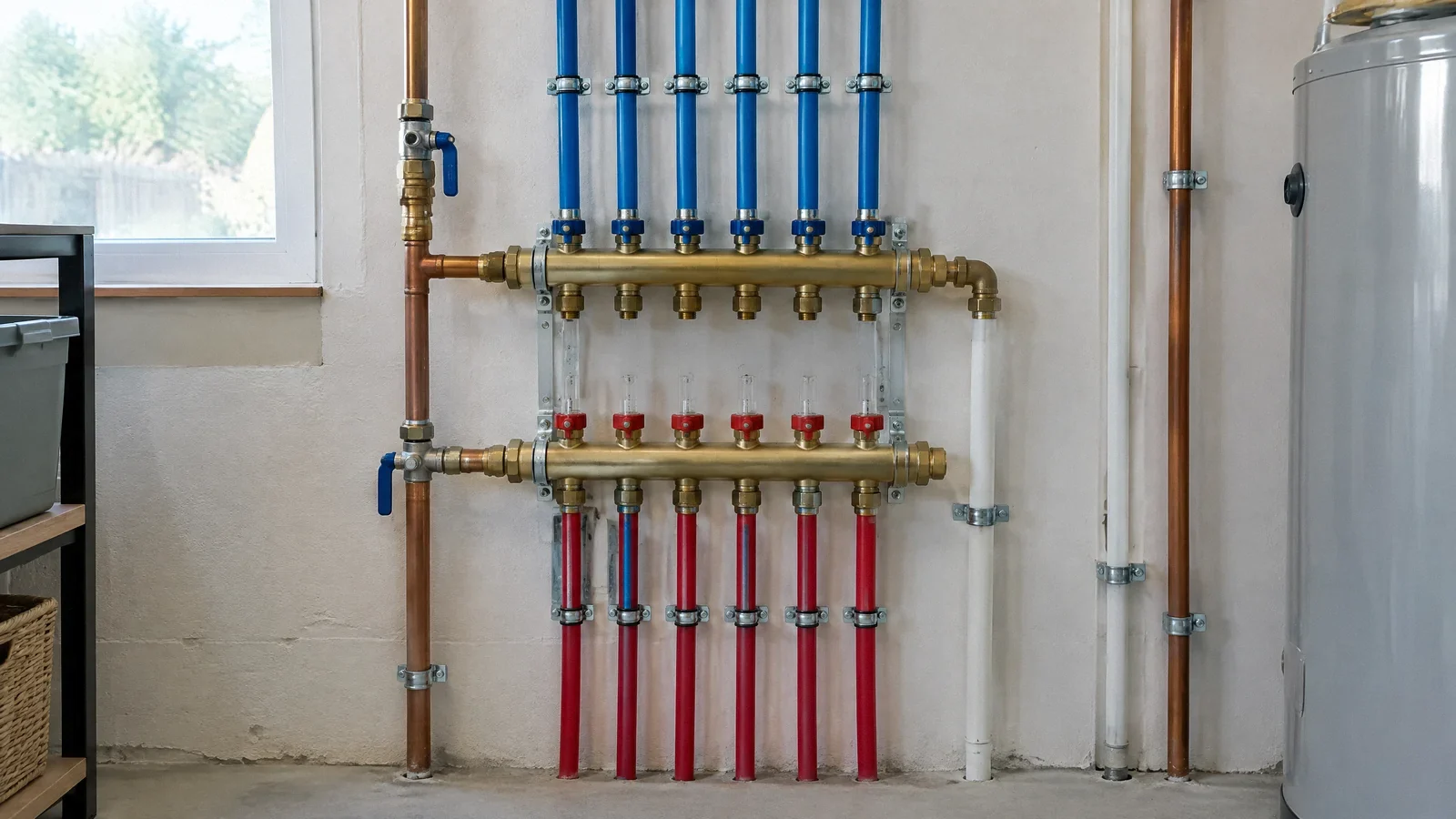
Some houses use a trunk-and-branch layout, with smaller lines branching from larger mains, while others use a manifold with individual runs to fixtures. The Department of Energy describes both as residential distribution configurations. A manifold can make some fixture isolation convenient, but labels and valve locations are specific to the installation. The drain system is separate from these pressurized supply runs. If you are unsure which line a valve controls, ask a plumber to identify it instead of relying on pipe color alone.
Your next-step checklist
- Locate and label the main water shutoff.
- Identify accessible fixture valves, the heater and drain cleanouts.
- Investigate leaks, pressure changes and persistent drain odors.
Related questions
What is the difference between a supply and a drain?
Supply pipes bring pressurized water to fixtures. Drain pipes carry used water away, generally by gravity.
Why does a drain have a trap?
The water held in a trap helps prevent sewer gas from entering the home. A vent supports the drainage system and helps protect trap seals.
Sources & context
Public guidance supports the principles in this article. The practical questions and examples are editorial interpretation, not a site assessment or a coverage decision. State-specific rules apply only where identified.