Arrange a qualified installer to isolate and verify the energy and water supplies, disconnect the unit, move it safely and dispose of it under local rules. Gas, electrical, hot water and vent connections require special care.
Identify the heater and reason for removal
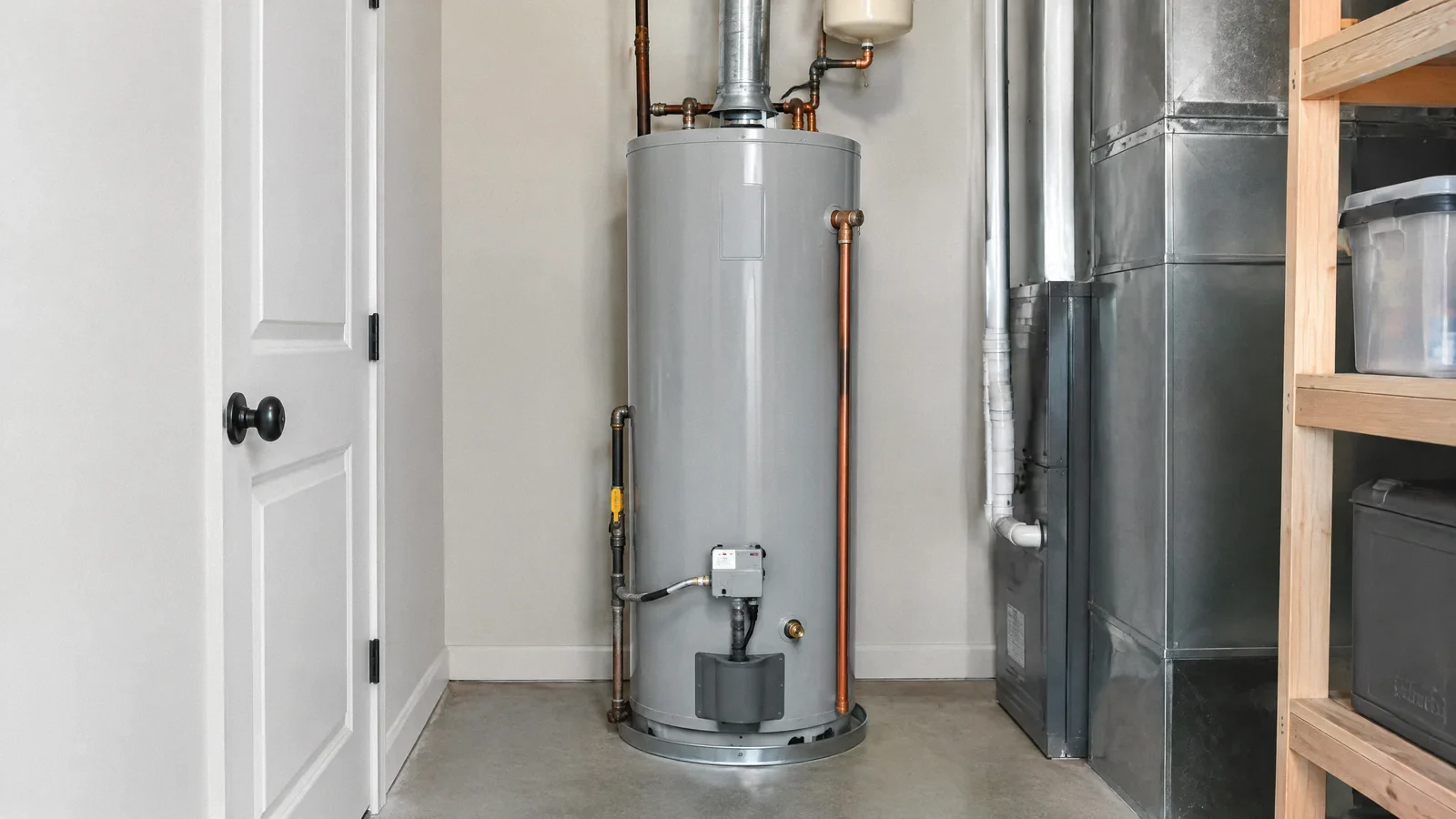
A storage tank, tankless heater and heat pump water heater have different connections and removal requirements. Find the manufacturer and model on the rating label if it is safe to approach, and tell the installer whether the unit uses gas, electricity or another fuel. A storage tank can remain heavy after draining because of sediment or trapped water.
Removal includes safely isolating the energy and water supplies, disconnecting the equipment, protecting the building, moving the unit and arranging disposal. Gas piping and venting, electrical wiring and hot water create serious hazards. A qualified installer should assess and disconnect these systems. Do not treat turning a control knob or seeing an unlit display as proof that the unit is safe to handle.
Arrange the work before disconnecting
Ask the installer for a written scope covering isolation, draining if applicable, disconnection, removal, disposal, replacement and testing. Confirm who obtains permits and schedules inspections required by the local building department. If you are replacing the heater, verify dimensions, capacity, fuel and access before the old unit is removed. A new model may need different clearances, venting or electrical capacity.
Agree on the work date and the expected interruption of hot water and other utilities. If the heater is in a shared or rented building, coordinate with the owner or manager. Ask who will move stored belongings and whether the old heater will be hauled away. Keep the manufacturer information, maintenance history and photographs of any leakage for the installer.
Prepare the area and route
Clear ordinary belongings from the path to the unit and from the exit, without disturbing pipes, wires, insulation or a leaking appliance. Measure doorways, stairs and turns. Ask the contractor how the tank will be moved and how floors and walls will be protected. A water-filled or sediment-filled tank can be too heavy for one person and may release water during handling.
Keep children and pets away from the work area. Make room for the crew’s equipment and discuss parking or elevator access. Do not remove a vent, cut a pipe or disconnect wiring to save time. If suspected asbestos-containing insulation or other uncertain material is present, leave it undisturbed and request an appropriate assessment before work.
How professionals disconnect the heater
The installer identifies and safely isolates the correct energy and water supplies, verifies the equipment is safe to work on, and controls hot water and residual pressure before disconnecting the appropriate connections. The exact process depends on the model and local requirements. Gas units also have fuel and combustion-vent connections; electric and heat pump units have electrical components. Those systems require competent handling and verification.
A storage tank may need to cool and drain before it can be moved. A clogged drain or sediment can complicate the work. Tankless and heat pump units have their own procedures and may have additional connections. The installer should follow the manufacturer’s instructions rather than using a generic sequence intended for a different unit. Do not cap a gas line or modify a vent yourself.
If the heater is leaking or smells of gas
If you smell gas or suspect a gas leak, leave the building and contact the gas utility or 911 from a safe location. Do not operate switches, appliances or phones inside the affected area. Follow the utility and emergency responders’ instructions. Do not return until they say it is safe.
For water leakage, keep away from electrical equipment and wet areas where electricity may be present. If the water shutoff is readily accessible without entering danger and you know which valve controls the supply, use it; otherwise seek help from a plumber or utility. Do not enter standing water near electrical equipment. Document damage only when safe.
Dispose of the old unit and verify the replacement
Ask the installer whether haul-away and lawful disposal or recycling are included. Local waste rules and recycling options differ, and a water heater should not be abandoned at the curb without checking the local program. Retain the invoice and any disposal documentation provided.
If a replacement is installed, ask the contractor to review the operating instructions, shutoffs, leak checks and any required inspection. Check visible connections for moisture after installation and report leaks promptly. Do not re-energize an empty storage heater or operate a gas appliance with a disconnected vent. A qualified installer should complete startup according to the manufacturer’s instructions.
Your next-step checklist
- Identify the model and fuel type.
- Confirm scope, permits and disposal.
- Clear a safe access route.
- Leave gas, wiring and vent disconnection to qualified workers.
- Have the replacement tested and inspected as required.
Related questions
Can I remove a water heater without draining it?
A storage tank generally needs safe draining before moving, but the exact procedure depends on the unit and condition. A professional can assess it.
Can I disconnect the gas line myself?
Gas disconnection and secure termination require qualified work. Contact an appropriate professional.
Who takes the old heater away?
Ask whether the installer includes haul-away and check local disposal or recycling requirements.
Sources & context
Public guidance supports the principles in this article. The practical questions and examples are editorial interpretation, not a site assessment or a coverage decision. State-specific rules apply only where identified.
- Consumer Water Heatersgovernment
- Hiring Qualified Contractorsgovernment
- Protect Your Family from Asbestosgovernment
- Gas safetyprimary