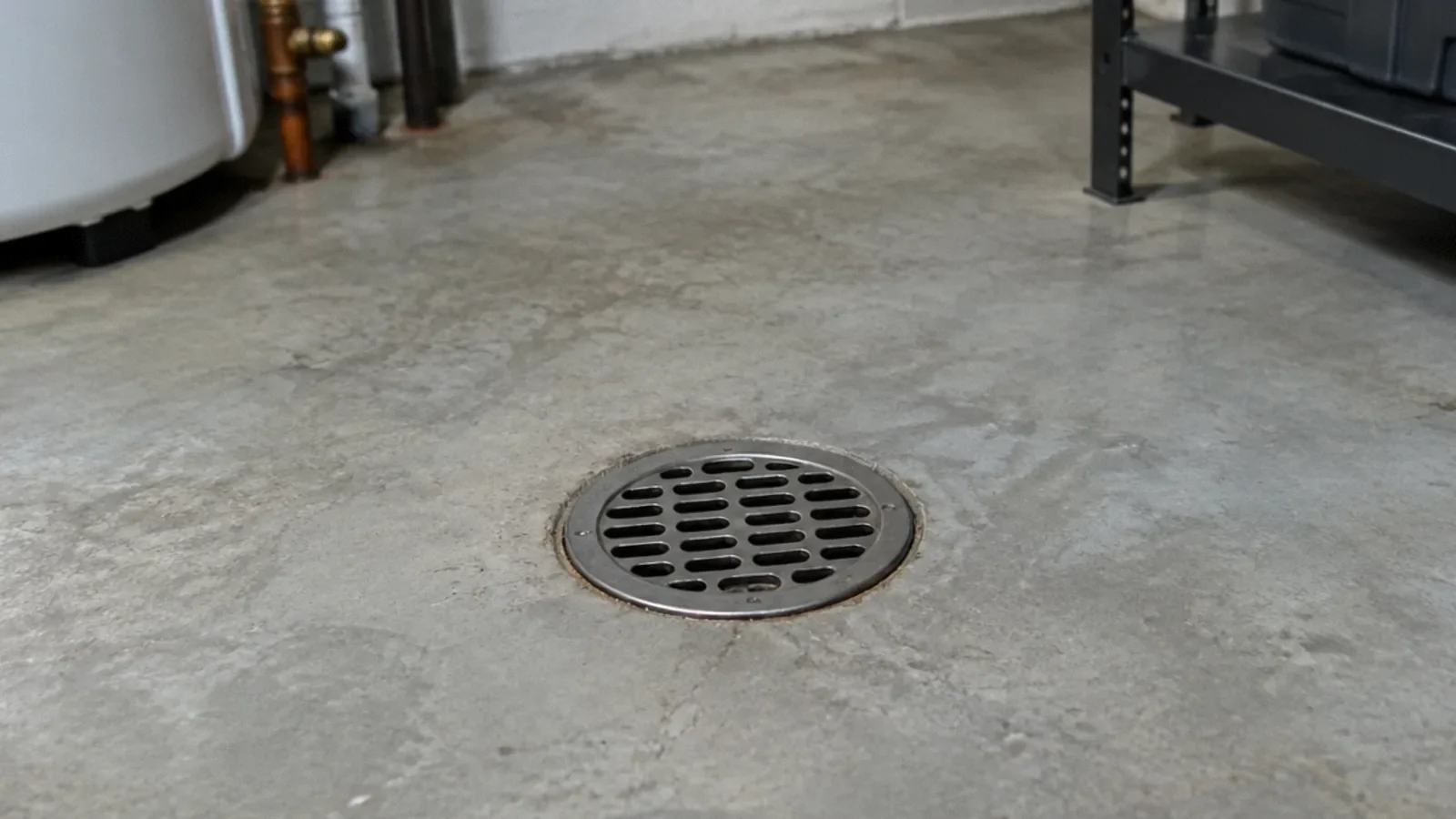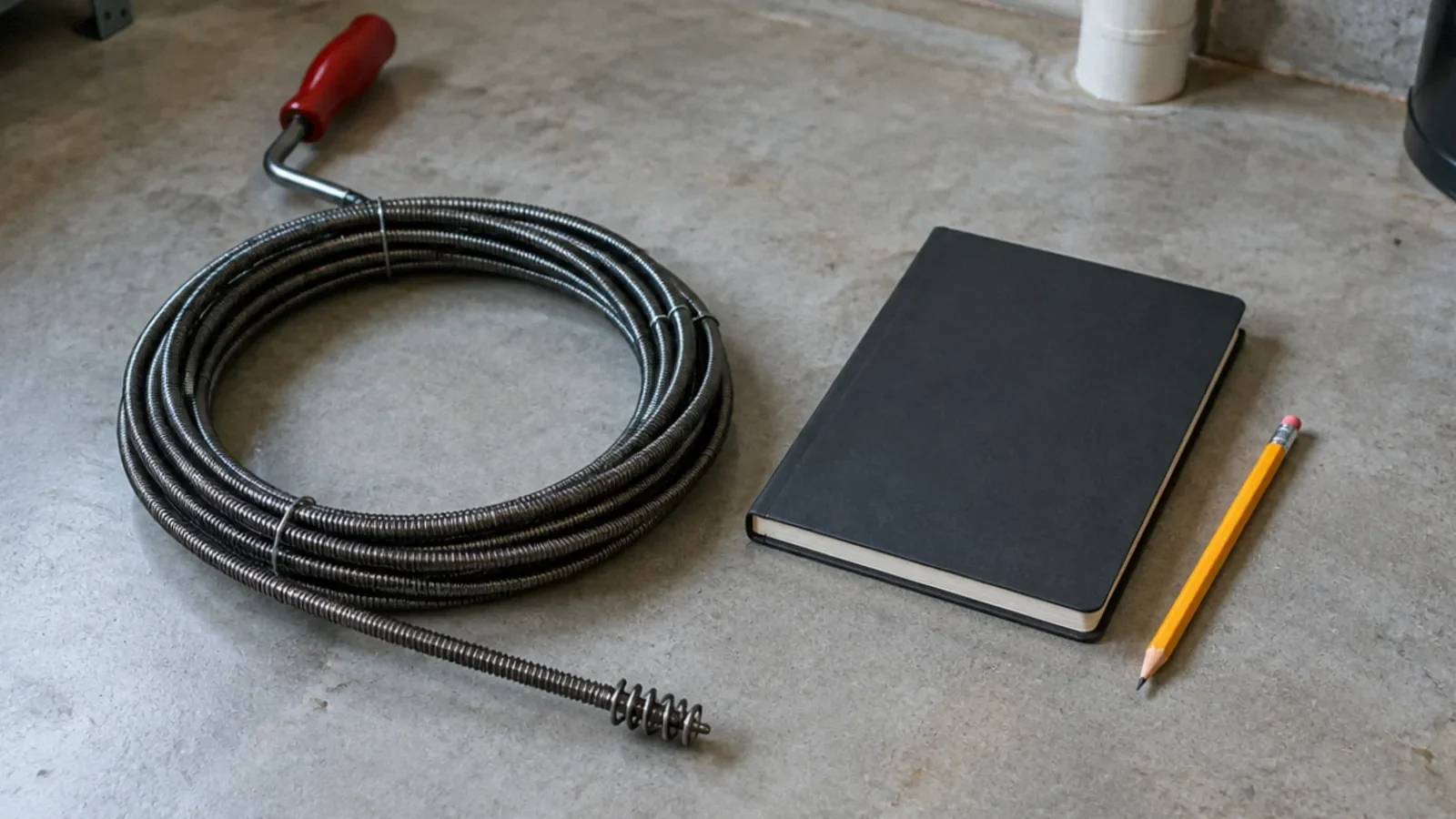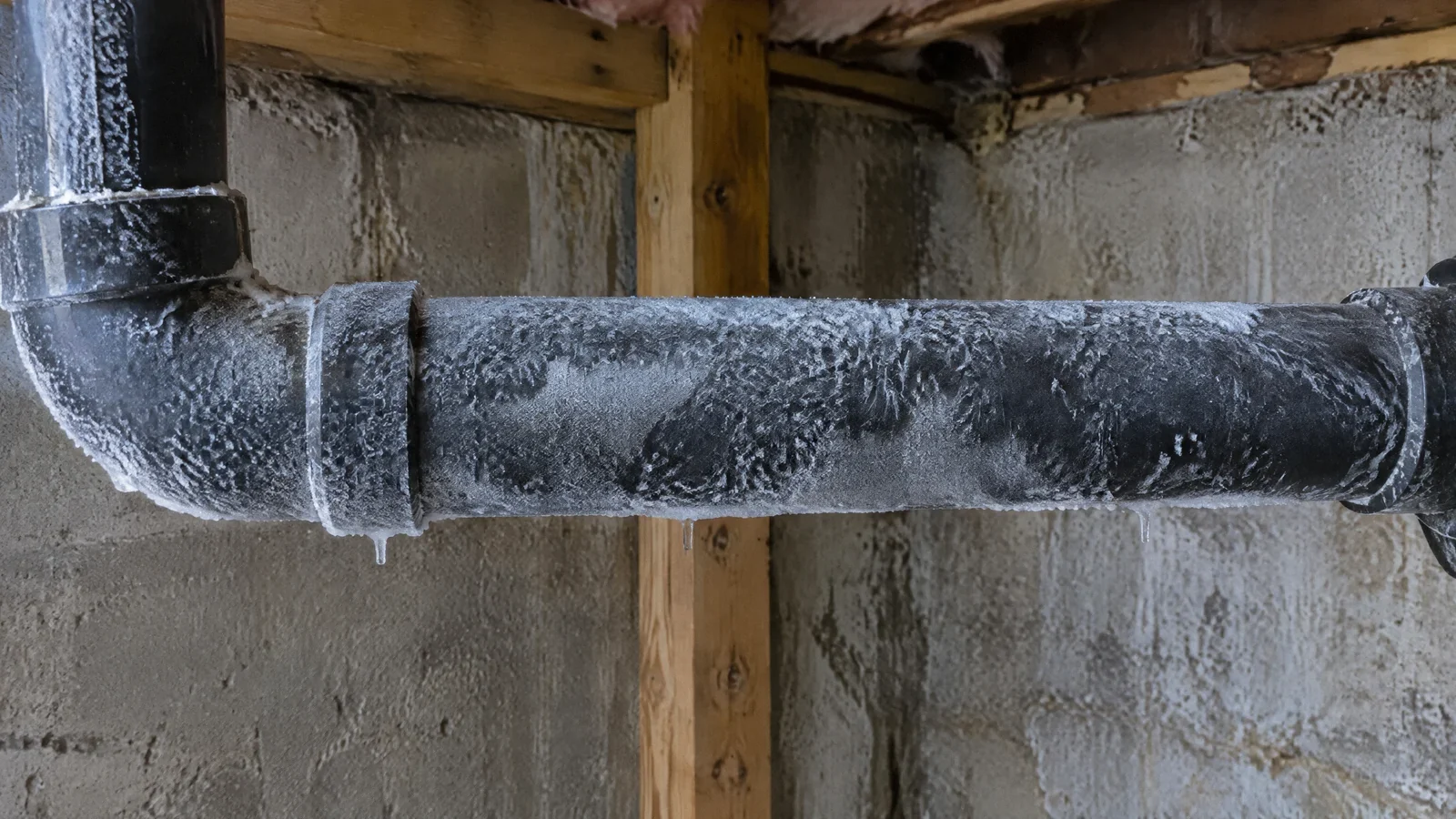
A frozen drain may stop a sink, tub or floor drain from emptying even when the faucet still supplies water. Stop using the affected fixture and any connected appliance so wastewater does not overflow. Warm the room and, only where an exposed section is accessible and there is no electrical or water hazard, use gentle warmth suitable for the pipe. Call a plumber if the blockage is concealed, the pipe is damaged, sewage is backing up or you cannot identify the cause.
Stop using the drain
A frozen drain may stop a sink, tub or floor drain from emptying even when the faucet still supplies water. Stop using the affected fixture and any connected appliance so wastewater does not overflow. Warm the room and, only where an exposed section is accessible and there is no electrical or water hazard, use gentle warmth suitable for the pipe. Call a plumber if the blockage is concealed, the pipe is damaged, sewage is backing up or you cannot identify the cause.
Distinguish drain and supply
A supply pipe carries water under pressure to a faucet; a drain carries used water away. A faucet that produces little water suggests a supply-side problem, while water that collects in the basin points toward a drain or downstream blockage. Both problems can occur at once. Freezing is more likely where plumbing passes through an unheated space or exterior wall during severe cold, but grease, debris, a blocked vent or a sewer backup can cause similar symptoms. Do not assume ice without considering other causes.
Prevent overflow
Stop the faucet, dishwasher, washing machine or other fixtures that feed the affected drain. Catch any minor drips only where safe. If multiple fixtures back up, wastewater appears at a floor drain, or the backup contains sewage, stay out of the contaminated area and call a plumber or restoration professional. Keep children and pets away. A frozen drain can trap wastewater; adding more water may cause an overflow before the blockage thaws.
Inspect safely
Look for the accessible pipe from a safe, dry location. Frost or a very cold section may be a clue, but ice can be concealed and frost is not proof of the blockage's exact location. Check for cracks, sagging joints, leakage and nearby electrical equipment. Do not enter a confined space, climb into a crawlspace with unsafe access, or open a wall merely to search. If water is near outlets, wiring or equipment, keep clear and arrange qualified help. If a pipe has burst, stop using the plumbing and contact a plumber promptly.
Warm the space
Raise the temperature of the affected room gradually with the building's normal heating system when it is safe to operate. Open cabinet doors to allow warm room air to circulate around accessible plumbing, keeping household chemicals away from children and pets. Clear a path for airflow without disturbing fittings. This can take time, and a long unheated run may need professional equipment or insulation improvements. Never leave a portable heater unattended or place it close to flammable material; follow its manufacturer instructions.
Use gentle warmth
For an exposed, intact pipe in a dry, safe location, a warm damp towel applied around the pipe can provide gentle heat. Use warm, not boiling, water and change the towel as it cools; keep water away from electrical devices. Follow the pipe manufacturer's limits, particularly for plastic. Do not use a torch, open flame or extreme heat. The American Red Cross warns against open flames when thawing frozen pipes. Its guidance addresses supply pipes, so do not transfer its advice to leave a faucet running when the affected fixture's drain is blocked.
Avoid heat and chemicals
Do not pour boiling water into a blocked drain or add chemical drain opener to melt ice. A drain full of water may overflow, heat can damage some materials, and corrosive cleaner can remain trapped where someone later opens the line. Do not mix cleaners or plunge a drain containing a chemical product. Tell the plumber what was used and when. A professional can select a method compatible with the pipe and the suspected obstruction without exposing occupants to a splash of trapped chemicals.
Test for flow and leaks
Once the suspected ice has thawed, inspect the exposed pipe and connections for leaks before returning to ordinary use. Test with a small amount of water while watching the basin and the accessible plumbing. Stop if water rises, drains slowly, leaks or returns from another fixture. A pipe can have a separate blockage or damage that becomes apparent only after thawing. If flow is not restored, or the pipe is concealed, call a plumber rather than applying progressively greater heat or pressure.
Prevent another freeze
After the immediate problem, find out why that section became cold. Insulation, air sealing, protected routing and reliable heat in vulnerable areas may reduce recurrence, but the appropriate remedy depends on the building and pipe layout. Ask a plumber or building professional to assess an exposed drain in an unheated space. Insulation slows heat loss but does not produce heat and cannot guarantee a pipe will never freeze. Address leaks and any water-damaged materials promptly as well.
Follow up
Keep a record of where the freeze occurred and the weather conditions. If several fixtures are involved or the problem returns, that information can help the plumber distinguish a local frozen section from a deeper blockage. A professional may inspect the drain and recommend repairs or changes to its environment. Do not treat the return of flow as proof that the entire pipe system is undamaged; continue to watch accessible joints and surrounding surfaces for leakage after the test.
Your next-step checklist
- Stop using the affected drain.
- Check for leaks and electrical hazards.
- Warm the space and avoid open flames.
- Call a plumber for concealed or persistent blockages.
Related questions
Should I leave the faucet running?
Not into a blocked drain: the basin can overflow. Supply-pipe thawing guidance applies to a different situation.
Can I use a torch?
No. Open flames can cause a fire and damage plumbing.
Sources & context
Public guidance supports the principles in this article. The practical questions and examples are editorial interpretation, not a site assessment or a coverage decision. State-specific rules apply only where identified.