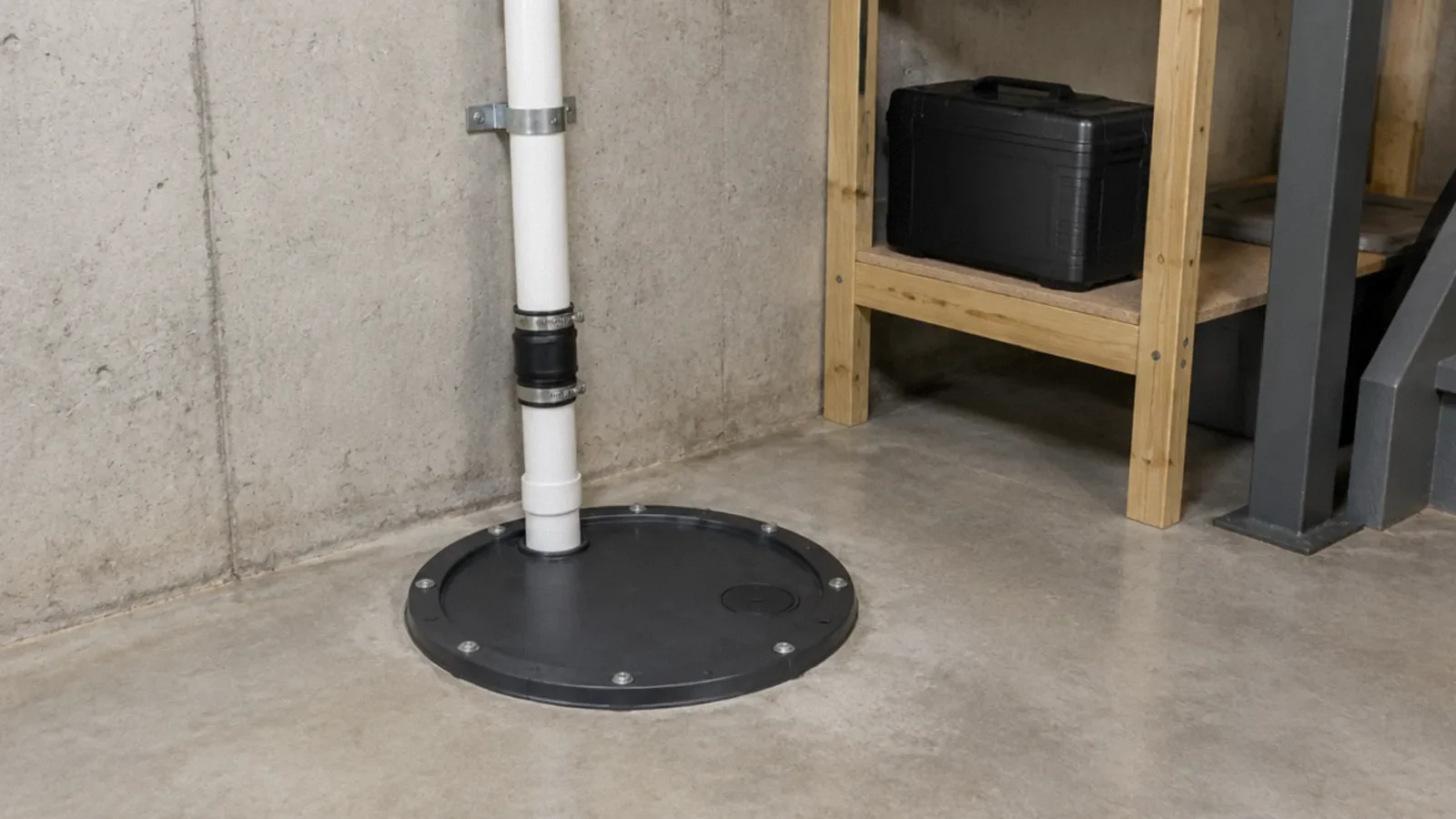
A sump system should be maintained and tested according to its equipment instructions, with backup capacity matched to the site’s pumping demand. Battery backup reduces one failure mode but does not solve a blocked discharge, failed switch, inadequate pump capacity, or prolonged outage.
Map the system before planning the backup
Identify the primary pump, collection basin, level controls, discharge route, check-valve arrangement where applicable, power supply, alarm, and any backup pump or power system. Keep the equipment instructions and installation records. A new owner should know what is installed before responding to an unfamiliar alarm by disconnecting it.
FEMA's flood-protection guidance and CDC's preparation guidance recommend backup power for sump pumps in appropriate settings. That is a planning principle, not a promise that any battery will protect any basement. The backup must be compatible with the equipment and capable of meeting the expected demand within its documented limits.
Separate the failure modes
Power loss is only one way a system stops protecting the building. A pump can fail mechanically, a level control can stick, a discharge can block or freeze, and inflow can exceed pumping capacity. If primary and backup equipment share a vulnerable outlet path, that shared failure can defeat both. Ask the installer to explain these dependencies.
A battery attached to the same primary pump may address a different risk from a separate backup pump. Water-powered systems, where permitted and suitable, introduce their own plumbing and backflow considerations. Do not improvise wiring or piping to combine equipment. Have qualified professionals evaluate the installation and local requirements before changing the system.
Estimate demand from the actual site
A pump's advertised capacity is meaningful only in relation to the installation conditions, including lift and piping. Battery runtime also depends on load, cycling, condition, and the duration of inflow. Avoid relying on a generic 'hours of backup' claim without asking how it was calculated and how it compares with your site's needs.
Keep observations of normal and heavy-rain cycling if they can be collected safely. Repeated near-continuous operation, frequent alarms, or water approaching vulnerable levels warrants professional review. Do not wait for the next major storm to discover whether the system can handle its ordinary demand. A basement that depends heavily on pumping needs a plan for failure as well as operation.
Test in controlled conditions
Follow the equipment instructions for routine checks and have a professional address any uncertainty. Confirm that the relevant pump operates, the discharge route functions, and the alarm reaches someone who can respond. Testing should happen when it can be supervised safely, not by deliberately disabling the primary system during a severe storm.
Battery checks should follow the specific battery and charger requirements. Calendar age alone does not demonstrate capacity, and a power light does not necessarily prove useful runtime. Keep the test date, result, and corrective work. If maintenance involves electrical equipment, heavy covers, confined access, or uncertain water conditions, arrange qualified service rather than improvising.
Make the alarm useful
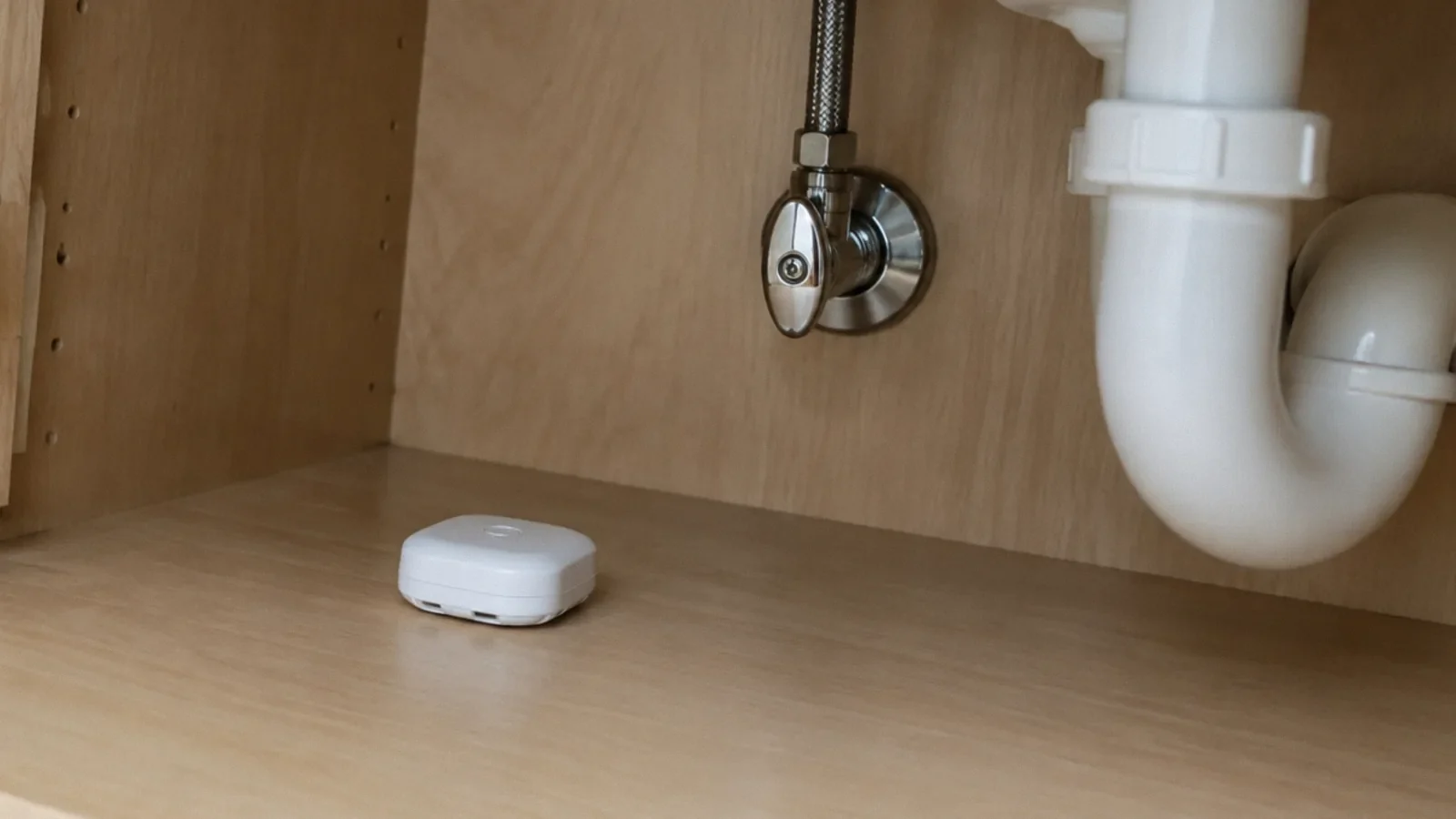
An alarm that sounds only in an empty basement may not provide timely warning. Consider who receives alerts, whether communication depends on internet or household power, and what action that person can take. A remote notification is not a repair, and an alert during a flooded-road emergency may arrive when physical access is unsafe.
Write a response plan that prioritizes people. Do not enter standing water to reach electrical equipment or attempt dangerous repairs during a storm. Identify the appropriate emergency and service contacts, safe observation locations, and evacuation considerations. Keep essential belongings and records protected in advance rather than relying on someone to move them after an alarm.
Keep discharge and maintenance connected
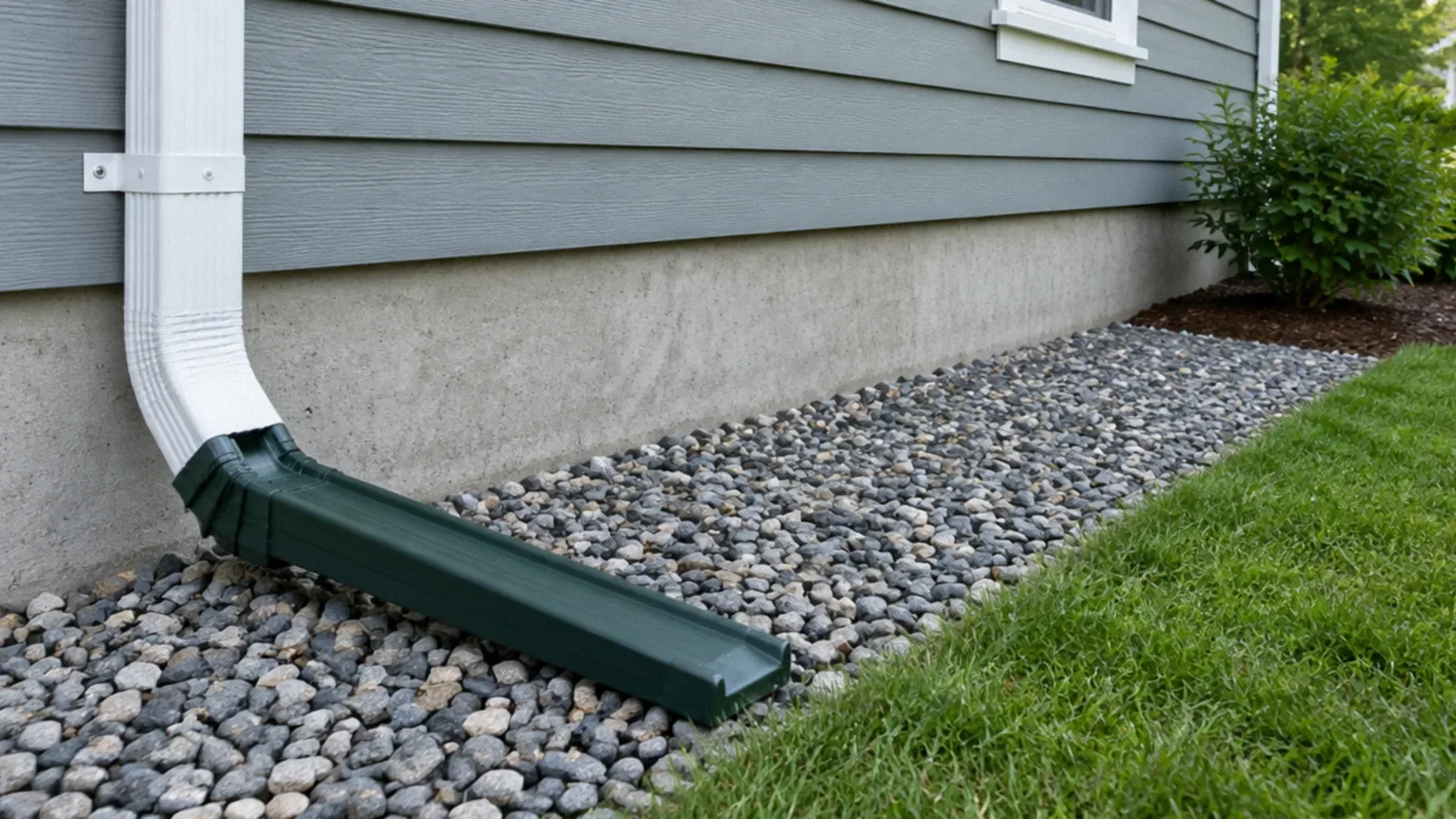
A functioning pump still needs a lawful, unobstructed destination for water. Review the outlet and any seasonal concerns with the installer. Do not reroute discharge into an unapproved sewer connection, across a public path, or onto a neighbor's property. Local requirements and site conditions determine acceptable arrangements.
Maintain a concise system file with equipment models, installation details, testing instructions, service history, and replacement dates. Review it before the wet season and after a significant event or system change. If the basement floods despite operation, investigate inflow, capacity, and discharge rather than assuming that buying a larger battery alone will resolve the problem.
Practical primary pump check
Consult the model manual and check at its recommended interval, before a wet season and after an extended idle period. From a safe position check that the float has unobstructed travel and accessible debris is not blocking it. Do not reach into water near electrical equipment or open a connected pump; ask a professional to clear an unsafe or inaccessible obstruction.
If the manufacturer permits a water test, slowly add clean water to the basin until the float starts the primary pump. Observe whether it lowers the level and stops, and check the accessible discharge outlet for flow without entering a hazardous area. If it does not start, stop, or discharge as expected, arrange service. A primary-pump test does not prove the backup works: test the backup and alarm as their separate manuals specify.
Your next-step checklist
- Identify the primary pump, controls, discharge, alarm, and exact backup arrangement.
- Ask which failure modes the backup addresses and which remain shared.
- Match capacity and runtime expectations to the actual installation and demand.
- Test under controlled safe conditions using the equipment instructions.
- Check alert delivery and write a response plan that avoids entering hazardous water.
- Keep maintenance and service records with the system information.
Related questions
How many years should every backup battery last?
There is no universal useful-life answer. Follow the specific equipment guidance and assess condition and performance rather than relying only on age.
Should I unplug the pump during the next storm to test backup?
Do not create a preventable failure during peak demand. Use a controlled test procedure and qualified help when needed.
Will a bigger battery stop every basement flood?
No. Capacity, controls, discharge, inflow, and mechanical failure also matter. Evaluate the complete system.
How often should a sump pump be maintained?
Follow the equipment manufacturer’s instructions and site-specific service plan. Test safely under controlled conditions and address alarms, discharge problems or unusual cycling promptly.
How should a basement sump pump be maintained?
Follow the equipment instructions and arrange safe inspection of controls, discharge, power and backup. Do not handle wet electrical equipment or enter a hazardous pit.
Sources & context
Public guidance supports the principles in this article. The practical questions and examples are editorial interpretation, not a site assessment or a coverage decision. State-specific rules apply only where identified.
- FEMA: Protect your home from floodingofficial
- CDC: Preparing for floodsofficial
- WAYNE: Submersible sump pump operating instructionsmanufacturer operating instructions
Community questions behind this topic
These discussions helped identify reader concerns. They are anecdotal, not technical or legal authority.