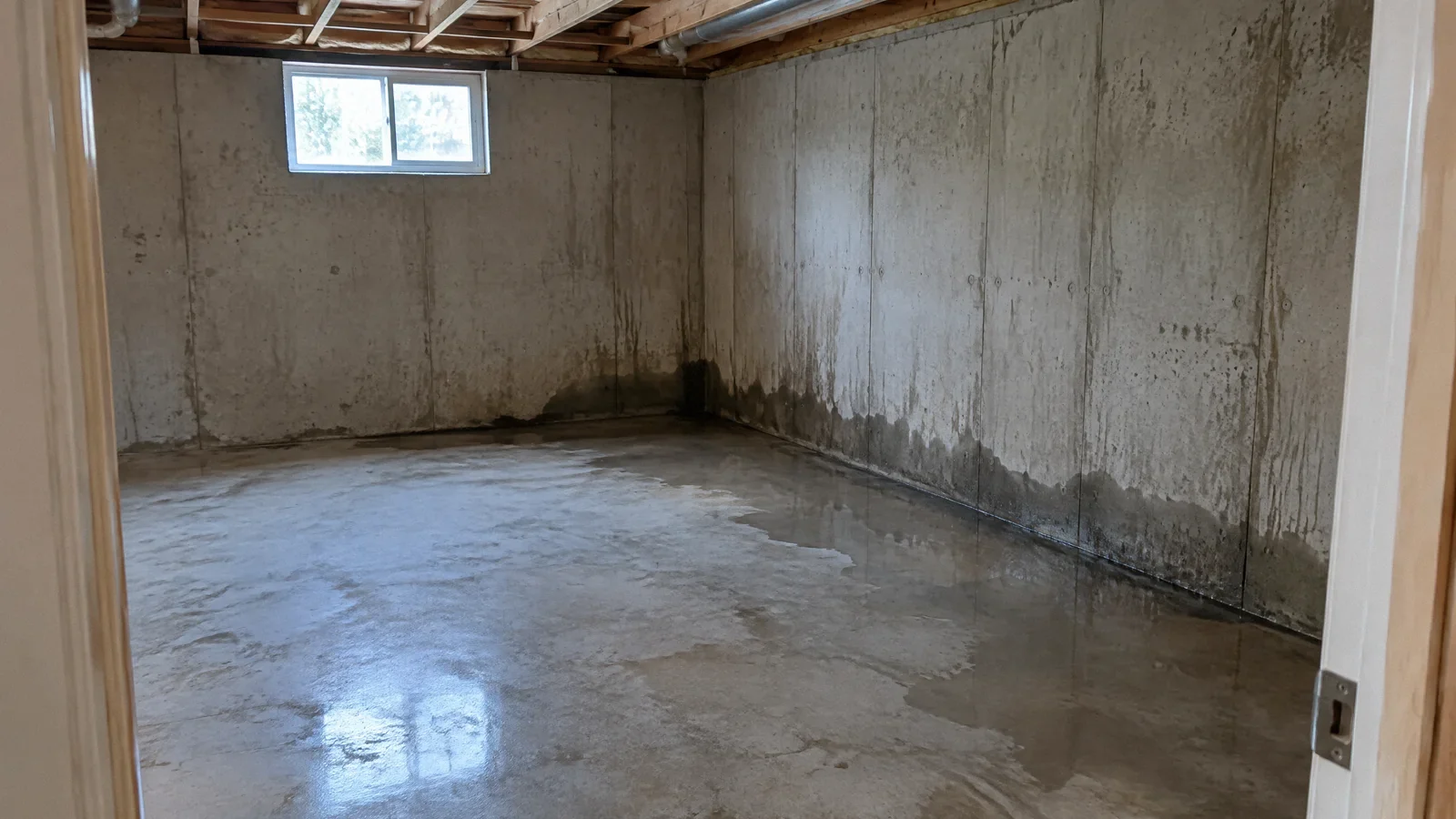
Stay out of basement water that may contact electrical equipment, and do not enter to reach a breaker. If safe, stop a known water source and document the area. Basement water can come from plumbing, surface drainage, groundwater or other pathways; the safe removal and repair depend on the cause and conditions.
Do not enter an electrical hazard
Water can energize a floor when it reaches wiring, outlets, appliances, a furnace or a damaged electrical system. Stay clear and ask the utility or a qualified electrician to isolate power safely. Never step into water to reach a switch or unplug equipment. Keep children and pets away.
If water is rising rapidly, a wall is moving, a ceiling is sagging or the building may be unsafe, leave and contact emergency services or local authorities. A small visible puddle can still be hazardous if an energized cord or outlet is nearby.
Stop a known source when safe
A burst supply pipe, overflowing fixture or failed appliance may have a reachable shutoff. Turn it off only if you can do so from a safe, dry location. Do not force a stuck valve. If you cannot safely reach the control, contact the utility, property manager or a qualified plumber.
For sewage backup, stop using affected fixtures and avoid contact with the water. Rain or groundwater entry requires a different response from a plumbing supply leak. Document what was happening when the water appeared, including rainfall, appliance use and whether the pump had power.
Look for clues to the water pathway
Water near a wall after rain may reflect roof runoff, grading, a foundation opening or drainage conditions. A puddle near an appliance or pipe suggests a different set of possibilities. Condensation can also wet cool surfaces. These are clues, not proof of the source; water can travel beneath finishes before becoming visible.
University of Minnesota Extension describes several basement moisture pathways and emphasizes examining rainwater and surface drainage. Check accessible gutters and discharge paths only when weather and access are safe. Do not climb onto a wet roof or enter a confined space to investigate.
What about a sump pump?
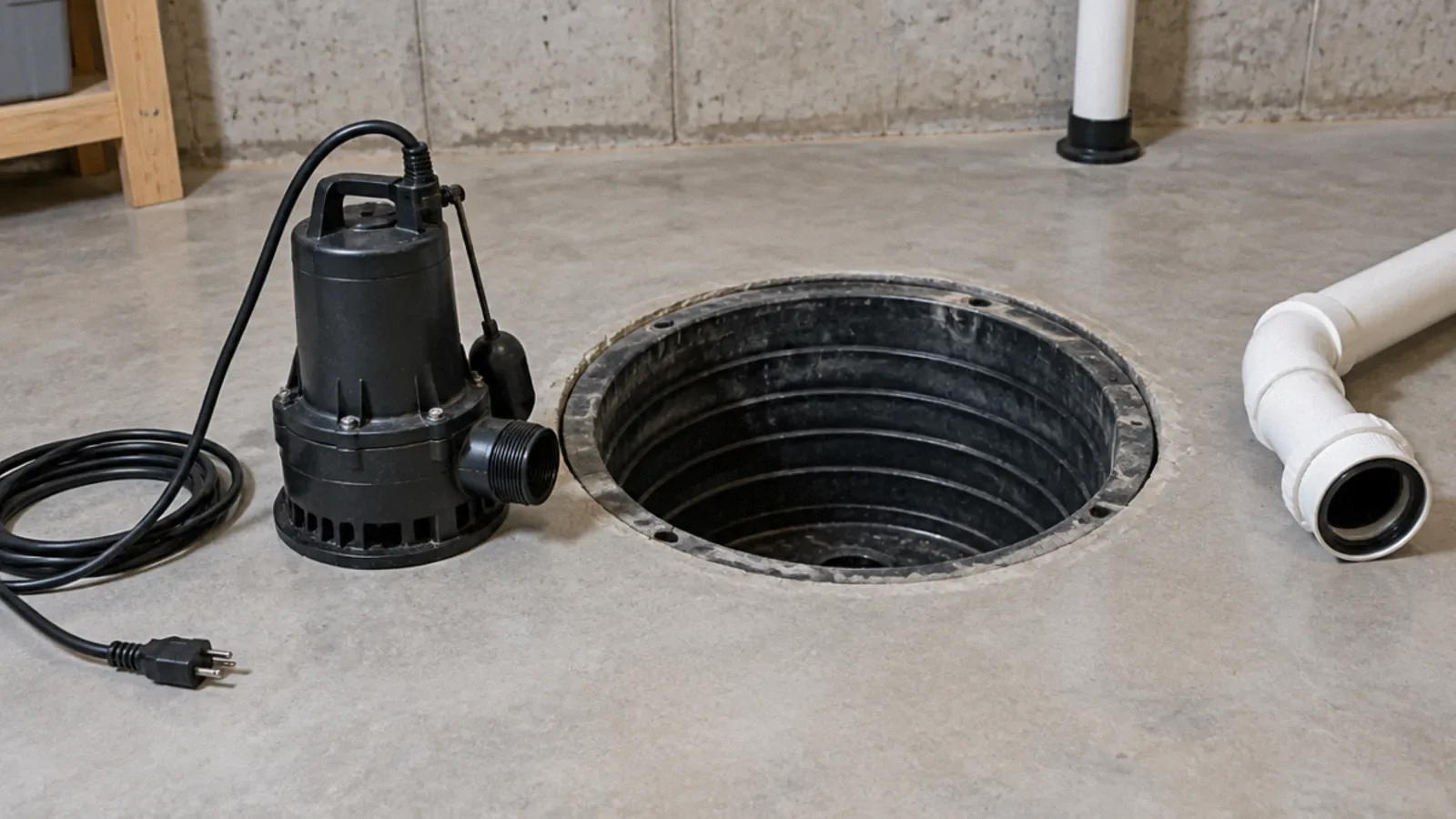
A pump may be unable to run during an outage or may have a float, discharge or mechanical problem. Do not reach into the pit or handle a wet cord while power may be present. A qualified professional can isolate power, assess the float and outlet, and test the system.
A functioning sump pump is not proof that every entry path is controlled. The pit, discharge route, check valve, backup and alarm form a system. If water recurs, record the conditions and ask which component or water pathway is responsible.
How much water is too much?
There is no universal depth below which basement water is automatically safe. A shallow puddle can contact electricity or contain sewage; deeper water increases access and structural concerns. Treat uncertainty seriously and arrange help before entering. Do not assess safety by color or odor alone.
For a deeply flooded basement, saturated soil outside may exert pressure against the walls. Pumping too quickly can create structural risks in some conditions. Seek local emergency or engineering advice on the safe timing and rate rather than removing water as fast as possible.
Remove and dry water appropriately
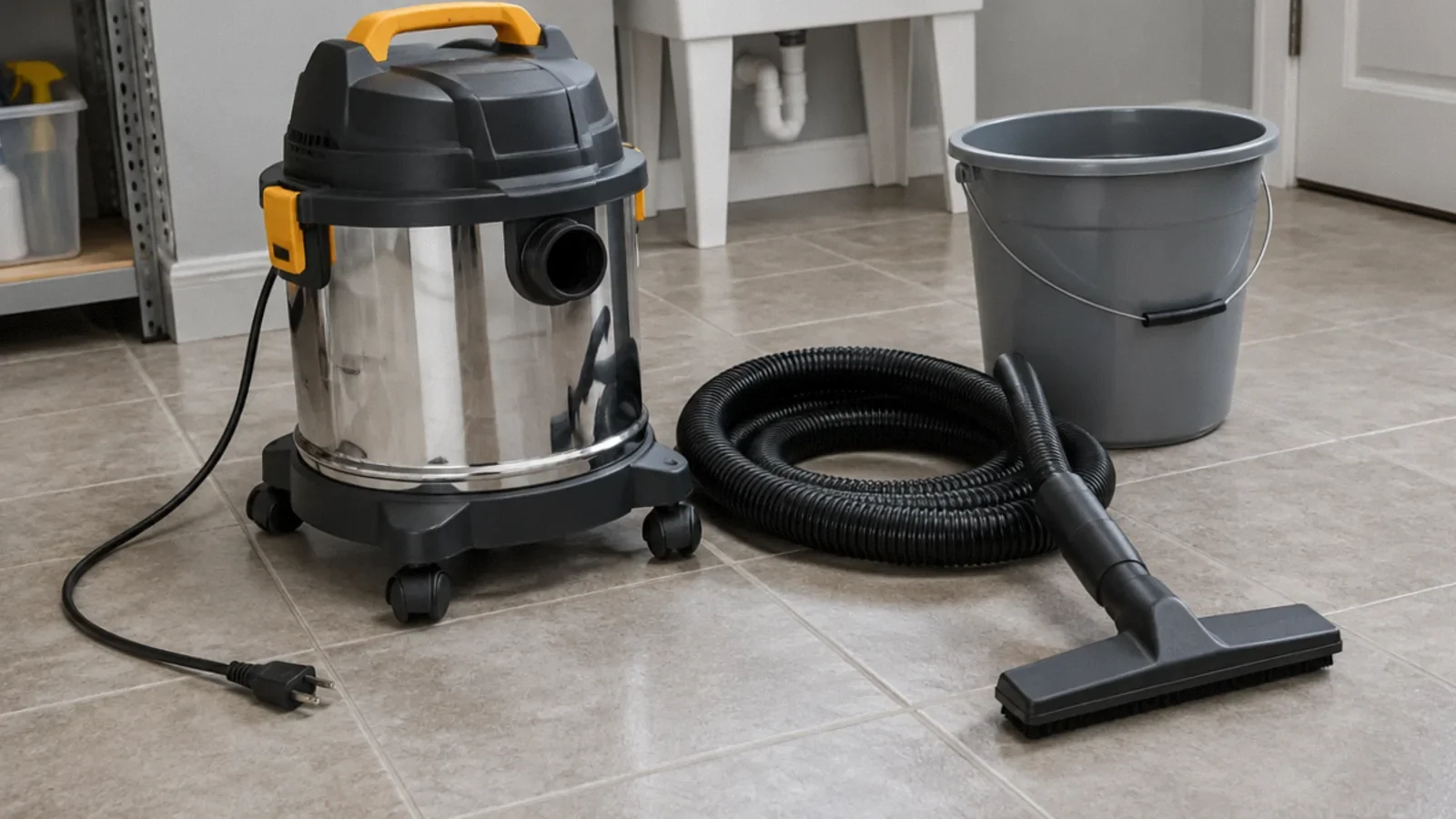
After hazards are controlled, use equipment suited to the water and surface. A wet vacuum or pump may be appropriate in some cases, but never use a device not rated for wet pickup or operate electricity in unsafe water. Plan safe discharge and disposal; floodwater may contain sewage, chemicals or debris.
Removing a puddle does not dry wallboard, insulation or flooring beneath it. A professional can identify affected materials, contamination and drying needs. EPA recommends drying wet items promptly when possible to help prevent mold, but material condition and the water source determine what can be saved.
Repair the source, not only the stain
A lasting repair might involve plumbing, a sump discharge, gutters, grading, a foundation opening or another pathway. The correct scope depends on the diagnosis. Ask for an explanation of the evidence and alternatives before approving major excavation, drainage work or repeated surface coatings.
A dehumidifier controls moisture in the air but does not repair an active water entry. Ask how the proposed work will handle the source and how the result will be evaluated after normal use or the next relevant rainfall. Keep before-and-after records.
Cleaning a flooded basement after hazards are controlled
Floodwater and sewage can carry germs, chemicals and debris. After qualified personnel establish safe entry and electrical conditions, the cleanup plan should identify what can be cleaned, what porous material must be removed and how the basement will be dried. Avoid tracking contaminated material into unaffected rooms.
Keep children and pets away from cleanup. Do not mix cleaning products or use ordinary fans to blow across suspected contamination. EPA recommends qualified help when the work exceeds the occupants’ training or the materials cannot be safely assessed.
Document and monitor
Photograph conditions when it is safe, record the timing and retain invoices, readings and repair notes. Notify the property manager or insurer as appropriate. A coverage decision depends on the policy and cause; the presence of water in a basement does not by itself determine coverage.
After cleanup, monitor for returning dampness, odor, staining or pump alarms. Do not close an affected wall or reinstall flooring until the source and material condition are understood. Seek experienced help for sewage, hidden damage or recurring water.
Why does a basement flood repeatedly?
Recurring water may enter from surface runoff near the foundation, a blocked or disconnected downspout, a plumbing leak, a sump system problem or another route. Timing is a clue: note whether the water follows rain, occurs during appliance use or appears independently. A clue is not proof of the source.
A contractor can trace the pathway, inspect drainage and assess concealed materials. Fixing only the visible stain or pumping water without correcting the cause may allow a recurrence. Avoid entering standing water where electrical equipment or outlets could be energized.
Preventing repeat basement water entry
After an event, identify the actual pathway before choosing a repair. Maintaining accessible gutters and downspouts, directing runoff to an appropriate lawful location and correcting a known plumbing leak may help for some properties. Do not route water toward a neighbor or assume a single product solves every basement.
If water appears through the floor, distinguish a possible sewer backup, groundwater, a plumbing leak and surface entry through a qualified assessment. Avoid contact with unknown water and stay away from wet electrical equipment. A drainage contractor can explain site-specific options and any local requirements.
Floor seepage, pumping and prevention
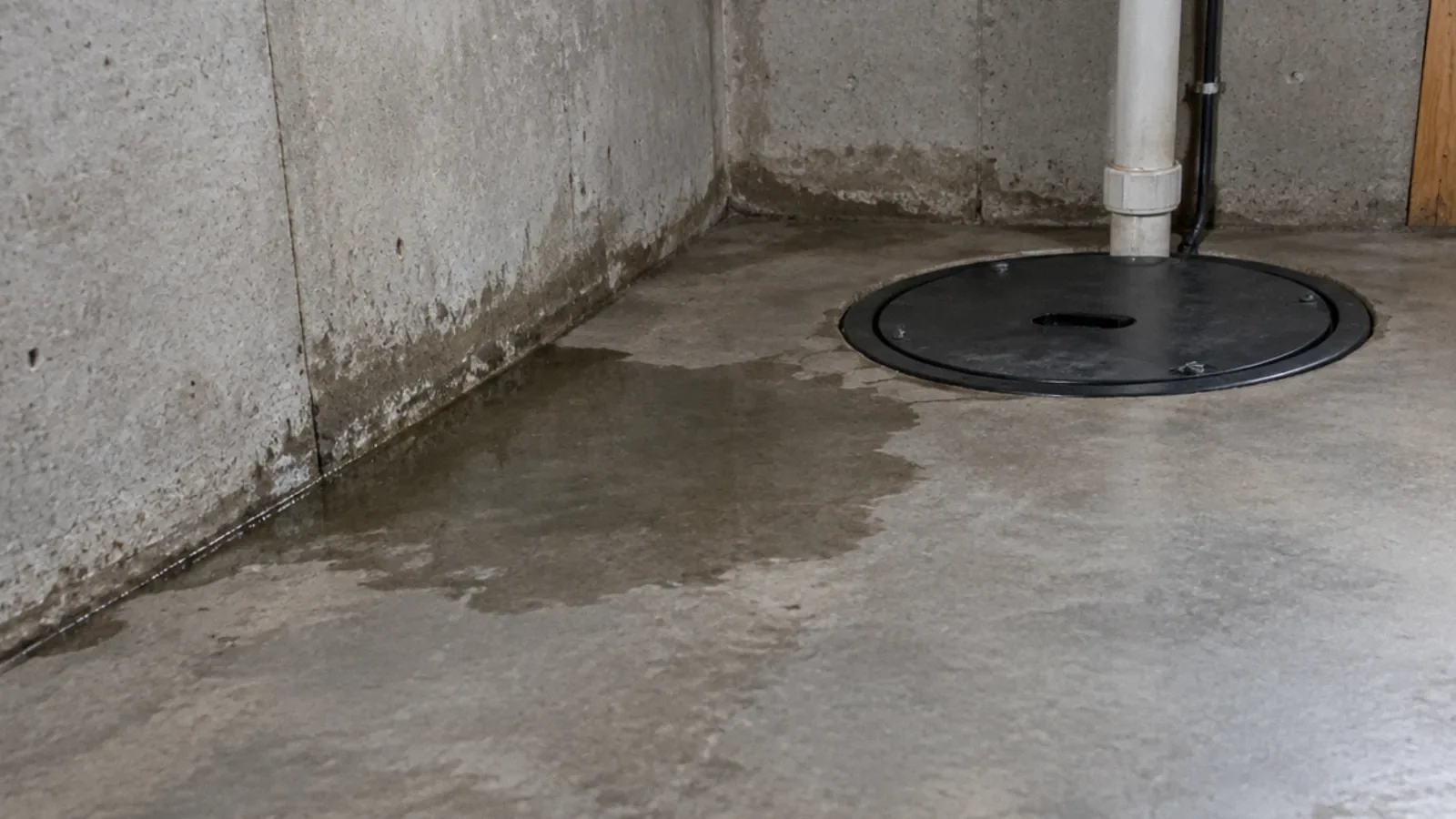
Water that appears through a basement floor or at a floor drain after rain can involve groundwater, surface drainage, a sump problem, a blocked drain or another pathway. The timing is a clue, not proof. A professional can assess the source and whether the drainage and foundation need repair.
Do not enter flooded water near electrical equipment or sewage. Deep flooding can also create structural pressure differences: removing water too quickly while outside groundwater remains high may damage basement walls. University of Minnesota Extension recommends staged pumping after a flood; a qualified professional should determine the safe approach for the actual building and conditions.
Gutters, downspouts, grading and landscape drainage can help direct rain away from a foundation when properly designed and maintained. Do not divert water onto a neighboring property or assume that a coating alone can make any basement floodproof. A prevention plan depends on the actual water route.
Trace the source and plan the repair
A puddle appearing beneath a supply pipe or appliance even in dry weather suggests a plumbing leak. Water arriving during rain at a wall crack or the wall-floor joint suggests a different pathway; water rising across the slab after prolonged rain may involve groundwater. Condensation can wet cold surfaces without a leak. These clues are not a diagnosis. Record timing, location and changes safely from outside the wet area, then compare observations after the rain stops.
Water rising from a floor drain may be a local blockage or sewer backup, not necessarily groundwater. Stop using plumbing and call a plumber; do not handle water of unknown origin as clean water. An electrician should assess electrical exposure, a plumber a suspected pipe or drain, a water-removal professional substantial or contaminated water, and a drainage specialist recurrent rain-related entry. A moving or bowed wall warrants urgent structural assessment.
Once power and contamination hazards are controlled, a small known clean-water puddle can be collected with towels or a wet-rated vacuum powered from a safe, protected source. Follow equipment instructions and discharge rules. Two inches is not an inherently safe threshold. Deep flooding, rising water or high groundwater calls for professional assessment: rapid pumping can expose a foundation to damaging outside pressure. Do not enter deep water.
Inspect accessible floor and wall finishes for staining, peeling, swelling and odor; hidden layers can remain wet. Sort salvageable hard items from wet porous materials, clean accessible hard surfaces, and have concealed moisture checked before closing the assembly. Remove unsalvageable materials as appropriate, verify drying and then repair. A surface coating alone does not solve exterior pressure or a leaking pipe.
After conditions are safe, inspect accessible gutters, downspouts, grading and discharge paths from the ground. Before the next storm arrange pump and alarm checks, a reliable backup power plan and an appropriate discharge; ask a plumber about a backwater valve where sewer backup is a risk. These measures address different causes and cannot guarantee a dry basement. Protect equipment according to local flood risk and building requirements.
Your next-step checklist
- Keep clear of water near electrical equipment.
- Stop a known supply source only if safely accessible.
- Document timing, weather and affected areas.
- Seek guidance before rapidly pumping a flooded basement.
- Identify the water pathway and verify drying before rebuilding.
Related questions
Is a small basement puddle safe to enter?
Not necessarily. It may contact electricity or contain contaminants; assess hazards before entering.
Why is there water in the basement when it has not rained?
Possible sources include plumbing, appliances, condensation, groundwater or a sump system issue. The location and timing help narrow the investigation.
Can I pump a flooded basement immediately?
The safe rate depends on outside ground conditions and the structure. Obtain local emergency or engineering guidance.
Will a dehumidifier stop water coming through a wall?
No. It may help manage indoor humidity, but the water entry source must be addressed.
Who should I call when the basement floods?
For an immediate threat, call emergency services. A utility or electrician may need to isolate electrical hazards, and a plumber or experienced flood-cleanup professional can address the source and cleanup as appropriate.
What can basement water damage affect?
Depending on the source and extent, water can affect floor coverings, wall assemblies, contents and equipment. Assess safety and concealed wet materials before rebuilding.
How is basement flood damage repaired?
After safe entry, address the source, assess contamination and wet materials, dry the assembly and plan reconstruction as appropriate to the findings.
What causes a basement leak?
Possible sources include plumbing, surface runoff, groundwater and foundation drainage. The timing and location are clues; the source needs investigation.
Why is there water in the basement after rain?
Roof runoff, grading, groundwater, foundation openings or drainage problems can contribute. The actual pathway needs assessment.
How do I dry a basement after flooding?
First address electrical and contamination hazards, then stop the source when safe and arrange appropriate water removal and drying. A professional should assess trapped moisture and sewage or floodwater damage.
What causes water in a basement?
Possible pathways include rain runoff, a foundation opening, a plumbing leak, condensation or a sump-system problem. The timing and location guide investigation; water near electricity requires qualified help.
Why is there water in my basement when it has not rained?
Possible sources include plumbing, an appliance, groundwater, condensation or a sump problem. The location and timing help guide assessment; keep clear of electrical hazards and do not assume the cause.
Who should I call for a flooded basement?
Keep clear of electrical and structural hazards first. Depending on the source, a plumber, electrician, restoration professional, utility or drainage specialist may be needed; contact emergency services for immediate danger.
Why does my basement smell?
A musty or stale odor can accompany damp materials, while sewer gas, fuel or burning odors have different possible causes and safety implications. Check for visible water from a safe location and seek qualified help when the source is uncertain or hazardous.
Sources & context
Public guidance supports the principles in this article. The practical questions and examples are editorial interpretation, not a site assessment or a coverage decision. State-specific rules apply only where identified.
- University of Minnesota Extension: Basement moistureuniversity extension guidance
- US EPA: Flood cleanupofficial guidance
- CDC: Reentering a flooded homepublic health guidance
- University of Minnesota Extension: Cleaning up after a flooduniversity safety guidance