Stay out until electrical, structural and contamination hazards are assessed. Stop the source safely, document damage and arrange appropriate extraction; then clean, dry and check affected materials, including hidden layers, before rebuilding.
Before entering or moving water
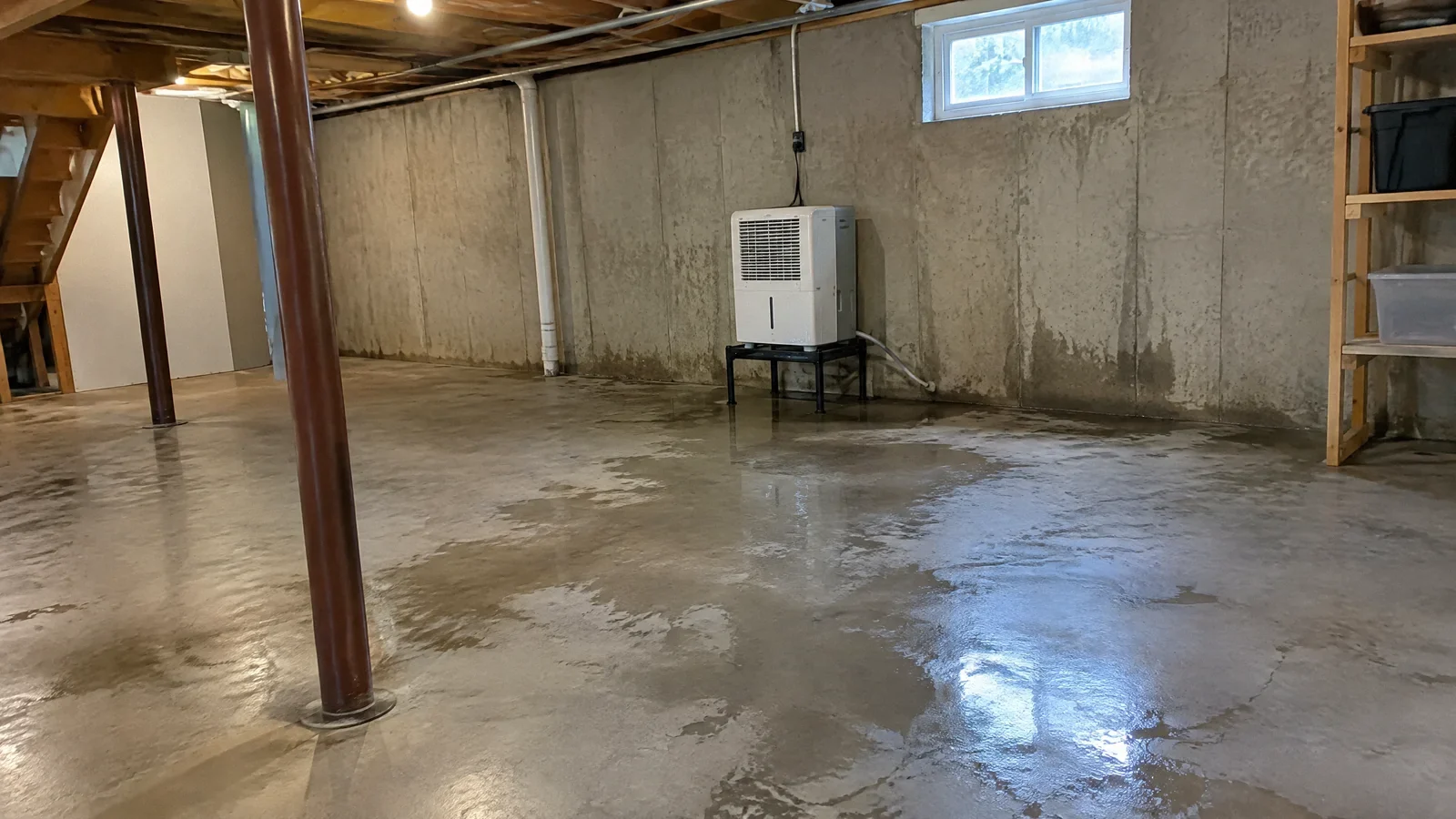
A flooded basement is an electrical, structural and contamination problem before it is a drying problem. Stay out of standing water and do not touch switches, appliances or cords in a wet area. Have the utility or a qualified electrician disconnect power when the service equipment cannot be reached safely. Leave if you smell gas and contact the utility or emergency services from outside. Wait for officials or qualified professionals to confirm that entry is safe after a disaster.
Floodwater can carry sewage, chemicals and debris even when it looks relatively clear. Children, pets and anyone whose health makes cleanup risky should stay away. Wear appropriate gloves, waterproof boots and eye protection for authorized cleanup. An N95 respirator can reduce inhalation of particles during mold cleanup, but it does not protect against gases or make a dangerous basement safe.
Stop the source and plan water removal
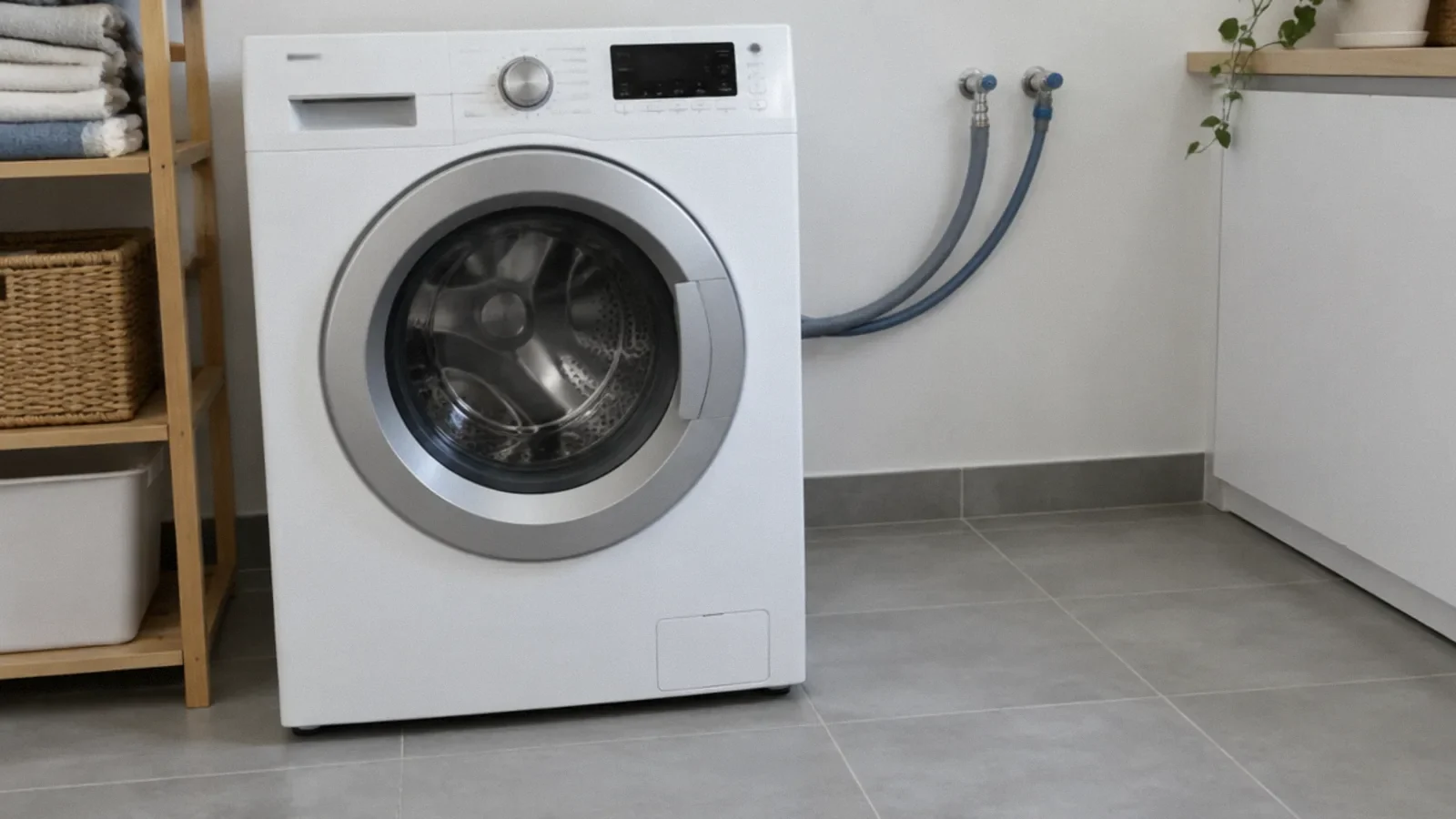
Identify whether water came from a supply leak, groundwater, surface flooding or sewage backup. Stop an accessible source only if it can be done safely; call the appropriate utility, plumber or emergency responder otherwise. Do not pump sewage or unknown contaminated water into the street, a storm drain or a yard. Ask local authorities about disposal requirements and use a qualified extraction company when contamination is possible.
After widespread flooding, outside soil may remain saturated and exert pressure on basement walls. Rapidly emptying a deeply flooded basement can create a wall or floor pressure problem. Ask local emergency officials or a structural professional when and how to remove water. Record the water level and follow their site-specific plan rather than applying a fixed pumping schedule to every building.
Document damage and separate belongings
Photograph the water line, affected rooms, materials and belongings before moving or discarding them where it is safe. Notify your insurer promptly and ask what records, samples or inspections it requires. Take immediate protective steps that are safe; do not leave wet materials in place solely to wait for a claim adjuster. Coverage depends on the cause and policy, so a photograph is documentation, not a promise of payment.
Move clean, dry belongings away from the wet area. Separate hard, cleanable items from porous items that are wet, contaminated or cannot be dried quickly. CDC advises discarding flood-soaked upholstered furniture, carpet and padding and removing drywall and insulation contaminated by sewage or floodwater. Discuss high-value or sentimental objects with a conservator before treatment. Keep an inventory and preserve photographs of discarded items.
Extract water and remove trapped moisture
Once power and structural safety are established and a suitable disposal route is confirmed, professionals can extract standing water. A small, clean-water incident may be manageable with equipment rated for the task and used according to its instructions; standing water around electrical equipment or water of uncertain quality calls for professional help. Do not operate a gasoline-powered pump, generator or pressure washer inside a basement, garage or near openings because exhaust can cause carbon monoxide poisoning.
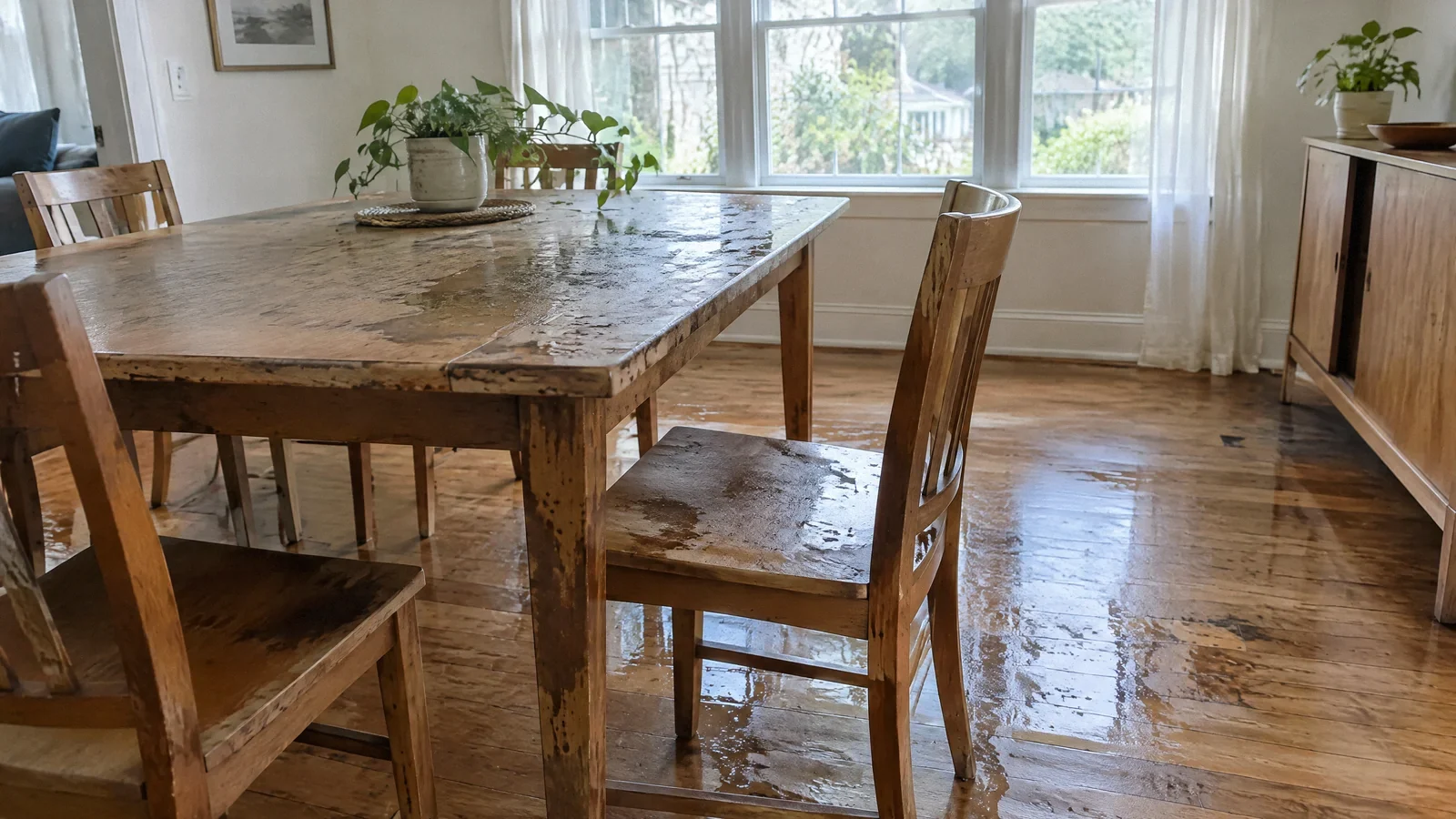
Water travels beneath flooring and behind baseboards, wallboard and insulation. A floor that feels dry does not establish that these layers are dry. Ask the drying contractor to inspect beneath coverings and along wall cavities where water reached. Wet or contaminated porous material may need removal to permit cleaning and drying; do not open suspect older building materials before appropriate asbestos or lead assessment.
Use ventilation and dehumidification appropriately
Once the space is safe and bulk water is removed, promote drying with suitable air movement and dehumidification. CDC recommends opening doors and windows and using fans when conditions permit. Outdoor air that is very humid, smoky or contaminated may not help; a professional can select a suitable drying setup for the conditions. Use only safe electrical circuits and follow equipment instructions. Do not place electrical devices in water or use improvised connections.
Do not direct fans across visible mold, contaminated dust or sewage residue: disturbing material can spread particles. Have the contamination assessed and controlled first. Empty or drain a dehumidifier according to its instructions, check its operation and keep pathways clear. Air movement and drying capacity must reach the affected materials; a single household dehumidifier cannot guarantee that a closed wall or saturated subfloor is dry.
Clean, inspect and measure before rebuilding
Clean salvageable hard surfaces with water and detergent, then dry them. CDC lists wood and metal furniture, concrete and flooring among hard surfaces that can be cleaned after flooding, but the condition and contamination of the particular item matter. Do not mix bleach with ammonia or any other cleaner. Disinfection is not a substitute for removing soil, contamination and wet damaged material.
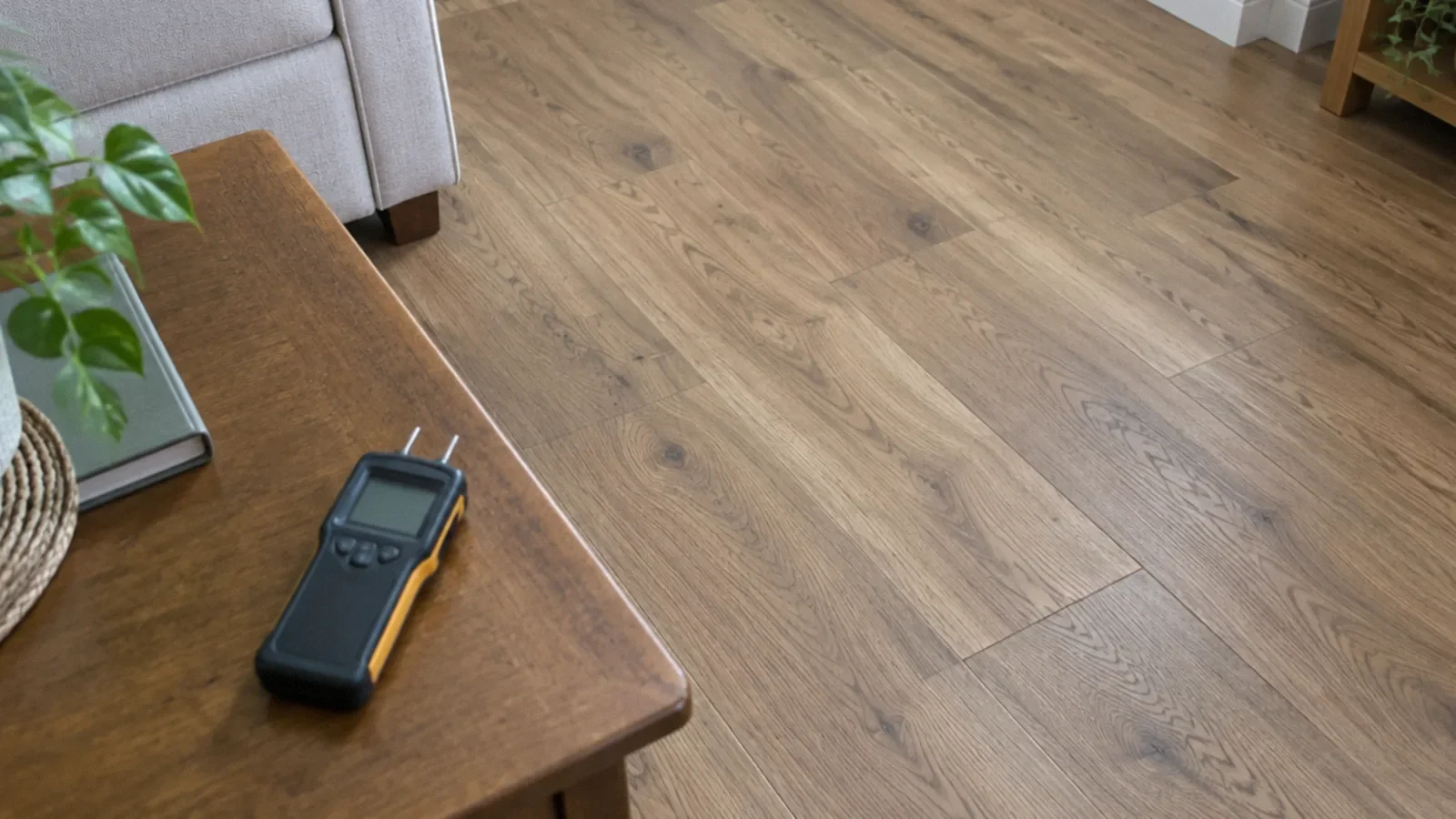
A restoration professional can track moisture in the floor, lower wall and other affected materials with suitable instruments, comparing readings with unaffected material and the instrument’s instructions. Measurements are evidence of progress, not a universal pass number for every material. Ask for the locations and dates of readings and the reason for any remaining elevated values. Closed cavities, layered flooring and insulation can need further inspection or removal.
How long drying takes and when to stop
Begin drying as soon as entry and equipment use are safe. CDC recommends drying within 24 to 48 hours if possible to help prevent mold; this is a target for prompt action, not a guarantee that mold will not develop or that every basement will dry in two days. Deep water, porous construction, inaccessible cavities, weather and a continuing leak can extend the work.
Before replacing finishes, confirm that the source is corrected, contaminated materials have been addressed, remaining materials are clean and sufficiently dry for the manufacturer’s installation requirements, and no visible mold or moldy odor remains. Obtain a written drying record and revisit any recurring dampness. If the source, extent or cleanup method remains uncertain, get an experienced restoration or building professional to assess it before enclosing the area.
Your next-step checklist
- Keep people out until entry and electrical safety are established.
- Document the water line and contact your insurer.
- Remove water and contaminated material using a suitable disposal plan.
- Track moisture in affected materials before installing finishes.
Related questions
Can I turn on a fan in standing water?
No. Keep electrical equipment out of water and have a qualified person establish safe power before using drying equipment.
Will a dehumidifier dry the wall cavity?
It helps remove moisture from room air, but a closed cavity may need inspection and removal of wet materials; verify affected layers.
Is two days enough to dry a flooded basement?
Not necessarily. Start promptly, but the required time depends on materials, water depth, conditions and access.
Sources & context
Public guidance supports the principles in this article. The practical questions and examples are editorial interpretation, not a site assessment or a coverage decision. State-specific rules apply only where identified.