Investigate recurring water, condensation, musty odors, changing cracks and pump alarms. Their causes differ, and a visual sign alone is not a diagnosis. Keep clear of electrical, sewage and structural hazards.
Start with immediate safety
Basement problems range from condensation and odors to water entry, equipment failures and structural movement. If water reaches electrical equipment, outlets or cords, stay out and contact an electrician or utility for safe isolation. Never step into water to reach a switch. Avoid contact with sewage or water of unknown origin.
Leave and seek emergency help if water is rising rapidly, a wall is moving, a ceiling is sagging or the building appears unsafe. A visual checklist can help describe a condition but cannot certify structural or electrical safety.
Wet walls, floors and standing water
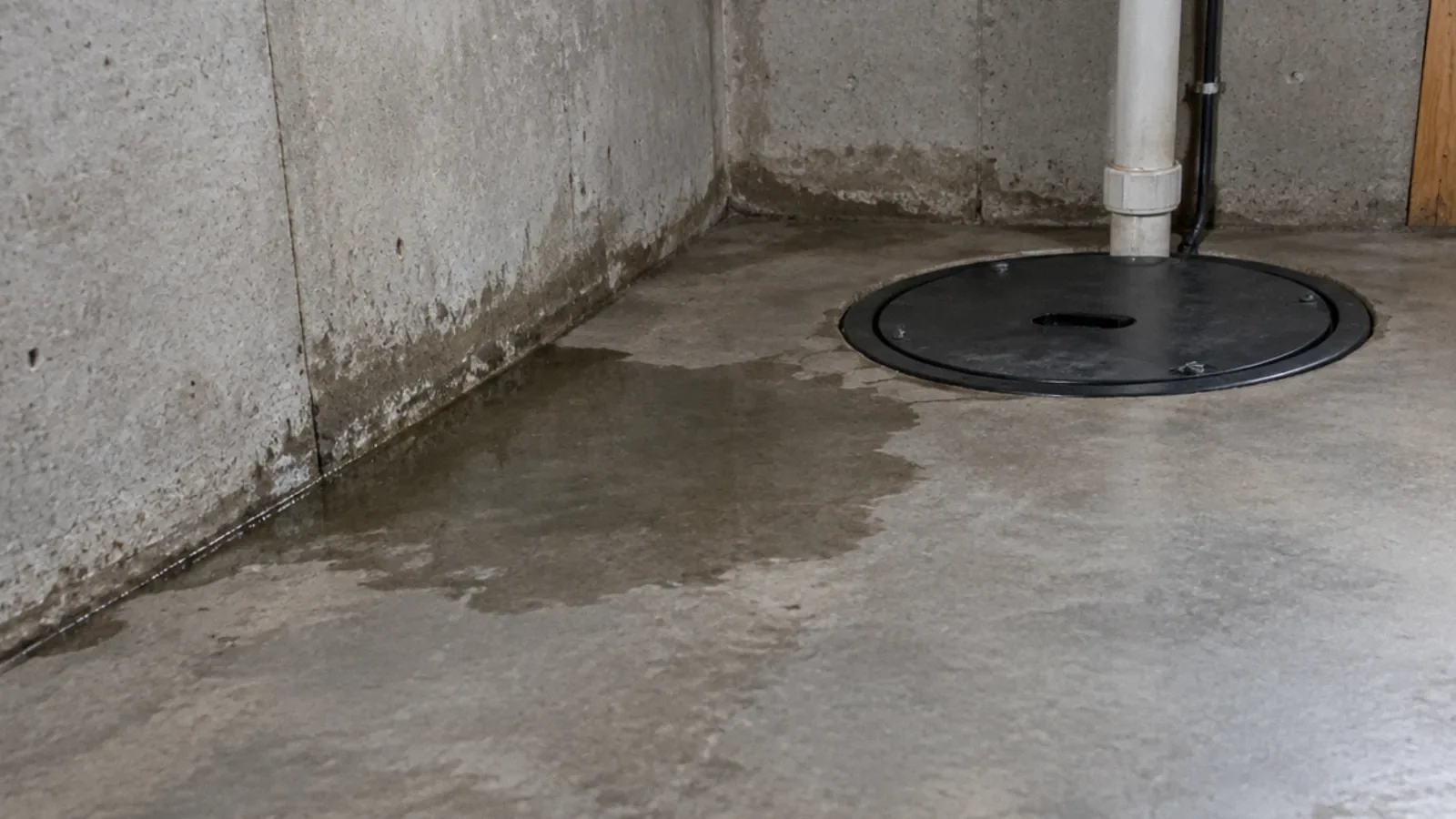
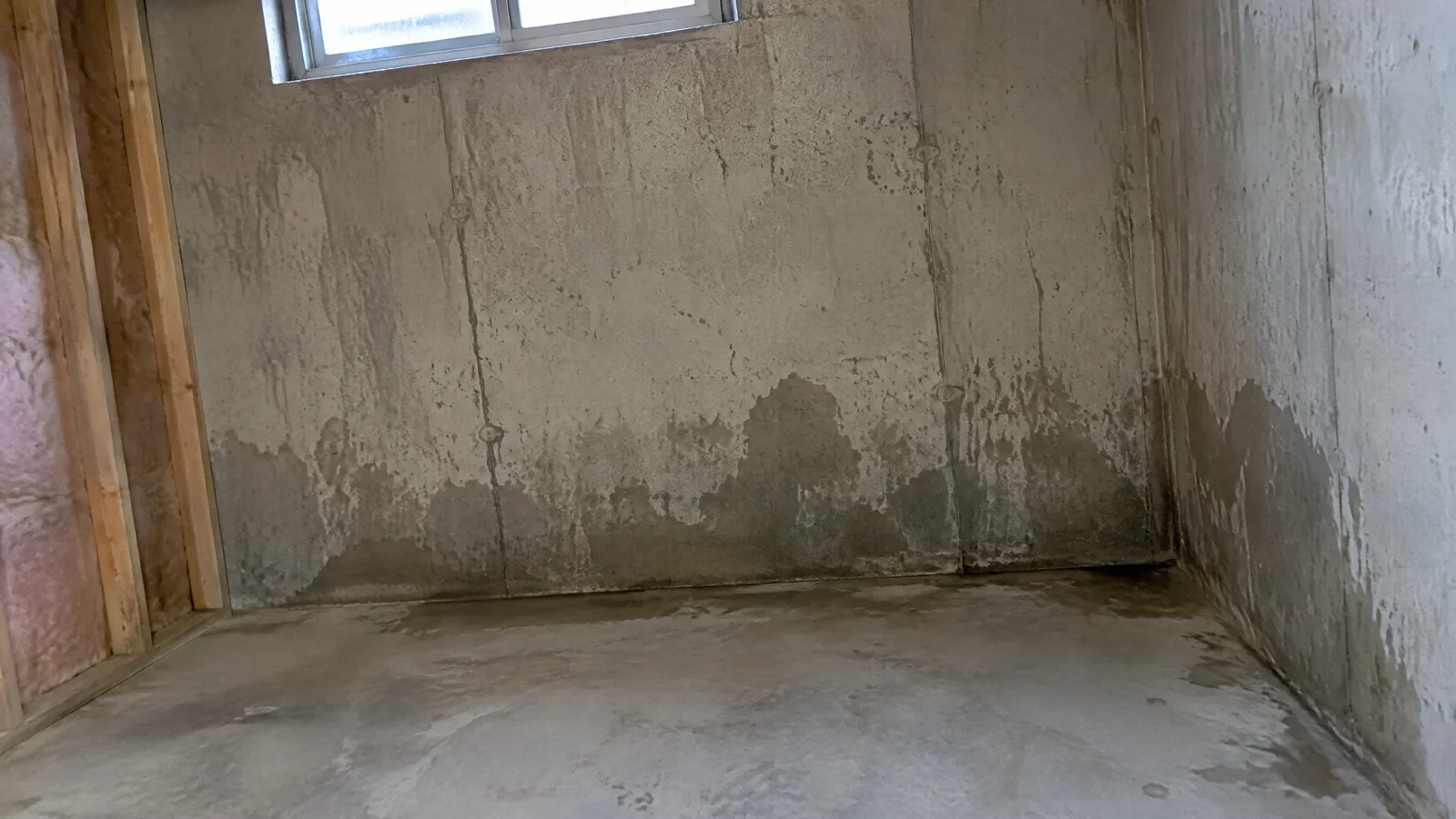
Water may enter after rain through a foundation opening, arrive from a plumbing leak, rise from a drain or result from condensation on a cold surface. Note where it first appears and whether it follows rain, appliance use or another event. Water can travel beneath finishes, so the nearest stain is not necessarily the entry point.
University of Minnesota Extension recommends considering indoor moisture sources, gutters, downspouts and grading when assessing basement dampness. Correcting these may help some homes, while persistent problems can require a drainage assessment. A dehumidifier can reduce airborne moisture but does not stop liquid water entry.
Musty odor and suspected mold
A persistent musty smell can indicate damp materials or growth, but it does not identify the source or species. Stored wet belongings, a concealed leak and other conditions can contribute. Observe accessible walls, boxes and plumbing without disturbing suspect material or entering a hazardous space.
EPA advises correcting the water problem and cleaning indoor mold. A small suitable hard surface may be cleaned according to EPA and CDC guidance, while extensive growth, sewage contamination or inaccessible material calls for experienced help. People with relevant respiratory conditions or weakened immunity should avoid cleanup and seek individual advice.
Cracks, bowing and movement
A crack may have different causes and significance depending on its location, width, change over time and the structure. Photograph it with a date and note any new movement, sticking doors, displaced masonry or bowing. A photograph alone cannot determine whether a crack is structural or whether repair is urgent.
Arrange a qualified structural assessment for a new or widening crack, bowing, displacement or other concerning movement. If movement appears active or the building feels unsafe, leave and contact local emergency authorities. Do not rely on filler or paint to resolve an unassessed structural issue.
Humidity and condensation
Use a hygrometer to record temperature and relative humidity in a representative location. EPA recommends indoor humidity below 60% if possible, ideally 30%–50%. A reading is a starting point, not proof that every wall or floor layer is dry. Cold pipes and surfaces can condense moisture even when the center of the room seems comfortable.
Dry accessible condensation and investigate its source. Ventilation, insulation and dehumidification may help depending on climate and the building. Warm humid outdoor air can add moisture to a cool basement, so opening a window is not automatically a drying solution.
Sump and drainage warning signs
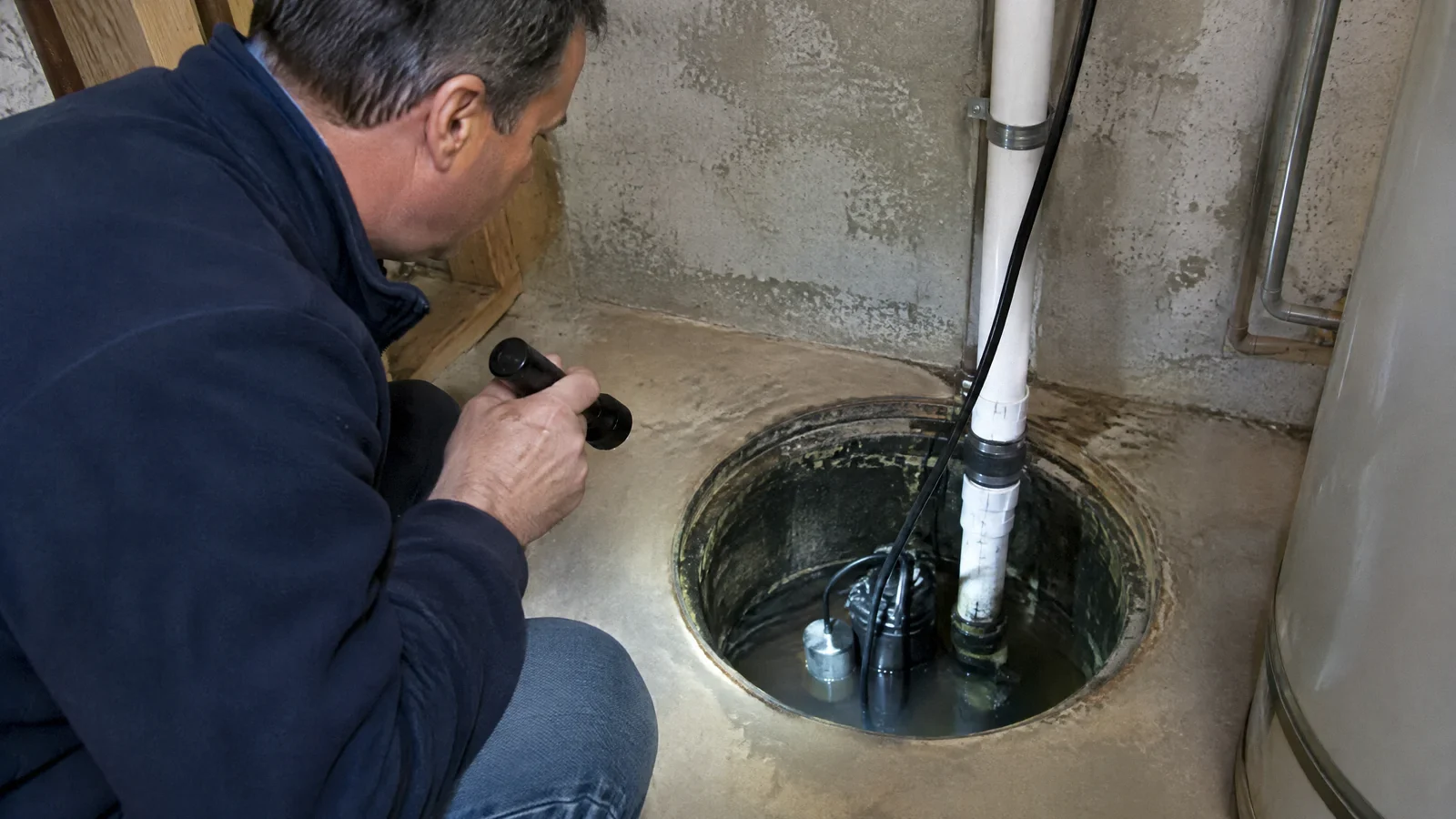
A pump that does not start, runs continuously, cycles unusually or triggers a high-water alarm needs attention. Check accessible conditions only from a safe location and follow the equipment manual. A blocked or frozen discharge, failed control, outage or high inflow are different possibilities; the symptom alone does not identify the failure.
A drainage pipe helps only if it collects the relevant water and has an appropriate outlet. Keep records of the basin, alarm, backup and discharge, and arrange safe testing and service. Never reach into a wet pit or handle a wet cord while power may be present.
Other equipment and air concerns
Look for plumbing corrosion or drips, a blocked condensate drain and damaged stored materials. Do not open electrical panels or service combustion appliances yourself. EPA recommends checking for moisture and testing for radon when converting a basement into living space. Radon is not detectable by smell or appearance; use an appropriate test and follow local guidance.
A sewage odor may indicate a drain issue and calls for plumbing assessment. A gas or burning smell is a separate emergency: leave and contact the utility or emergency responders. Do not assume an odor is mold simply because it occurs in a basement.
Prioritize repair and monitor
Write down the location, date, weather, equipment status and visible changes. Share these facts with the relevant professional: plumber for a suspected leak or sewer backup, electrician for wet equipment, drainage specialist for recurring water entry and structural professional for concerning movement.
Ask for the evidence supporting the proposed repair, alternatives, what remains inaccessible and how the result will be checked. After repairs, monitor during normal use and after relevant rainfall. Dry and assess wet finishes before replacing them; removing a puddle does not establish that concealed material is dry.
Your next-step checklist
- Stay clear of standing water near electricity.
- Record water timing, location and weather.
- Watch for changes in cracks or wall alignment.
- Check humidity and sump alerts safely.
- Arrange qualified assessment of persistent or hazardous conditions.
Related questions
Does a musty smell prove mold is hidden?
No. It can indicate dampness but has several possible causes and does not locate or identify growth.
Are all basement cracks structural?
No. Their significance varies; new, widening or displaced cracks and bowing warrant qualified assessment.
Will a dehumidifier stop basement seepage?
No. It reduces airborne moisture but does not repair a leak or drainage problem.
Can I enter shallow basement water?
Do not enter water near electrical equipment or suspected sewage; even shallow water can be hazardous.
Sources & context
Public guidance supports the principles in this article. The practical questions and examples are editorial interpretation, not a site assessment or a coverage decision. State-specific rules apply only where identified.
- University of Minnesota: Basement moistureuniversity extension guidance
- EPA: Mold and moisture guidefederal health guidance
- EPA: Remodeling and indoor air qualityfederal indoor air guidance
- CDC: Mold cleanup recommendationsfederal health guidance