A musty smell can point to damp materials or poor moisture control, but a basement odor can also come from drains, stored chemicals, fuel, or equipment. Respond immediately to suspected gas, smoke, or burning and investigate persistent odors rather than covering them up.
Rule out an immediate hazard
A smell alone cannot identify a substance reliably. If you suspect natural gas or smell a strong fuel odor, leave the building immediately without operating switches or appliances and call the gas utility or emergency services from outside. Do not search for the leak yourself. If there is smoke, fire, or a hot electrical burning smell, leave and call emergency services as appropriate. Never enter standing water near electrical equipment.
Carbon monoxide is colorless and odorless, so the absence of an odor does not establish safety. If a carbon monoxide alarm sounds, go outside to fresh air and call emergency services. Do not return until responders say it is safe. An alarm chirp can have several meanings, but an unfamiliar signal should not be dismissed as a battery problem while an active alarm is possible.
A musty or earthy smell: look for moisture
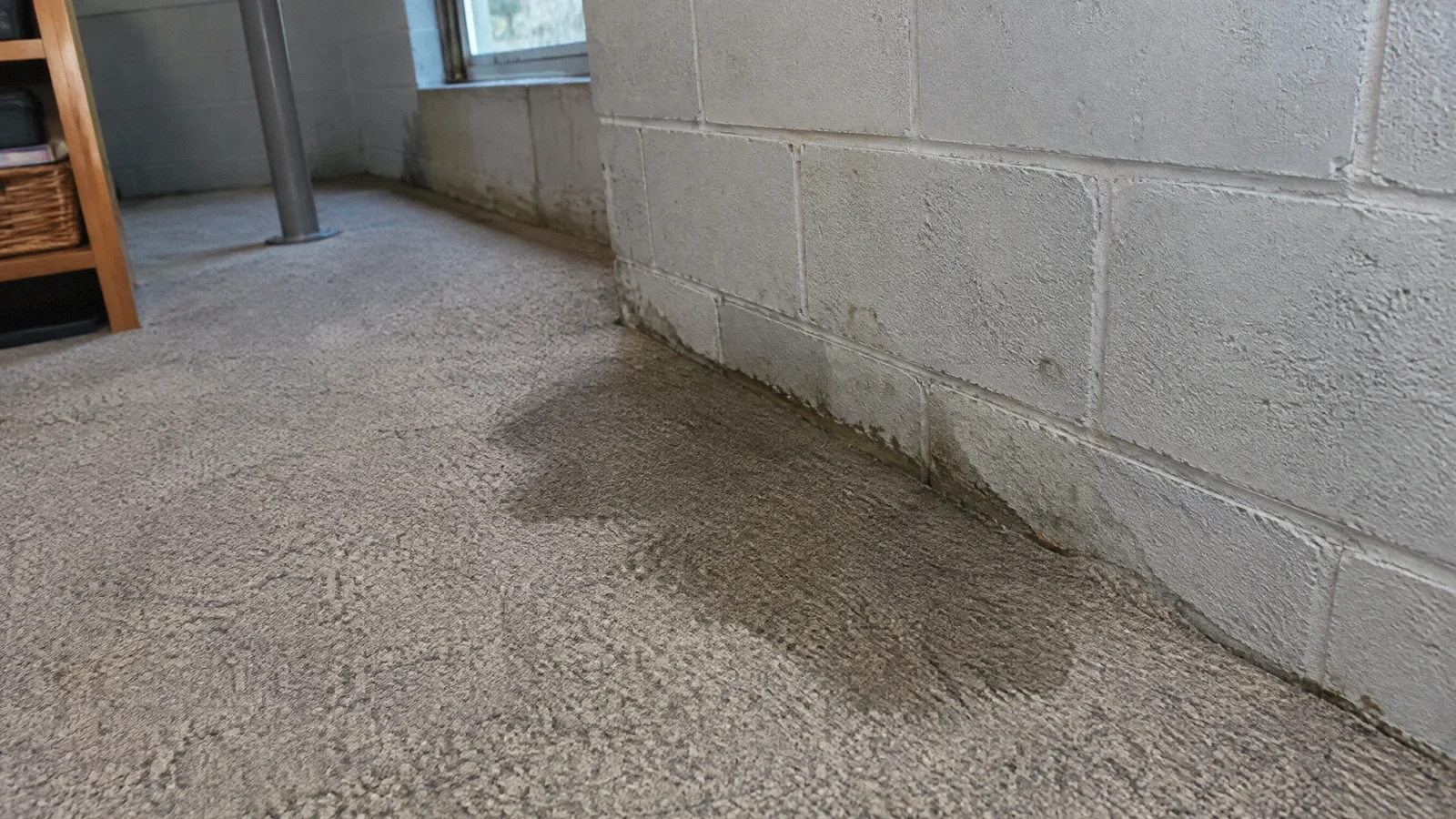
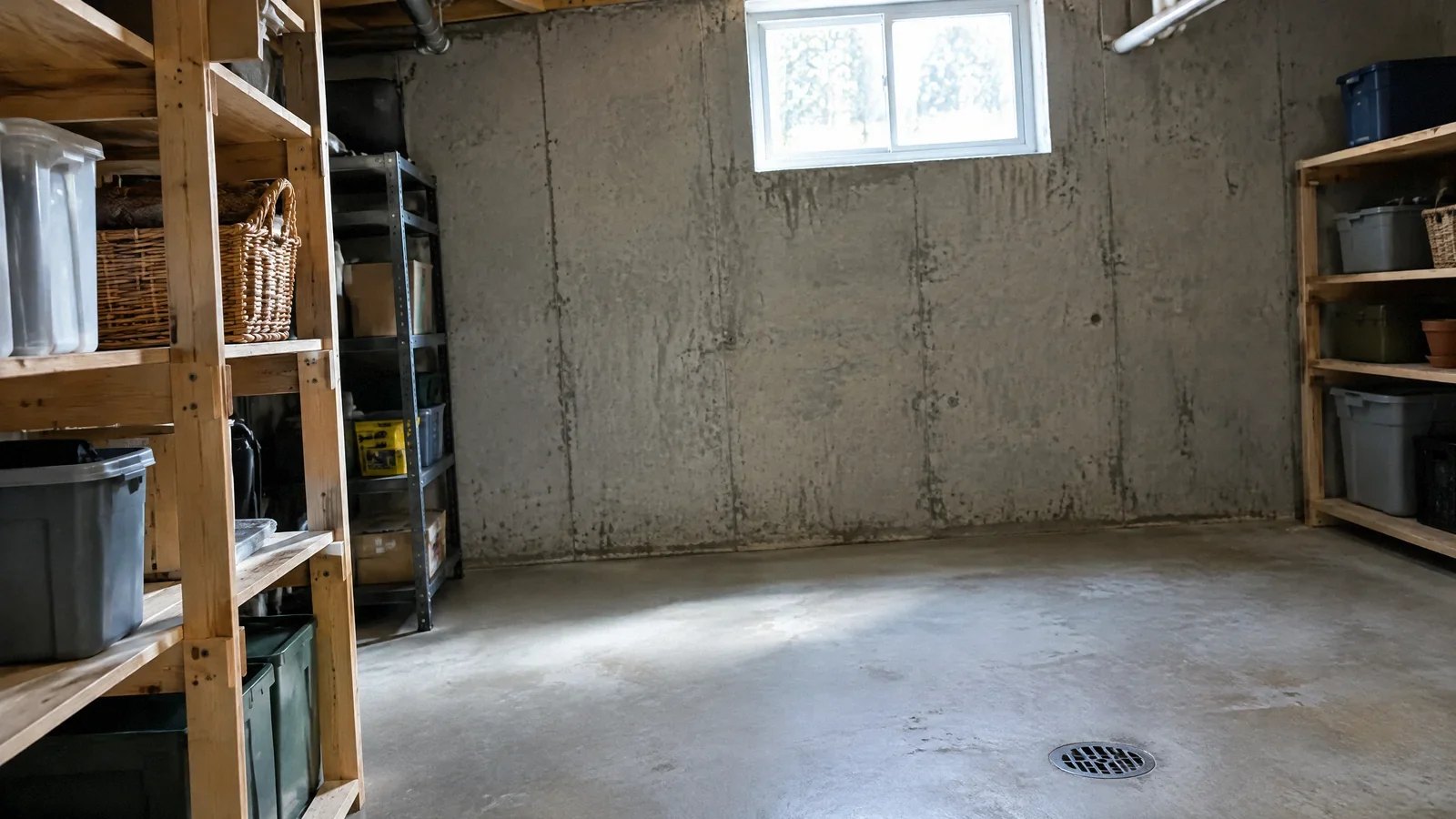
A musty odor often accompanies dampness, but it does not prove which material is affected or identify a mold species. Look from accessible areas for damp carpet, staining, condensation on cold pipes, wet cardboard, efflorescence on masonry, or damage along the base of a wall. Take photographs and note the location and timing. Do not cut open walls, disturb suspected growth, or enter an unsafe crawl space to hunt for the source.
Compare the odor after rain with the odor during dry weather. Water appearing along an exterior wall or floor joint after storms can suggest runoff or seepage. A wet patch below a bathroom or near a supply line suggests a plumbing issue. Widespread clamminess in warm, humid weather may involve condensation on cool surfaces. These are clues, not conclusions: more than one source may be present. A qualified inspector can trace a hidden source and check materials without assuming that a visible stain marks the entire wet area.
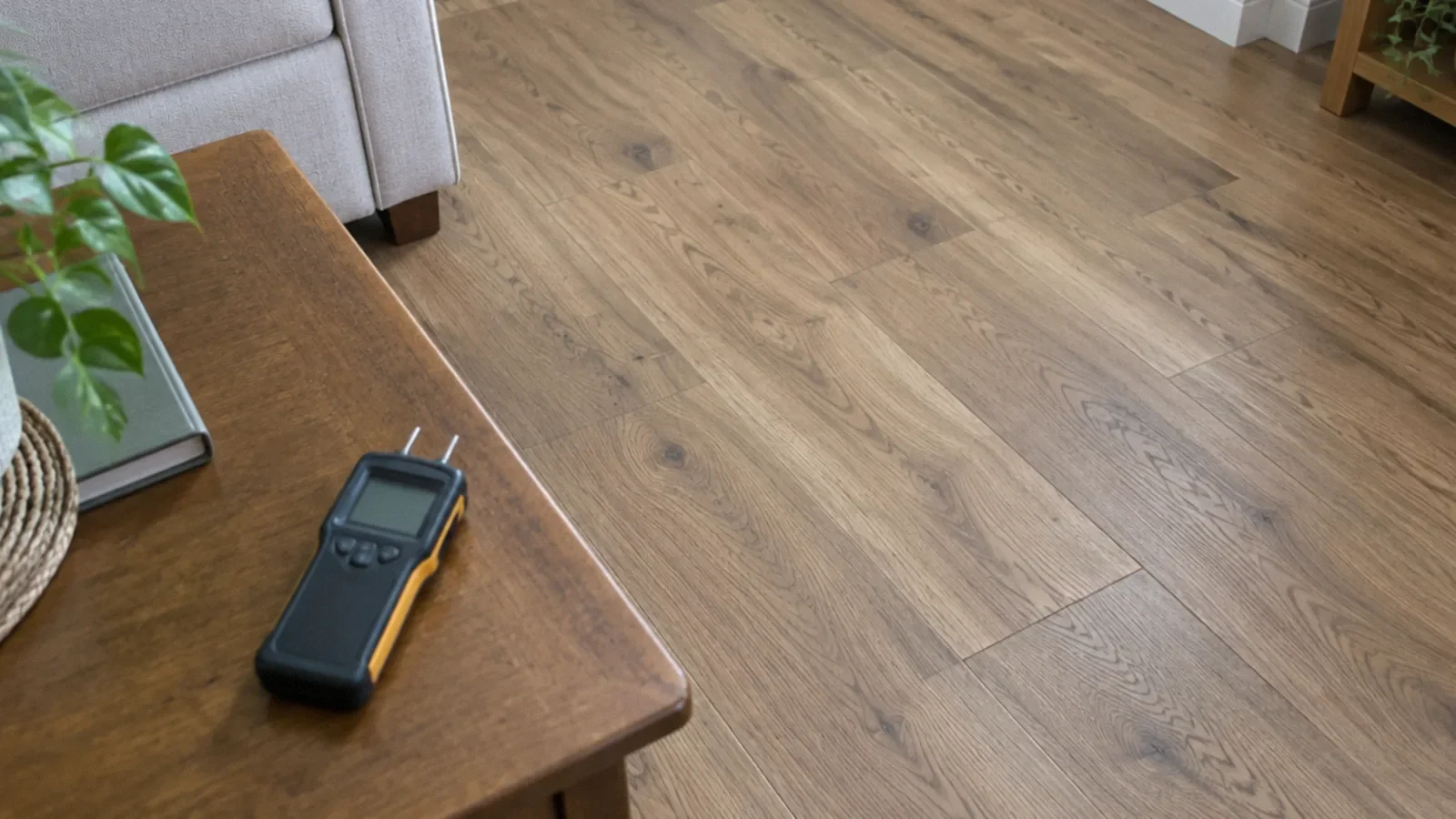
EPA recommends controlling moisture and fixing the water source. A humidity gauge can help track indoor relative humidity; EPA generally recommends below 60%, ideally 30–50% when possible. Humidity readings do not replace inspection for leaks. A dehumidifier may help with humid air but cannot repair a leaking pipe or foundation. Clean and maintain the unit according to its instructions.
Drain, sewage, and other odors
A sewer-like smell can come from a plumbing problem, including an infrequently used drain whose water seal has evaporated, a defective connection, or a backup. If a floor drain is accessible and its purpose is known, a plumber can assess the trap and plumbing. Avoid putting chemicals into an unidentified drain. If sewage has backed up or the water source is unknown, keep people and pets away and contact a plumber and a cleanup professional experienced with contaminated water. Do not handle sewage-contaminated materials as ordinary clean water.
Stored paint, solvents, pesticides, fuels, and household chemicals can produce odors. Check their containers visually from a safe distance and follow label instructions; do not combine products or open leaking containers. A dead animal can also create a persistent odor. If the source is inaccessible or contaminated material is involved, ask an appropriate professional. Ventilation can help after a safe source has been removed, but it is not a substitute for identifying a suspected hazardous leak.
Dry, clean, and confirm the repair
For a small, known clean-water incident, remove the source promptly and dry affected items as soon as practical. EPA advises drying water-damaged materials within 24–48 hours where possible to help prevent mold growth. Carpet backing and padding can remain wet even when the surface feels dry. If water is extensive, has reached concealed assemblies, or cannot be identified, request professional assessment. Moldy porous materials may need replacement because complete cleaning can be difficult.
Fix the underlying cause before closing a wall, reinstalling carpet, or painting. For example, a contractor may need to repair a supply leak or address drainage outside; the appropriate remedy depends on the source and building. Painting over staining or adding fragrance may hide a symptom while the moisture persists. After work, check the area again under the conditions that produced the odor, such as after rain, and ask the contractor how hidden materials were assessed and dried.
What to tell an inspector or landlord
Record when you first noticed the smell, whether it is constant or intermittent, recent rain or plumbing work, and the rooms where it is strongest. Provide photographs of stains or wet materials and note whether anyone has observed a backup. Renters should notify the property manager in writing and report urgent hazards immediately using the building’s emergency procedure.
A moisture inspection may include visual examination and measurements of building materials. Ask for the proposed access method, what was found, and how the source will be repaired. If occupants have health concerns, consult a healthcare professional. Odor intensity and color cannot establish exposure or a diagnosis.
Your next-step checklist
- Leave and call from outside if gas or fuel is suspected.
- Check accessible areas for leaks, condensation, and wet materials.
- Note whether odor changes after rain or plumbing use.
- Keep away from sewage and seek qualified cleanup.
- Repair the source and verify materials have dried.
Related questions
Does a musty smell always mean mold?
No. It is a reason to investigate dampness and materials, but smell alone cannot confirm mold or identify its species.
Will a dehumidifier fix a basement smell?
It may reduce excess humidity, but it will not repair a leak or remove contaminated material. Find and correct the source first.
Can carbon monoxide smell musty?
Carbon monoxide is odorless. A functioning alarm and a safe response to an alarm remain important regardless of odor.
Sources & context
Public guidance supports the principles in this article. The practical questions and examples are editorial interpretation, not a site assessment or a coverage decision. State-specific rules apply only where identified.