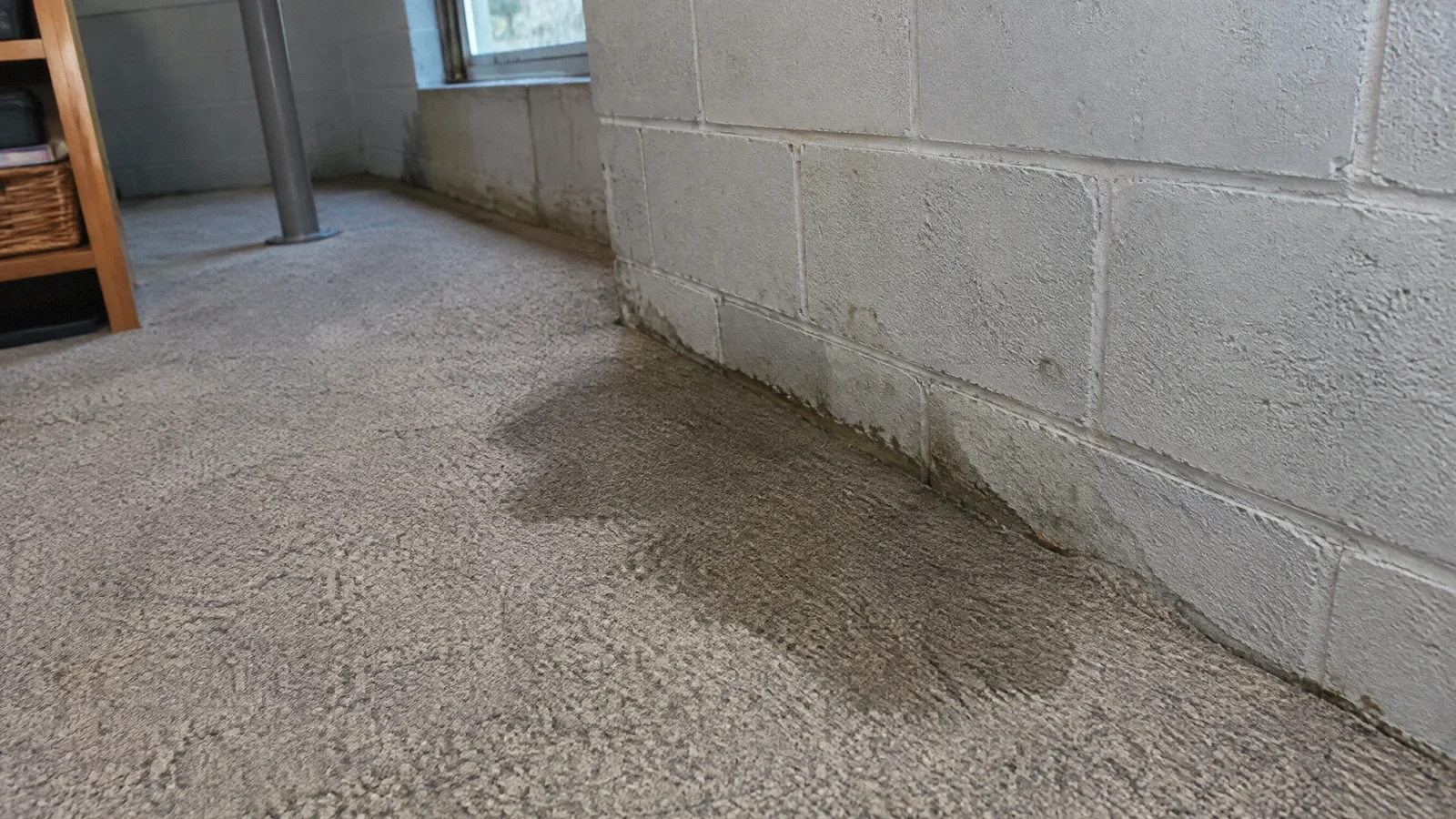
An unexplained wet carpet may result from a plumbing leak, rainwater intrusion, condensation, an appliance, or a spill. Note where and when it becomes wet, stop an active source if safe, and arrange prompt drying of the carpet and padding.
Keep the area safe and preserve clues
If water is near outlets, wiring, or electrical equipment, stay out of the wet area and contact a qualified electrician or utility. Do not operate an electrical appliance while standing in water. If the water may contain sewage, floodwater, or chemicals, keep people and pets away and call a professional experienced with contaminated water. A clear appearance does not prove that water is clean.
Photograph the affected area before moving belongings if it is safe to do so. Note when the dampness first appeared, whether the patch grows, and whether it is close to a wall, bathroom, appliance, window, or heating and cooling equipment. Lift small portable belongings away from the wet area, but avoid pulling up carpet yourself if the subfloor may be damaged or the water source is uncertain. Tell a landlord or building manager promptly; a leak can originate in another unit.
Match the location to a possible source
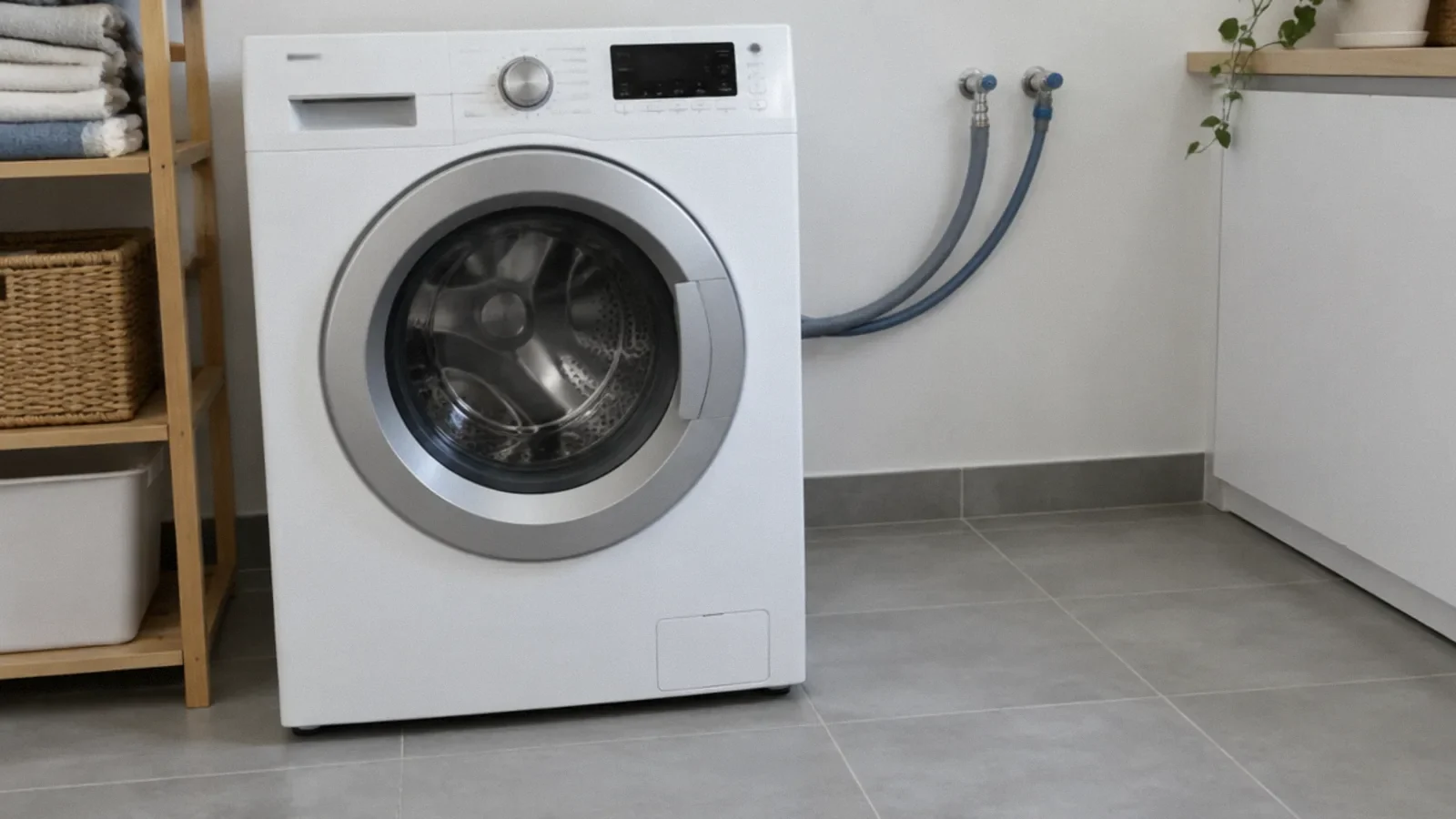
A wet area near a bathroom, kitchen, laundry room, radiator, or water heater may point to a supply line, drain, fixture, or appliance. Look for visible drips and moisture on accessible surfaces without taking equipment apart. Water can travel under flooring, so the wettest point in the carpet is not necessarily directly below the leak. If a supply pipe is actively leaking and its shutoff is known and safely accessible, close the appropriate valve and contact a plumber. Do not force a stuck valve.
Near an exterior wall, door, or window, compare the wet patch with rainfall and wind direction. Failed flashing, gaps at a threshold, roof drainage, or water collecting near the foundation are possible pathways. A ceiling or wall stain above the patch may indicate water entering higher up, but its exact route may require inspection. Examine the outside only from safe ground; do not climb onto a roof or enter floodwater to investigate.
An isolated patch beneath a plant, pet bowl, humidifier, or recently cleaned item may have a simpler explanation. Ask whether anything was spilled or recently moved. Dry the area and monitor it rather than assuming a one-time spill if the patch returns. Take dated photographs and mark the approximate boundary on a removable note so a professional can see whether it is spreading.
Damp basement carpet after rain
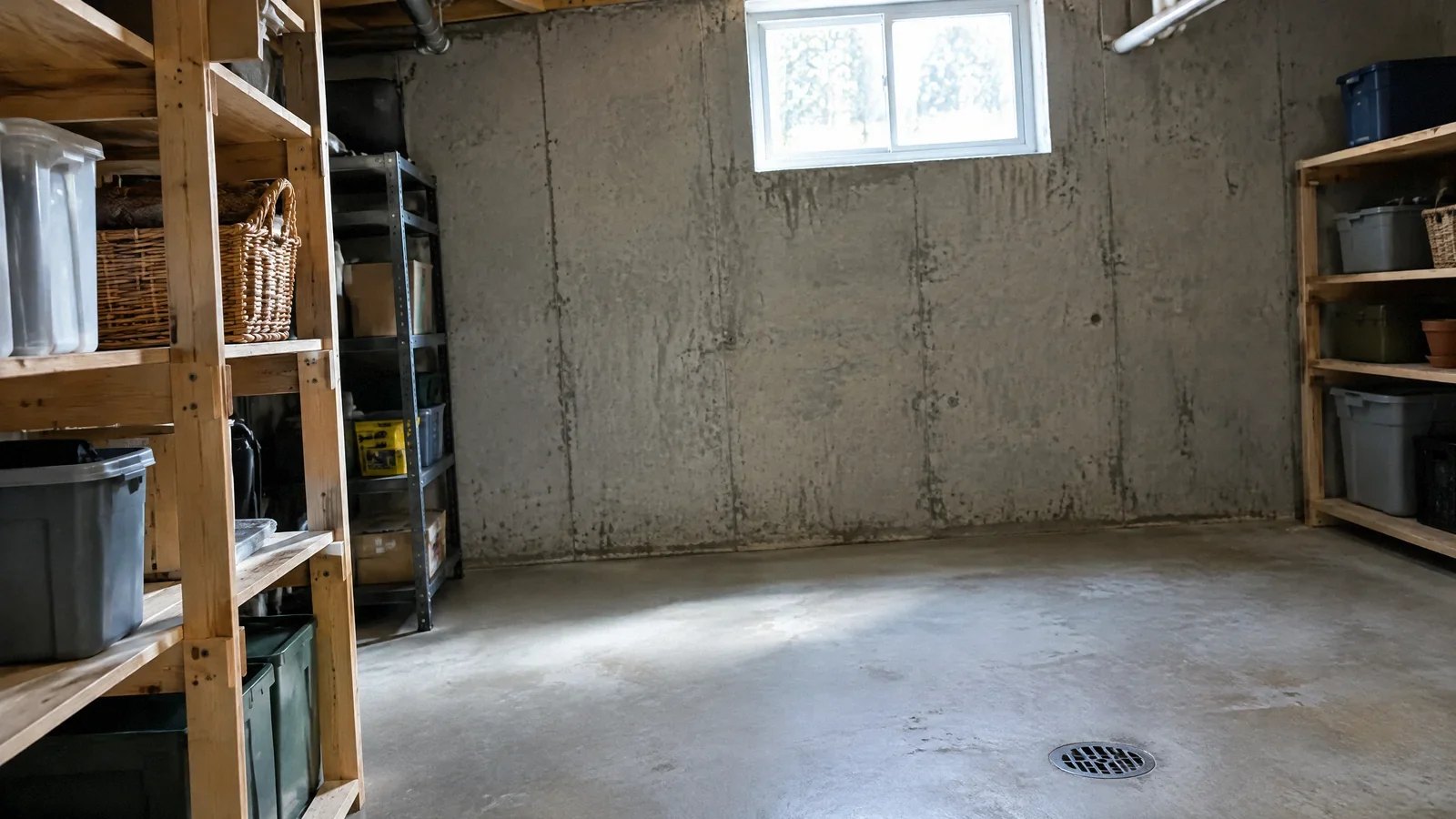
If carpet becomes damp after rain, check whether moisture starts at an exterior wall, window well, door threshold, or floor joint. From the ground, look for overflowing gutters, disconnected downspouts, or water collecting against the building. These observations help a drainage or foundation specialist, but do not establish which repair is needed. Repeated wetting calls for identifying the pathway before replacing finishes.
Rain is not the only possible cause. EPA notes that moisture can enter through a concrete slab and that humid air can condense on a cool basement slab beneath carpet. Condensation may be more likely when warm, humid outdoor air enters a cooler basement. A humidity gauge and observations of cool surfaces provide clues, while a professional moisture assessment can distinguish wet materials and help investigate competing causes. Do not assume that every damp slab needs the same sealant or drainage system.
Check cooling equipment and condensation
A wet patch near an air conditioner or air handler can result from a blocked condensate drain, an overflowing pan, or another equipment fault. Turn to the equipment manual and arrange service if water is escaping; do not open electrical compartments or bypass a safety switch. Pipes and cold surfaces can also collect condensation in humid conditions. Reducing humidity and insulating a suitable pipe may help after the source is confirmed, but a visibly wet pipe could also be leaking.
EPA recommends keeping indoor humidity below 60%, ideally 30–50% when possible. These are general moisture-control targets, not a guarantee that a carpet is dry. A dehumidifier can reduce moisture in air, but it cannot remove water trapped in all layers or correct an ongoing leak. Maintain the appliance and empty or drain it safely according to its instructions.
Dry all layers and decide what can stay
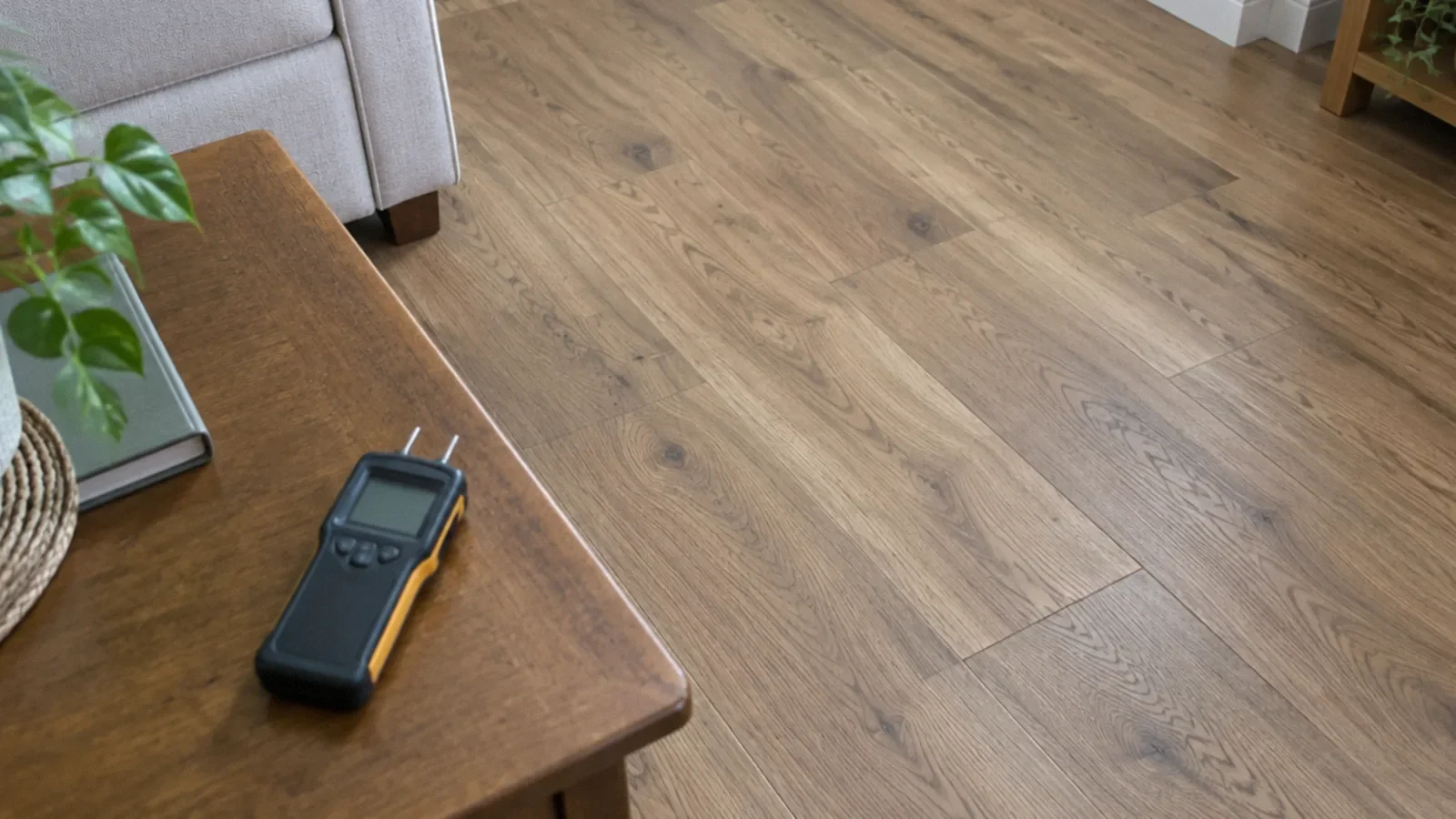
Address the water source first. EPA advises drying water-damaged materials within 24–48 hours where possible to reduce the risk of mold growth. Carpet backing, padding, and the surface below need attention as well as the face fibers. A professional can extract water and assess whether the layers can be dried, cleaned, and retained. The safe method depends on the water source, duration, carpet construction, and condition of the subfloor.
Moldy porous materials may have to be discarded because they can be difficult to clean completely. Sewage or floodwater requires specialized assessment and cleanup. Do not cover a damp area with a rug or reinstall carpet over an unverified wet floor. After the repair, monitor the area during the weather or appliance cycle associated with the original problem. Recurring dampness means the source or drying work needs another review.
Your next-step checklist
- Keep away from water near electricity or suspected sewage.
- Photograph the patch and note its location and timing.
- Check accessible plumbing, appliances, and exterior drainage clues.
- Stop an active water source if safe.
- Arrange prompt assessment and drying of carpet, padding, and subfloor.
Related questions
Why is basement carpet wet only after rain?
Rainwater may be entering near a wall, window, door, or slab, but condensation and plumbing can also contribute. Record the pattern and have the pathway assessed.
Can carpet feel dry while its padding remains wet?
Yes. Carpet backing and padding can retain water after the surface feels dry, so all affected layers need assessment.
Will a dehumidifier alone fix a wet carpet?
It may help lower humidity but cannot reliably fix an ongoing leak or prove that padding and subfloor are dry.
Sources & context
Public guidance supports the principles in this article. The practical questions and examples are editorial interpretation, not a site assessment or a coverage decision. State-specific rules apply only where identified.