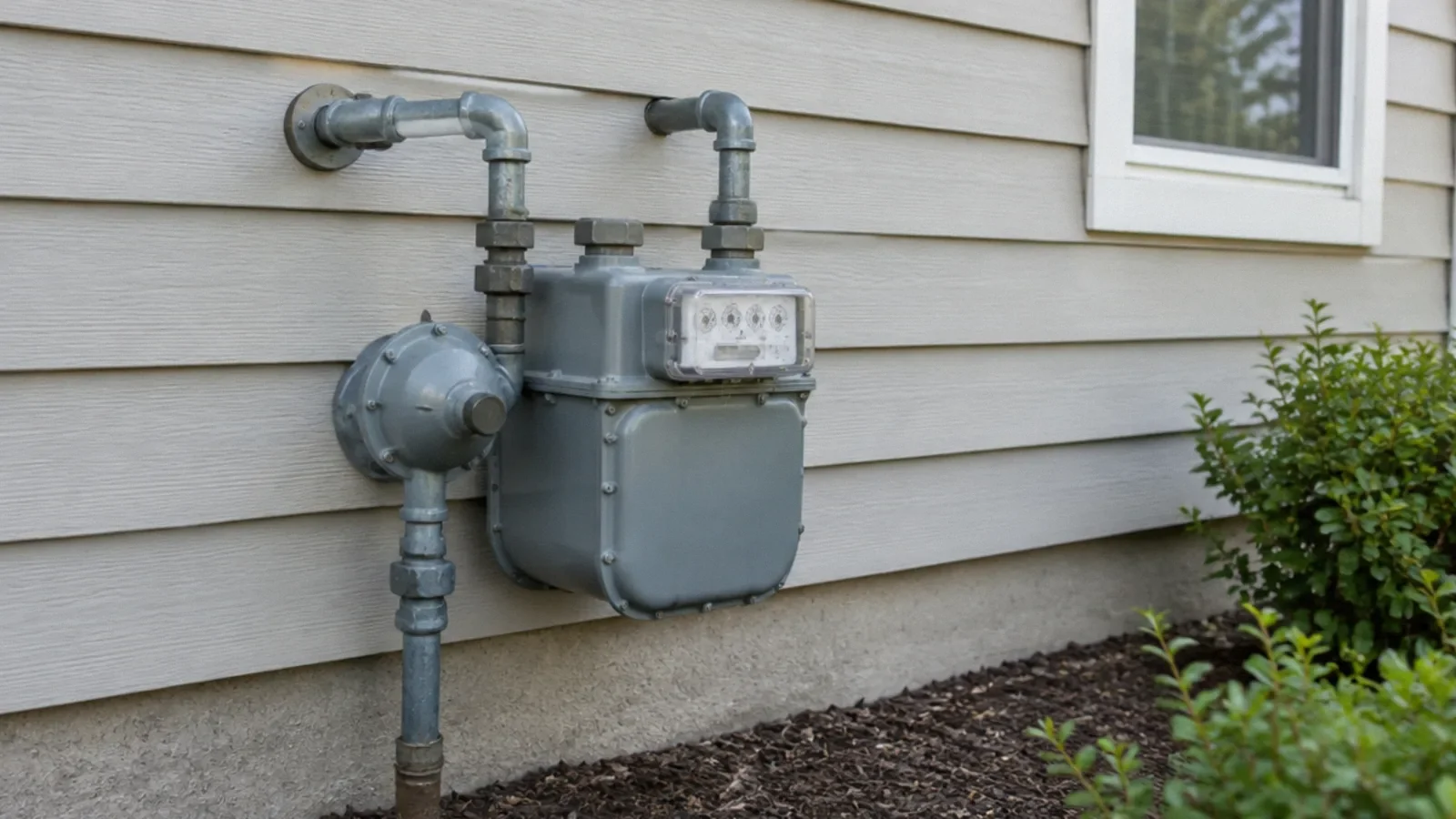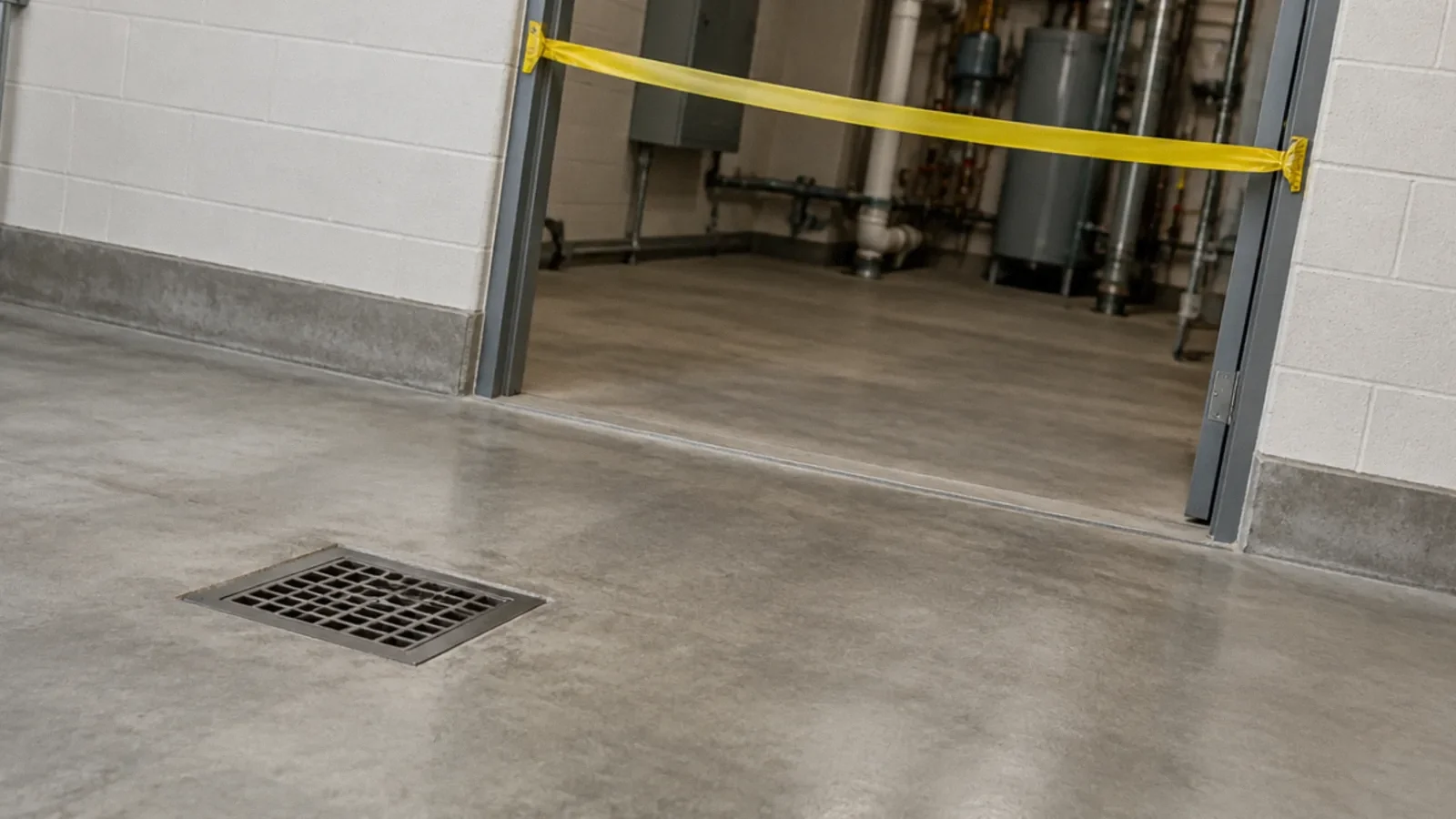
A sewer-like or rotten-egg smell can have several causes, including a plumbing problem, but odor alone cannot safely identify it. If natural gas may be leaking, leave immediately without operating switches or devices and call 911 and the gas utility from a safe location. For a confirmed plumbing odor, a qualified plumber can investigate the source.
Rule out an immediate emergency
Natural gas odorant and some sewer odors can both be described as sulfur-like or rotten egg smells. If a gas leak is possible, alert others and leave immediately. Do not operate lights, phones, appliances, vehicles or other potential ignition sources near the suspected leak. Call 911 and the gas utility only after reaching a safe location.
Do not search for the odor in a confined space or attempt to diagnose it by smelling more closely. A serious odor or symptoms such as dizziness or breathing trouble need prompt attention; leave and seek emergency help as appropriate. Follow responders’ instructions before returning.
What people mean by sewer gas
Sewer gas is a mixture of gases associated with sewage and plumbing systems; its composition varies. Hydrogen sulfide can have a rotten-egg odor, but CDC guidance warns that smell can become unreliable with exposure and cannot be used to judge whether a hazardous concentration is present.
A smell in a bathroom, basement or under a house does not identify a particular gas or its concentration. Do not enter a pit, septic tank, crawl space or other confined area to investigate. Those spaces can contain dangerous atmospheres and require trained personnel.
Decomposition of wastewater can produce a mixture of gases, including hydrogen sulfide. Odor varies and cannot measure the concentration or establish that a space is safe.
Exposure concerns and symptoms
Sewer gas is a mixture, so odor does not establish which substances are present or their concentration. Hydrogen sulfide is one possible component. ATSDR explains that exposure effects vary with concentration and duration; irritation, headache, dizziness or breathing difficulty can have many causes and are not a diagnosis by themselves.
Leave a suspected hazardous area and seek urgent medical or emergency assistance when symptoms are significant. Never enter a septic tank, pit or confined space to rescue someone without trained responders: a would-be rescuer can be overcome too. A fading smell does not prove that the gas is gone.
Possible plumbing causes
A trap that has lost its water seal, a damaged drain connection, a blocked or faulty vent, a toilet seal problem or a sewer backup may contribute to an odor. These are possibilities, not a diagnosis from smell alone. A plumber should determine which condition exists before recommending a repair.
A fixture that is rarely used may have a dry trap, but do not run water if fixtures are backing up or if gas safety remains uncertain. Record which fixtures were used and when the odor occurs. Share that information after the area has been declared safe.
Bathroom and toilet clues
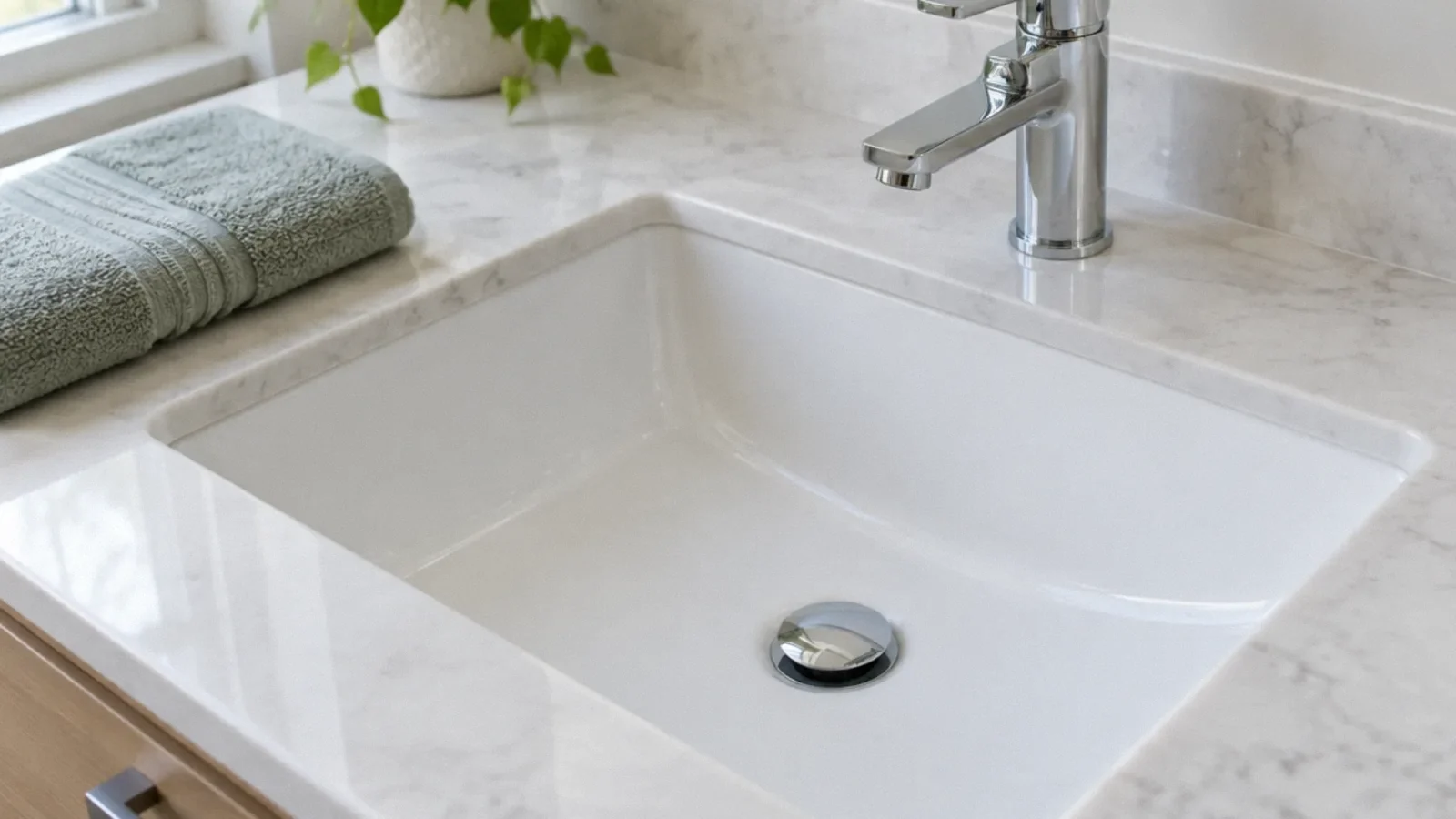
An odor near a sink, shower or toilet can arise from more than one part of the drain system. A wet floor around the toilet, loose fixture, gurgling or slow drainage may help a plumber select an inspection path. Water can also travel, so an odor near one fixture does not prove the defect is directly below it.
Do not remove a toilet, open a wall or use a chemical drain cleaner to mask an odor. Such work can expose occupants to contaminated water or create a new hazard. Ask the plumber to explain what was observed and which sections could not be inspected.
If sewage backs up
Stop using affected fixtures to avoid adding more wastewater. Keep children and pets away, avoid contact and do not attempt to open a sewer cleanout. Contaminated water can affect flooring, walls and belongings and may conceal electrical hazards.
Contact a plumber or the responsible utility and an experienced cleanup professional as appropriate. Document the damage from a safe place and inform the property manager or insurer. A cleared line and a sanitized, dry building are separate parts of the response.
What to ask a plumber
Provide a timeline, the location of the odor, whether it comes and goes and any slow drains, gurgling, leaks or recent work. Ask what inspection is proposed, how access will be obtained and whether any testing or repair is included in the estimate.
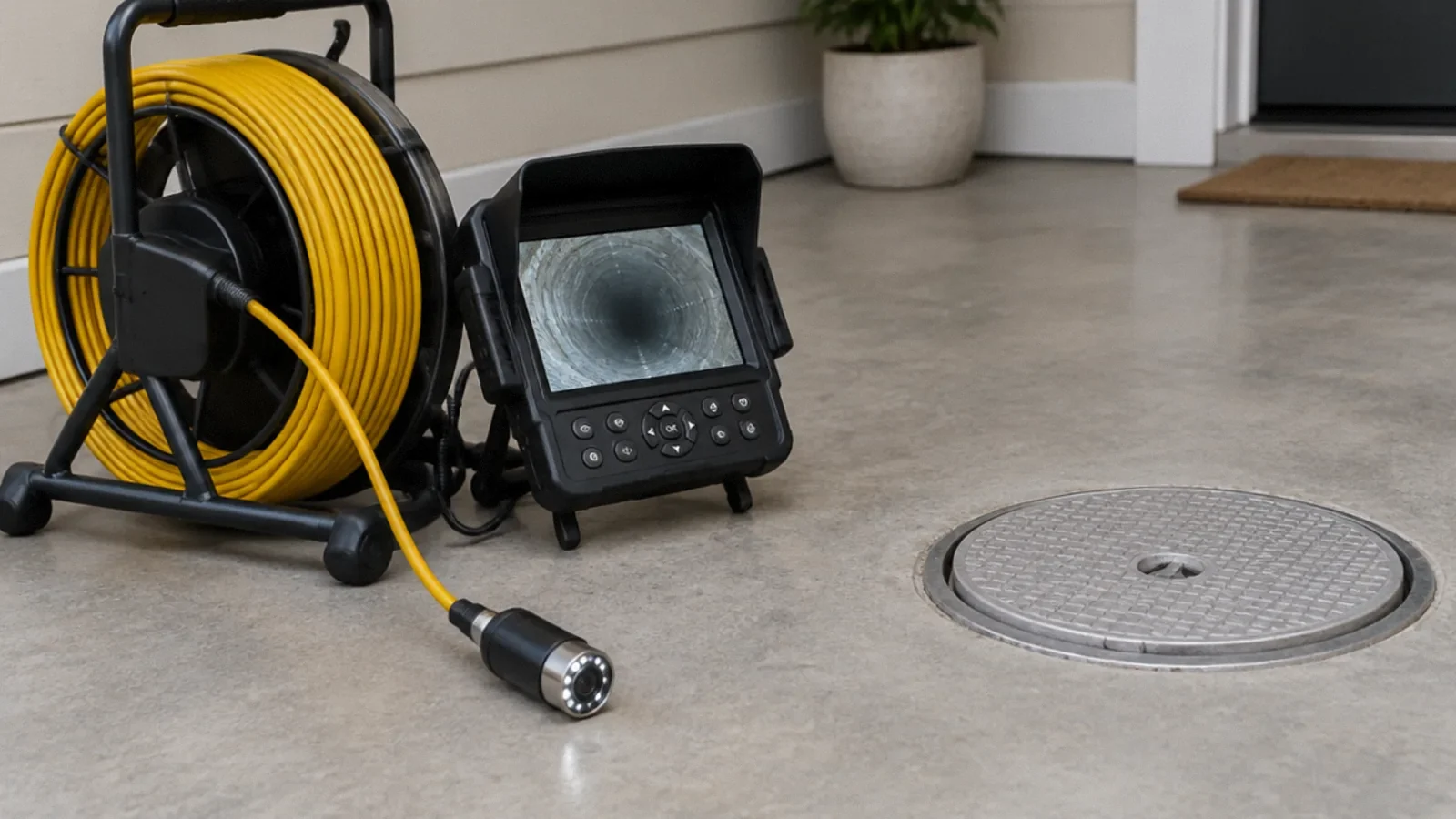
Request a written description of the finding and the recommended repair. A camera can show accessible pipe interiors, but it does not automatically identify every vent or seal problem. A contractor should distinguish a confirmed defect from a suspected cause and explain limitations.
After repairs
Once a qualified professional says it is safe, monitor whether the odor recurs and document when and where it appears. If the smell returns and natural gas is possible, leave and repeat the emergency response. Do not rely on a fragrance or the temporary disappearance of a smell to establish safety.
Maintain plumbing and use fixtures according to the building’s guidance. If water or sewage damaged materials, ask how cleaning and drying were verified. Keep service reports and photographs so a later investigation can build on what was already checked.
Septic odors and gas-leak uncertainty
EPA lists sewage odors near a septic tank or drainfield among possible signs of a system problem; backups, slow drains and wet spots can provide additional clues. The odor can also be noticed inside. Do not open or enter a septic tank, pit or other confined space. Contact a qualified septic professional or the relevant local agency.
Sewer gas can smell sulfurous or like sewage, but natural gas odorant can also smell like rotten eggs. You cannot safely distinguish the source or concentration by smell alone; sensitivity to hydrogen sulfide can also diminish. If a natural gas leak is possible, leave without operating switches or devices and call 911 and the gas utility from a safe location.
Drain residue, water supply and other household odors
After a possible gas emergency is ruled out, organic buildup in an accessible drain opening can produce a local odor. Visible residue or a smell strongest at one drain may be a clue, not proof. Follow the fixture maker’s safe cleaning instructions for accessible surfaces, never mix cleaning chemicals, and avoid opening pipes or entering confined spaces. Call a plumber if the odor persists, multiple fixtures are affected, drainage is slow or sewage backs up.
A smell noticed only when water is running could involve the drain or the supplied water. Tell a plumber or water provider whether it occurs with hot water, cold water or both, and which fixtures are affected. Do not run water to test a suspected gas emergency.
A fecal or poop-like smell may also come from pet waste, a contaminated surface, animals or damp materials. Check only readily accessible, safe areas once immediate hazards are excluded; a musty or sewage-like description does not diagnose the source. Do not enter a crawl space or disturb suspected animal remains. Arrange appropriate pest, cleaning or plumbing help based on the evidence. For broader household odor investigation, see the related home odor guide.
Your next-step checklist
- Leave immediately if a natural gas leak is possible.
- Call 911 and the gas utility from a safe location.
- Do not enter pits, tanks or unsafe crawl spaces.
- Stop using fixtures if sewage backs up.
- Ask a plumber to identify the cause and repair.
Related questions
What causes a sewer smell in a bathroom?
Possible causes include a dry trap, a damaged connection, a vent problem or a backup. A plumber must investigate the specific condition.
Can I tell sewer gas from natural gas by smell?
No. Odors can overlap, and smell is not a safe diagnostic tool. If natural gas is possible, leave and call for help.
Who should I call for a sewage odor?
Call emergency services and the gas utility from a safe location if gas is possible. Once immediate hazards are ruled out, a plumber or property manager can investigate the plumbing.
Is it safe to enter a septic tank to look for the source?
No. Tanks and other confined spaces can contain dangerous atmospheres and require trained personnel.
Sources & context
Public guidance supports the principles in this article. The practical questions and examples are editorial interpretation, not a site assessment or a coverage decision. State-specific rules apply only where identified.
- PG&E: Natural gas safetyutility safety guidance
- CDC NIOSH: Hydrogen sulfidefederal health guidance
- CDC ATSDR: Hydrogen sulfide factsfederal health guidance
- ATSDR: Hydrogen sulfide health informationpublic health guidance
- U.S. EPA: Resolving septic system malfunctionsfederal septic guidance
- Source guidance: nepis.epa.govverified guidance