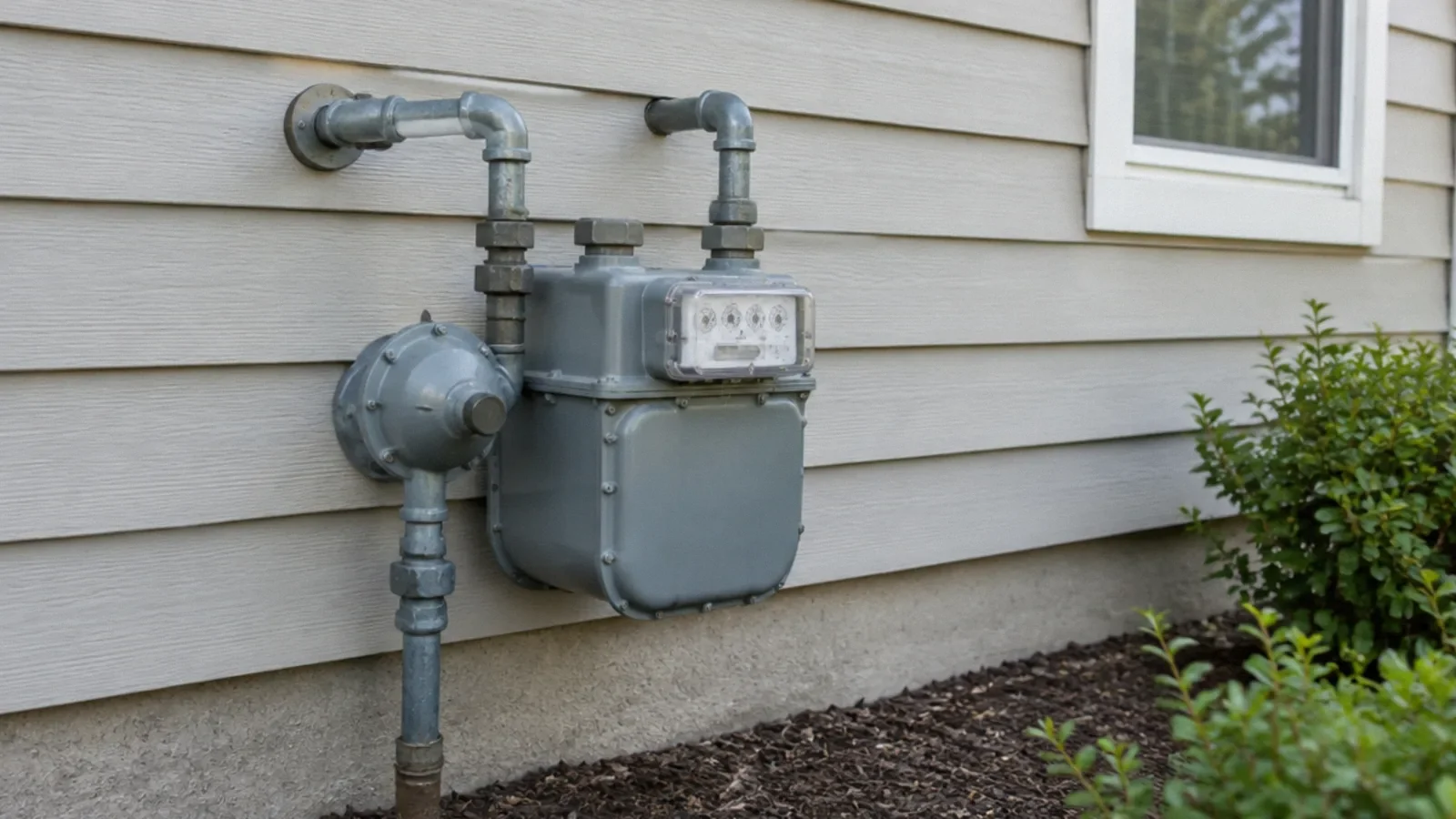
If you suspect a natural gas leak, alert others and leave immediately. Do not operate lights, phones, appliances or anything else that could create a spark near the suspected leak. From a safe location, call 911 and your gas utility. Do not search for the source or assume an odor is only a drain problem.
Treat a suspected gas leak as an emergency
A sulfur or rotten-egg odor can be associated with odorized natural gas, but smell is not a reliable way to rule a leak in or out. A hissing sound or another sign of a damaged gas connection also warrants immediate action. Alert everyone nearby and move away from the building to a safe location.
Do not use a phone, light switch, flashlight, vehicle or other possible ignition source near the suspected leak. Once safely away, call 911 and the local gas utility. PG&E advises leaving immediately and calling emergency services before reporting the leak to the utility. Follow responders’ instructions and do not return until cleared.
Do not try to identify the odor up close
Sewer gas, plumbing problems and other sources can produce unpleasant odors, and some descriptions overlap with the smell added to natural gas. A familiar smell or a neighbor’s opinion cannot safely identify the source. Never search for the leak with a flame or operate appliances to test a theory.
Do not attempt to repair a gas line or turn valves in a hazardous area. Leave first and let trained responders investigate. If a gas leak is ruled out, the appropriate professional can assess other sources without treating the initial emergency as harmless.
Signs are not limited to smell
Natural gas odorant helps many people notice a leak, but the utility warns not to rely only on smell. An unusual hissing or roaring sound near a gas appliance or pipe can be a warning. Outside, disturbed soil, persistent bubbling or unusual vegetation near a line can also deserve attention.
People may not perceive an odor in the same way, and a single sign does not establish the size or location of a leak. If you suspect an emergency, avoid using electrical devices or starting a vehicle nearby and move to a safe location before calling for help.
What about a sewer or septic smell?
A sewer-like odor can have several plumbing causes, including a dry trap, a damaged connection or a venting problem. It may be noticed near a drain or after a fixture has not been used, but the location and description do not prove the cause. A plumber can investigate once the area is confirmed safe.
If wastewater is backing up, stop using affected fixtures and avoid contact with the water. Tell the plumber about the odor, which fixtures are affected and any recent backup. Do not enter a confined or poorly ventilated area to inspect a suspected sewer gas source.
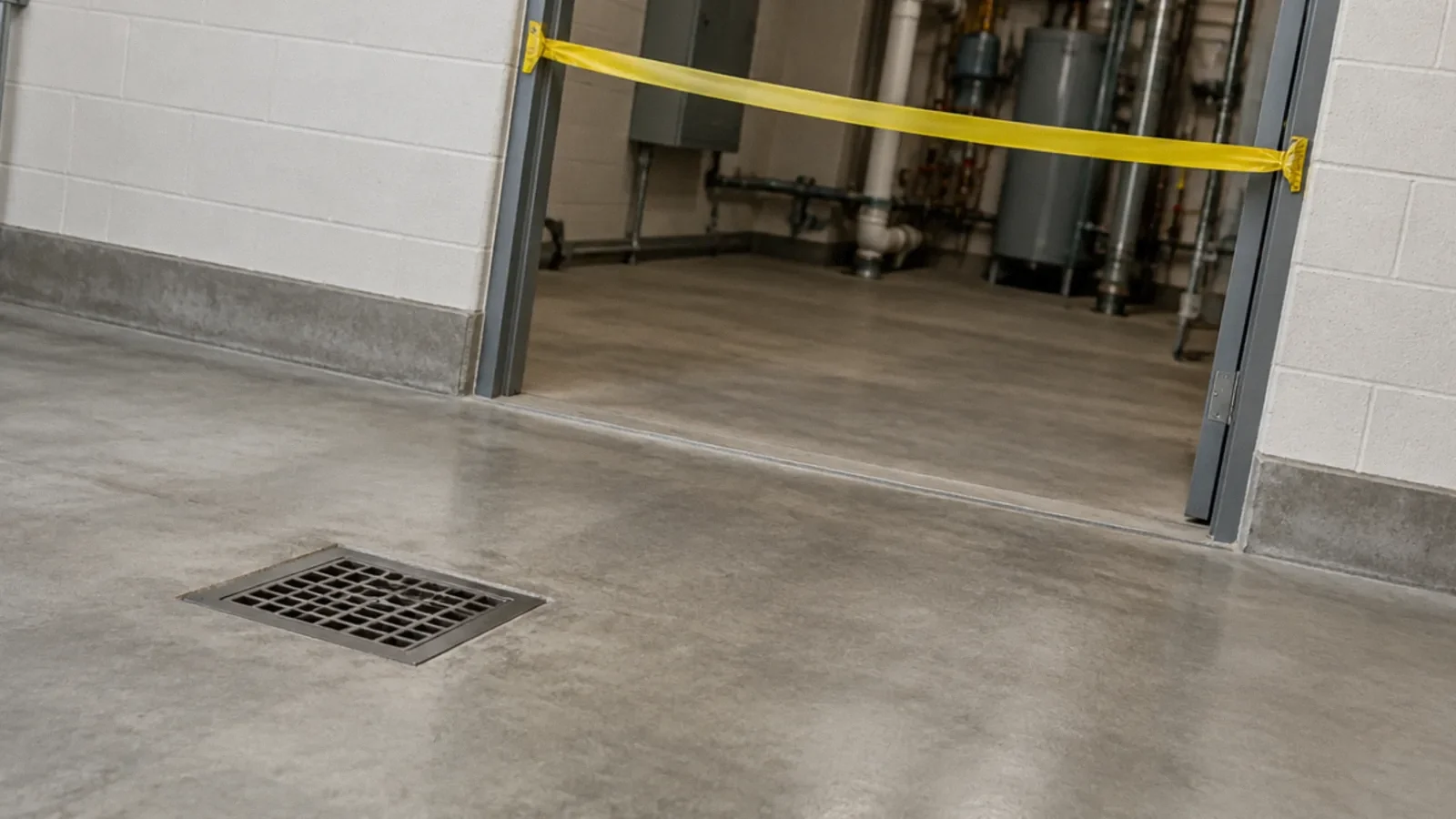
After a gas emergency has been ruled out, note whether an odor is near a bathroom sink, shower drain or toilet, or a basement floor drain. A dry trap, vent or seal may need a plumber’s assessment; the location alone does not establish the cause.
If the smell seems to come from hot water
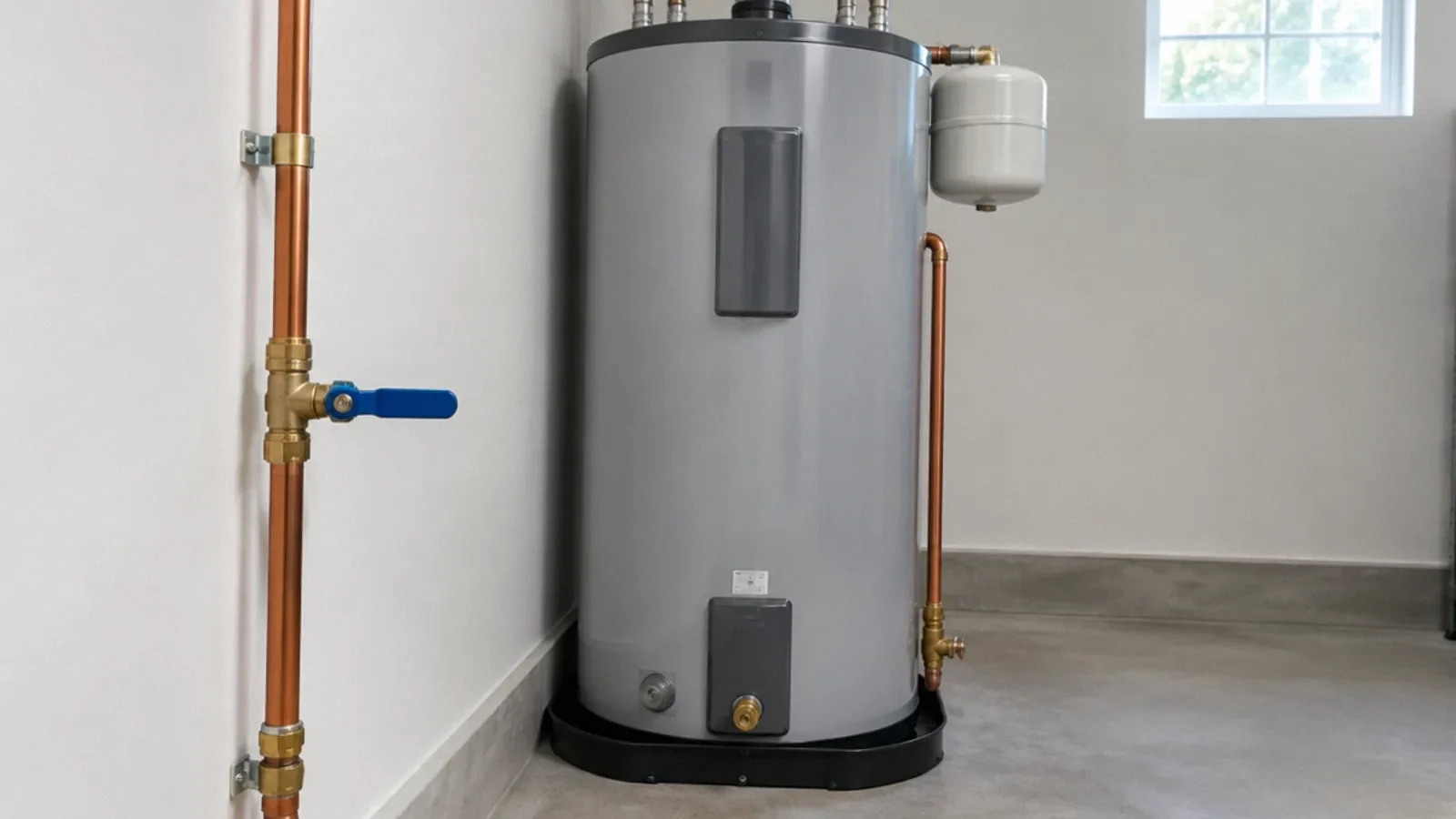
A sulfur-like odor can sometimes be noticed when hot water is used, but that observation is not a gas safety assessment. If a gas leak is possible, leave and call the utility first. Do not turn on a faucet or appliance in an attempt to reproduce a smell near a suspected leak.
After emergency responders have ruled out an immediate hazard, describe when and where the odor occurred to a qualified plumber or water professional. They can consider the heater, water supply and plumbing without guessing from odor alone. Do not open the heater or adjust gas equipment yourself.
In a basement, distinguish a floor-drain area from the water heater only after responders have cleared the premises. A qualified plumber can assess the water heater or water supply; do not operate gas controls to test an odor.
What responders may need to know
From the safe calling location, tell dispatchers where the odor or sound was noticed, whether anyone has symptoms and whether you know of a damaged line. Follow their directions about where to wait. Do not reenter to collect a model number, pet carrier or photograph.
A natural gas detector can provide an additional warning, but it does not replace immediate action when a leak is suspected. Follow the detector manufacturer’s instructions and local requirements. A carbon monoxide alarm is a different device and does not establish that a natural gas leak is absent.
Returning and arranging repairs
Wait for the utility or emergency responders to say it is safe to return. If the gas service has been shut off, follow the utility’s instructions for restoration; do not assume it is safe to turn it back on yourself. Only qualified personnel should repair gas equipment or piping.
For a plumbing or drain problem, request a written explanation of the finding and work needed. If an odor returns, leave again when a gas leak is possible and contact emergency services from a safe location. Keep records of inspections and repairs.
Planning before an emergency
Know how to reach your local utility from outside the building, maintain working alarms required for your home and keep a clear exit. Have gas appliances inspected and maintained according to the manufacturer and qualified professional’s guidance. Do not use a gas appliance for an unintended purpose.
Discuss an evacuation plan with everyone in the household. The priority during a suspected leak is to get away from the hazard and call for help, not to diagnose the smell or collect belongings. Utility instructions and local emergency directions take precedence.
Can you smell methane?
Pure methane is colorless and odorless. Natural gas is mostly methane; a utility adds an odorant to help people detect many leaks. PG&E notes that the odor can fade or may not be detected by every person, so smell alone cannot rule out a leak.
If you smell gas or suspect a leak for any reason, leave immediately without operating switches, phones or vehicles nearby. From a safe location call 911 and the gas utility. Do not search for the source or return until responders say it is safe.
If you suspect a gas leak, leave without operating switches or appliances and call 911 and the gas utility from a safe location. Do not search for the source or assume that the absence of a smell proves there is no leak.
Your next-step checklist
- Alert others and leave immediately if gas is suspected.
- Do not operate switches, phones or vehicles near the leak.
- Call 911 and the gas utility from a safe location.
- Do not search for or repair a suspected gas leak.
- Return only when responders say it is safe.
Related questions
Does a sulfur smell always mean a natural gas leak?
No. Several sources can produce similar odors, but you cannot safely rule out gas by smell alone. Leave and call for help if a leak is possible.
Can I turn on a light to look for a gas leak?
No. A switch can create a spark. Leave immediately and call 911 and the utility from a safe location.
Can sewer gas smell like sulfur?
Some plumbing odors can smell sulfur-like, but an odor description is not a safe diagnosis. Rule out an immediate gas hazard first.
Can I turn the gas back on myself after an emergency?
Follow your utility’s instructions. If service has been shut off, a qualified utility representative may need to restore it.
What does methane smell like?
Methane itself is odorless. Natural gas distributed to homes is commonly odorized as a warning, but smell is not reliable enough to rule out a leak. Leave and call for help if gas is suspected.
Can sewer gas smell like natural gas?
Descriptions of odors can overlap, so smell alone cannot safely identify the source. If a gas leak is possible, leave and call 911 and the utility from a safe location. A plumber can investigate a sewer source once the area is safe.
Sources & context
Public guidance supports the principles in this article. The practical questions and examples are editorial interpretation, not a site assessment or a coverage decision. State-specific rules apply only where identified.
- PG&E: Natural gas safetyutility safety guidance
- PG&E: Keep yourself safe from a gas leakutility safety guidance
- CDC: Carbon monoxide poisoning preventionfederal health guidance
- CDC NIOSH: Odor fade in natural gas and propanefederal safety guidance
- PG&E: Natural gas odor fadeutility safety guidance
- PG&E: Natural gas odor safetyutility safety guidance
- Source guidance: nepis.epa.govverified guidance