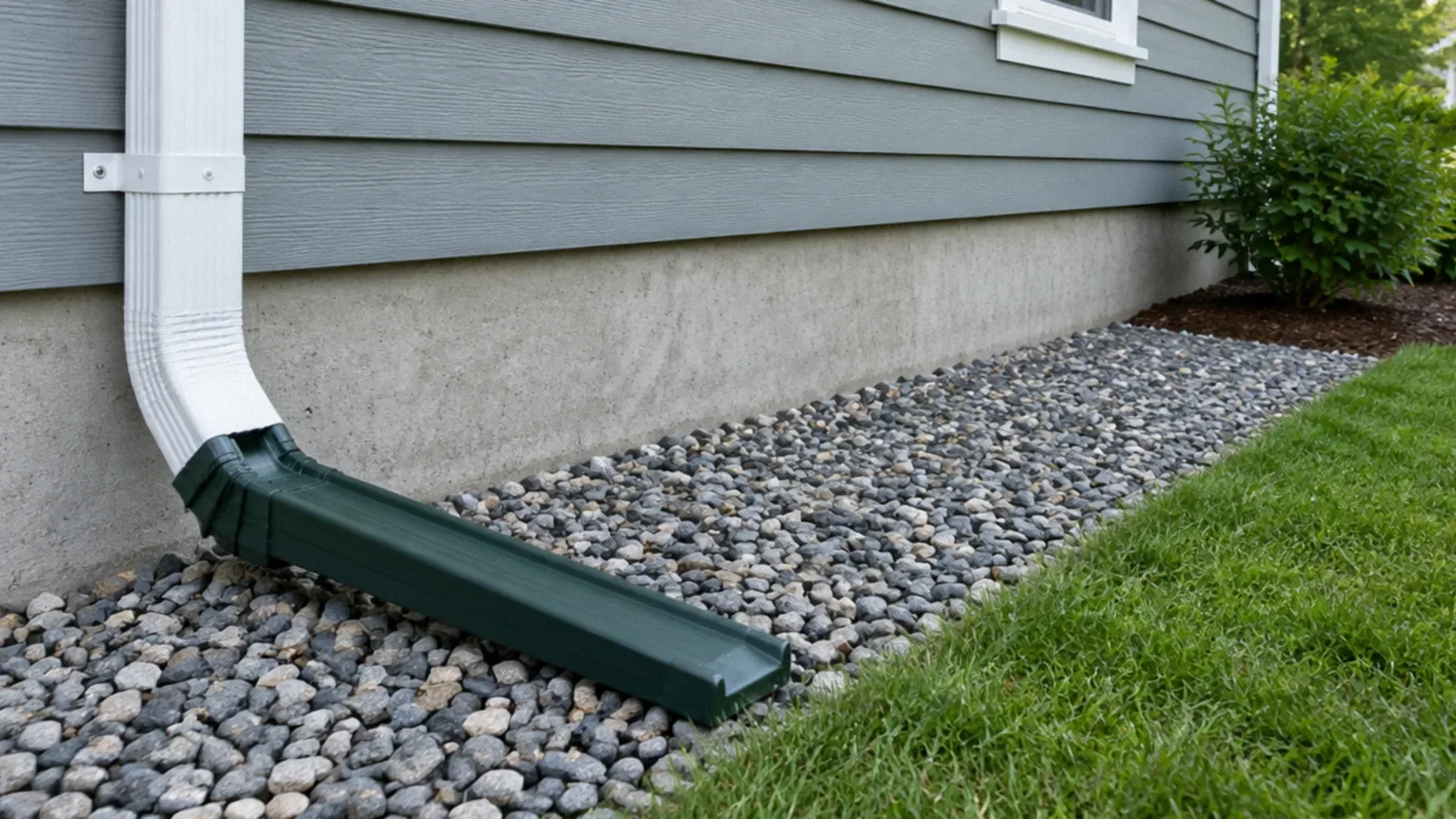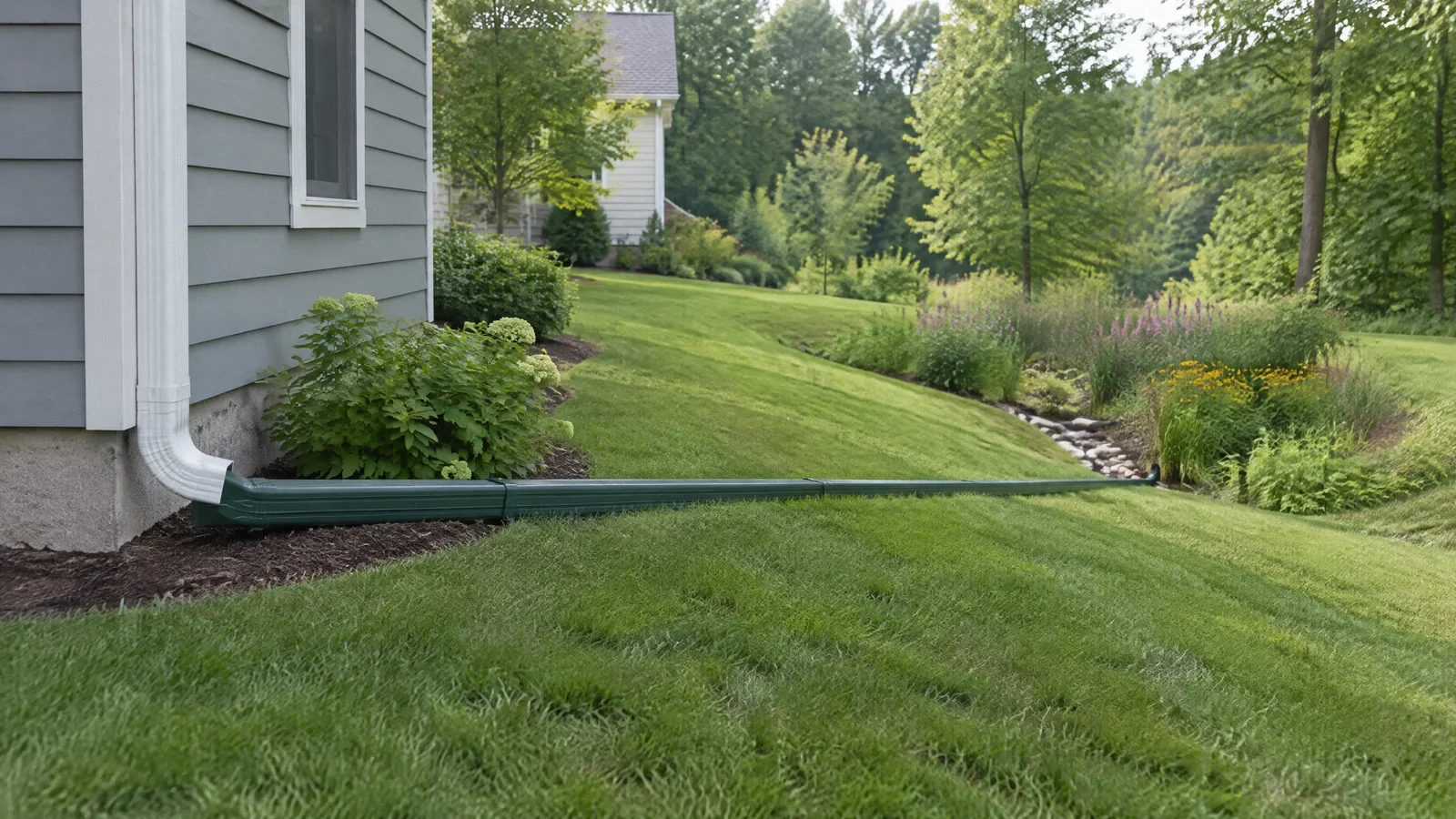
Good drainage directs roof runoff and surface water away from the foundation toward a safe, permitted destination. Correcting settled grade, extending downspouts, and using appropriately designed swales or drains can reduce water reaching a basement. Landscaping cannot guarantee protection from groundwater, sewer backups, or major flooding.
Follow the water before changing the yard
During rain, observe from a safe location where water leaves the roof, crosses paving, gathers in low spots, and reaches the foundation. Look for overflowing gutters, downspouts ending beside the wall, settled soil, and hard surfaces pitched toward the building. Note whether water enters through a window well or at the wall-floor joint. Photographs and a simple sketch can help a drainage professional understand the pattern.
Water in a basement can also come from a plumbing leak, sewer backup, groundwater, or condensation. A landscape change addresses surface runoff only where it actually intercepts that water. If there is sewage, structural movement, an electrical hazard, or active water entering near equipment, arrange appropriate professional help rather than beginning yard work.
Start with the roof and downspouts
A roof collects a large area of rainfall and concentrates it at downspouts. Keep gutters and outlets clear and repair leaks or disconnected sections. Direct discharge away from the foundation to a location that can safely receive it. Extensions must remain connected, drain freely, and avoid creating a trip hazard or a discharge onto a neighbor’s property. Check them after storms and after seasonal maintenance.
A buried downspout pipe may be suitable where it has adequate slope, cleanout access, and an appropriate outlet, but it can clog or freeze depending on the site and climate. Do not connect roof drainage to a sanitary sewer without explicit local approval. Ask the local authority and a drainage contractor about permitted connections and where the water will go during heavy rain.
Correct grade without trapping water
The ground immediately around the building should slope away so runoff does not collect against the wall. The Department of Energy’s building-science guidance describes a minimum half-inch per foot for ten feet as an example for a new-home assembly; the applicable code and site conditions govern a particular property. Where a full slope is not feasible, a designed swale or drain can provide an alternative route.
Avoid simply piling soil against the house. Preserve required clearances to siding and vulnerable openings, and do not cover weep holes or direct water toward a window well. Compaction and settlement matter: loose fill can settle and form a new low spot. A contractor can establish elevations and check that the proposed route remains continuous to its outlet.
Choose swales, drains, and rain gardens carefully
A swale is a shallow graded channel that guides runoff across a site. It needs a continuous slope, sufficient capacity, erosion protection, and an acceptable discharge point. A drain can collect water where a swale is impractical, but it needs an outlet and periodic cleaning. A gravel-filled trench without a functioning route for water may simply hold water near the foundation.
A rain garden is a planted depression intended to receive and infiltrate runoff where soil and space are suitable. Place and size it based on local guidance, soil conditions, utilities, setbacks, and the building’s drainage plan. Do not place an infiltration feature immediately against a basement wall or assume that plants can absorb every storm. In heavy clay, a high water table, steep terrain, or a contaminated site, seek a site-specific design.
Protect window wells and paved areas
Window wells need drainage that works with the surrounding grade and the building’s drainage system. Keep leaves and debris out and repair defects identified by a professional. A cover can reduce rain and debris but must not obstruct an emergency escape opening; verify the applicable requirements. Water collecting in a well can enter through an imperfect window even if the wall itself is sound.
Patios, paths, and driveways can shed water toward a foundation if they settle or were installed with the wrong pitch. A surface drain or regrading may help, but check where the collected water will discharge. Adding a channel without an outlet only moves the puddle. Alterations should not undermine foundations, utilities, retaining walls, or neighboring property.
Know when landscaping is not enough
If water enters despite good surface drainage, the issue may involve groundwater, cracks, a failed footing drain, or a sewer backup. An interior perimeter drain and sump or exterior foundation repair may be appropriate after an assessment. A sump needs maintenance and a plan for power interruptions. Landscape work and foundation drainage may complement each other; neither guarantees that all floodwater can be excluded.
Before digging, arrange utility locating and check permit and drainage requirements. Get a written scope showing grades, pipe route, outlet, erosion control, and restoration. After work, inspect during a subsequent rain event and after leaves fall. Maintain gutters, remove sediment from drains, and correct new settling before it reverses the intended flow.
Your next-step checklist
- Map roof runoff, low spots, and basement entry points.
- Clean gutters and direct downspouts to a safe outlet.
- Check grade and preserve clearances at the building.
- Design swales or drains with an actual discharge route.
- Inspect and maintain the system after storms.
Related questions
Will a rain garden prevent every basement flood?
No. A properly located and sized rain garden can manage some runoff, but it does not solve sewer backups, high groundwater, or every extreme storm.
Can I discharge a downspout toward my neighbor?
Avoid directing runoff onto neighboring property. Local rules and site conditions determine acceptable discharge locations.
Should I put gravel against the foundation to fix a leak?
Gravel alone is not a drainage system. Water needs a designed route and outlet, and foundation conditions may require professional assessment.
Sources & context
Public guidance supports the principles in this article. The practical questions and examples are editorial interpretation, not a site assessment or a coverage decision. State-specific rules apply only where identified.