Water damage can reduce a home’s value, especially when the source is active, repairs are incomplete or the extent is uncertain. The effect is specific to the property and market; a qualified local appraiser can assess it using condition and comparable sales.
The effect depends on condition and evidence
Water damage may affect what a buyer will pay or what an appraiser concludes, but there is no universal percentage reduction. A fresh stain from a repaired supply line, an active roof leak and recurring foundation seepage present different concerns. The location, extent, repair quality, market conditions and available evidence all matter.
Fannie Mae describes an appraisal as an independent assessment that considers the property’s condition and characteristics, location, comparable sales and market trends. A repair bill alone is not an appraisal adjustment. Nor does a completed repair automatically prove that the home has regained a particular amount of value. Ask a qualified local appraiser for an opinion grounded in the specific property.
Active damage and unknown causes create uncertainty
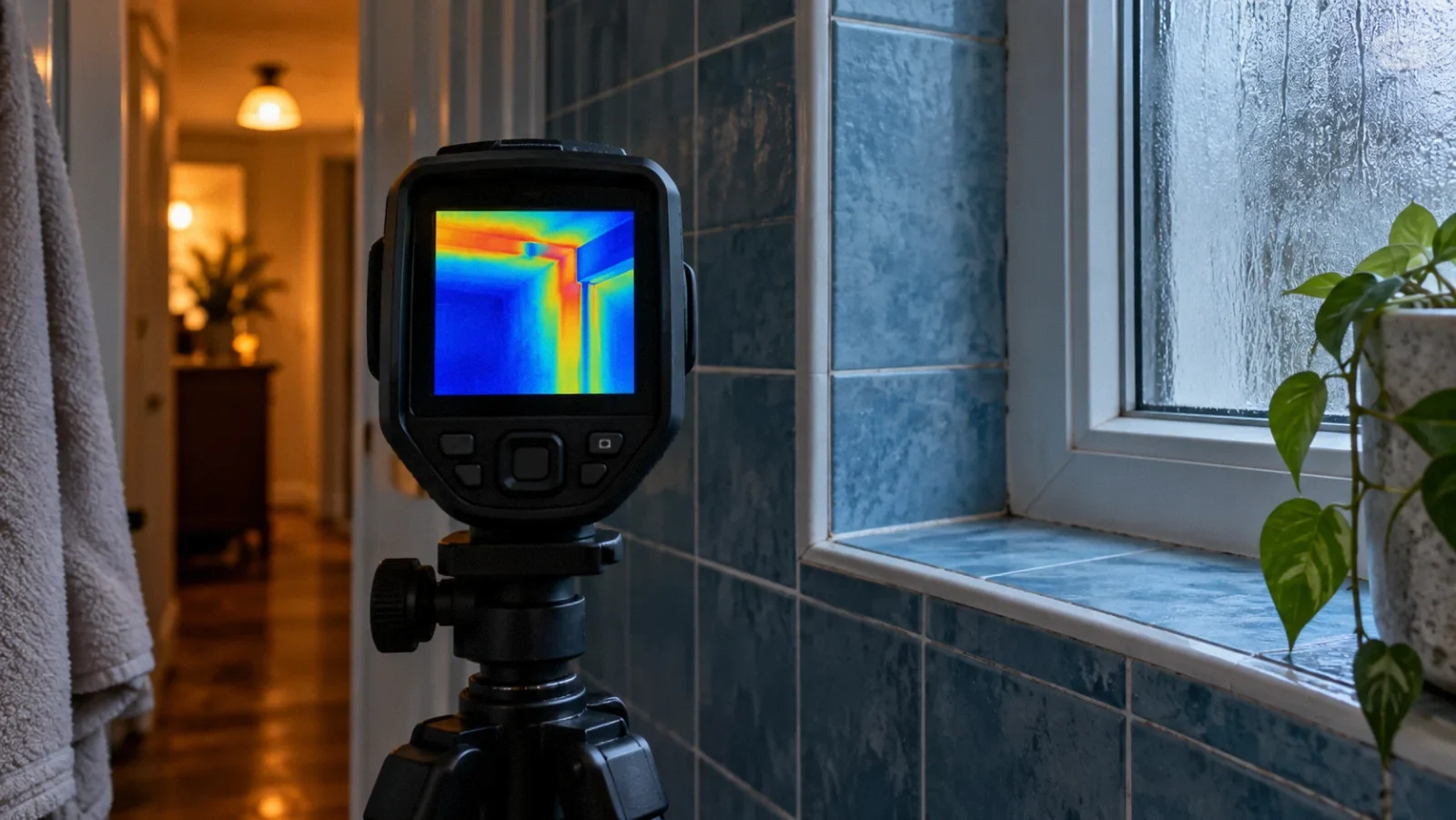
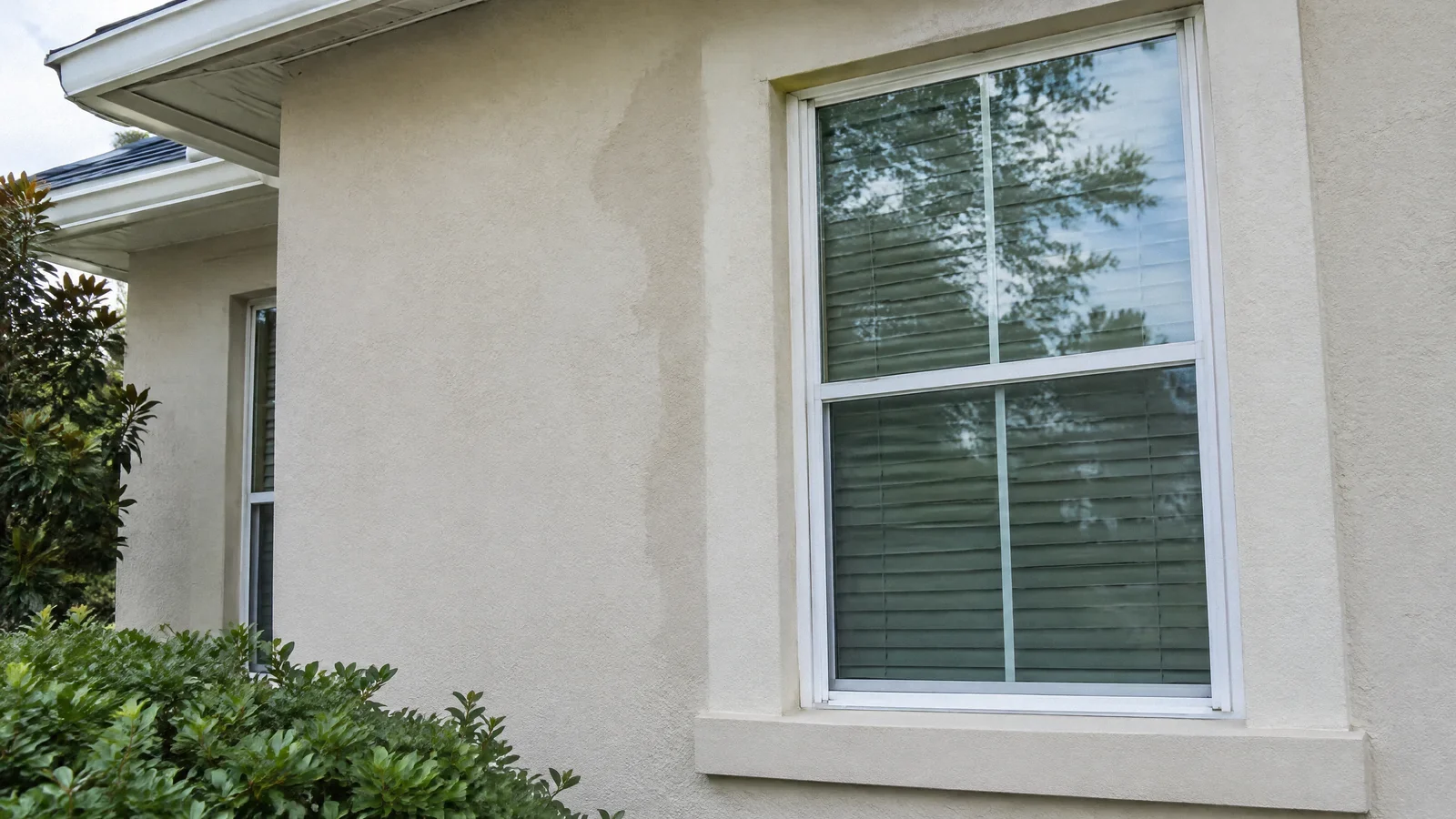
A buyer seeing a wet ceiling may need to consider the visible repair, the cause of the leak and possible concealed damage. The uncertainty can influence negotiations or prompt an inspection contingency. A stain by itself does not reveal whether the roof, plumbing, condensation or another source is responsible. An inspection can help identify the cause and determine what further work is appropriate.
Fannie Mae’s property guidance includes water seepage and active roof leaks among conditions that can affect an as-is appraisal or require further attention depending on severity. Its lending rules are specific to the loan and appraisal process; they are not a formula for every sale. A lender may require an inspection or completion of certain repairs before financing proceeds.
Repaired damage is not the same as an active leak
An effective repair addresses the source, evaluates affected materials and restores the area after appropriate drying. For example, replacing a leaking pipe and documenting drying and wall repairs gives a buyer more information than a freshly painted ceiling alone. The quality, timing and scope of the work still need to be assessed in context.
Keep invoices, photographs, inspection reports, drying records, permits and completion documents where applicable. These records can help explain what happened and who performed the work. They do not guarantee that concealed defects are absent, that insurance will be available or that a buyer will pay a particular price. Avoid describing a repair as complete if work or follow-up remains.
Appraisal, inspection and repair estimate serve different purposes
A home inspection examines the property’s condition; an appraisal develops an opinion of value. A contractor’s estimate describes proposed work and cost. Each can help inform a decision, but none substitutes automatically for the others. Fannie Mae notes that an appraisal is separate from a more thorough home inspection.
If a leak is active, first engage the appropriate trade to identify and stop it safely. A restoration professional may assess drying and affected materials, while a structural engineer or other specialist may be needed if the condition suggests a structural issue. For a value question, provide the appraiser with accurate records and allow them to consider the property and local market.
How a buyer or seller can compare options
A seller can obtain a diagnosis and written repair scope before deciding whether to repair or sell in the current condition. Compare the time, cost, financing implications and uncertainty of each option with a local real estate professional. Repairs should be performed because they are appropriate to the property, not on an assumption that every dollar spent returns a dollar at sale.
A buyer can review inspection findings, request estimates for the specific work and discuss contract options with their agent and attorney where appropriate. A low initial estimate may exclude drying, concealed damage, permits or finish restoration. Ask the contractor what is included and what conditions might change the scope. Negotiate using evidence rather than a generic online discount.
Disclosure and insurance are separate questions
Disclosure duties depend on the property, transaction and applicable state and local law. A completed repair does not automatically remove every disclosure obligation. Ask the responsible real estate professional or attorney about the forms and facts relevant to the transaction; answer accurately and retain supporting documents. Do not conceal a known issue with cosmetic work.
Insurance coverage for water damage varies by policy and cause. A prior claim or repair does not by itself establish whether a future policy will be available or what it will cost. Ask the insurer or broker about the specific property and provide accurate information. A lender’s requirements may also differ from the buyer’s inspection preferences.
Prepare useful records for a valuation
Create a dated timeline of the incident, source, mitigation and completed repairs. Gather receipts and any inspection or permit records, and identify unresolved items honestly. If an area was opened and repaired, photographs taken before it was closed can be useful context. Do not present them as proof of conditions beyond what they show.
When reviewing an appraisal, check factual details such as the property’s features and the description of condition. If you believe the report contains an error or an unsupported conclusion, discuss the lender’s reconsideration process with the lender. Fannie Mae notes that appraisal communications in a lender-ordered transaction generally go through the lender.
Your next-step checklist
- Identify and correct the source of water.
- Obtain an inspection and repair scope appropriate to the condition.
- Keep dated evidence of drying, repairs and permits.
- Ask a local appraiser about the specific property and comparable sales.
- Address disclosure, insurance and financing questions separately.
Related questions
Does every past water leak reduce home value by a fixed percentage?
No. The impact depends on present condition, repair evidence, the property and the market. A local appraiser can assess the specific facts.
Is a contractor estimate the same as lost value?
No. An estimate describes the cost of a proposed scope. An appraisal considers the property, comparable sales and market conditions.
Sources & context
Public guidance supports the principles in this article. The practical questions and examples are editorial interpretation, not a site assessment or a coverage decision. State-specific rules apply only where identified.
- Understanding Home Appraisalsgovernment-sponsored enterprise
- Requirements for Verifying Completion and Postponed Improvementsgovernment-sponsored enterprise