Descaling removes deposits from inside a pipe using equipment selected for the line. It can improve flow when buildup is the problem, but it cannot repair a broken or deteriorated pipe.
What descaling means
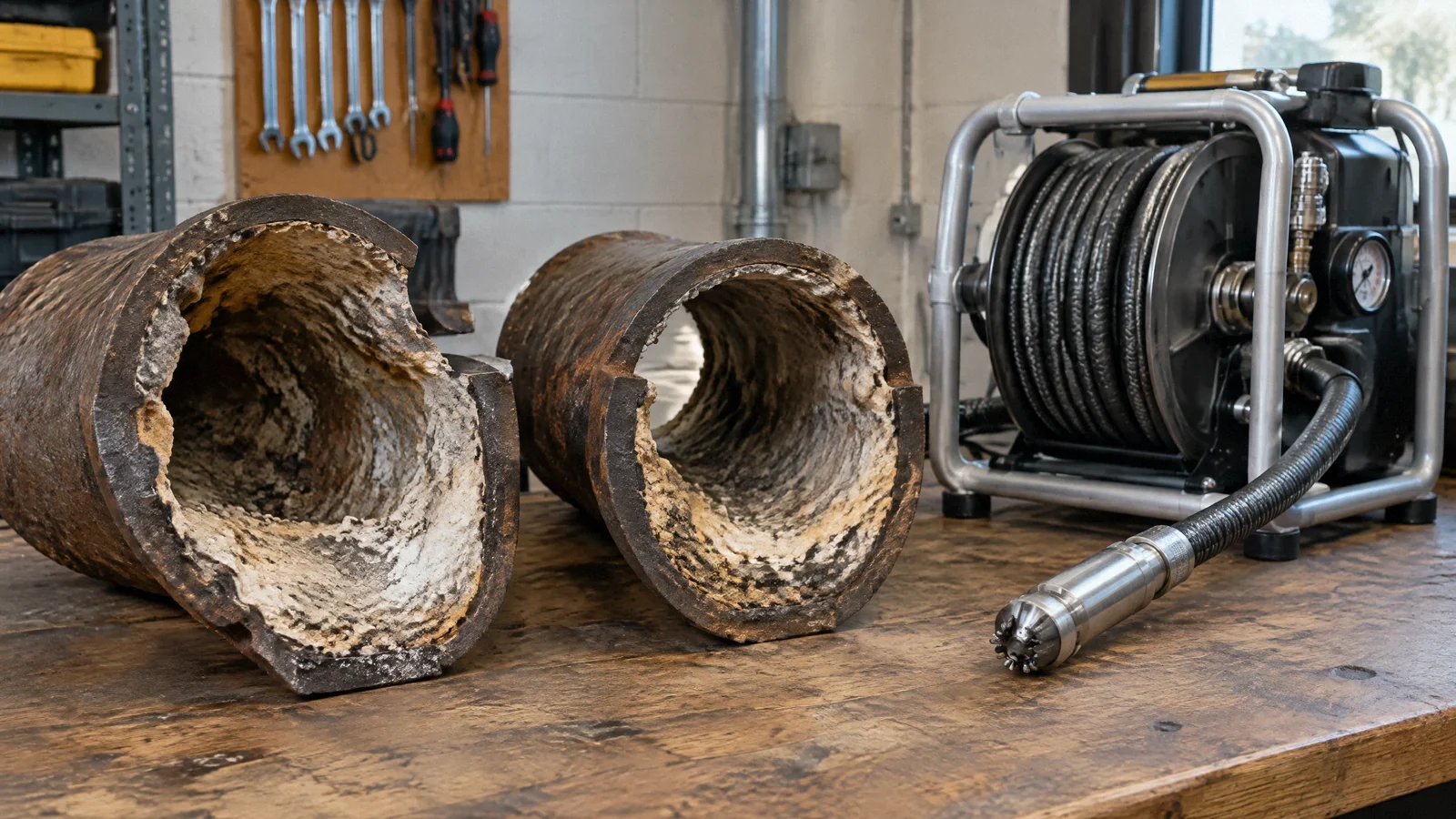
Descaling removes deposits from the interior of a drain or sewer pipe. In older metal pipe, corrosion products and accumulated material can narrow the passage and catch debris. A contractor may use a rotating mechanical head designed for the pipe, then inspect the result. Cleaning can improve flow where deposits are the problem; it does not rebuild missing pipe wall or correct a broken joint.
The term is sometimes used loosely for several cleaning methods. Ask exactly which equipment is proposed, what material will be removed and whether inspection is included. A sewer line can contain scale as well as roots, grease, standing water or structural damage, each of which can change the appropriate response.
When an inspection may help
Repeated blockages, slow flow affecting several fixtures or a camera view showing substantial buildup can justify asking about cleaning. These signs do not prove that scale is the cause: a belly, root intrusion, damaged pipe or public sewer issue may also affect drainage. A qualified plumber can evaluate the symptoms and the accessible line.
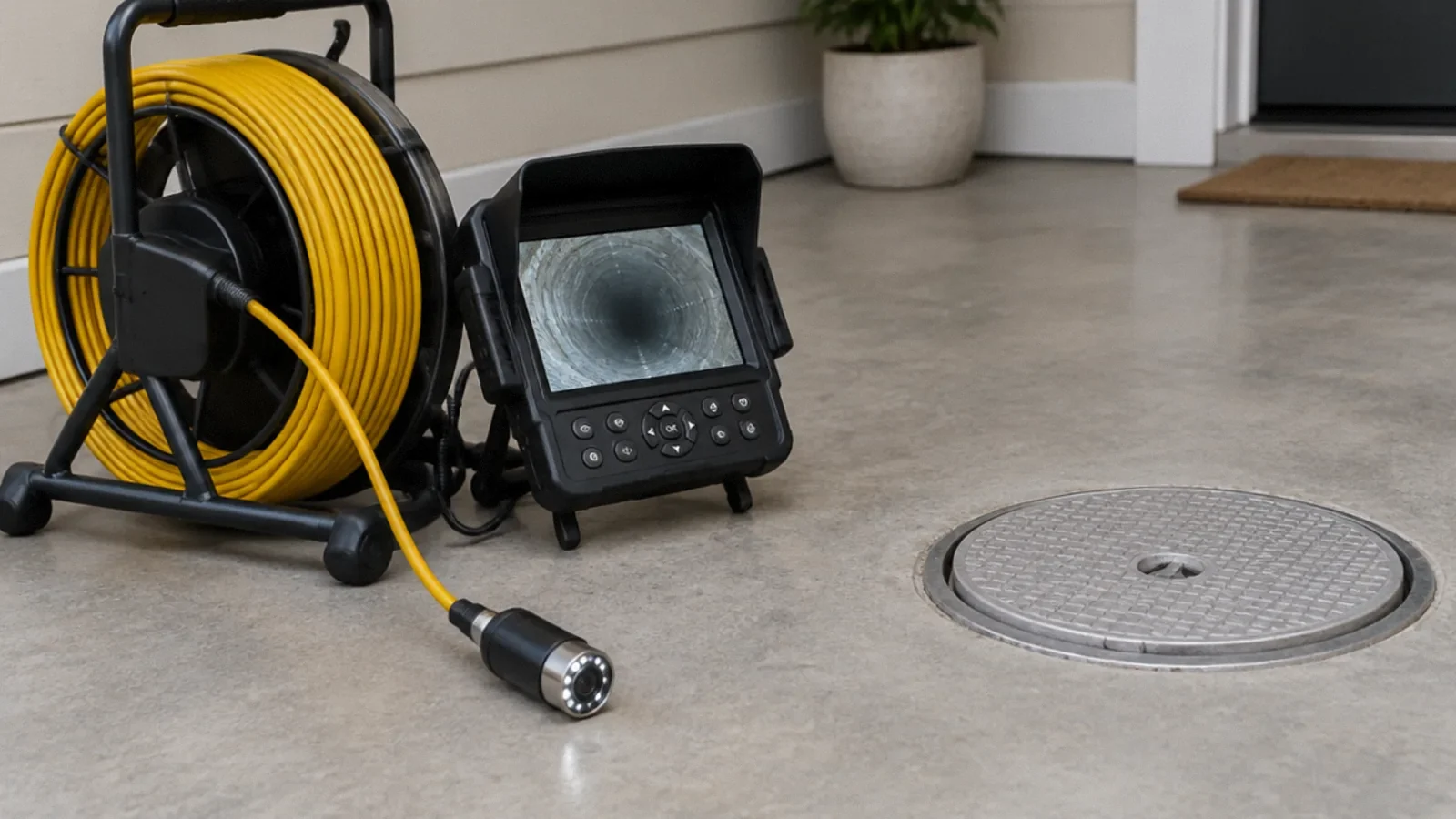
A camera cannot see clearly through a fully backed-up section. Initial clearing may be needed before a meaningful inspection. Ask where the camera entered, how far it traveled and which sections were obscured. Keep the video and a written explanation rather than relying on a description of the pipe as simply old.
How mechanical cleaning differs from snaking
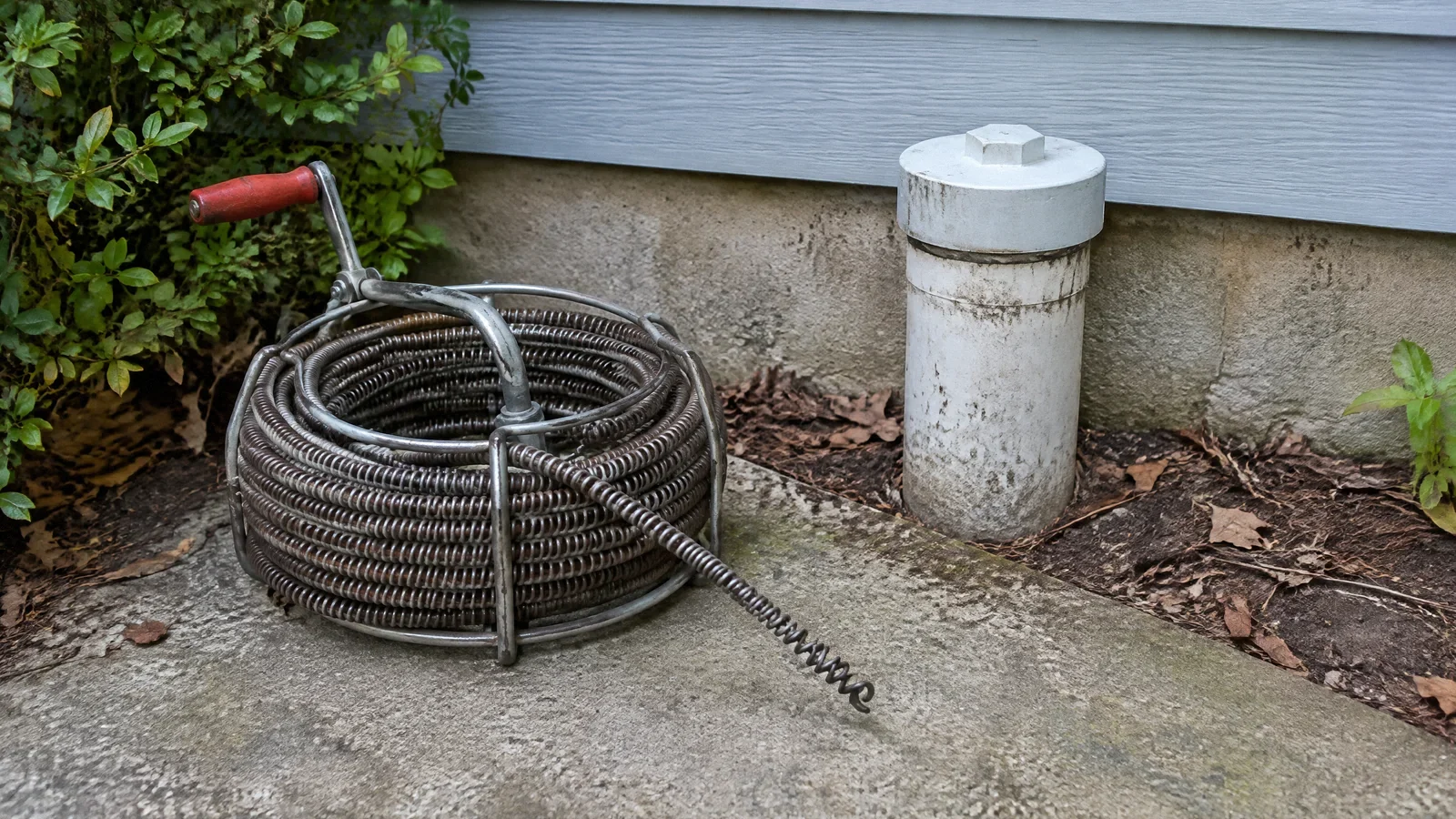
A conventional cable and cutting head can open a route through a blockage. Descaling generally aims to remove deposits over more of the pipe interior, using a tool selected for the material, diameter and condition. The actual result depends on the tool and pipe; a contractor should not promise a uniformly restored diameter without evidence.
A RIDGID FlexShaft manual specifies matching the machine and chain knocker to the pipe size and warns against forcing the cable. This is model-specific equipment guidance, not a universal operating procedure. Powered equipment, rotating cable and sewage exposure create injury and contamination risks; arrange qualified service for a main line.
Pipe condition limits the method
A thin or damaged pipe may not tolerate the same approach as a sound pipe. Visible scale can conceal defects until some material has been removed, and an inspection cannot establish the condition of inaccessible sections. Ask the contractor how pipe material and condition affect the choice of head, pressure and cleaning scope.
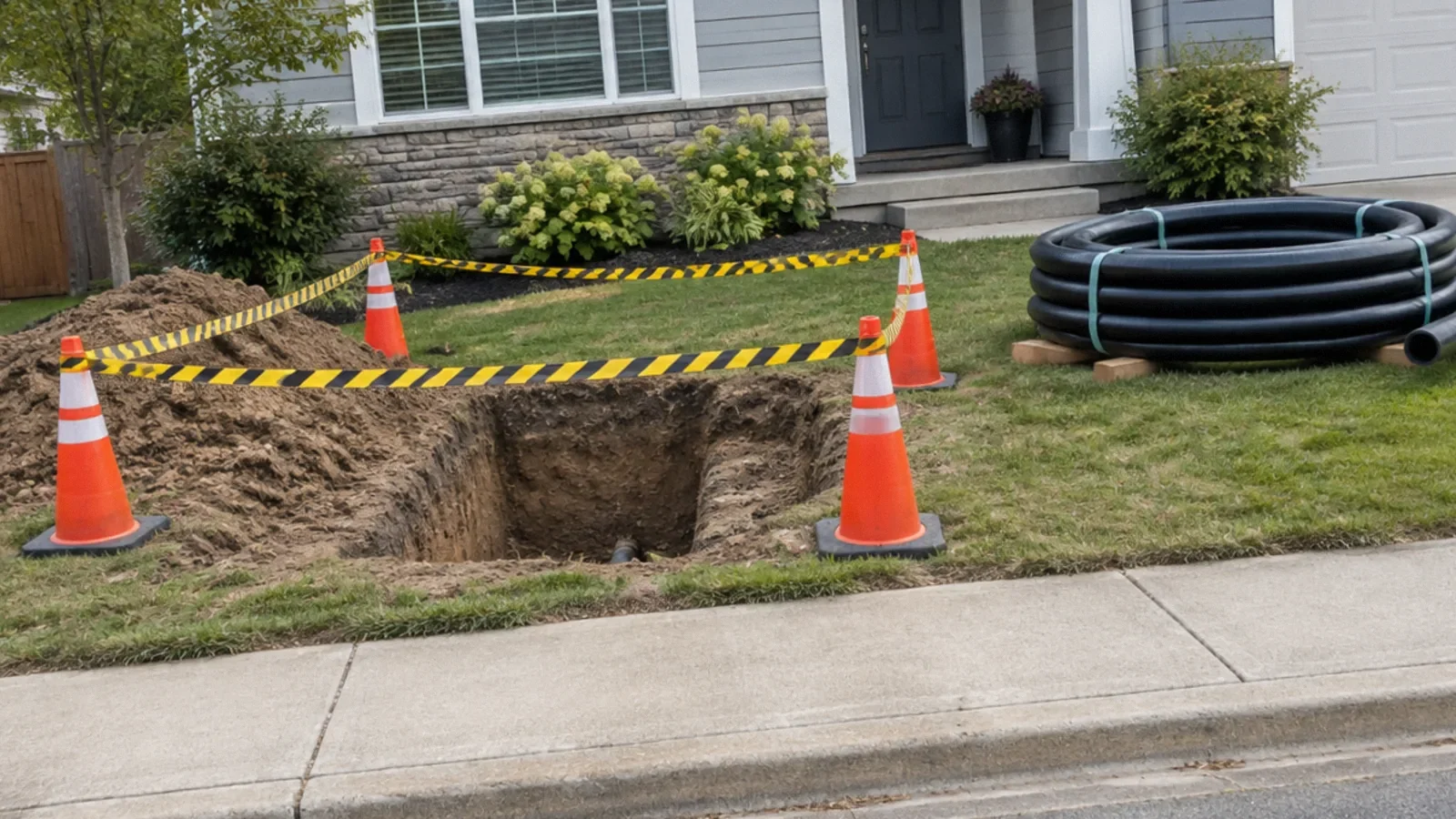
Discuss what happens if the tool cannot pass, a defect is discovered or the pipe leaks during work. Request a change-order process and an explanation of alternatives before an invasive repair. The existence of corrosion does not by itself prove the entire lateral must be replaced.
Descaling, jetting and repair
Hydro jetting uses water under pressure; mechanical descaling uses a tool to work on deposits. Both require equipment matched to the job and can be inappropriate for some pipe conditions. Ask the contractor why the proposed method suits the observed material and what limitations remain. Do not introduce chemicals into a backed-up line to accelerate the work.
Repair or replacement addresses a different question: whether the pipe can safely perform its function after cleaning. If a repair is proposed, ask to see the relevant footage, the location and the evidence for the recommendation. An independent qualified opinion may be useful for an expensive project when the circumstances allow.
What a quote and report should include
Request the access point, pipe section, estimated length, cleaning method, inspection and recording, disposal or cleanup, and price of any additional access. Ask whether a second camera pass is included and what happens if the line cannot be fully inspected. Emergency service, locating and repair may be separate charges.
A before-and-after recording can help show the portions reached and visible changes. Ask the provider to identify any area that remained submerged, blocked or inaccessible. A clean image in one stretch is not a guarantee for the entire system or a prediction of its remaining life.
Ask who is responsible for restoring access, including any fixture removed to reach the line. Confirm whether cleanup of any spill and the report delivery are included in the quoted visit.
Safety and follow-up
If wastewater has backed up, stop using connected fixtures and keep people and pets away. Do not open a pressurized cleanout or enter a contaminated crawl space. Tell the contractor if chemicals were used. Water near electrical equipment or unstable materials is a reason to stay clear and obtain qualified help.
After work, ask when normal use can resume and what symptoms should prompt a follow-up. Keep the report, recording and invoices with prior plumbing records. If sewage contaminated the building, EPA recommends a professional experienced in contaminated-water cleanup; restoring pipe flow does not clean the affected rooms.
Your next-step checklist
- Describe symptoms and previous cleaning.
- Ask for the pipe material and inspection limits.
- Compare cleaning, inspection and repair scopes.
- Request before-and-after footage where feasible.
- Keep people away from any sewage backup.
Related questions
Does descaling fix a broken pipe?
No. It removes deposits; a structural defect requires separate assessment and potentially repair.
Does every old pipe need descaling?
No. The need and method depend on symptoms, deposits and the condition of the actual pipe.
Is a camera inspection always complete?
No. Water, debris and access can obscure or prevent inspection of sections.
Sources & context
Public guidance supports the principles in this article. The practical questions and examples are editorial interpretation, not a site assessment or a coverage decision. State-specific rules apply only where identified.
- RIDGID: FlexShaft drain cleaning manualmanufacturer manual
- Seattle Public Utilities: side sewer repair methodsmunicipal guidance
- EPA: mold cleanup in your homefederal guidance