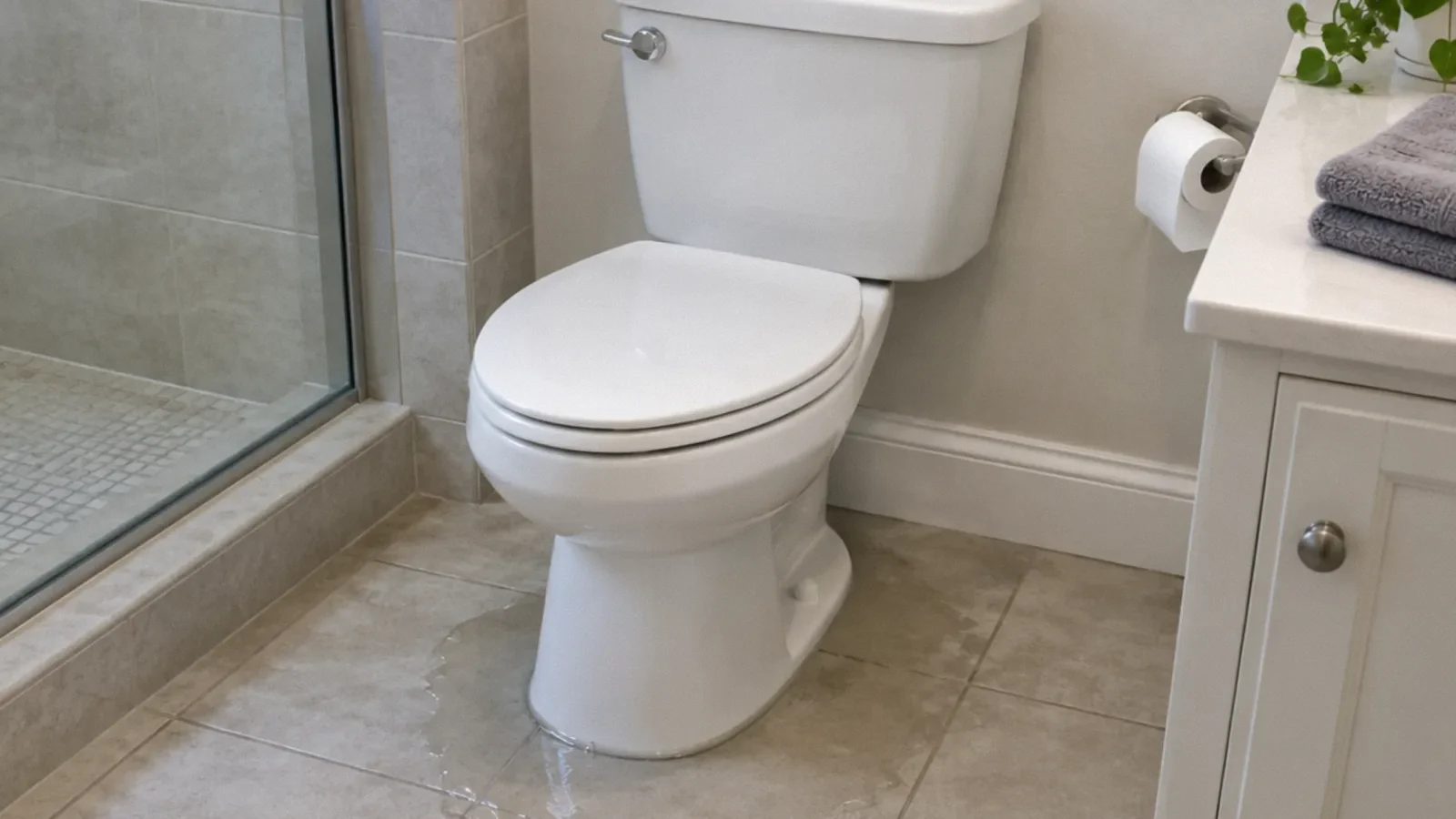
Do not flush again. Keep people away from the water and avoid electrical hazards. If the toilet’s supply valve is clearly identified and safely accessible, close it to stop incoming supply water. If sewage is backing up or the overflow continues, stop using other fixtures and call a plumber.
Stop flushing and make the area safe
A second flush can add more water to an already full bowl. Keep children and pets away, and avoid contact with overflow water. If water reaches an outlet, plugged-in appliance or other electrical equipment, stay clear and arrange safe power isolation through a qualified electrician or utility.
Do not touch wet switches or step through standing water to reach an electrical panel. If the floor or ceiling below is damaged or sagging, keep people away from the area and seek qualified help. Report an overflow promptly to a landlord or building manager when applicable.
Close the supply only if safely accessible
A toilet commonly has a supply shutoff near the wall behind or beside it. If you can identify and reach it safely without entering an electrical hazard, close it to stop water flowing from the supply. Do not force a corroded valve. If the water continues and a main shutoff is safely accessible, a plumber can advise on the next step.
Closing the toilet supply does not fix a blockage and may not stop water backing up from another fixture or a shared sewer. If wastewater is rising even without a flush, stop using sinks, showers and laundry fixtures and call a plumber or building manager promptly.
A clog is not the only possible cause
A local blockage may prevent the bowl from draining, while a problem in the tank or fill mechanism may allow supply water to run continuously. A main sewer or shared line backup can affect multiple fixtures. The location and timing provide clues, but overflowing water alone does not prove which component failed.
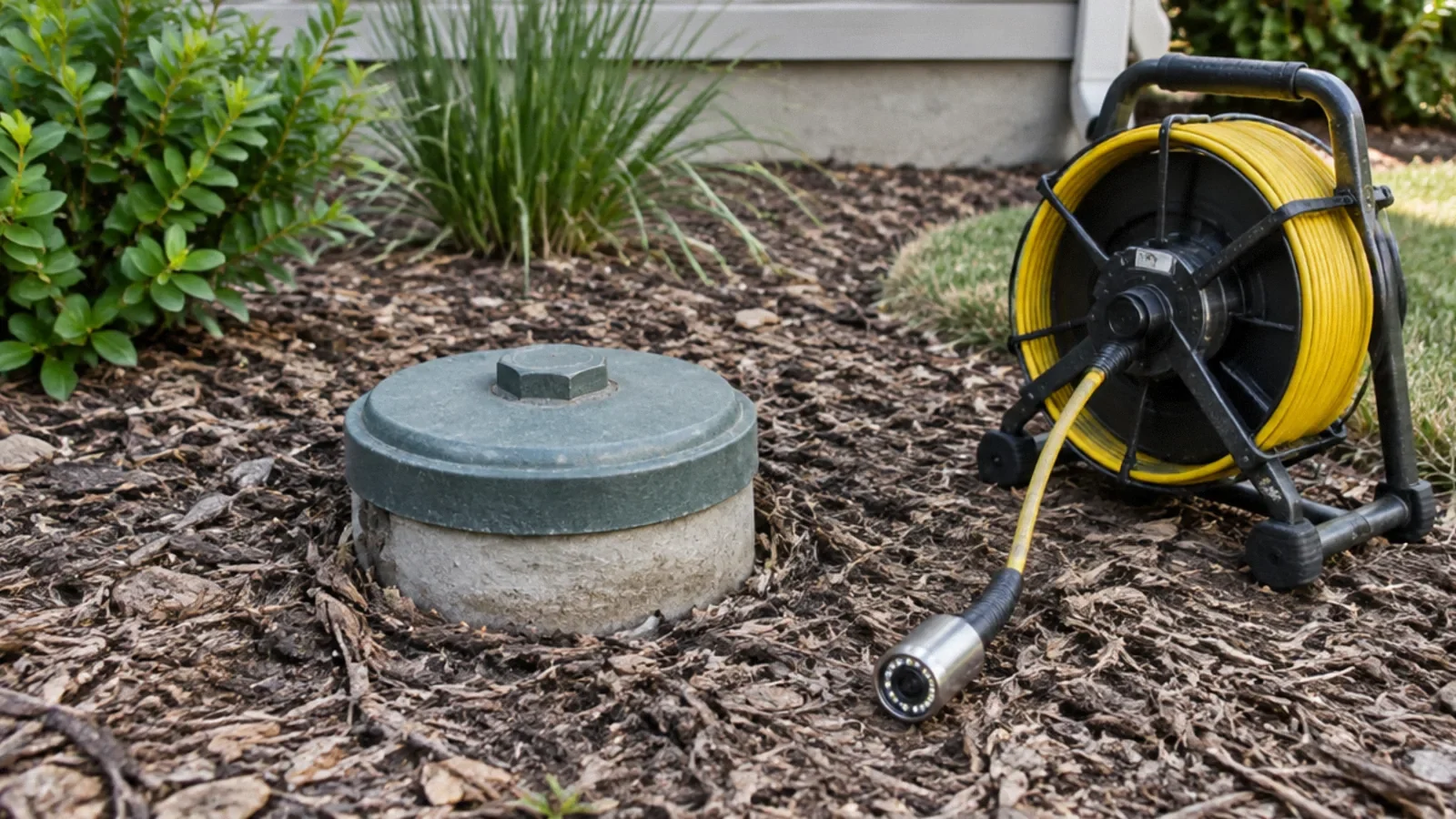
Tell the plumber whether the overflow followed a flush, whether other drains are slow, and whether water continues to enter with the toilet supply closed. Do not remove a cleanout cap or dismantle hidden plumbing while water is backing up.
A plunger and drain chemicals
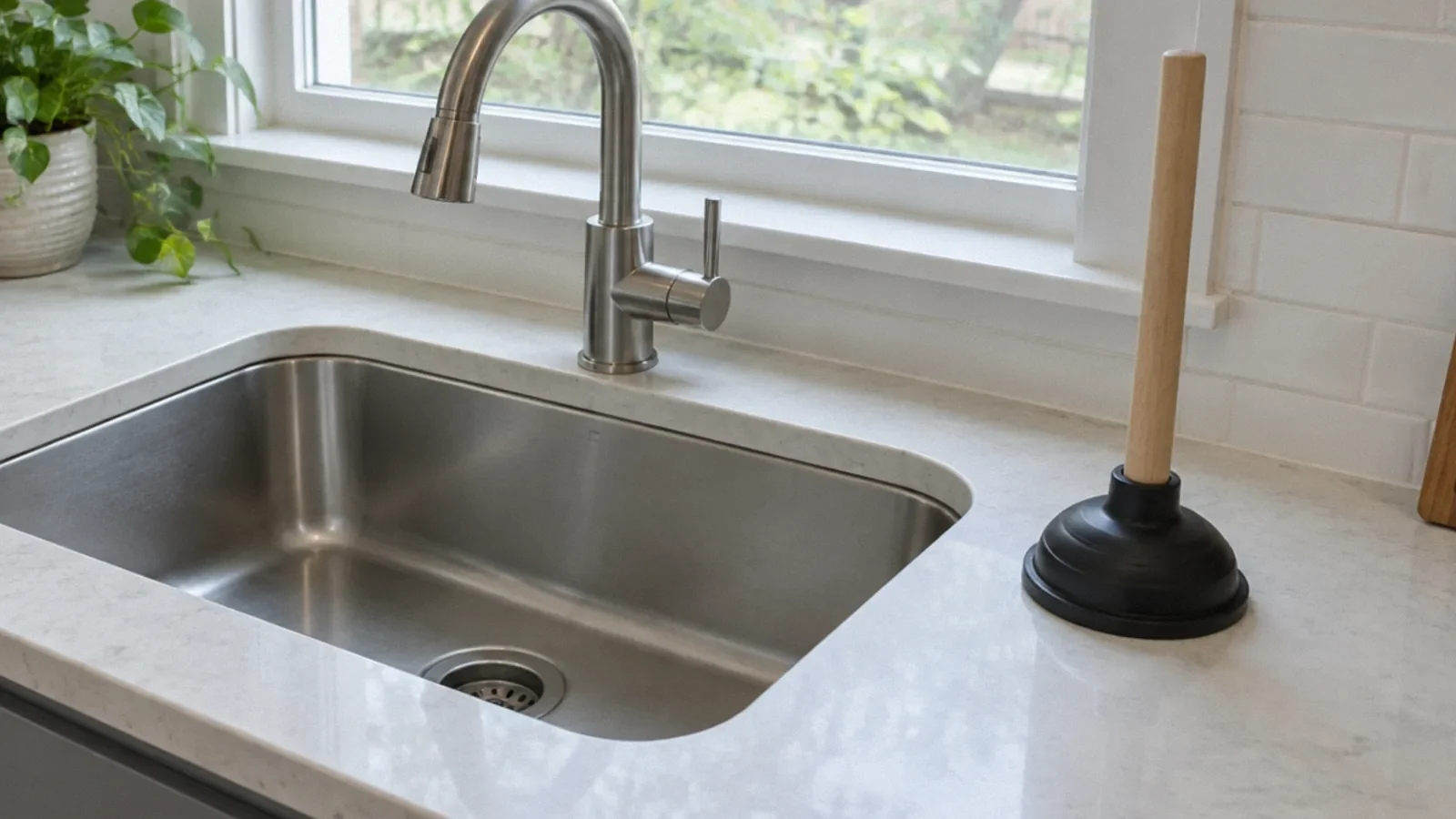
For a simple local clog, a suitable toilet plunger may help after the water level is controlled, but do not plunge if corrosive drain cleaner may be present. Follow the tool instructions, avoid splashing and stop if the bowl is full or the blockage does not respond. A plumber can select a suitable tool and check for a larger problem.
Never mix drain chemicals or add them to an overflowing toilet. Chemical cleaner can splash onto skin or eyes and create a hazard for the next person working on the drain. Tell the plumber about every product already used. Do not use a powered drain machine without appropriate training.
Treat overflow water as potentially contaminated
Water from a toilet can carry germs, even if it appears clear. Avoid direct contact, wear gloves and appropriate protection, and wash hands with soap and water after cleanup. EPA warns that sewage backup is a health concern and can indicate a plumbing or septic malfunction.
For a large overflow, sewage backup, contaminated porous materials or uncertainty about safe cleaning, use a qualified cleanup service. Small hard surfaces may be cleaned and disinfected with a product labeled for the surface, following its instructions and contact time. Do not mix disinfectants.
When to call a plumber or utility
Call a plumber when water keeps rising, multiple drains are affected, the shutoff does not work, the clog returns or the cause is unclear. In a shared building, notify management because another unit or common line may be involved. If the issue may be in a public sewer, the local utility can explain responsibilities.
Describe the water level, affected fixtures, actions taken and any chemicals used. Request a written scope for clearing, camera inspection or repair and a separate plan for contaminated cleanup. A blockage clearing does not by itself restore wet building materials.
Document and prevent another overflow
When it is safe, photograph affected areas and retain plumbing and cleanup records. Contact the insurer or property manager as appropriate; coverage depends on the policy and source. Ask that concealed material be checked before a floor or ceiling is closed.
Flush only suitable waste and toilet paper, and follow local wastewater guidance. Do not flush wipes, grease or other items that can contribute to blockages. Repeated slow drainage or gurgling deserves investigation before another overflow occurs.
Overflow sequence and cleanup boundaries
If the bowl is nearly full, do not flush again. Keep people away, wait for the level to fall if safe, and avoid splashing. Close the accessible supply valve only if it can be reached safely. If water rises without a flush, or other fixtures gurgle or back up, stop using connected plumbing and call a plumber or building emergency contact; a blocked branch, main drain or septic system may require different repairs.
For a small spill confined to a hard, intact floor, wear gloves, collect liquid with disposable absorbent material, bag waste, clean with detergent and water, and disinfect with a product suitable for the surface, following its label and contact time. Wash hands afterward. Do not mix products. If contamination is extensive, sewage is present, or electrical hazards prevent safe access, keep out and arrange professional cleanup.
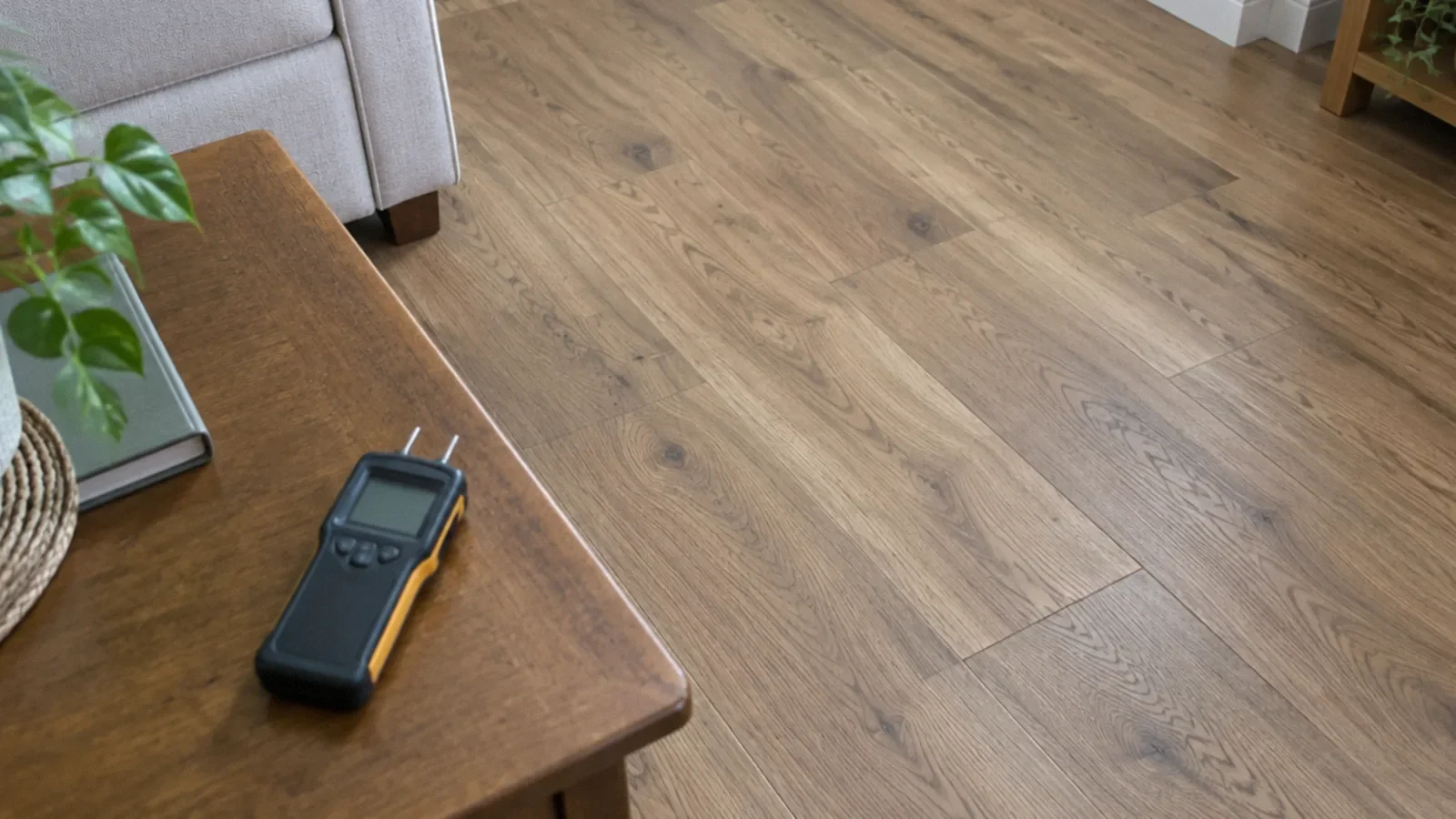
Water reaching carpet, padding, seams, adjacent rooms or a ceiling below may leave contamination and moisture concealed. Do not assume the surface is clean because it looks dry. Notify management and affected occupants, keep away from sagging ceilings and electrical fixtures, document safely, and have the affected porous materials assessed for removal and replacement. Do not use the toilet again until its cause has been fixed and the plumber confirms it is ready.
Your next-step checklist
- Do not flush again.
- Avoid wet electrical equipment and keep others away.
- Close a known supply valve only if safely accessible.
- Stop using other fixtures if sewage is backing up.
- Use qualified help for ongoing, large or contaminated overflows.
Related questions
How do I stop an overflowing toilet?
Do not flush again. If safely accessible, close the toilet’s known supply valve. If water keeps rising or sewage is backing up, stop using other fixtures and call a plumber.
Why is the toilet overflowing if it is not clogged?
A fill mechanism, a drain farther downstream or a shared sewer problem may be involved. The cause requires inspection.
Is toilet overflow water safe to touch?
Treat it as potentially contaminated. Avoid contact, use suitable protection and wash hands after cleanup.
Can I use drain cleaner in an overflowing toilet?
Do not add chemicals to an overflow or mix products. Tell the plumber if any cleaner is already in the drain.
Sources & context
Public guidance supports the principles in this article. The practical questions and examples are editorial interpretation, not a site assessment or a coverage decision. State-specific rules apply only where identified.
- EPA: Resolving septic system malfunctionsfederal environmental guidance
- CDC: Cleaning safely after a disasterfederal safety guidance
- Poison Control: Safe cleaning practicespoison center guidance
- Electrical Safety Foundation: Water-damaged equipmentelectrical safety guidance