For a single slow fixture, stop adding water, check for a simple accessible obstruction and use only a tool suitable for that fixture. Never mix drain cleaners or plunge a drain containing a chemical product. If several fixtures back up, sewage appears or you are unsure what is in the pipe, stop using the plumbing and call a plumber.
Determine how widespread the problem is
A slow sink, shower or tub can have a local obstruction. If several fixtures drain slowly, water rises in another fixture or a low drain backs up, the issue may be farther down the line. The pattern is a clue, not a complete diagnosis.
Stop using affected fixtures and do not run water repeatedly to test a full drain. Keep children and pets away from sewage or contaminated water. Contact a qualified plumber for multiple backups, a recurring issue or a suspected main-line obstruction.
Check for chemicals before using a tool
Ask whether anyone has already poured drain cleaner, bleach or another chemical into the fixture. Many drain cleaners are corrosive. Plunging, snaking or opening a trap can splash the product and cause serious injury; follow the product instructions and tell the plumber what was used and when.
Never mix drain cleaners with each other or with bleach, ammonia, vinegar or another household product. If a person is exposed to a chemical, follow poison-control and emergency instructions. Keep the product label available for responders without delaying care.
Start with an accessible obstruction
Where no chemical cleaner is present and the fixture maker permits it, remove visible debris from an accessible stopper or strainer using gloves and an appropriate tool. Do not reach into an unknown opening, put your hand into a garbage disposal or force a stuck fitting.
Place debris in the trash rather than pushing it farther into the drain. If the stopper cannot be removed safely or dirty water is overflowing, stop and ask a plumber. The safest action depends on the fixture, pipe condition and contents of the water.
A plunger or manual drain tool
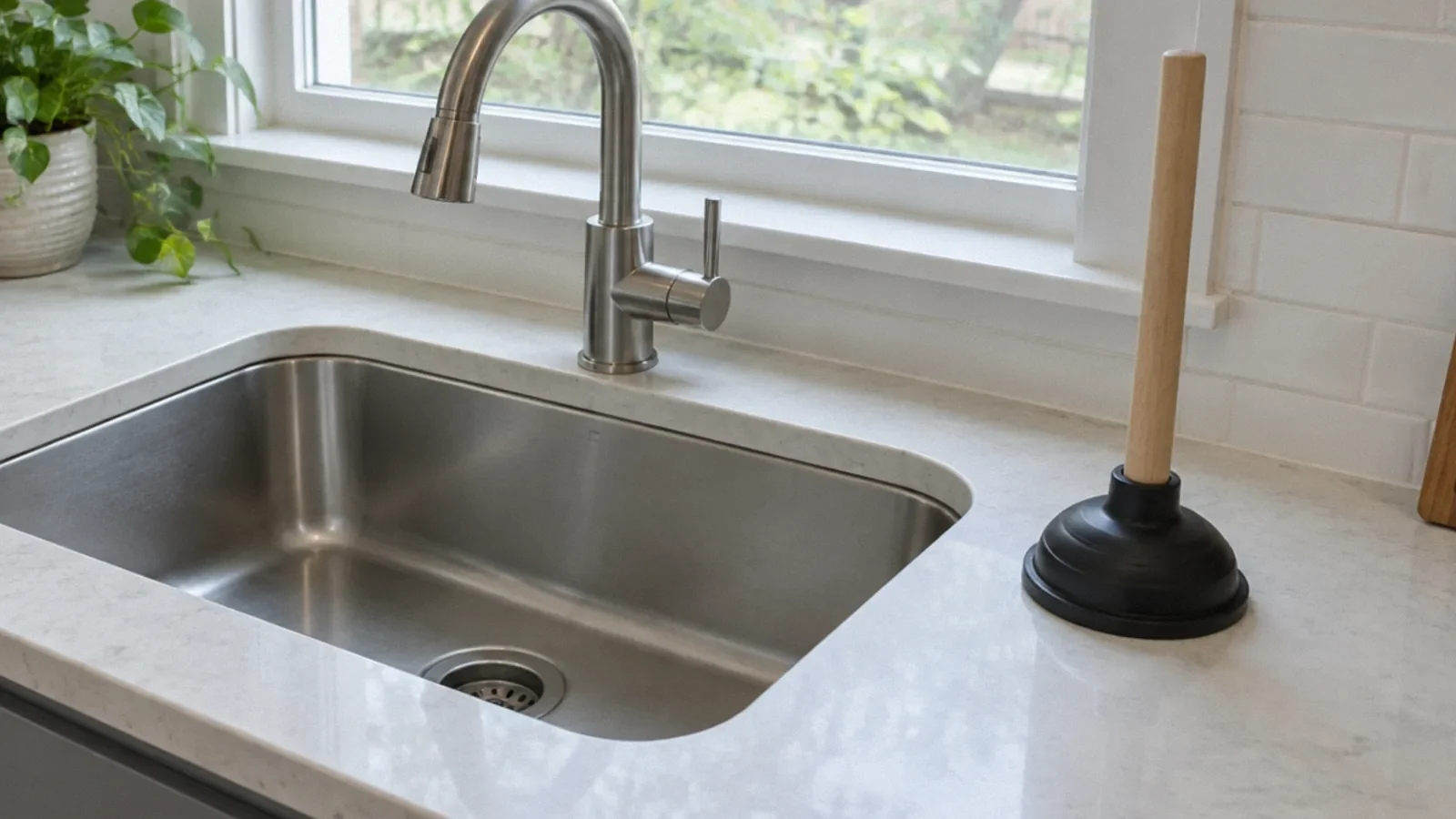
A plunger or a fixture-specific manual hair tool can help with some local clogs when used according to its instructions. Use appropriate eye and hand protection and avoid vigorous force that could damage fittings. Never use a plunger on a drain containing corrosive cleaner.
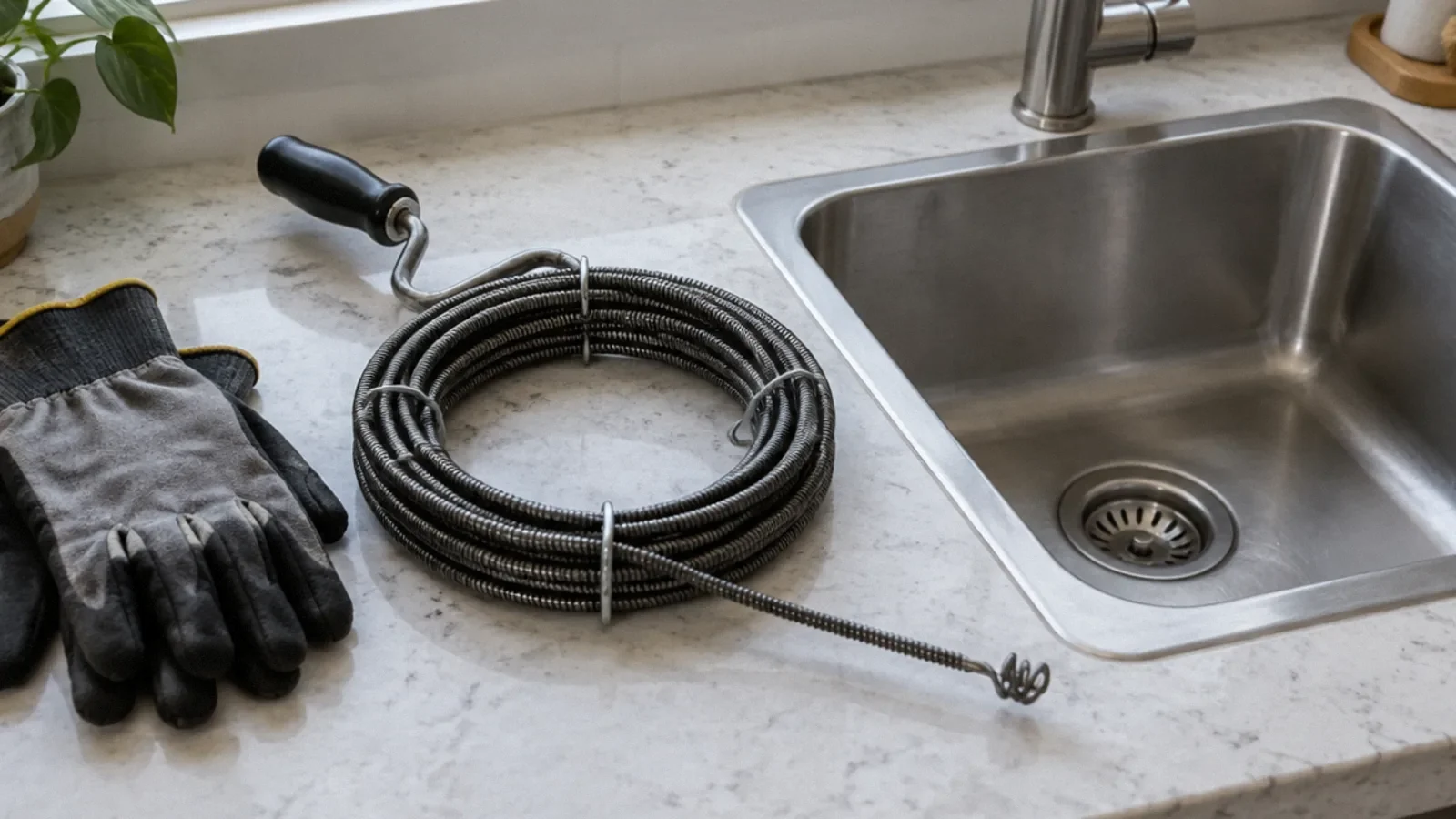
A drain snake is a different tool and must suit the fixture and pipe. Do not force its cable if it binds or meets firm resistance. Powered sewer machines require appropriate training and are not a general do-it-yourself tool. If the problem persists, a plumber can select the correct access and method.
Hot water and home mixtures
Do not assume that boiling water is safe for every pipe, fixture or seal. Follow the manufacturer’s instructions and avoid a scald hazard. A mixture of baking soda and vinegar creates a reaction, but Poison Control notes that the gas can escape from an open drain and generally does not build enough pressure to clear the contents.
Home mixtures are not a reliable diagnosis or a reason to combine unknown products. Do not use any chemical if another cleaner may remain in the line. A physical obstruction, damaged pipe or sewer backup may require a different response.
What not to do with sewage
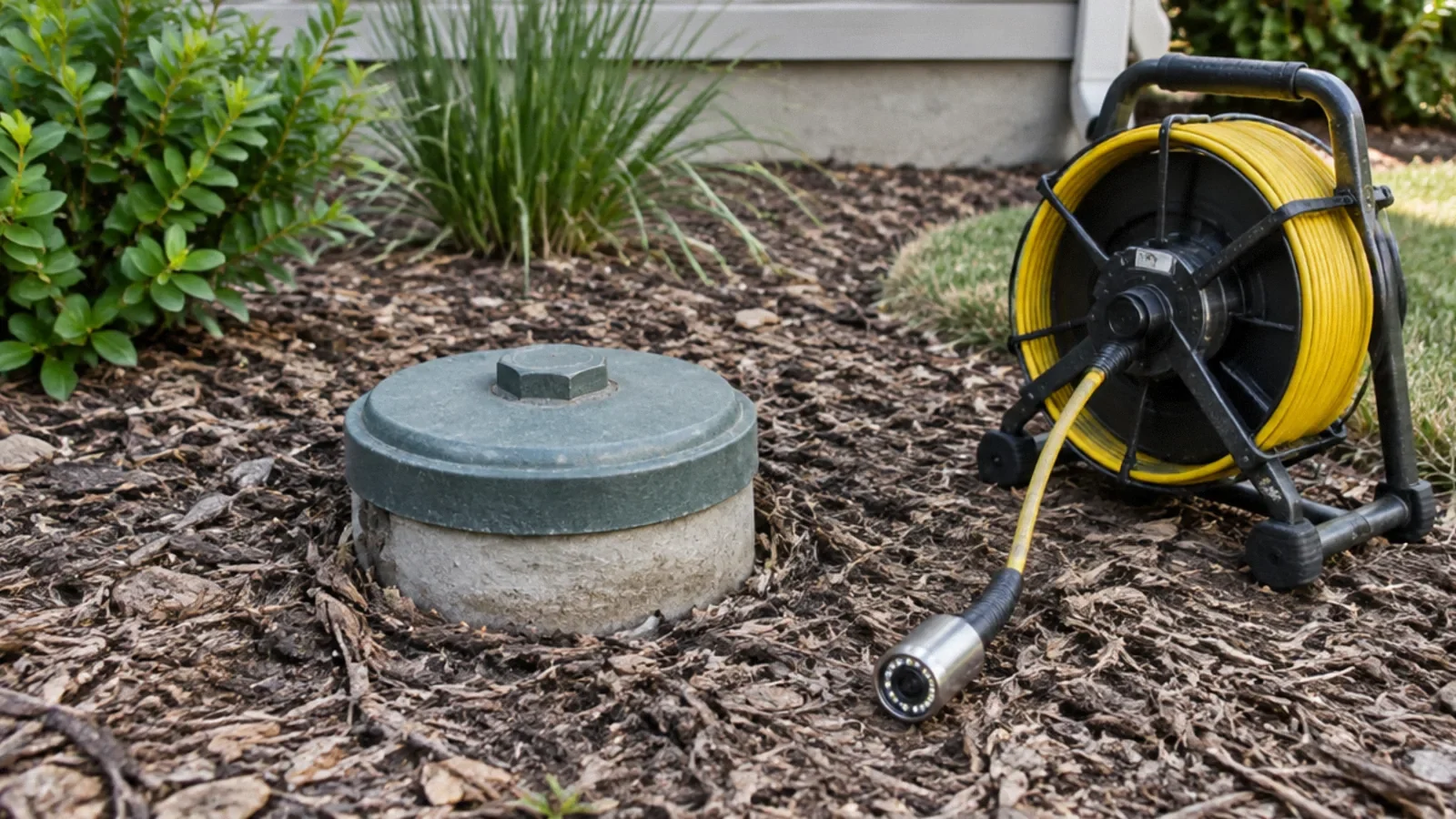
If sewage enters a sink, shower, basement or floor drain, stop using the affected plumbing, keep people and pets away and contact a qualified plumber. Do not open a main cleanout or enter standing water near electrical equipment. A cleanout cap can have wastewater behind it.
Contaminated water may need an experienced cleanup provider as well as a plumbing repair. A drain that starts flowing again does not prove that affected flooring, walls or belongings are clean and dry. Document conditions safely and notify the property manager or insurer when appropriate.
What a plumber may check
A plumber can inspect the fixture and access points, select a suitable clearing tool and decide whether a camera or further investigation is useful. Explain which fixtures are affected, when the problem started and any chemicals or tools already used.
Ask for a written scope and cost, including whether clearing, camera inspection, cleanup or repair is included. If a cable encounters a damaged pipe or the problem returns, the next step may differ from routine cleaning. Do not assume a main-line replacement is necessary without evidence.
Reduce repeat blockages
Use an appropriate strainer to catch hair and debris, dispose of grease in the trash according to local guidance and follow the wastewater utility’s instructions about wipes and other products. Keep cleaning chemicals stored away from children and pets.
If the same drain repeatedly clogs, record the pattern and arrange an assessment. Repeatedly adding chemicals or forcing a tool can create hazards without fixing a damaged or poorly configured line. Check for leaks under accessible sinks after any service.
Cleaning a floor drain
A basement or utility-room floor drain can collect hair, lint or debris, but standing water may also signal a main-line problem. If sewage is backing up, stop using plumbing, keep people away and call a plumber. Do not reach into unknown water or approach wet electrical equipment.
For routine maintenance, follow the fixture or property manager’s instructions and clean only an accessible grate or strainer that can be removed safely. Do not open a main cleanout or use a plunger or snake when corrosive cleaner may remain in the line. A dry trap can allow sewer odor; ask a plumber to assess recurring smells or backups.
Cleaning a drain snake and dealing with a main-line clog
After use, follow the tool maker’s cleaning and drying instructions while protecting yourself from drain contents. RIDGID advises flushing the cable and mechanism and air-drying its EZ Spin tool; the procedure and protective equipment can differ for other tools and contaminants. If chemicals or sewage were present, obtain the specific safety guidance before handling the equipment.
A main sewer blockage can release contaminated water under pressure. Stop using affected fixtures, keep people away and call a qualified plumber. Do not open a full cleanout or attempt to force a household tool through an unknown main line. The main-line cost discussion above is a national reference, not a Bay Area bid.
A practical check for slow or overflowing drains
A partial blockage may show as slow emptying, gurgling or water rising in one fixture. Check whether other fixtures are affected without repeatedly filling them. If several fixtures back up, sewage appears, or a floor drain overflows, stop using water and call a plumber. Overflow while a washer drains can involve its standpipe or another downstream restriction; it does not prove the washer is the cause.
For a sink or shower, lift only a removable strainer as the maker permits, collect visible hair or debris with gloves, and reinstall it. Inspect for leaks around accessible joints. Kitchen sinks collect food and grease; shower drains commonly collect hair and soap residue, so use the fixture maker’s instructions rather than the same chemicals everywhere. Check periodically and adjust frequency to use; monthly inspection can be useful but is not mandatory for every device.
A plunger moves water and air to dislodge a blockage; never plunge after applying chemical cleaner because splashing can cause burns. A manual snake requires cleaning and drying according to its instructions after use; wear gloves and avoid contaminating other surfaces. A floor drain opening is not necessarily a sewer cleanout. Avoid opening unidentified cleanouts or using powered equipment; ask a plumber to identify and clear a suspected main-line blockage.
When the question requires a separate inspection
For pricing, ask for a written scope that distinguishes a single fixture, a main sewer line and repair; the drain-cleaning cost guide explains which services affect a quote. A basement floor drain has a separate purpose and may lead to a different drainage system. See the floor-drain guide for its layout and maintenance.
For a fixture-specific manual tool, consult the drain snake guide. Main-line snaking requires a different tool and access decision; stop water use and call a plumber if several fixtures back up. A sewer cleanout is an access point and can release wastewater if opened under pressure.
Your next-step checklist
- Stop adding water to an overflowing fixture.
- Find out whether a chemical cleaner was used.
- Do not mix cleaners or plunge chemical-filled drains.
- Stop using plumbing if sewage or several fixtures back up.
- Tell the plumber about chemicals, tools and recurring symptoms.
Related questions
How do I unclog a drain safely?
For a local clog with no chemical cleaner present, remove accessible debris and use a fixture-appropriate manual tool as directed. Stop if it does not work or the situation is unsafe.
Can I mix vinegar with a drain cleaner?
No. Do not mix drain cleaners with vinegar, bleach or other products.
Does baking soda and vinegar always clear a clog?
No. Poison Control explains that the gas generally escapes through an open drain rather than building enough pressure to release the blockage.
What if several drains are backing up?
Stop using affected plumbing and contact a plumber. Sewage or multiple backups may indicate a broader problem.
What is the cost to unclog a drain?
Angi’s national guide updated August 3, 2026 lists about $246 on average and $147–$352 for many projects. Obtain a local quote for the specific scope.
What should monthly drain maintenance include?
Keep debris and grease out of drains, clean accessible strainers and look for slow flow or leaks. Follow the fixture instructions; recurring backups need diagnosis rather than routine chemical treatment.
What does a plunger do?
A plunger uses pressure changes to help move some blockages in a fixture drain. It will not repair a broken pipe and can splash dangerous chemicals; do not plunge after adding a caustic drain opener without qualified guidance.
Sources & context
Public guidance supports the principles in this article. The practical questions and examples are editorial interpretation, not a site assessment or a coverage decision. State-specific rules apply only where identified.
- Poison Control: Drain cleaner hazardspoison safety guidance
- City of Minneapolis: Sewer cleanoutsmunicipal guidance
- RIDGID: EZ Spin drain snake instructionsmanufacturer instructions
- EPA household hazardous wastefederal guidance