A drain snake, or auger, is a flexible tool used to reach an obstruction in a pipe. Choose a tool suitable for the fixture and follow its instructions. Never use a snake in a drain containing chemical cleaner: it can splash corrosive liquid. Repeated backups, sewage or an unknown pipe call for a plumber.
What a drain snake does
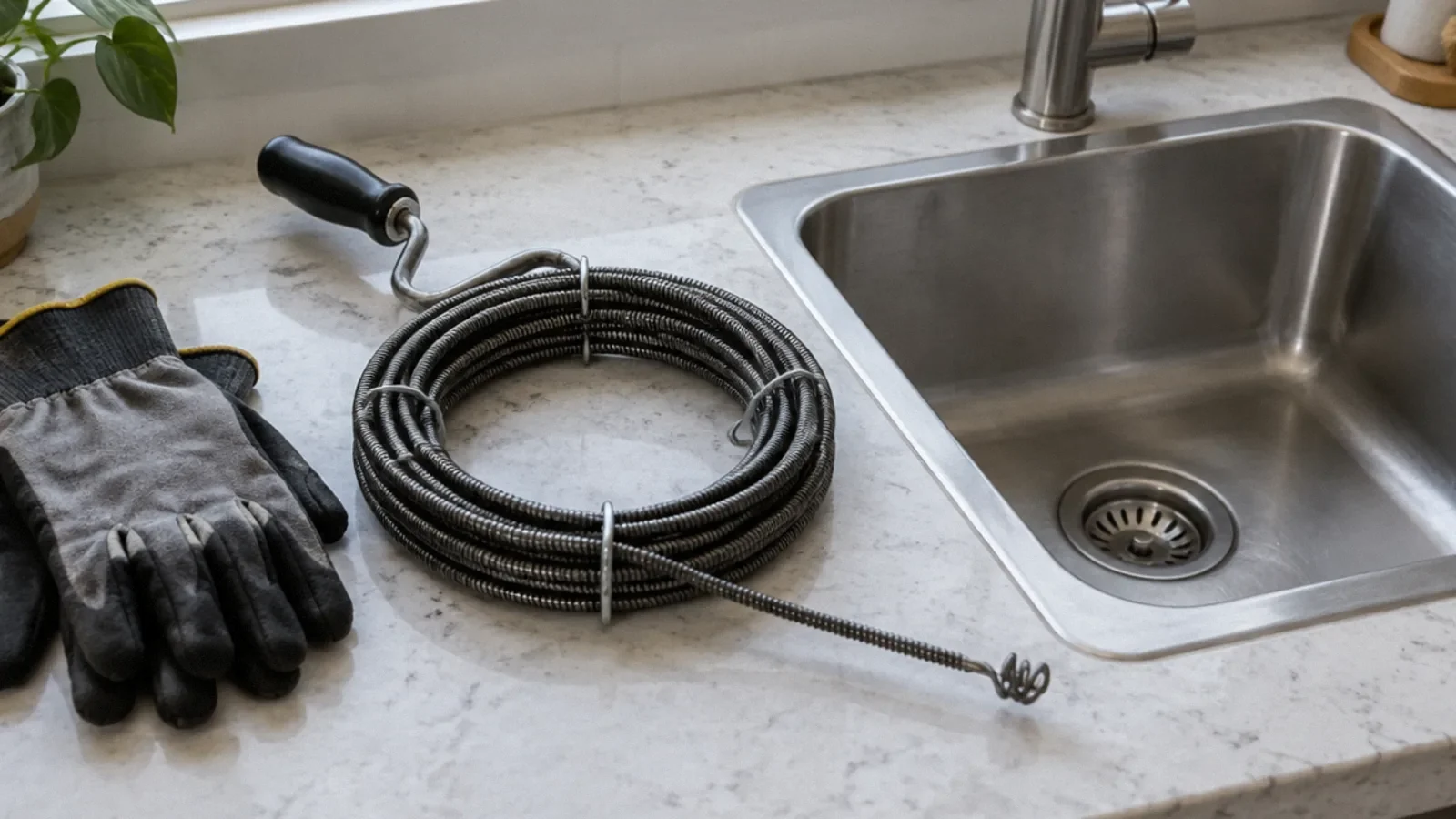
A manual drain snake generally has a flexible cable or strip designed to reach a clog. Different tools are made for different fixtures and pipe sizes. A simple plastic hair-removal tool, a hand-crank auger and a powered sewer machine are not interchangeable.
A snake can retrieve or disturb some local obstructions, but it cannot diagnose every drainage problem. A damaged pipe, blocked main line, tree roots or a vent issue may need a different assessment. A tool passing through one section does not prove the entire system is clear.
Check for hazards first
If chemical drain cleaner has been poured into the drain, do not plunge, snake or open the trap: corrosive liquid can splash. Follow the product’s safety instructions and tell a plumber exactly what was used and when. For an exposure to the skin, eyes or fumes, follow poison-control or emergency guidance promptly.
Keep children and pets away. Do not mix drain products, bleach or other cleaners. Poison Control warns that many drain cleaners are corrosive and can cause severe injury. A homemade mixture is not a reliable substitute for identifying the obstruction.
Choose a suitable manual tool
Read the fixture and tool instructions before starting. A flexible plastic hair tool may suit an accessible shower or sink opening, while an auger may require a different access point. The wrong tool can scratch a finish, become stuck or damage a pipe.
Wear appropriate gloves and eye protection, and prepare for contact with dirty water. Do not use a powered machine unless trained and equipped for it. If the fitting, pipe material or access is uncertain, stop and ask a plumber.
Basic approach for an accessible fixture
For a small local clog, use a manufacturer-approved manual tool only when no chemical cleaner is present. Follow its instructions, insert it gently through the intended opening and avoid forcing the cable around a tight bend. Remove material carefully and contain debris for disposal.
If the tool catches, bends sharply, meets firm resistance or begins to damage the fixture, stop. Do not apply more force merely to advance it. A plumber can select an appropriate access point and determine whether a different tool is needed.
Checking the result
When the tool has been removed and the fixture is reassembled according to its instructions, test a small amount of water only if it is safe to do so. Watch for leaks and whether the drain backs up again. Do not leave a running tap unattended over a blocked fixture.
A temporary improvement does not establish that every downstream pipe is clear. Repeated slow drainage, gurgling, multiple affected fixtures or water rising elsewhere may indicate a broader problem. Document the symptoms and contact a plumber.
When the main sewer may be involved
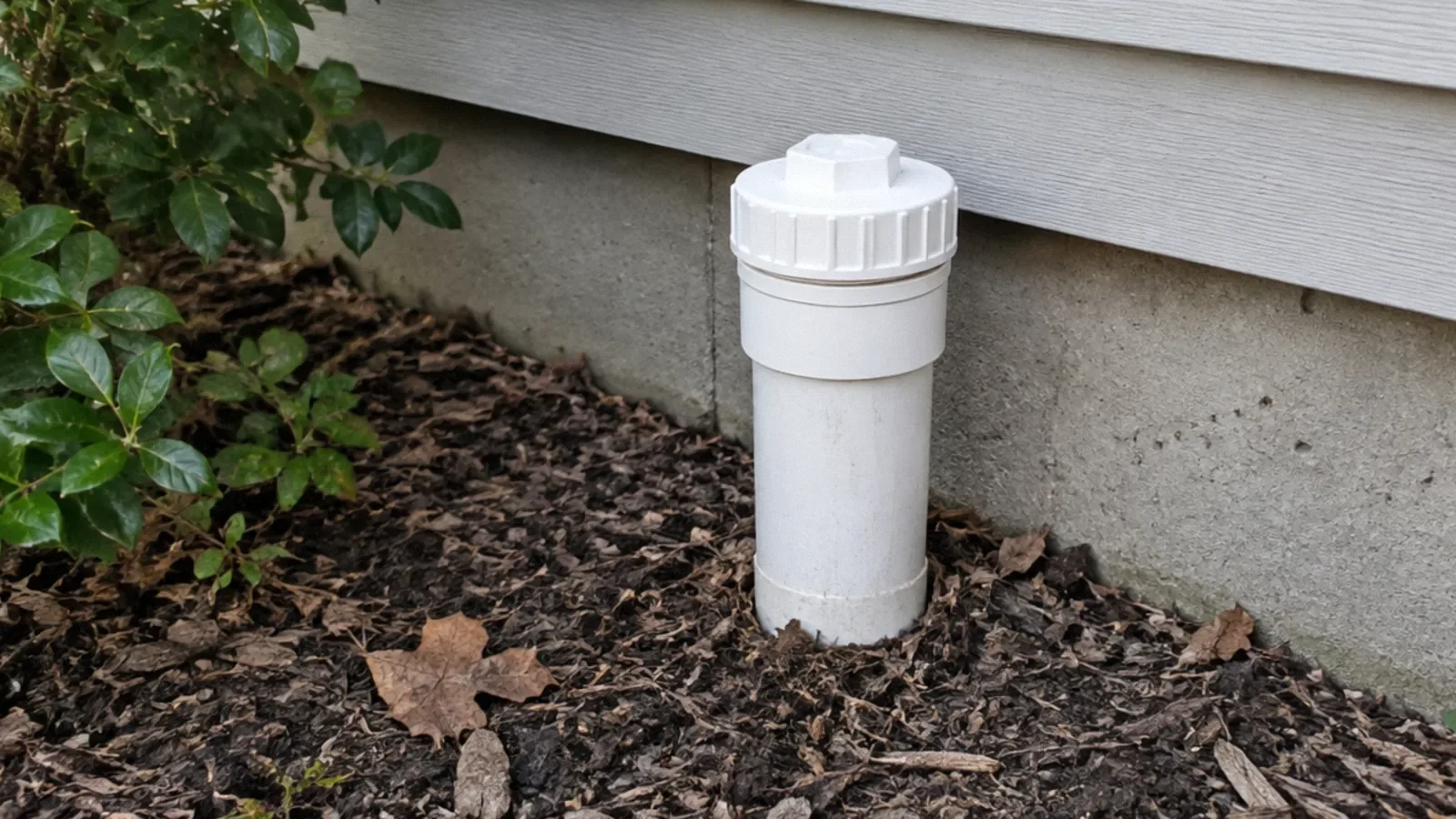
If several fixtures back up, sewage appears or water rises from a low drain, stop using the affected plumbing and keep people and pets away. Do not open a sewer cleanout yourself: wastewater may be behind the cap. Call a qualified plumber and contact the local sewer authority when appropriate.
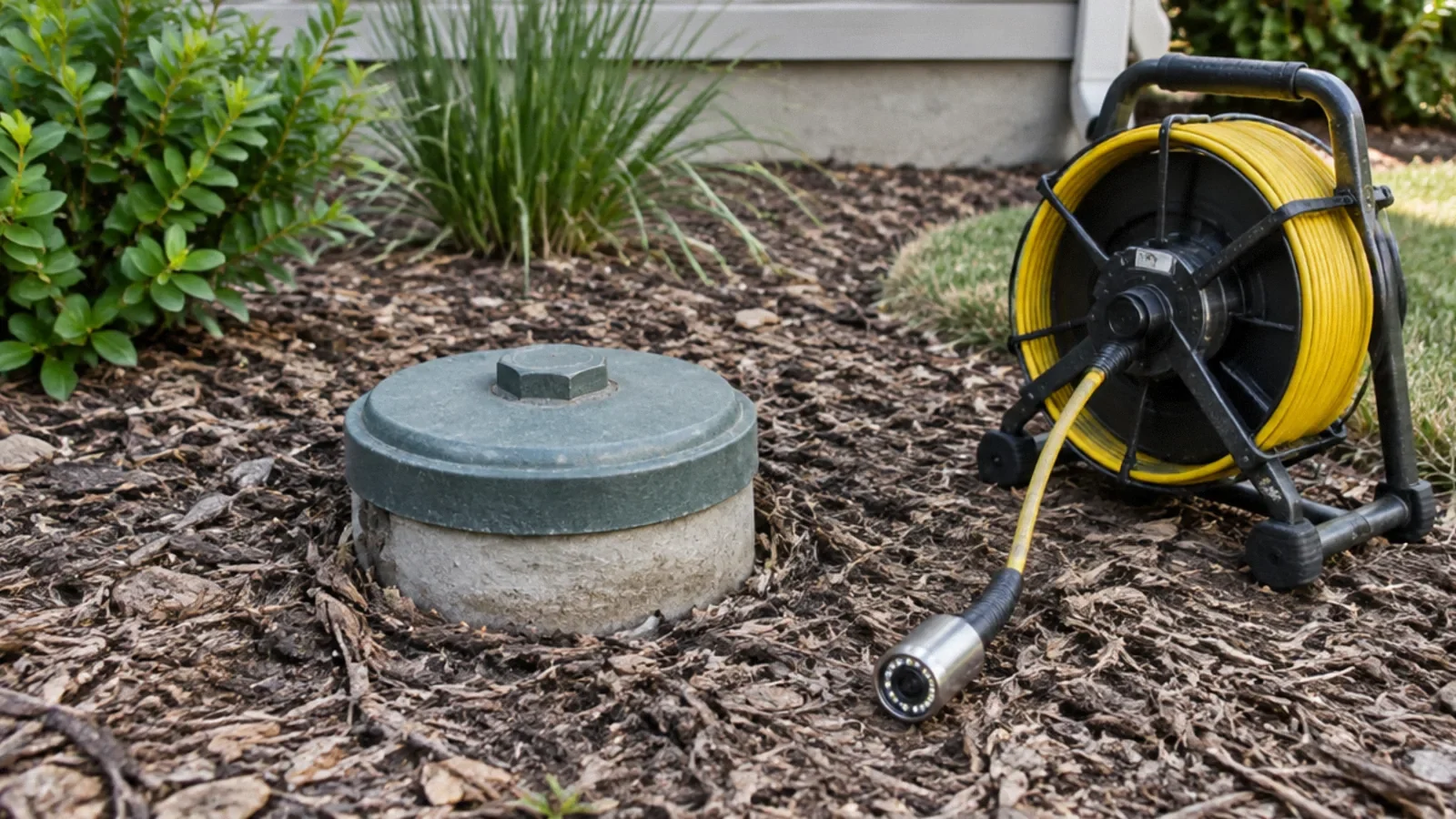
A professional may use an inspection camera or a suitable clearing method after identifying the line. The correct method depends on pipe condition and obstruction. Chemical drain cleaner, a sink snake and high-pressure jetting are not interchangeable solutions.
What to ask a plumber
Describe the fixture, timing, whether other drains are affected and any chemicals used. Ask how the provider will protect surfaces, manage contaminated water and determine whether further inspection is needed. Request a written estimate that distinguishes clearing from camera inspection or repair.
A provider should explain the limits of the work and what happens if a cable cannot pass or a pipe is damaged. Avoid a promise that every clog can be cleared with one tool. The cause should be identified before authorizing a more invasive repair.
Preventing repeat clogs
Use fixture strainers where appropriate, keep hair and debris out of drains and follow local guidance for disposing of grease and wipes. Products labeled flushable may still create problems in a particular plumbing system; follow the utility’s instructions.
If blockages recur, document the pattern and arrange a professional assessment instead of repeatedly adding chemicals or forcing a snake. A damaged or poorly configured line needs a different solution from routine removal of hair at a fixture.
Choosing access for different fixtures
For a bathroom sink, a stopper may obstruct access. Remove it only if the fixture instructions allow; do not force an unfamiliar linkage. A bathtub may have a different stopper or overflow arrangement, so use only the opening and tool specified for that fixture. Traps vary in shape and access. Do not dismantle one unless you know the manufacturer’s procedure and can safely contain its contents.
For a kitchen sink, keep hands and tools out of a garbage disposal; disconnect power safely according to its instructions before any permitted work near it. If isolation is uncertain, call a plumber. Choose a manual auger sized for the drain and follow its directions for feeding, turning and withdrawing the cable. Stop if it binds. A toilet auger is designed differently from a sink cable. Rooter can describe a service or equipment; ask the provider what method is included. Main-line work is covered separately in the sewer line snaking guide.
Your next-step checklist
- Check whether any chemical drain cleaner was used.
- Select a manual tool appropriate to the fixture.
- Wear suitable protection and do not force the cable.
- Stop using plumbing if sewage or multiple backups occur.
- Tell the plumber about chemicals and recurring symptoms.
Related questions
What is a drain snake?
It is a flexible tool used to reach or remove certain obstructions. Different fixtures require different tools.
Can I snake a drain after using chemical cleaner?
Do not plunge or snake a drain containing chemical cleaner because corrosive liquid can splash. Tell the plumber what was used.
Should I force a snake through resistance?
No. Stop if the cable binds, bends or damages the fixture, and ask a plumber for help.
What if several drains back up?
Stop using affected plumbing and contact a plumber; a main-line problem or another broader issue may need assessment.
What does rooter mean in plumbing?
The term commonly refers to a drain-clearing service or mechanical equipment; a company name or label does not establish the method or scope. Ask what tool and inspection are included.
Can I snake a main sewer line myself?
A main-line blockage can involve contaminated water, difficult access and equipment hazards. A qualified drain professional can evaluate the line and choose a safe method; do not open a pressurized cleanout.
Sources & context
Public guidance supports the principles in this article. The practical questions and examples are editorial interpretation, not a site assessment or a coverage decision. State-specific rules apply only where identified.
- Poison Control: Drain cleaner hazardspoison safety guidance
- City of Minneapolis: Sewer cleanoutsmunicipal guidance
- U.S. EPA: Used oil and drainsfederal guidance