Do not assume a steam mop is safe for hardwood. Shaw Floors and the National Wood Flooring Association advise against wet or steam mops on wood floors because moisture can damage the finish and wood. Follow the exact flooring manufacturer’s care instructions and wipe spills promptly.
Why wood and steam can be a poor combination
Wood and its finish respond to moisture and temperature. Steam can introduce heat and water at the surface and around seams, potentially affecting a finish or the wood. The outcome depends on the floor construction, finish, existing gaps and amount of exposure.
A device advertised for sealed floors is not automatically approved for your particular hardwood. Shaw’s hardwood care guidance says not to use wet or steam mops, and the National Wood Flooring Association gives the same general caution. Check the exact product’s warranty and care guide.
Solid and engineered hardwood
Solid hardwood and engineered hardwood have different constructions, and individual finishes vary. Engineered flooring often has a wood surface over other layers; it is not automatically immune to moisture. The floor maker’s instructions determine the approved method for that product.
Do not confuse hardwood with a wood-look vinyl or laminate floor. Those products have their own care rules, and some vinyl makers also advise against steam. If the flooring is unidentified, ask the installer or manufacturer before using equipment or chemicals.
Routine cleaning alternatives
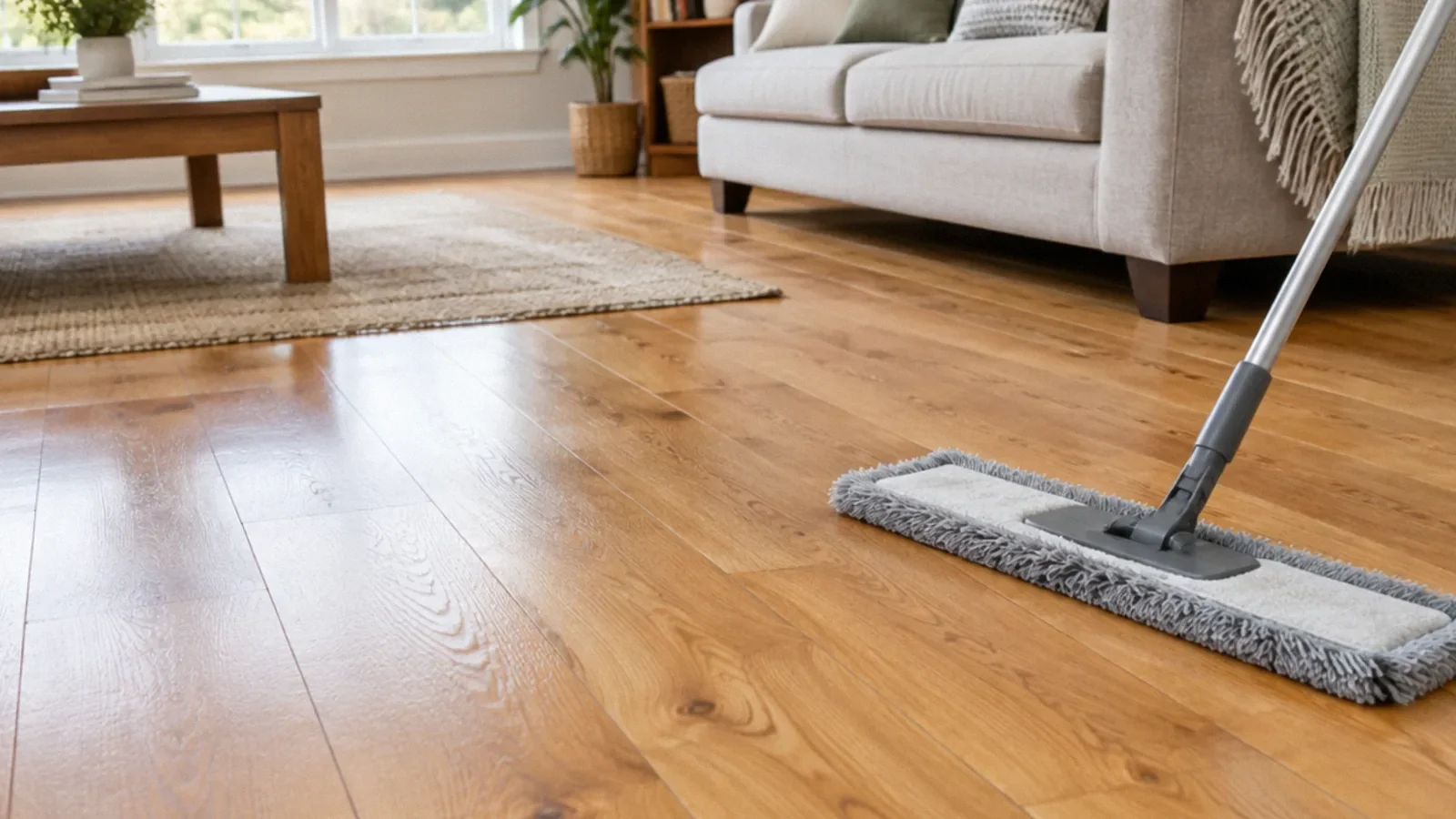
Sweep, dust mop or vacuum using an attachment and setting suitable for hardwood. Remove grit before it scratches the finish. Use only the cleaner and application method approved by the flooring manufacturer, and avoid leaving standing liquid.
Wipe ordinary spills promptly with a soft cloth when safe. Do not use a soaking wet mop or an unapproved wax, oil soap, vinegar mixture or abrasive product. The correct cleaner depends on the finish, so test and follow the maker’s directions.
What about sanitation?
Cleaning, sanitizing and disinfecting are different processes. A steam device or household mixture should not be described as disinfecting a wood floor unless the equipment, method and surface instructions support that claim. Heat and moisture can damage some floors before the desired result is achieved.
If disinfection is required, consult the flooring manufacturer and the disinfectant label for a compatible method. Follow required contact time and safety instructions without soaking the floor. Never mix cleaning chemicals.
If steam has already been used
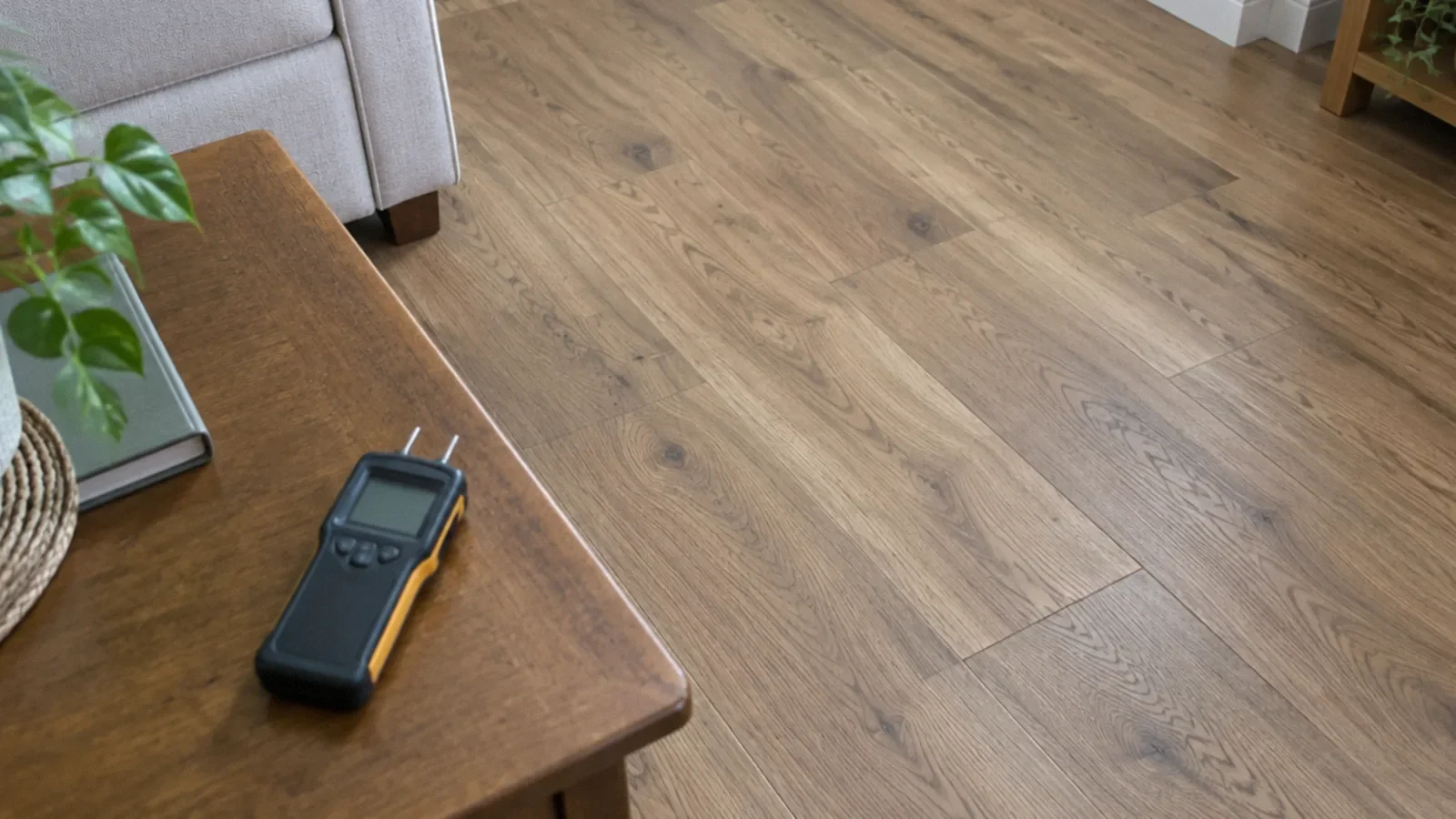
Stop using the device and follow the flooring maker’s instructions. Wipe accessible surface moisture with a dry soft cloth; do not add more heat or liquid. Check for changes in finish, raised edges or gaps over time without assuming that a visible mark identifies the entire damage.
If boards cup, buckle, separate or remain damp, ask a qualified flooring professional to inspect the floor and subfloor. Do not sand, refinish or replace boards until the moisture source and material conditions are understood. Keep the equipment and product information for the assessment.
When water damage is involved
A plumbing leak, appliance overflow or flood can affect the wood, underlayment and subfloor. Electrical hazards and contaminated water require precautions beyond routine floor cleaning. Keep away from standing water near electricity and stop a known source only if safely accessible.
EPA recommends prompt response to water-damaged materials and inspection of underlying flooring layers. Ask a restoration professional how moisture will be measured and what materials can be retained. A steam mop is not restoration equipment for a flooded floor.
Prevent scratches and moisture exposure
Use entry mats and furniture protectors approved by the floor maker, clean grit regularly and avoid dragging heavy furniture. Choose protective mat backing that will not discolor the finish. Follow the manufacturer’s guidance for household humidity and maintenance.
Document leaks and repairs and monitor for recurrence. For expensive or historic floors, consult a wood-flooring professional before attempting a treatment. A small stain, a worn finish and moisture damage can require different solutions.
If vinegar has already touched the floor
Finish instructions differ. Provenza advises against vinegar and water for its UV acrylic and polyurethane finishes because they can dull the finish or leave a film over time. Kentwood’s Canadian guidance permits occasional vinegar and water on its products in certain circumstances. Neither instruction establishes safety for an unidentified floor: consult the specific floor and finish maker.
Vinegar is acidic and may affect some finishes; the result depends on the coating and manufacturer’s instructions. Do not assume all sealed wood reacts alike or apply more cleaner to compensate. Stop using it, remove remaining liquid promptly with a soft cloth, and follow the floor maker’s directions for a compatible cleaner and drying.
Look for a dull patch, discoloration, raised seams or a tacky finish after drying. Photograph changes and ask the flooring manufacturer or a professional about the specific finish. Do not sand or apply another acidic or alkaline product in an attempt to reverse a change without an assessment.
Your next-step checklist
- Check the exact hardwood care guide.
- Avoid wet and steam mops unless the floor maker expressly permits them.
- Remove grit with a suitable dry method.
- Wipe spills promptly without soaking seams.
- Seek assessment for cupping, persistent moisture or flood damage.
Related questions
Can I steam mop hardwood floors?
Shaw Floors and the National Wood Flooring Association advise against steam mops on hardwood. Follow the exact floor manufacturer’s instructions.
Is engineered hardwood safe from steam?
Not automatically. Its wood surface and underlying layers can be affected by heat and moisture; check the product care guide.
What if I already used a steam mop?
Stop using it, wipe accessible moisture and contact a flooring professional if the finish or boards change.
Can steam repair water-damaged wood?
No. Identify the water source and assess the flooring and subfloor before repair.
Will vinegar hurt hardwood floors?
Vinegar can be unsuitable for some wood finishes. Follow the flooring manufacturer’s instructions and avoid soaking the floor; use only a cleaner approved for the specific finish and test as directed.
Sources & context
Public guidance supports the principles in this article. The practical questions and examples are editorial interpretation, not a site assessment or a coverage decision. State-specific rules apply only where identified.
- Shaw Floors: Hardwood caremanufacturer guidance
- National Wood Flooring Association: Wood floor cleaningindustry guidance
- U.S. EPA: Water-damaged materialsfederal guidance
- Reference: woodfloors.orgreference
- Provenza: Hardwood care guidelines, acrylic and polyurethane finishessource guidance
- Kentwood: Hardwood flooring care FAQsource guidance