Remove loose grit with a suitable soft broom or hard-floor vacuum attachment, wipe spills promptly and use a cleaner approved for the exact flooring. Avoid soaking seams or leaving standing water. Luxury vinyl products vary, so check the manufacturer’s care guide before using a mop, chemical or disinfectant.
LVP and LVT need product-specific care
Luxury vinyl plank and luxury vinyl tile are resilient flooring formats sold by many manufacturers. Their wear layers, joints, installation systems and warranties differ. Locate the care instructions for the specific product before choosing a cleaner or a deep-cleaning machine.
A product described as waterproof may still allow water through seams, perimeter gaps or transitions to material underneath. Wipe up spills promptly and investigate a leak. A dry-looking vinyl surface does not prove that the subfloor or wall perimeter is dry.
Remove dust and grit
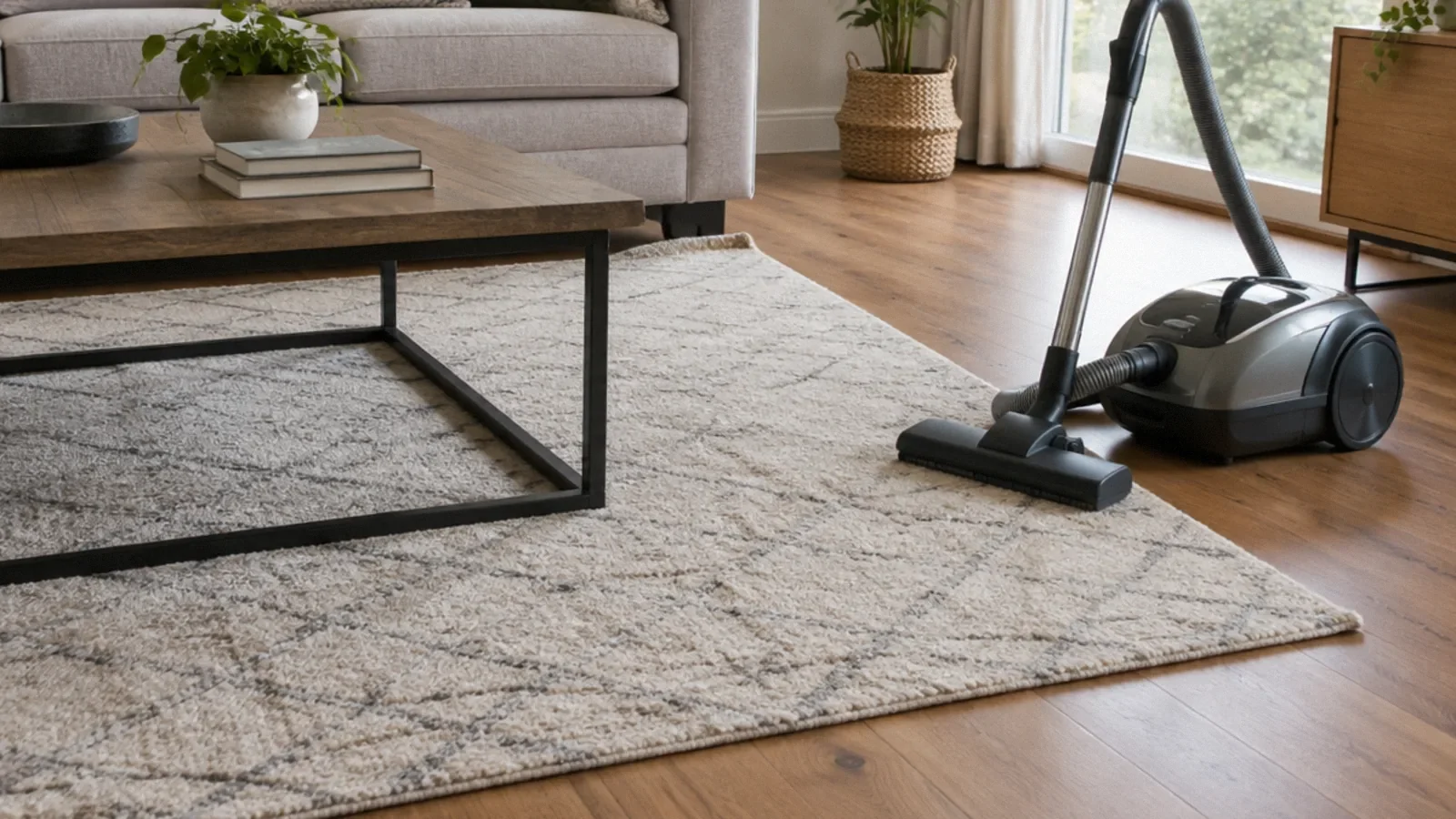
Sweep with a soft broom, use a dry microfiber dust mop or vacuum with an attachment approved for hard floors. Avoid a rotating brush or setting that may scratch the finish. Grit carried under furniture can abrade the wear layer, so clean high-traffic areas as needed.
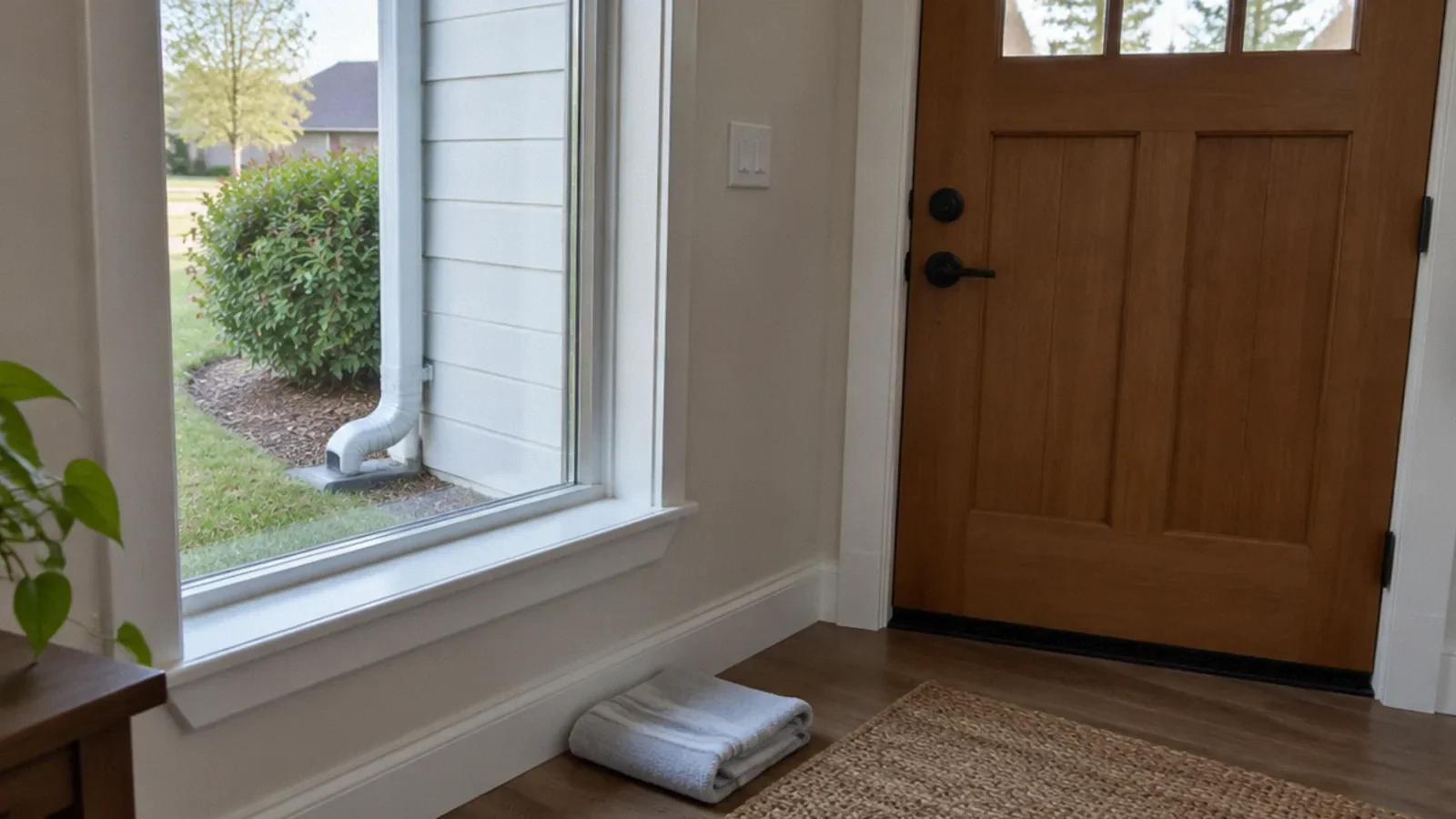
Use entry mats and suitable furniture protectors recommended by the floor maker. Some rubber or latex backings can discolor certain finishes; check the product guide. Lift heavy furniture with help rather than dragging it across the floor.
Clean ordinary residue
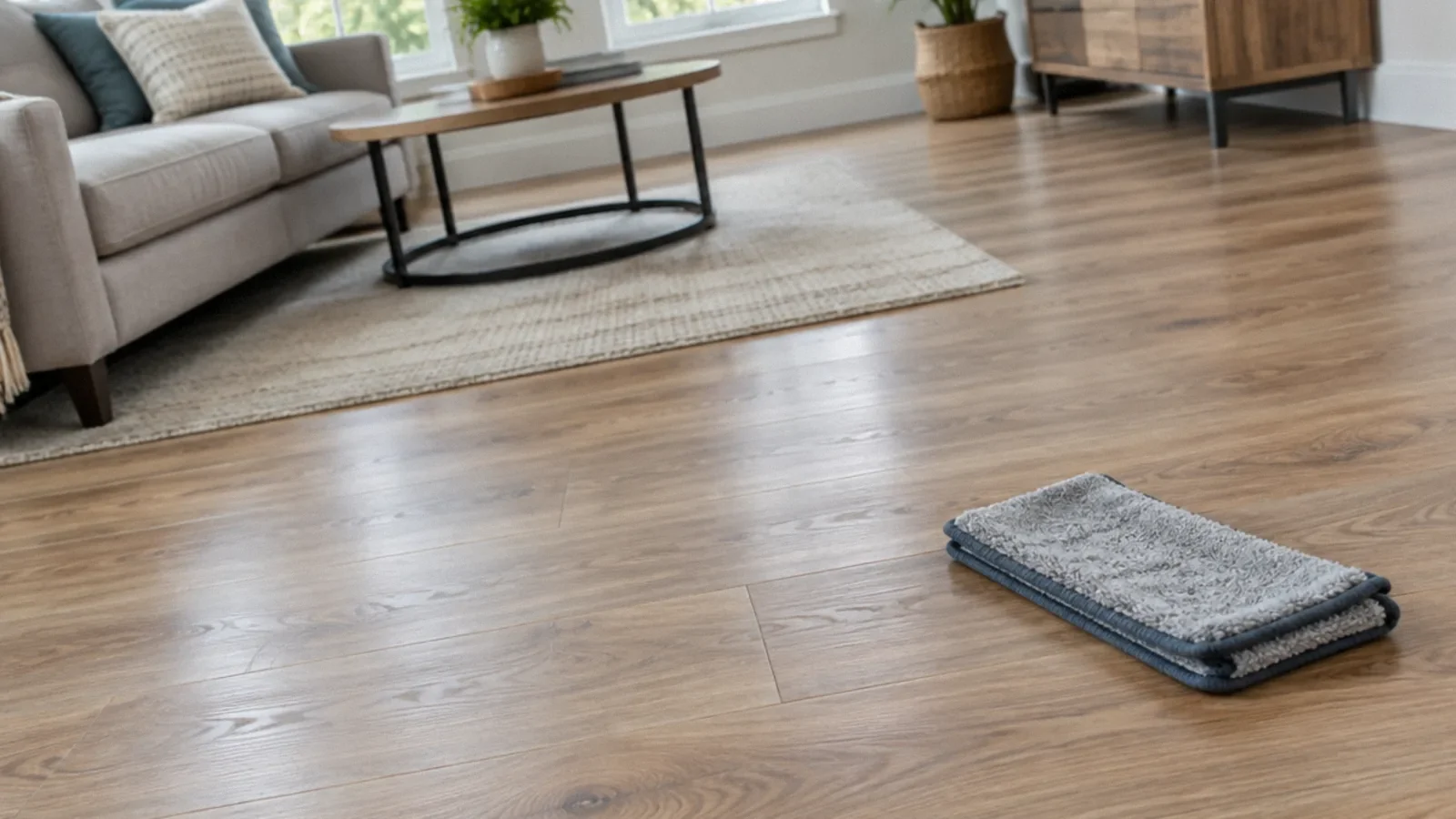
For routine cleaning, use a product and dilution recommended by the flooring manufacturer. A lightly damp mop may be appropriate when the instructions allow it; wring it out and avoid puddles. Rinse or leave the surface as directed by the cleaner and floor maker, then let it dry.
More detergent is not necessarily better. Excess product can leave a film that attracts soil or makes the floor slippery. Do not mix cleaning chemicals, and keep children and pets off the floor until the product instructions say it is safe.
What to avoid
Shaw advises avoiding abrasive cleaners, ammonia-based products, vinegar-based products and harsh chemicals on its luxury vinyl products. Other manufacturers may give their own instructions. Follow the guide for your exact floor rather than assuming a homemade mixture is universally safe.
Steam mops and excessive water can also be unsuitable; Shaw’s resilient vinyl care guidance says not to use steam. Avoid scouring pads, wax or polish unless the manufacturer expressly permits them. Test an approved product in a hidden area when the instructions recommend it.
Spots and stubborn marks
Blot a spill promptly and identify the substance before treating it. Use the flooring maker’s recommended spot method and a nonabrasive cloth. Do not scrape with a blade or pour an unapproved solvent onto the floor. A spot may be staining, residue or a change to the finish rather than removable dirt.
If a mark persists, contact the maker or a flooring professional. Explain the product name and the cleaners already used. Repeated application of incompatible chemicals can damage the wear layer or complicate a later repair.
Cleaning versus sanitizing
Routine cleaning removes soil; sanitizing or disinfecting is a separate process that depends on the product, surface and label directions. Check that any disinfectant is registered for the intended use and compatible with the exact floor. Follow its contact time and rinsing instructions where applicable.
Do not claim that a household mixture sanitizes the floor without evidence. Some disinfectants can damage a finish or leave residue. Keep occupants and pets away as the label directs, and never mix a disinfectant with another cleaner.
Water under vinyl flooring
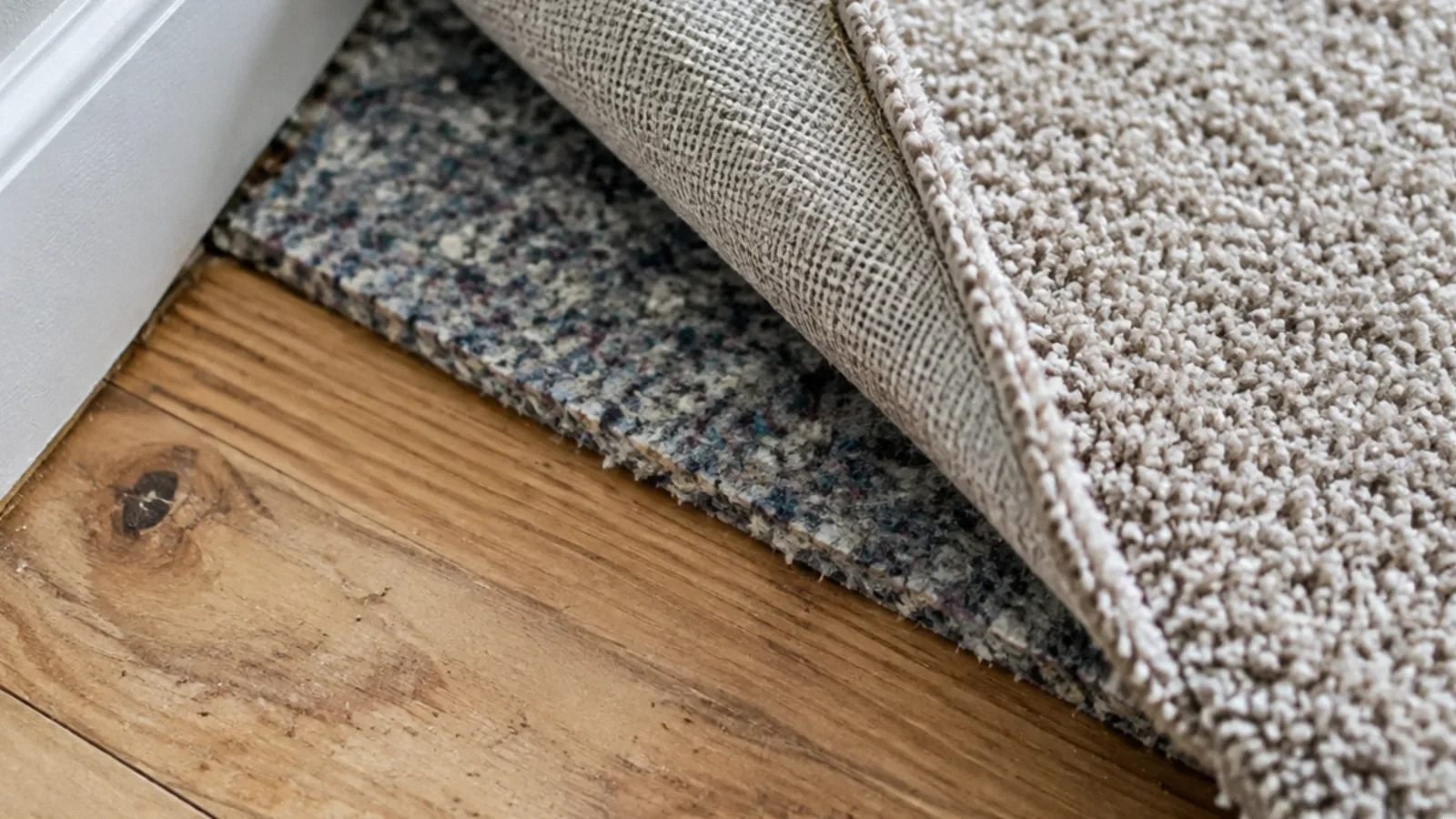
After a leak, water can reach joints, underlayment, subfloor or nearby walls even if the vinyl surface itself resists water. Stop the source when safe and arrange an assessment of the affected assembly. Do not simply cover the area with a mat or reinstall loose planks over damp material.
EPA’s water-damage guidance emphasizes cleaning and drying the floor beneath resilient flooring when affected. Sewage, floodwater, electrical hazards or visible mold require experienced help. Removal and reinstallation depend on the flooring system and the condition of the layers.
A maintenance routine
Clean loose grit regularly, address spills promptly and inspect entry areas and furniture protectors. The right schedule depends on traffic, pets and the manufacturer’s guidance. Keep the product name and care instructions with the property records.
If joints lift, a persistent odor develops or the floor changes after water exposure, ask a flooring or restoration professional to inspect the cause. A routine cleaning is different from restoring an assembly that has remained wet or been contaminated.
Deep cleaning without soaking the floor
First sweep or vacuum with a suitable hard-floor attachment to remove abrasive grit. Select a cleaner specifically permitted for the installed product and measure its dilution according to the label. Work in small sections using a well-wrung mop or cloth; avoid puddles at seams and edges. Remove residue or rinse only as the floor and cleaner instructions direct, and allow the surface to dry before replacing furnishings.
Luxury vinyl tile and plank have individual joints, while sheet vinyl usually has wider continuous runs and different seams. Their installation and finish instructions can differ, so do not transfer a deep-cleaning method automatically between them. If soil remains after a permitted treatment, ask the manufacturer before trying stronger chemicals or a machine.
Your next-step checklist
- Follow the exact flooring manufacturer’s care guide.
- Remove grit with a soft broom or suitable vacuum.
- Use only an approved cleaner and avoid standing water.
- Check the label before sanitizing or disinfecting.
- Assess the subfloor after a leak or flood.
Related questions
How do I clean luxury vinyl plank floors?
Remove grit, wipe spills promptly and use the cleaner and moisture level approved by the flooring manufacturer.
Can I use a steam mop on vinyl flooring?
Do not assume it is safe. Some makers, including Shaw for its resilient vinyl guidance, advise against steam.
Is waterproof vinyl enough protection after a leak?
No. Water may reach seams, underlayment or the subfloor even when the surface resists water.
Can I sanitize vinyl flooring?
Only use a disinfectant compatible with the flooring and follow its registered label and the floor maker’s instructions.
Sources & context
Public guidance supports the principles in this article. The practical questions and examples are editorial interpretation, not a site assessment or a coverage decision. State-specific rules apply only where identified.
- Shaw Floors: Luxury vinyl caremanufacturer guidance
- Shaw Floors: Resilient vinyl maintenancemanufacturer guidance
- U.S. EPA: Water damage cleanupfederal guidance