Reducing water damage risk starts with maintaining plumbing and appliances, directing rainwater away from the building and investigating leaks early. Know where the water shutoff is and keep a plan for emergencies. No checklist can prevent every failure, and work near electricity, gas or heights may require qualified help.
Know how to stop the water
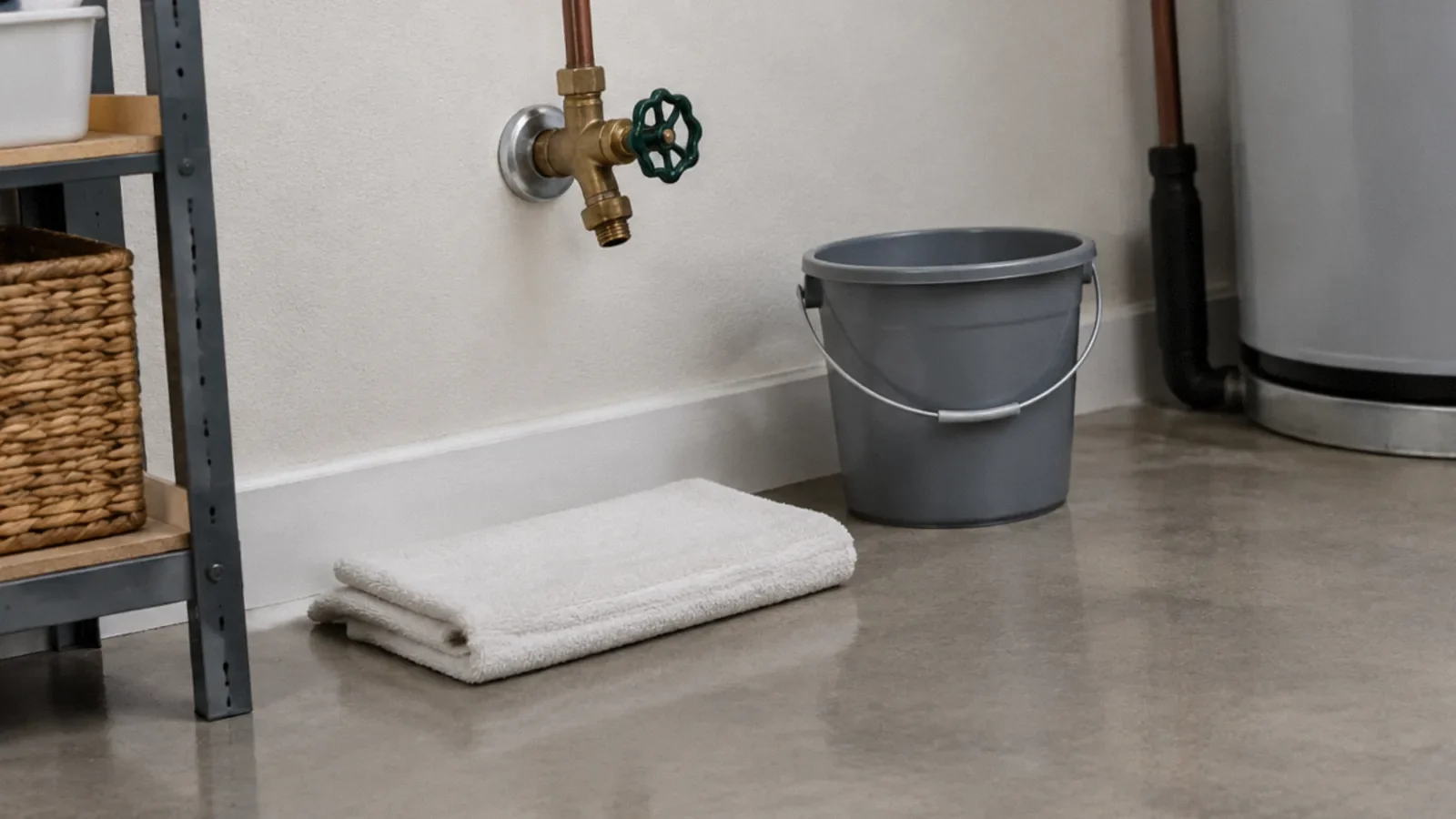
Locate the main water shutoff and accessible valves serving fixtures and appliances. Make sure household members know where the main valve is and whom to call if it cannot be operated. Label a valve only after its purpose is confirmed; do not confuse water and gas controls.
Do not force a corroded or stuck valve. A plumber can assess it and explain safe operation. In a shared building, ask the property manager which shutoffs serve your unit and how to report an urgent leak without affecting other occupants unnecessarily.
Check visible plumbing
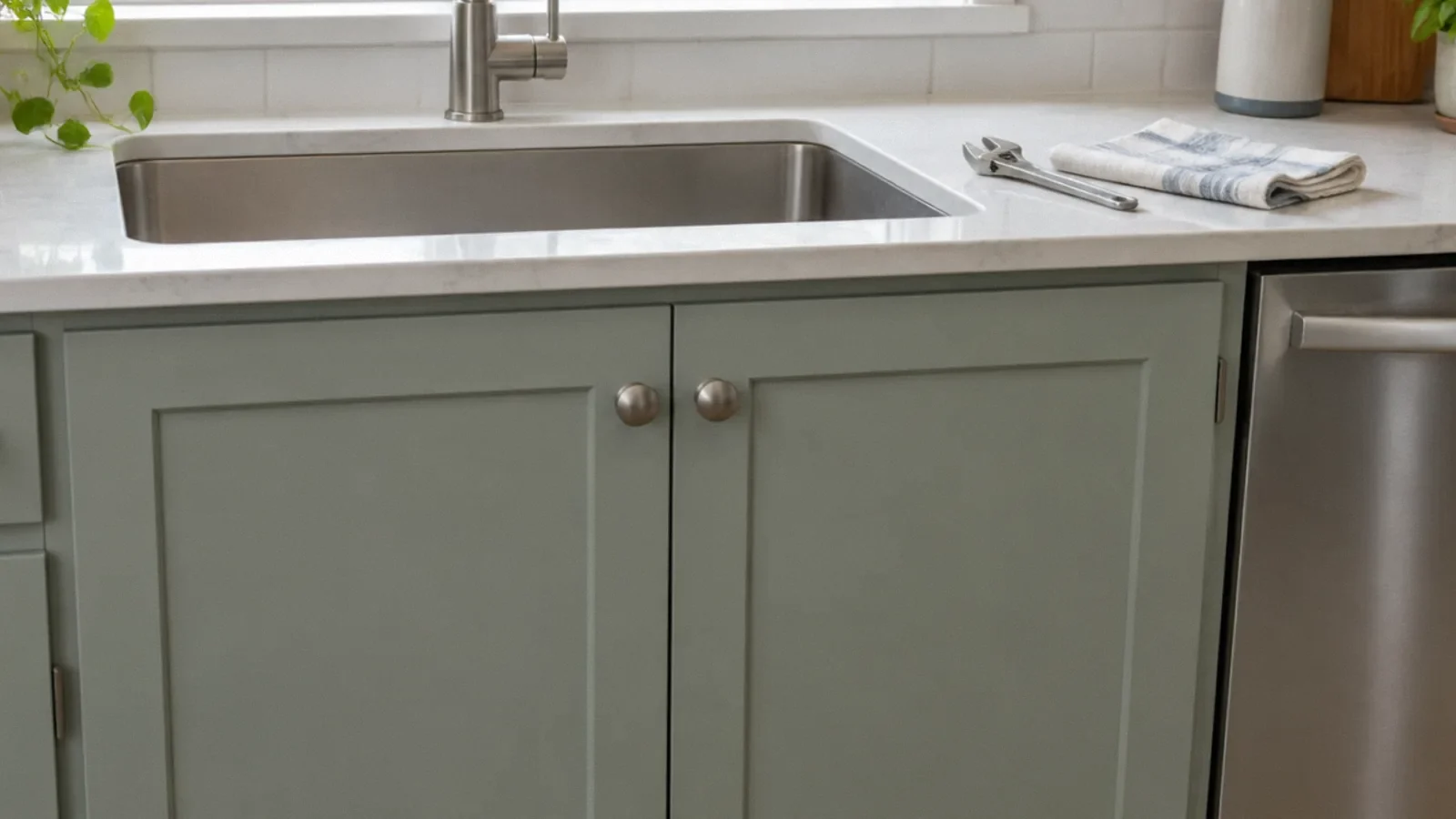
Look periodically beneath sinks and around toilets, exposed piping and water heaters for drips, staining, corrosion or damp materials. Note whether a mark changes after a fixture is used. A small leak can reach a cabinet or floor cavity even when the visible puddle is limited.
Do not touch wet electrical equipment or enter standing water to investigate. A leak behind a wall, under a slab or in an inaccessible space may require a professional. Repairing the source promptly is more useful than repeatedly drying the visible surface.
Maintain appliance connections
Inspect accessible washing machine, dishwasher and refrigerator connections according to manufacturer guidance. Follow the product instructions for hoses, filters and replacement intervals; useful life varies with the equipment and conditions. Avoid pulling a heavy appliance across a wet floor or straining a supply line.
If water appears near a plug, outlet or appliance, stay clear and request qualified help. A technician or plumber can identify whether the source is a supply connection, drain, appliance component or another leak. Keep installation and service records for future comparison.
Manage roof and rainwater drainage
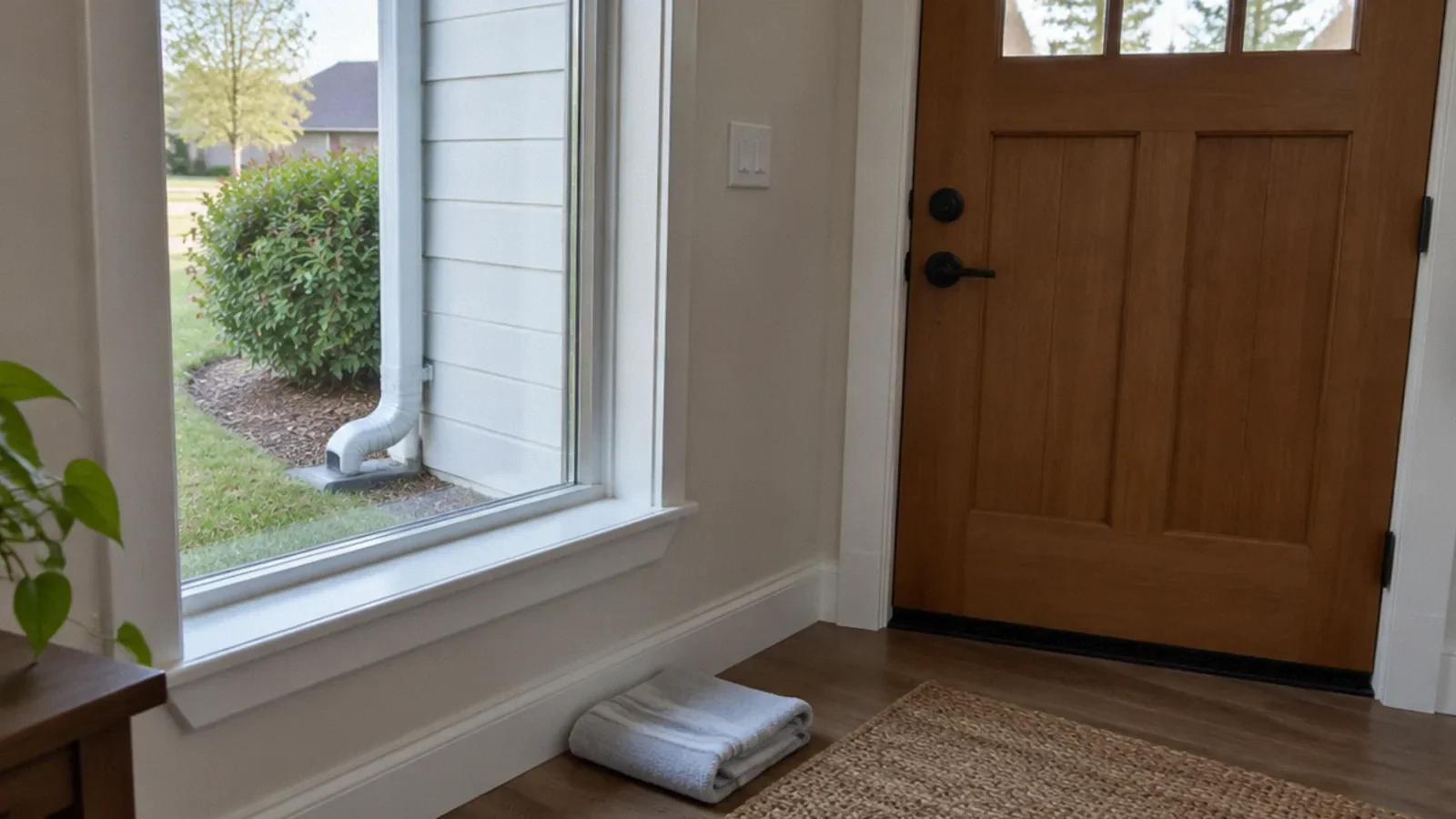
Maintain gutters and downspouts where the work can be performed safely, and check that runoff is directed appropriately for the site. Grading, drains and neighboring properties all affect where water goes. A downspout extension should not create a hazard for a walkway or send water onto another property.
Observe roof conditions from a safe location and arrange a qualified inspection for missing covering, storm damage or recurring interior stains. Do not climb onto a wet or damaged roof. A stain may appear away from the point where water entered.
Watch basements and crawl spaces
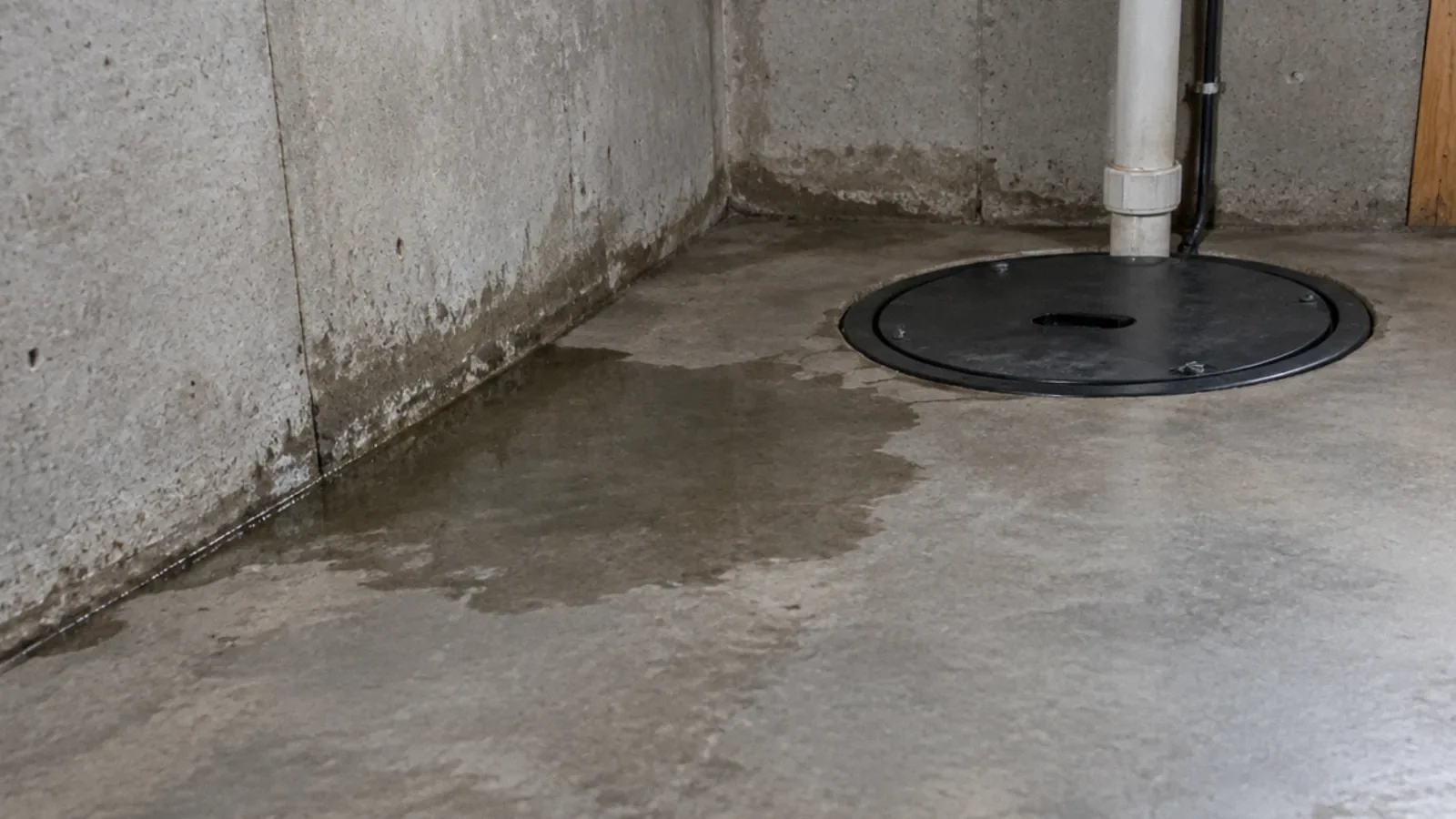
Water in a basement or crawl space may come from plumbing, surface runoff, groundwater or condensation. Record whether the problem follows rain or fixture use. If standing water is near electrical equipment, or sewage or unstable framing is possible, keep out and arrange qualified assessment.
A sump pump may help move water that reaches its basin, but it cannot prevent every flood or repair a leak. Follow manufacturer maintenance guidance and plan for power interruptions. A crawl space moisture strategy should fit the building and climate.
Address humidity and condensation
Condensation on windows, pipes or cool surfaces can be a sign that moisture needs attention. Use bathroom and kitchen ventilation appropriately and investigate recurring dampness. A dehumidifier may help with indoor humidity in some conditions but does not repair an active leak or prove a wall cavity is dry.
EPA emphasizes correcting moisture sources to prevent indoor mold growth. If an area remains damp, ask a qualified professional to assess the source and affected materials. Do not paint over mold or repeatedly cover a stain without understanding why it returns.
Consider alerts and absence planning
A water leak alarm or automatic shutoff can provide an additional warning or response, but placement, power, connectivity and maintenance affect performance. Ask how a device is tested, what it can shut off and whether it works during an outage. No device replaces safe access and a response plan.
Before a trip, follow the appliance and plumbing instructions for the property, arrange someone to respond to an alert and maintain appropriate heat in freezing weather. Do not leave a household or pet without a safe water and temperature plan.
Keep a useful record
Save inspection reports, repair invoices, appliance model information and photographs of recurring concerns. A simple timeline of rain, odors or fixture use can help a professional distinguish an old repaired stain from a new active problem.
If water damage occurs, keep people away from electrical, structural and contamination hazards. Contact the property manager or insurer when appropriate and document conditions only when safe. A prevention plan reduces risk; it cannot guarantee that a pipe, roof or appliance will never fail.
Plan for exterior flood exposure
Home plumbing maintenance and community flooding are different risks. For exterior flood exposure, consult the local floodplain manager and the separate guide to exterior flood resilience upgrades. An assessment can consider surface flow, openings and the actual flood mechanism; a single barrier or drain cannot guarantee protection.
Before selecting work, check local permits and drainage rules and avoid diverting water onto neighboring property. Keep leak detection and a safe shutoff plan for indoor plumbing even if exterior work is planned. Follow evacuation instructions when officials issue them.
Your next-step checklist
- Locate and identify the main water shutoff.
- Inspect accessible plumbing and appliance connections.
- Maintain roof drainage when safe.
- Investigate recurring moisture promptly.
- Keep emergency contacts and service records.
Related questions
Can all water damage be prevented?
No. Maintenance and early detection can reduce some risks, but sudden failures and severe weather can still occur.
Does a dehumidifier fix a leak?
No. It can help manage moisture in some circumstances but does not stop an active water source.
Should I force a stuck shutoff valve?
No. Ask a plumber to assess it before an emergency.
What if water is near an electrical outlet?
Stay clear and request qualified help. Do not touch wet electrical equipment or enter standing water to reach a switch.
Sources & context
Public guidance supports the principles in this article. The practical questions and examples are editorial interpretation, not a site assessment or a coverage decision. State-specific rules apply only where identified.
- U.S. EPA: Mold and moisture preventionfederal guidance
- U.S. EPA: Home maintenancefederal water guidance
- American Red Cross: Frozen pipesemergency safety guidance