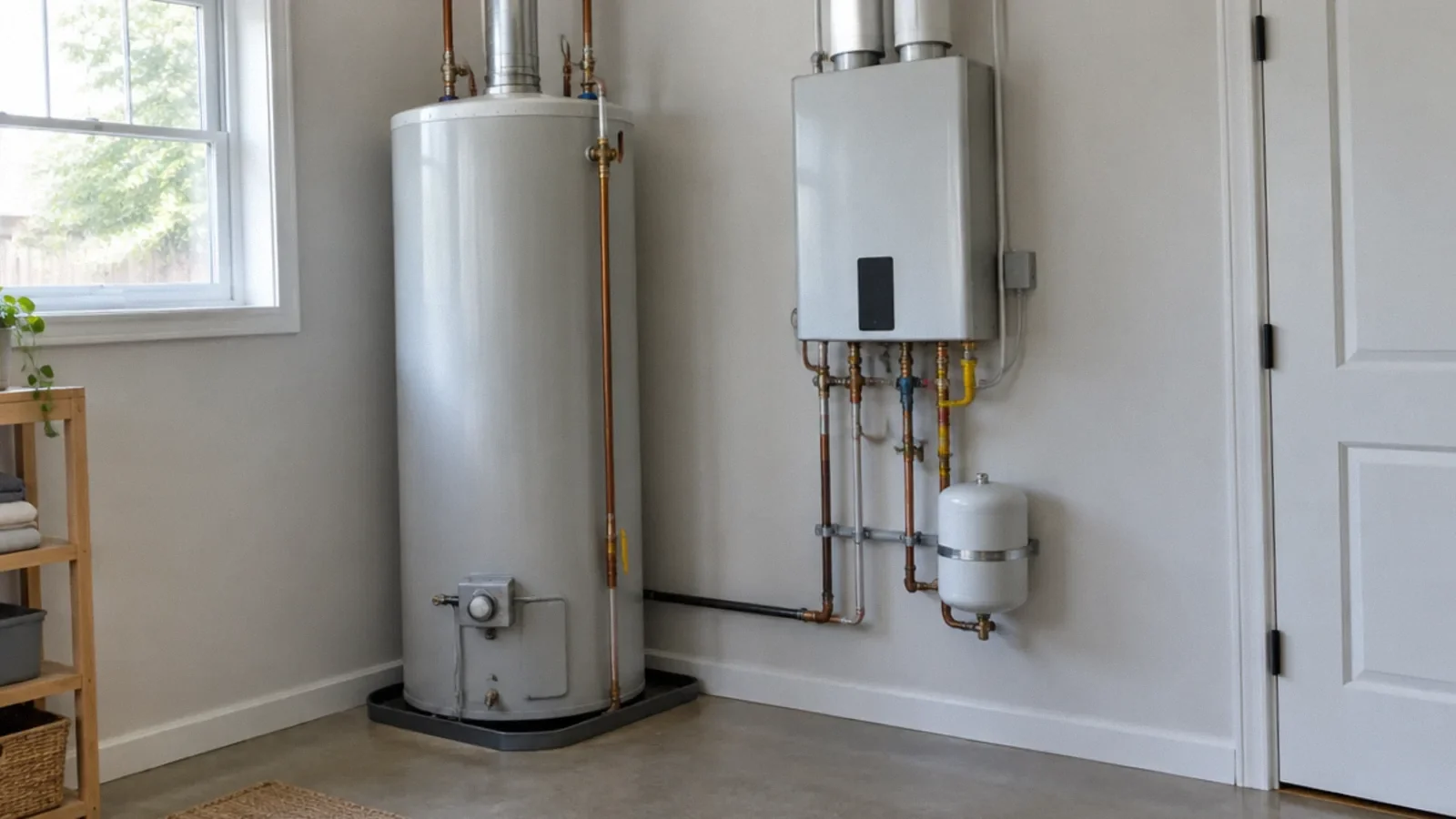
A storage water heater keeps heated water in a tank, while a tankless unit heats water as it flows through the appliance. Neither is automatically best for every home. Compare simultaneous hot-water demand, fuel or electrical capacity, installation changes, maintenance and lifetime costs with a qualified installer.
How each system supplies hot water
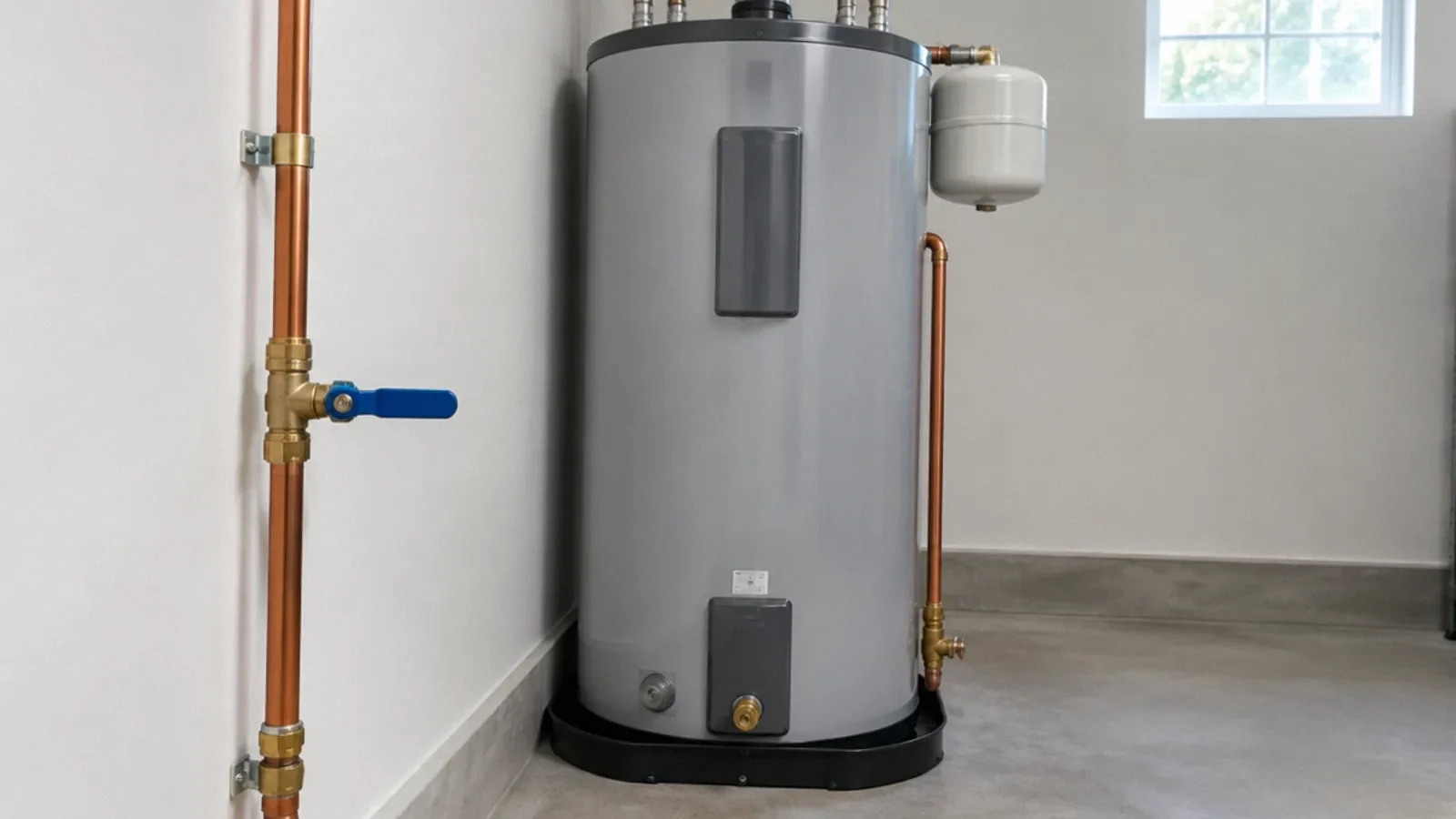
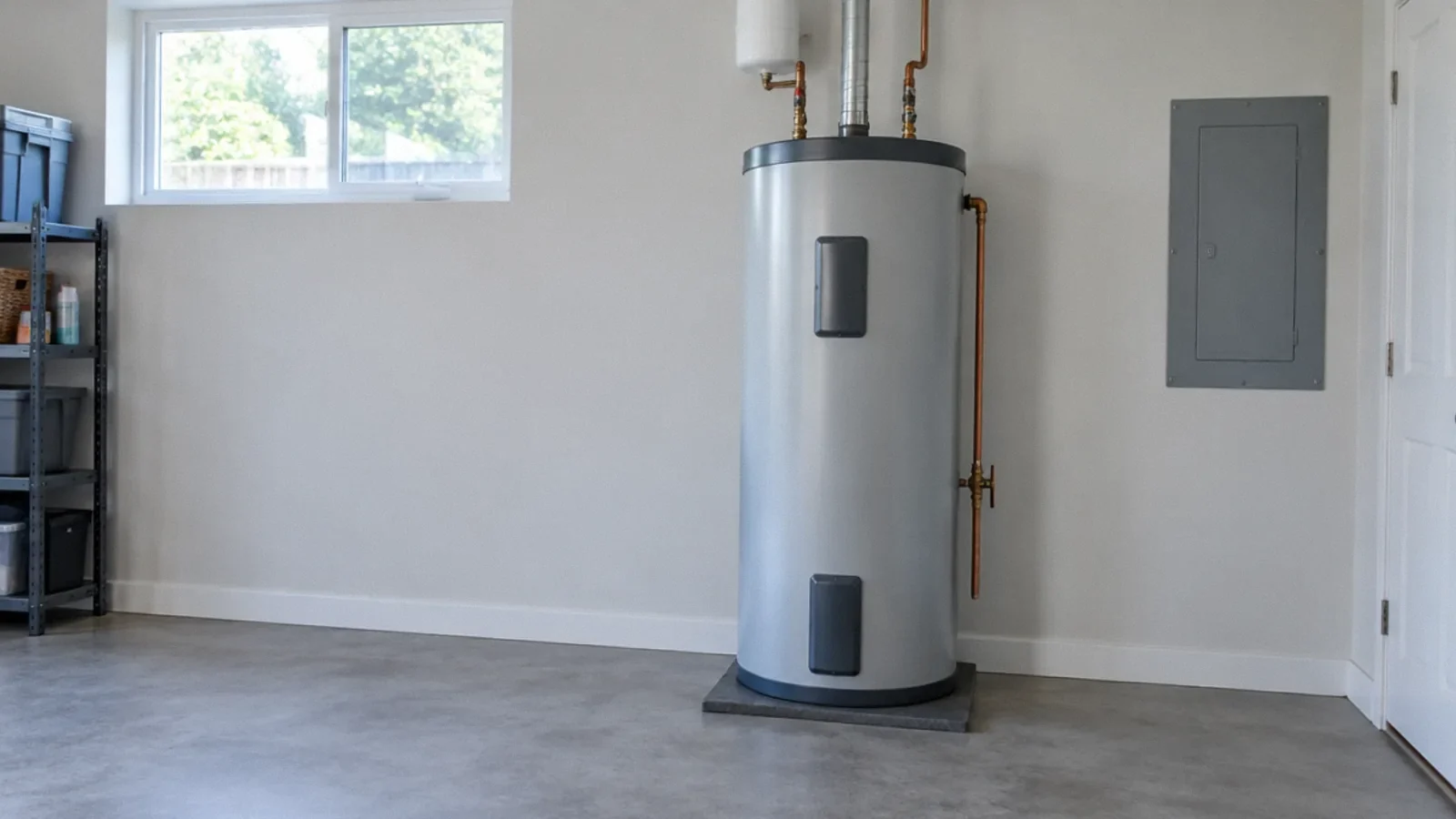
A conventional storage heater heats and holds a volume of water for later use. A tankless, or demand, heater activates when water flows and heats it without a conventional large storage tank. Both rely on controls, a heat source and a properly designed plumbing system.
A tank can run short of hot water if demand exceeds stored capacity and recovery. A tankless system is limited by the flow and temperature rise it can provide at once. Marketing terms such as endless hot water do not mean unlimited flow to every fixture simultaneously.
Sizing for actual household use
List fixtures that may run at the same time, such as a shower, dishwasher and laundry. A tankless unit’s rated flow depends on how much it must raise the incoming water temperature. DOE guidance says both peak flow and required temperature rise are needed for sizing.
Storage equipment also needs appropriate capacity and recovery for the household. Ask a qualified installer to calculate demand rather than choosing solely from the number of bathrooms or the size of the existing appliance. A home’s incoming water temperature and usage habits matter.
Energy use and operating cost
Storage heaters can lose heat while holding hot water between uses. Tankless heaters generally avoid a large storage tank’s standby losses, but actual energy use depends on equipment efficiency, fuel, hot-water demand and installation. A heat-pump storage heater is another distinct option and should not be treated as an ordinary resistance tank.
Compare the efficiency rating, local energy prices and expected use for specific models. DOE describes efficiency advantages for certain demand patterns, but a national percentage does not predict an individual bill. Request a calculation with assumptions rather than a guaranteed savings claim.
Installation and retrofit work
Switching types may require changes to gas supply, venting, electrical capacity, condensate handling, water connections or the mounting location, depending on the equipment. A replacement in the same category can also need upgrades to meet current requirements.
A qualified local installer should inspect the existing system and identify permits and applicable code requirements. Do not assume the existing branch circuit, gas line or vent is adequate for a new unit. Installation work involving fuel, electricity and pressure requires appropriate expertise.
Upfront and lifetime costs
The appliance price is only part of the total. Ask each contractor to itemize equipment, removal, plumbing, fuel or electrical work, venting, permits and any wall or finish repair. Compare quotes for equipment sized to the same demand.
Also ask about expected maintenance, warranty terms and energy use over the planned ownership period. A more expensive installation may or may not be offset by operating savings. Local prices and incentives can change, so verify current program terms rather than relying on an undated estimate.
Maintenance and service
Both types need maintenance according to their manufacturers. Tankless units may require service related to mineral buildup and filters; storage units have their own inspection and maintenance needs. Water quality and the model affect the schedule.
Do not open gas components, bypass safety devices or perform electrical work without the appropriate qualifications. Ask who will service the system and what is included in the warranty. A relief valve and its discharge must never be capped to stop a leak.
Leaks and water damage
A storage tank contains water that may escape if the tank or a connection fails. Tankless units also have water connections and can leak, so neither design eliminates water-damage risk. Proper installation, accessible shutoffs and an appropriate plan for leaks matter for both.
If water is near electrical equipment, do not enter standing water or touch wet switches. Close a clearly identified water shutoff only if safely accessible and contact a qualified plumber. A suspected gas leak or immediate danger requires evacuation and emergency assistance.
How to choose
Compare the existing fuel source, peak demand, available space, installation changes, maintenance access and full cost for named models. Consider a heat-pump water heater or another option if it fits the property and your goals. Ask about noise, ventilation and location requirements where relevant.
A written comparison should state the equipment size and assumptions, not just a brand or monthly savings estimate. Review warranty and service conditions and ask how the installer will handle unexpected electrical, plumbing or venting work.
Your next-step checklist
- Estimate simultaneous hot-water demand.
- Compare efficiency using named equipment and local energy costs.
- Include retrofit work, permits and maintenance in each quote.
- Confirm gas, venting and electrical requirements with a professional.
- Plan safe leak detection and accessible shutoffs.
Related questions
Does a tankless heater provide unlimited hot water?
It can heat water on demand, but the usable flow and temperature rise are limited by the unit and supply.
Is tankless always cheaper to operate?
No. Efficiency, energy prices, demand and installation affect the comparison.
Can a tankless heater leak?
Yes. Connections or components can leak even without a conventional storage tank.
What size tankless heater do I need?
A qualified installer should calculate peak simultaneous flow and required temperature rise for the home.
Sources & context
Public guidance supports the principles in this article. The practical questions and examples are editorial interpretation, not a site assessment or a coverage decision. State-specific rules apply only where identified.
- U.S. DOE: Transitioning to a tankless water heaterfederal technical guidance
- U.S. DOE: Water heater selectionfederal technical guidance
- U.S. DOE: Consumer water heatersfederal guidance