A water heater can fail dangerously if excessive temperature or pressure develops and safety controls do not function properly. A temperature-and-pressure relief valve is intended to release excessive pressure or heat. Never cap its discharge. If you suspect an immediate danger, gas leak, smoke or fire, leave and call emergency services from a safe location.
Respond to an immediate hazard
If a water heater is releasing steam, appears severely damaged, is smoking or presents another immediate danger, keep away and call emergency services from a safe location. Hot water and steam can cause serious burns. Do not approach the unit to inspect a valve or take a photograph.
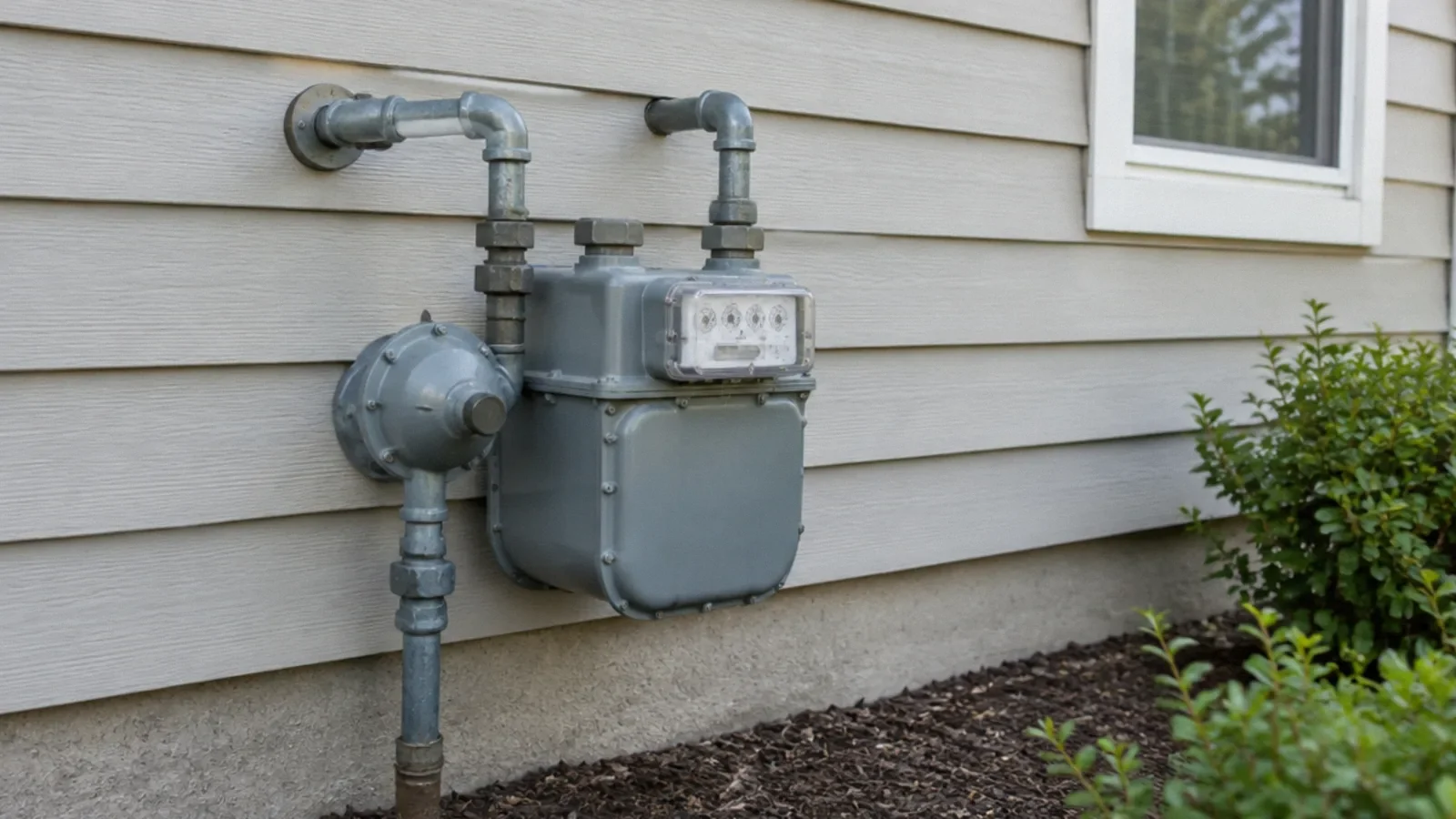
If you suspect a natural gas leak, alert others and leave immediately without operating lights, phones, appliances or vehicles near the leak. From a safe location, call 911 and the gas utility. Do not attempt to locate or repair the leak yourself.
How pressure and temperature protection works
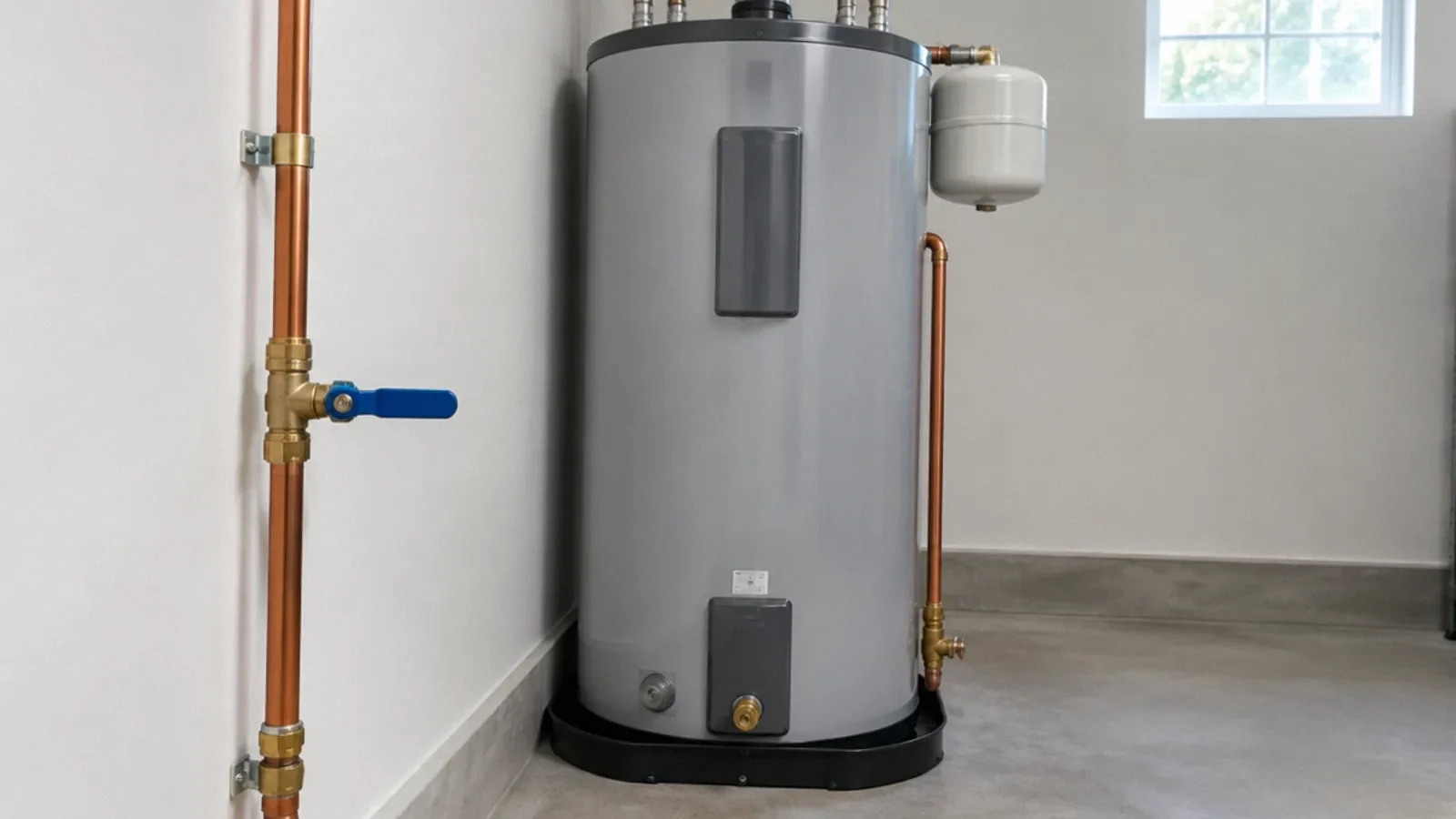
The U.S. Department of Energy describes a temperature-and-pressure relief valve as a device intended to discharge water if excessive temperature or pressure develops. The valve and discharge arrangement must be appropriate for the particular heater and installation. A qualified professional should evaluate problems.
A relief valve is one part of a complete safety system; its presence does not prove that a heater has been maintained or is safe after damage. Do not cap, plug or obstruct the discharge pipe, and do not install a valve between the safety valve and tank. Follow the manufacturer and local authority’s instructions.
A leaking relief discharge needs assessment
Water at a relief pipe may be hot and can have more than one cause, including a valve problem or a condition that causes the valve to open. A visible drip is not enough to diagnose the cause. Keep clear of hot discharge and arrange qualified service.
Do not lift the valve lever, adjust controls or block the outlet to stop the water when you do not know the condition of the unit. A plumber can assess the valve, heater and connected system. If the situation appears immediately dangerous, leave and contact emergency services.
Gas and electrical hazards are separate
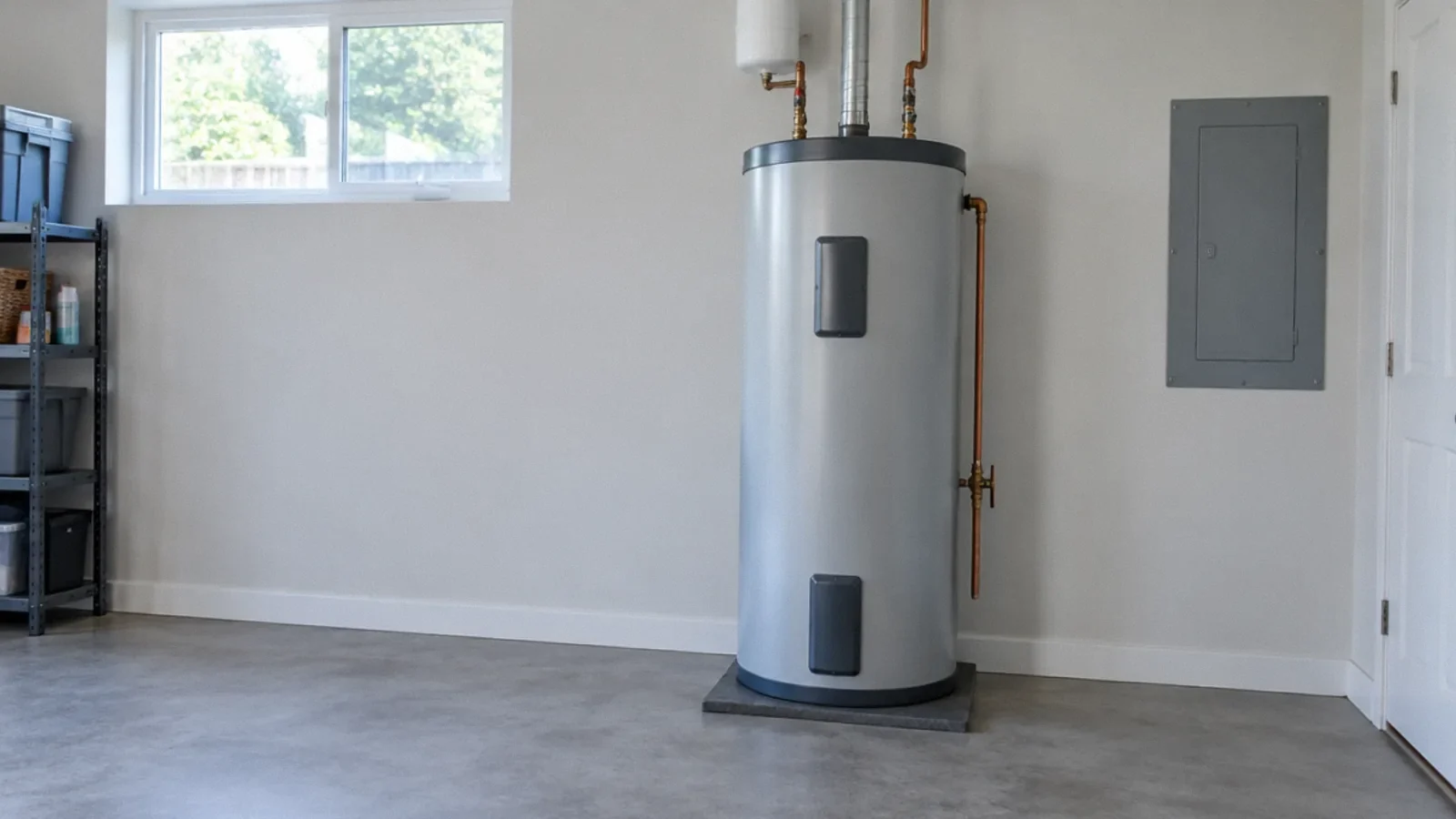
A gas-fired heater has fuel and combustion components; an electric heater has electrical supply and controls. Either can be hazardous when damaged or near water. Do not touch wet wiring, switches or panels, and do not enter standing water to reach a control.
A suspected gas leak requires evacuation and a call from a safe location. A burning electrical odor, smoke or sparks can also require emergency response. A qualified plumber, electrician, utility or emergency responder should determine the appropriate isolation and repair.
Can a tank failure damage a home?
A severe tank or pressure-system failure can cause injury and damage to a building. The outcome depends on the equipment and circumstances; there is no useful universal distance or blast size that can be predicted from a generic article. Treat suspected immediate danger seriously.
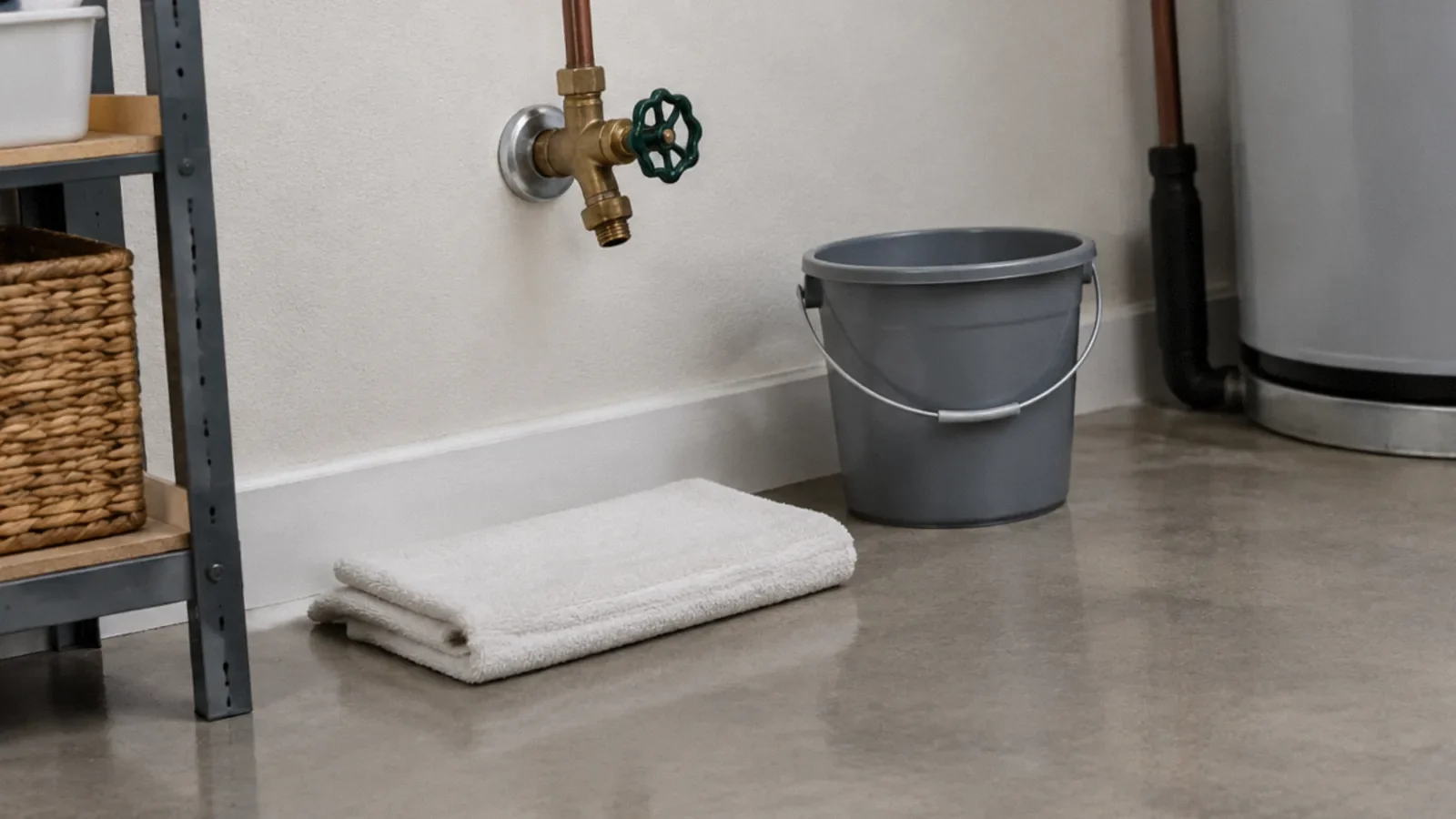
A more ordinary leak can still damage floors and adjacent rooms. Keep people away from water near electricity and hot surfaces. If a clearly identified water shutoff can be reached without danger, it may limit an ordinary leak; do not approach an unstable or steaming heater to operate it.
What to tell a professional
From a safe location, report the observed steam, water, odor, sound or damage, the heater type if known and any safety action already taken. Do not return to a hazardous area for a model number. Follow the dispatcher’s, utility’s or technician’s directions.
For nonemergency service after the area is safe, ask the professional to identify the fault, the condition of the relief system and whether repair or replacement is recommended. Request a written scope and information about permits or inspections where applicable.
Maintenance and installation
Follow the heater manufacturer’s maintenance instructions and use qualified professionals for installation and service. Safety components, discharge routing, fuel connections and electrical work must be suitable for the specific system and local requirements. Do not improvise a repair or reuse a questionable safety valve.
Keep the area accessible and free of conditions that interfere with safe service. A technician can explain maintenance appropriate to the model and any expansion or pressure-control equipment. General online advice cannot establish that a particular installation meets code.
After damage or an emergency
Do not restart a heater or reconnect gas or electrical equipment after fire, flooding or a severe malfunction until qualified personnel say it is safe. Water can damage surrounding flooring, walls and electrical components. Arrange separate assessment of the building materials if water escaped.
Document damage only after responders allow safe access and contact the insurer or property manager as appropriate. Keep service reports and receipts. If steam, a burning smell or another emergency sign returns, leave and call for help again.
Warning signs and a leaking tank
Steam, violent discharge, severe deformation, smoke or a suspected gas leak can indicate immediate danger: leave and call emergency services from a safe place. Rumbling, a small drip, rusty water or unusually hot water may signal a fault but alone cannot predict an explosion. Arrange prompt qualified assessment and avoid hot discharge.
A leak from the tank or its connections can damage a home and needs repair, but a leak alone does not prove dangerous pressure or mean an explosion is imminent. A leaking relief discharge has several possible causes and deserves professional evaluation. Turning off fuel or electricity does not instantly remove stored heat or pressure; there is no universal safe waiting period.
Your next-step checklist
- Keep away from steam, hot discharge and damaged equipment.
- Leave and call 911 for immediate danger or suspected gas.
- Never cap or obstruct a relief discharge.
- Do not touch wet electrical controls.
- Use qualified professionals for inspection and repair.
Related questions
Can a water heater explode?
A heater can fail dangerously if excessive temperature or pressure develops and safety controls do not function properly. Qualified installation and maintenance matter.
Should I cap a leaking relief pipe?
No. The relief system is a safety device. Keep clear of hot water and arrange qualified assessment.
How large would a water heater explosion be?
There is no universal answer; the consequences depend on the equipment and circumstances. Leave and call emergency services if immediate danger is suspected.
What if I smell gas near the heater?
Leave immediately without operating devices or switches, then call 911 and the gas utility from a safe location.
Can a water heater still be dangerous after it is turned off?
Yes. Switching off power or fuel does not immediately cool the water or eliminate stored pressure. Keep away from a unit that appears unsafe and contact emergency services or a qualified professional as appropriate; there is no reliable universal time limit.
Sources & context
Public guidance supports the principles in this article. The practical questions and examples are editorial interpretation, not a site assessment or a coverage decision. State-specific rules apply only where identified.
- U.S. Department of Energy: Water heater relief valve informationfederal technical document
- PG&E: Natural gas safetyutility safety guidance
- U.S. Consumer Product Safety Commission: Flood safetyfederal safety guidance