Vacuum freeze drying can treat large quantities of wet paper, but simply placing documents in a freezer does not dry them. Stabilize and document the collection, contact a conservator for valuable or unusual materials, and arrange a suitable drying method.
Freezing and vacuum freeze drying are different steps
A broken pipe or flood can wet records faster than a household or organization can safely dry them. Freezing can hold many paper records in a stable condition while a recovery plan is arranged. It is a pause, not a completed repair: the frozen water is still in the material. The National Archives recommends freezing quantities that cannot be handled within the first 48 hours, either for later thawing and air drying or for professional treatment.
Vacuum freeze drying uses a controlled chamber and vacuum to remove frozen water through sublimation. The Archives notes that this method can treat large quantities and can reduce distortion and the movement of soluble media compared with some alternatives. Results depend on the collection, packing and its condition before freezing. A warped book will not automatically become flat again.
Decide whether immediate air drying is practical
A small number of ordinary sheets that can be handled promptly may be candidates for air drying. The Archives suggests spreading them on clean absorbent material in a cool, dry location with air circulation. Avoid strong heat and direct sun, which can permanently damage records. Do not pile damp sheets so densely that air cannot reach them.
If the volume exceeds available clean space, staff or time, stop and arrange help rather than allowing a growing stack to sit wet. Coated paper, photographs, inks that run and unique items require particular care. Ask a conservator how to handle the actual materials before separating stuck pages or attempting a treatment. The correct approach is determined by the object, not just by whether it is made of paper.
First decisions after a water incident
Make the area safe before approaching the collection. Water near electrical equipment, a damaged ceiling or contaminated floodwater requires the appropriate responders; do not enter an unsafe area to retrieve papers. Stop the water source if it can be done safely and keep unaffected material away from the wet area. Photograph the damage when safe and note the location and apparent water source.
Identify the highest-priority records: unique originals, essential business records, legal papers or irreplaceable family items. Make a basic inventory of boxes and their original order. If a claim may be involved, contact the insurer before disposal and retain photographs and receipts. Coverage and the treatment of records depend on the policy; do not assume freezing or replacement is covered.
Contact an archival conservator or recovery vendor promptly, particularly for photographs, mixed-media collections, bound volumes or historically important originals. The National Archives specifically cautions that some materials, including some photographs, may be exceptions to freezing. Explain the water source and the materials before putting anything into a freezer.
Pack and freeze with the collection in mind
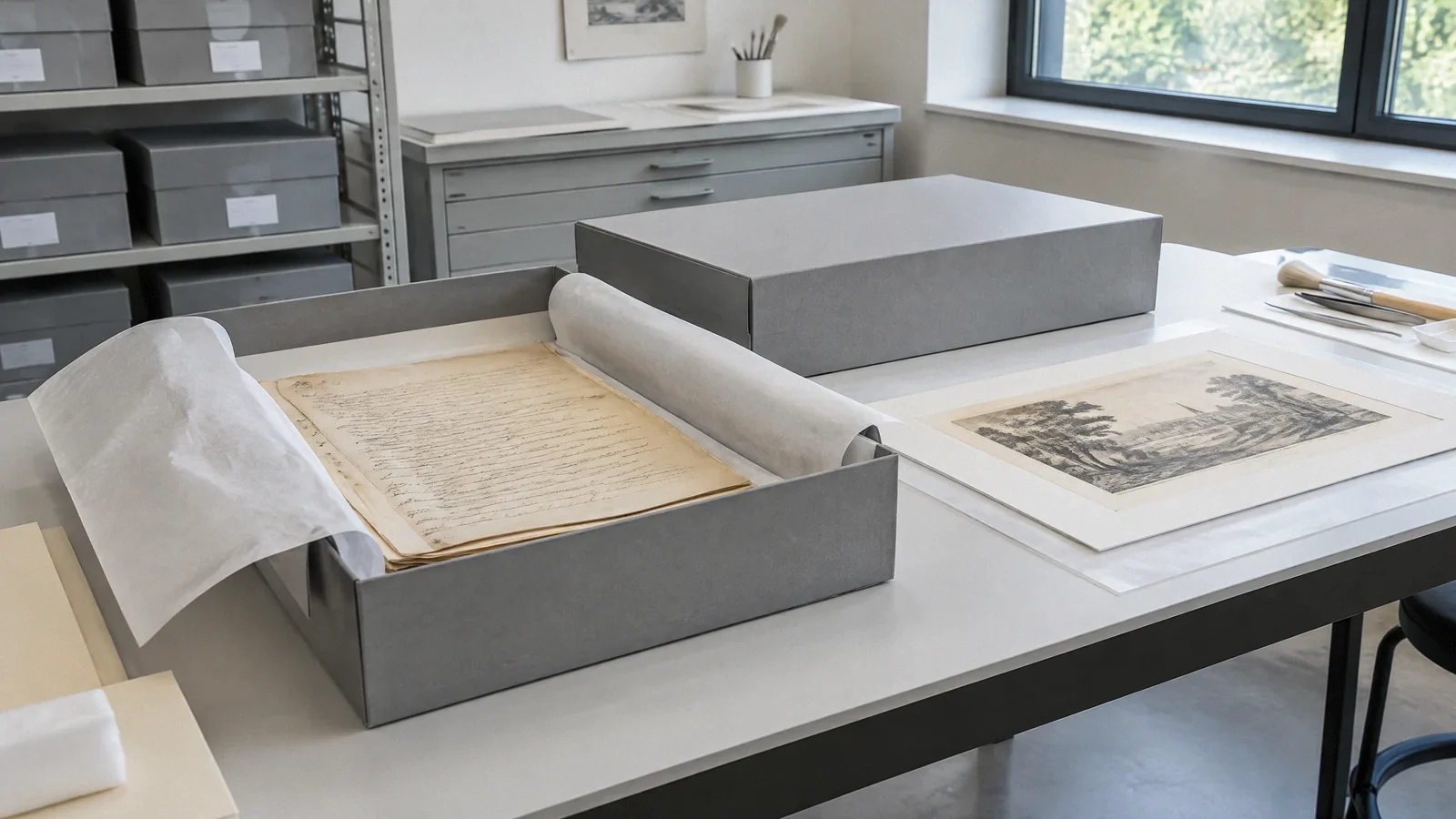
Follow the conservator or vendor’s packing instructions. Maintain the original order and label containers so records can be identified later. Handle wet paper carefully: it can tear, and forcing pages apart can remove material. Keep containers manageable and avoid compressing wet items. The National Archives describes lining clean dry boxes with thin plastic bags for very wet records to keep the boxes dry.
Discuss packaging, freezer capacity, transport, temperature and chain of custody with the receiving professional before moving a large collection. Avoid repeated thawing and refreezing while decisions are pending. A household freezer may provide temporary capacity for suitable small items, but it is not a vacuum drying chamber and may not have enough space for a large archive. Record what was frozen and when.
Compare the drying options
Air drying can be practical for small quantities, but it requires clean space, absorbent supplies and active attention. Thaw-and-air-dry is another option after freezing, with similar space and labor demands. Vacuum freeze drying shifts much of the drying work to specialized equipment and may suit large collections or materials where limiting distortion matters. It does not restore missing ink, erase stains or guarantee that every sheet can be used without further conservation.
Ask the provider whether they will dry on site or transport the records, whether containers can remain in order, how long records will be unavailable, and what handling is planned for sensitive information. Request a written scope identifying transport, packing, drying, inventory and any separate conservation work. Compare proposals for the same collection and ask what happens if materials need a different treatment.
Inspect and document the result
When records return, compare the boxes against the inventory and check representative items for remaining dampness, sticking, distortion or missing components. Report concerns to the provider promptly. Drying does not establish that every document is legible, legally sufficient or free of contamination; sensitive or valuable collections may need additional specialist assessment.
Keep records in a clean, dry storage area and correct the leak or other moisture source before returning them. Consider digitizing records after appropriate treatment, while retaining originals when required. A digital copy is useful for access and continuity but does not necessarily replace an original document or its legal significance.
Your next-step checklist
- Make the area safe and stop the source if safe to do so.
- Inventory wet records and prioritize unique or essential items.
- Consult a conservator about photographs, coated paper and unusual materials before freezing.
- Agree on packing, transport, confidentiality and drying method in writing.
- Inspect returned records and correct the moisture problem before storage.
Related questions
Does a household freezer dry wet documents?
No. Freezing can stabilize suitable records while you arrange treatment. Vacuum freeze drying uses specialized equipment to remove frozen water.
Will freeze drying return a warped book to its original shape?
Not necessarily. The National Archives notes that items can retain the physical configuration they had when frozen. A conservator can assess further treatment.
Sources & context
Public guidance supports the principles in this article. The practical questions and examples are editorial interpretation, not a site assessment or a coverage decision. State-specific rules apply only where identified.
- Wet Recordsgovernment
- Comparison of Drying Techniquesgovernment