A musty smell, recurring dampness or damaged flooring can justify an inspection, but color cannot identify mold. Stop the water source and have hidden or extensive damage assessed before disturbing flooring. Remove contaminated material that cannot be thoroughly cleaned and dry the assembly before rebuilding.
What points to a problem under the floor?
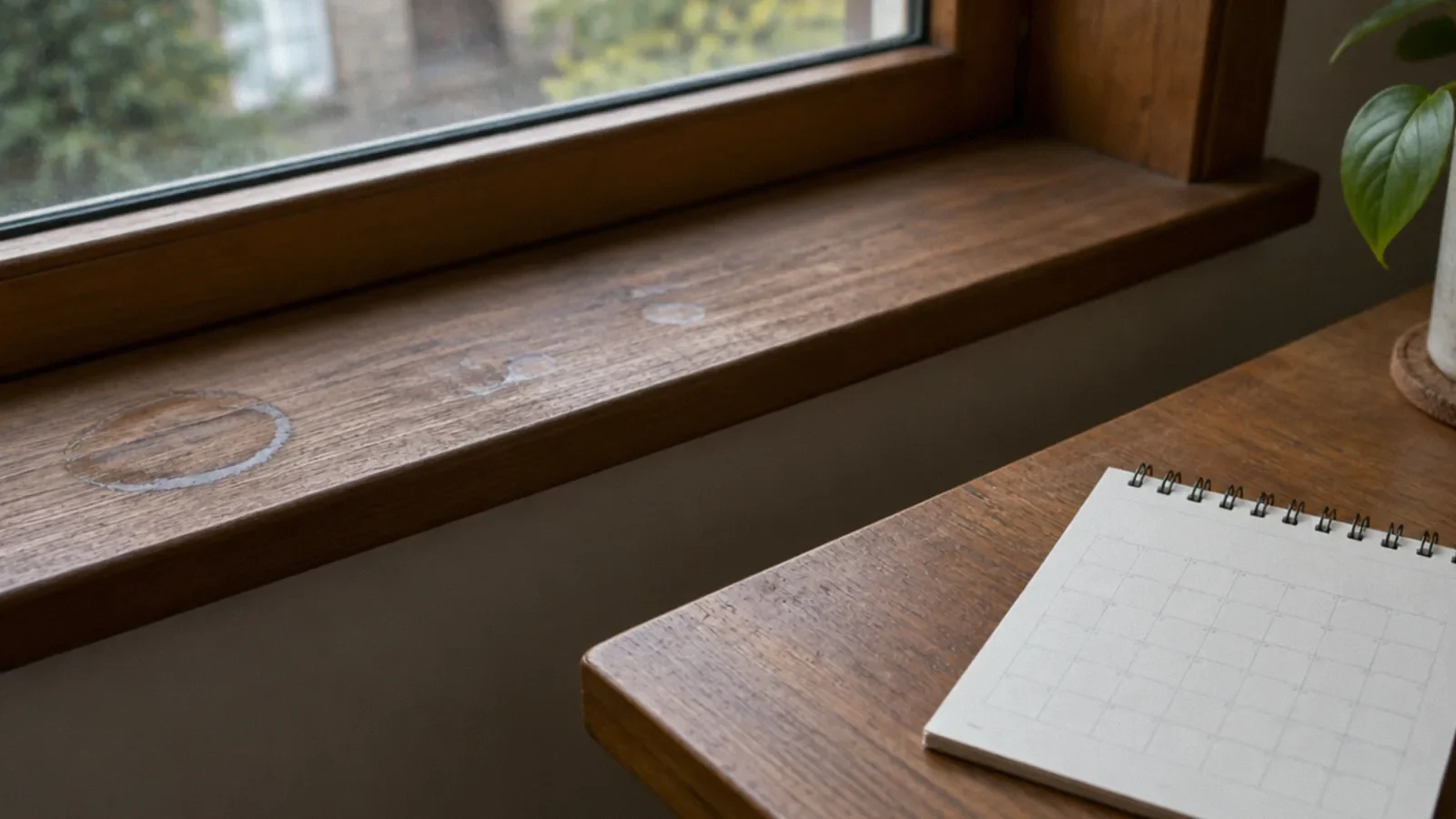
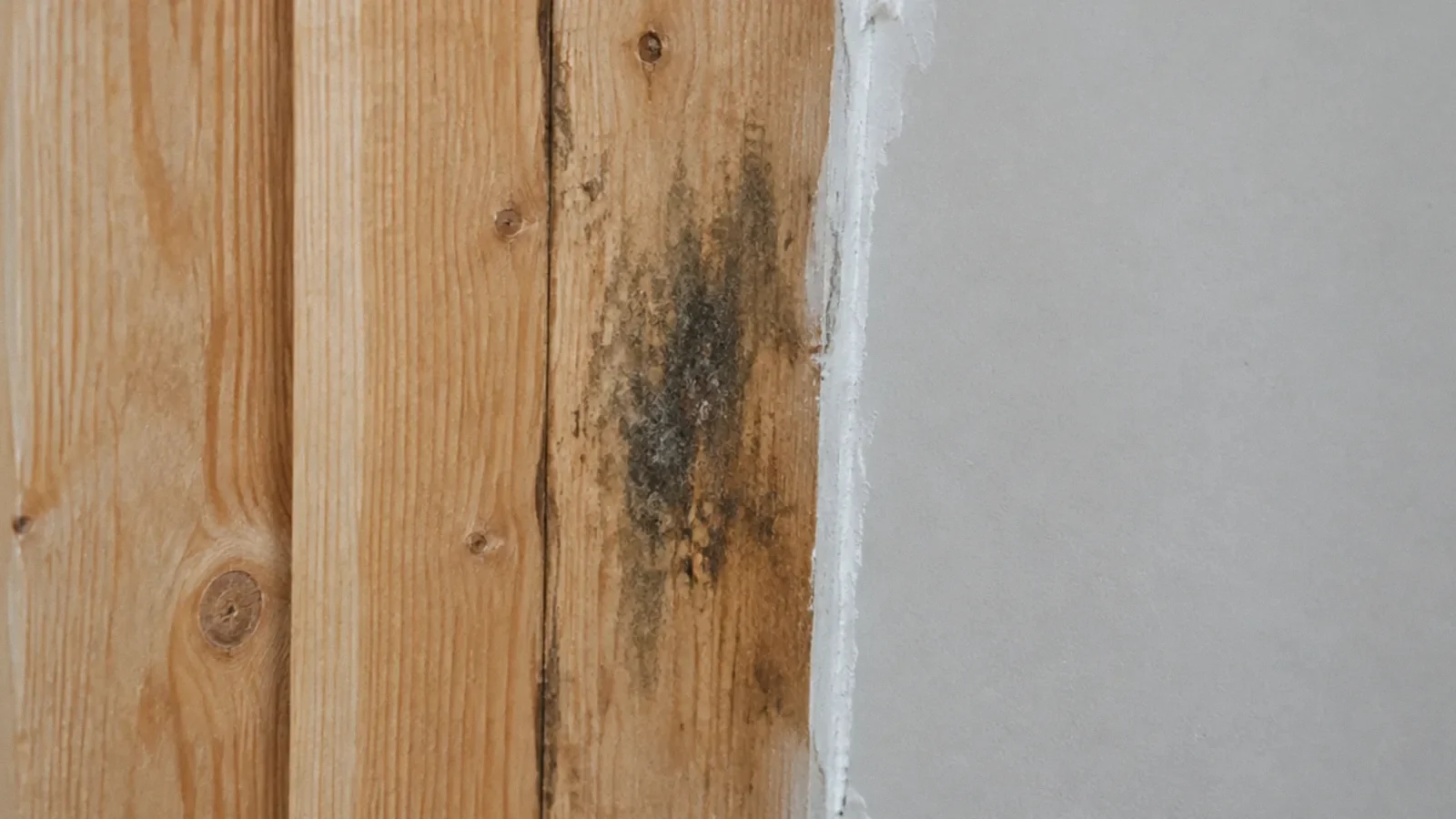
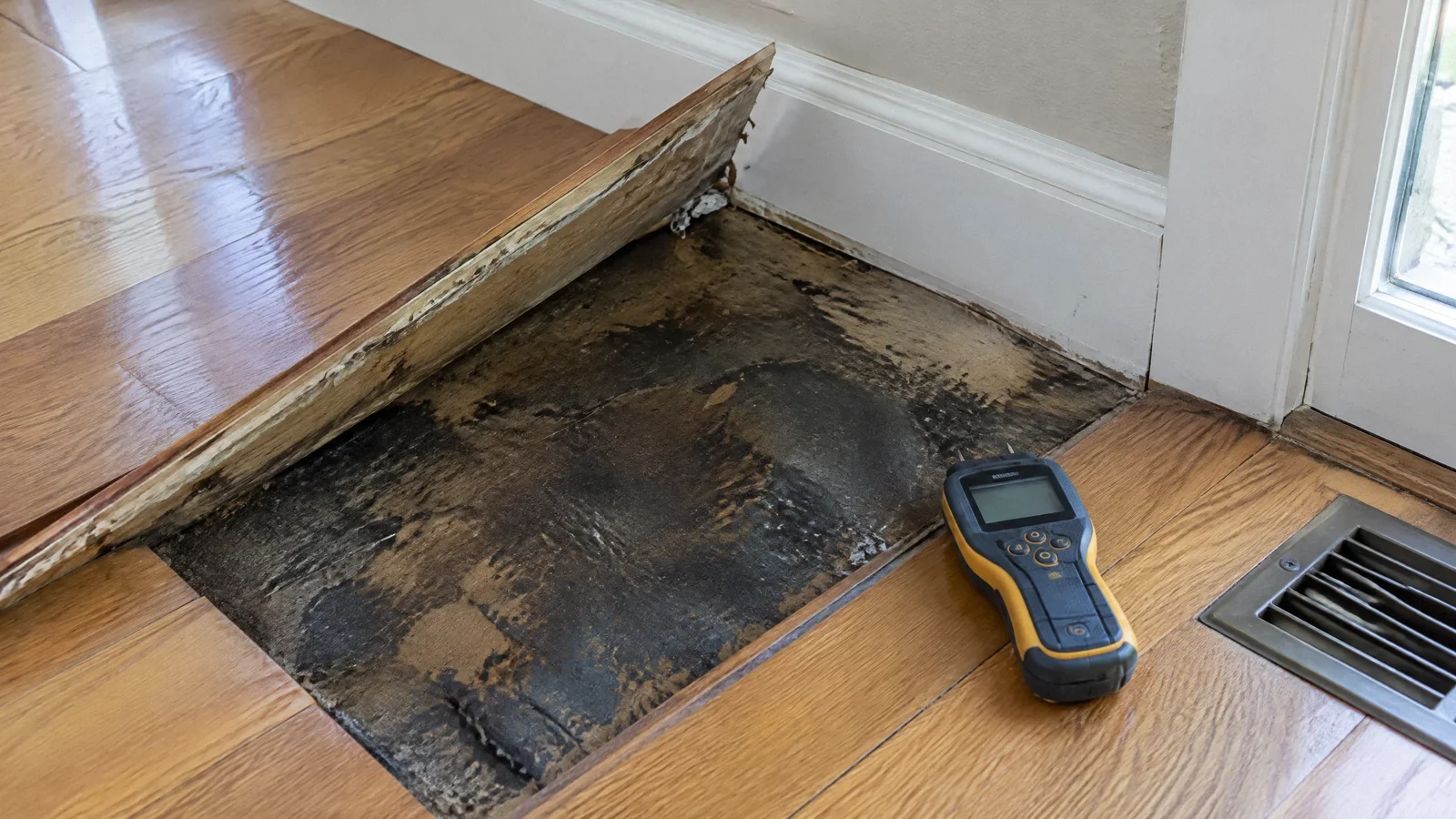
A floor can look intact while moisture remains below it. Buckling boards, lifted seams, soft spots, persistent musty odors and a history of leaks are reasons to investigate. None proves that mold is present: adhesives, dirt and water stains can also discolor a surface. Dark or black material is not proof of a particular species or toxicity, and visual appearance cannot establish a health risk.
Start with the history. Note whether the area is near a sink, appliance, exterior door, slab or bathroom, when the wetting occurred, and whether moisture returned after drying. A photograph and a simple timeline help an inspector distinguish a continuing leak from an old, dry stain. Avoid stepping on a soft or unstable floor. If water is near electrical equipment, stay clear and arrange qualified help rather than touching equipment.
How to investigate and when testing helps
First locate and stop the moisture source. A plumber may need to repair a supply or drain leak; a building professional may need to assess rain entry or condensation. A moisture meter can identify relative dampness and help track drying, but it does not identify mold or reveal the whole condition of concealed layers. Infrared images show temperature differences, not mold itself. Readings must be interpreted in context and sometimes confirmed by examining the assembly.
An experienced inspector can decide where limited access is appropriate and what precautions are needed. Opening an apparently small patch can disturb a much larger hidden area, so do not cut or pull up flooring merely to satisfy curiosity. Older flooring or adhesive may contain asbestos; ask a qualified professional about testing before disturbing suspect materials. If a floor is structurally weak, let a qualified building professional assess it.
Routine sampling is usually unnecessary when visible mold is present: the moisture and affected material still need attention. A professional may recommend targeted sampling where the result would answer a specific question, such as whether a disputed material is mold. Ask what will be sampled, how a result changes the decision, and who will interpret it. A negative air sample cannot guarantee that a concealed cavity is clear.
Removal depends on the layers and contamination
EPA guidance for a small area of mold on a hard surface generally calls for detergent and water, thorough drying and protective equipment. Hidden growth under a floor is different from an accessible small spot. If the extent is unknown, the affected area is large, sewage or floodwater was involved, or occupants have health concerns, seek qualified remediation advice rather than opening it yourself. People with asthma, allergies or weakened immune systems should discuss exposure concerns with a health professional and avoid the cleanup area.
Carpet and padding are porous; moldy or contaminated material may need removal and replacement because growth can penetrate beyond the surface. A vinyl, laminate or tile surface may conceal moisture in underlayment, adhesive or subfloor even when the top is easy to wipe. Wood can be evaluated for soundness and whether it can be cleaned and dried; swollen or deteriorated material may require replacement. Concrete can retain moisture as well, so covering it before the source and drying are addressed can trap the problem.
A remediation contractor should explain the boundary of the work, how the area will be isolated, what materials will be removed, and how debris and dust will be controlled. Simply spraying bleach or painting over growth is not a substitute for removal and correction of moisture. EPA does not recommend routine use of biocides for mold cleanup. Do not mix cleaning chemicals.
Before the replacement floor goes down
Confirm the leak is repaired and the exposed structure and surrounding materials are sufficiently dry for the selected flooring system. Ask the installer what moisture measurements and manufacturer limits apply to that substrate and product. Measurements are more useful when the location, method and date are recorded; a single reading at an arbitrary point may miss a wet pocket.
Reinspect after ordinary use and after rain or appliance operation if those were possible sources. Persistent odor, returning stains or renewed moisture call for further investigation rather than another layer of flooring. Keep records of repairs, drying and invoices if you intend to discuss coverage with an insurer. Policy terms differ, so contact the insurer promptly and ask about documentation before disposing of material when it is safe to do so.
Your next-step checklist
- Stop the water source and avoid unsafe or unstable areas.
- Record the leak history, odor and visible damage.
- Arrange assessment before disturbing a concealed or extensive area.
- Agree on cleanup, drying and replacement criteria before rebuilding.
Related questions
Does black discoloration mean toxic black mold?
No. Color alone cannot identify a mold or determine toxicity. A qualified professional can assess the material and moisture conditions.
Can a moisture meter test for mold?
No. It measures a property related to moisture, not the presence or species of mold. It can help locate damp areas and monitor drying.
Will a new floor cover the problem?
Covering damp or contaminated layers can conceal the source and hinder drying. Correct the moisture problem and evaluate affected layers first.
Sources & context
Public guidance supports the principles in this article. The practical questions and examples are editorial interpretation, not a site assessment or a coverage decision. State-specific rules apply only where identified.