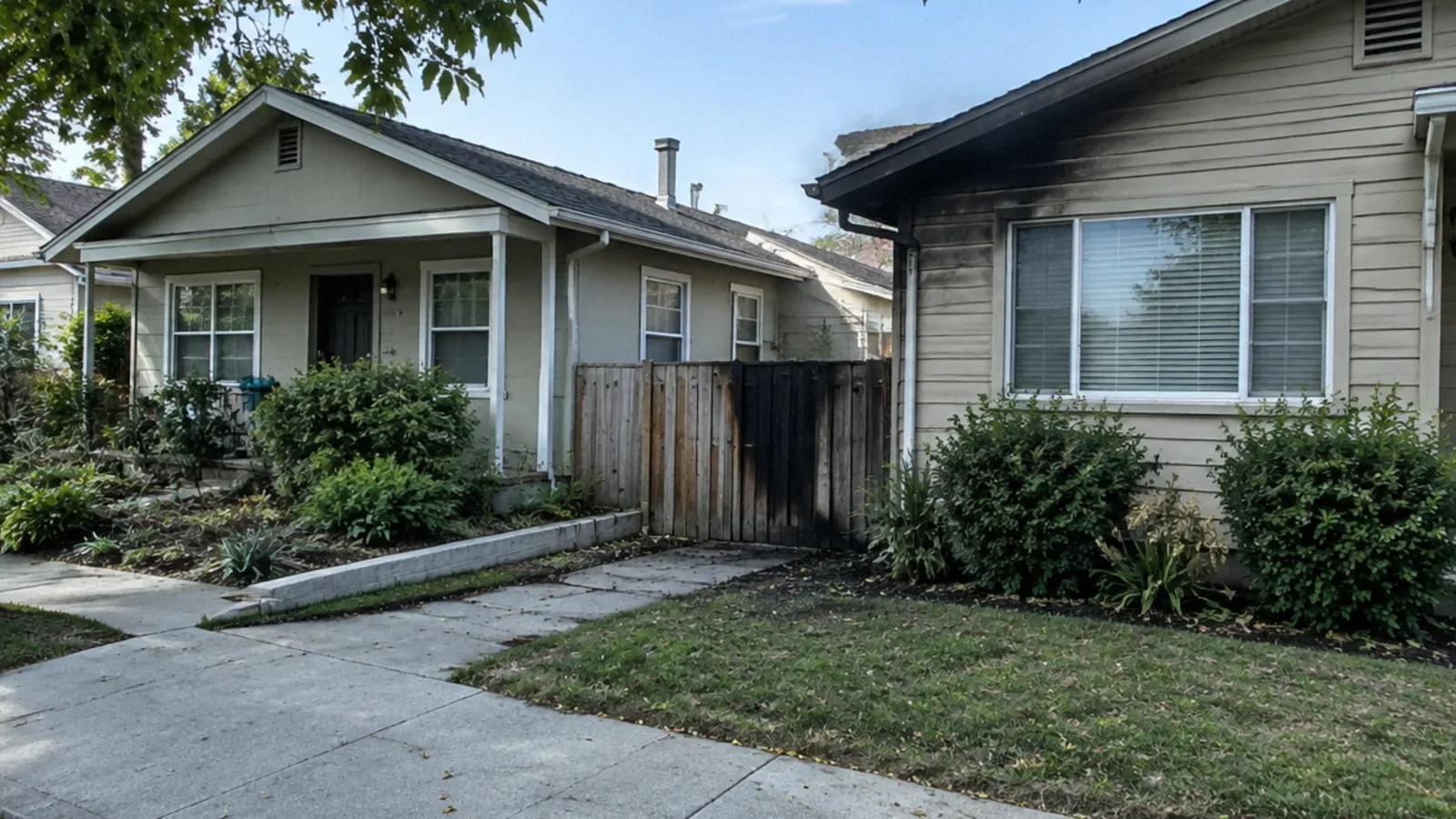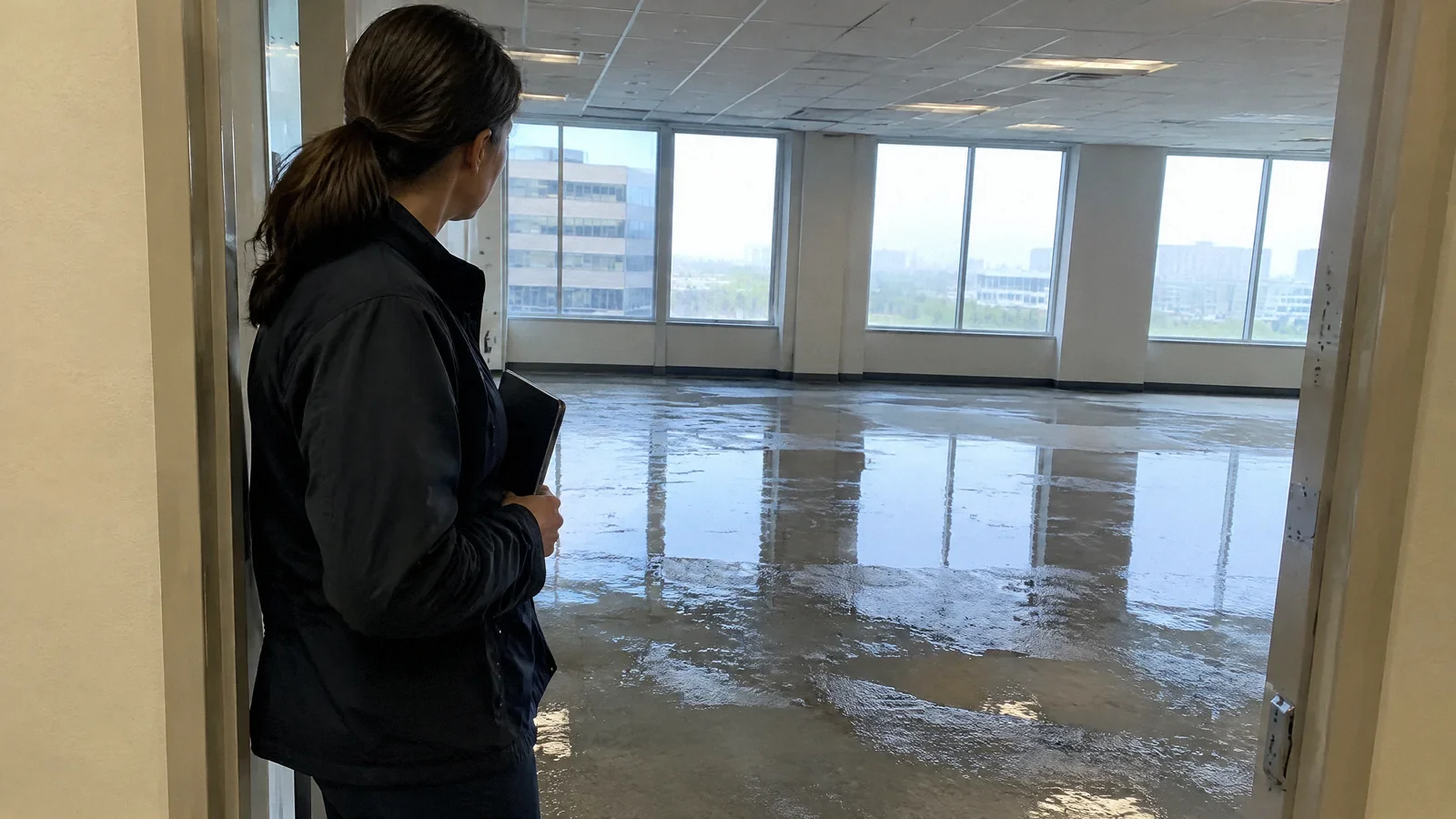
Fire legal liability is a common term for a tenant’s potential liability for fire damage to another party’s premises. A CGL policy may address it under a limit called Damage to Premises Rented to You, but coverage depends on the actual form, exclusions, endorsements and facts.
Liability is different from property insurance
Liability coverage generally addresses sums an insured becomes legally obligated to pay because of covered injury or property damage, subject to the policy. Commercial property insurance addresses covered damage to insured property under its own terms. A landlord’s building policy, a tenant’s property policy and a tenant’s liability policy may all be relevant, but one does not automatically replace the others.
For example, a tenant’s inventory and equipment are not necessarily insured by the landlord’s building policy. Likewise, a landlord’s demand after a fire does not automatically establish the tenant’s liability or coverage. Preserve the claim and lease documents and notify the relevant insurer promptly under the policy’s notice provisions.
How the rented-premises exception can work
A commercial general liability form may exclude certain property that an insured owns, rents, occupies or has in its care, custody or control, then restore a limited category of coverage through exceptions. In a common ISO form, an exception can apply to fire damage to premises rented to the insured or temporarily occupied with the owner’s permission. Other exclusions, the insuring agreement and endorsements still matter.
The actual contract may use a different form, broader or narrower wording, or an endorsement changing the exception. A municipal contract containing a specimen endorsement illustrates how a policy can expressly modify covered causes and the rented-premises limit. It is an example of wording, not evidence of the terms in your policy.
Short rentals and non-fire damage
Some common CGL wording also contains an exception to specified property exclusions for non-fire damage to premises and their contents rented to the insured for seven or fewer consecutive days. That does not mean every non-fire loss is covered: the remaining policy terms and exclusions continue to apply. The exact rental period, property and cause must be evaluated under the form actually issued.
For a longer lease, do not assume that water, smoke or other non-fire damage is included simply because a declarations page lists a rented-premises limit. Endorsements can change the result in either direction. Ask the insurer or licensed broker to identify the operative form and explain the interaction of the exclusions and exceptions.
Read the limit in context
The declarations may show a separate Damage to Premises Rented to You limit, but that number is not a promise to pay that amount for every incident. The form defines how the limit applies, and the policy may have other limits, deductibles or conditions. The lease may also require a particular amount or type of insurance; compliance with the lease and coverage for a claim are separate questions.
Ask for the complete policy, not only a certificate or declarations page. Review the insuring agreement, definitions, exclusions, exceptions, conditions, limits and all endorsements together. Confirm the named insured, premises and policy period. If multiple policies are involved, each insurer must assess its own terms and applicable law.
Lease obligations and legal liability
A lease may allocate repair duties, insurance obligations, waivers or indemnity between landlord and tenant. Those provisions do not automatically establish that a CGL policy covers every contractual promise. The policy’s contractual-liability provisions and exceptions require careful review, and the effect of a lease can vary by state and facts.
Do not admit fault or agree to pay a demand before notifying the insurer and obtaining appropriate advice. Provide the lease, incident details, photographs and correspondence to the insurer and a local attorney as appropriate. The insurer’s duty to defend and duty to pay can depend on different policy language and legal standards.
After a fire at rented premises
First follow fire department and local authority instructions. Do not reenter a damaged building until officials permit it. Notify the landlord or property manager and the relevant insurer promptly, and document damage only from safe locations. Preserve relevant records and avoid disposing of potentially important evidence before coordinating with the insurer and authorities, except where safety requires immediate action.
Ask how emergency protection, access, investigation and business interruption will be handled. Commercial property and business income coverage have separate requirements and limitations. The National Association of Insurance Commissioners explains that business interruption coverage generally concerns lost income during a covered interruption and depends on the policy.
Questions to ask before renewing or signing a lease
Ask the broker which form and endorsements apply, what the rented-premises limit covers, whether the lease requires additional insured status or other coverage, and how short-term rentals are treated. Ask specifically about fire, water, smoke and damage to contents rather than assuming a single label answers every question. Obtain the explanation in writing.
Review the lease and policy with a local attorney or licensed insurance professional when the exposure is material. The separate guide to fire damage affecting a neighbor discusses liability beyond rented premises. Neither a policy label nor a hypothetical example can determine the outcome of a real claim.
Your next-step checklist
- Obtain the complete policy and all endorsements.
- Identify the rented-premises limit and operative exclusions and exceptions.
- Review the lease, rental period and property involved.
- Notify the insurer promptly after a loss.
- Ask a licensed professional or local attorney about unresolved coverage and liability.
Related questions
Are fire legal liability and damage to premises rented to you the same?
They are related terms often used for overlapping exposure, but the actual policy form and endorsements determine the scope and limit.
Does the rented-premises limit cover every type of damage?
No. Covered causes, exclusions, exceptions and limits depend on the specific form and endorsements.
Does the seven-day exception guarantee coverage for water damage?
No. Some common forms contain an exception for certain non-fire damage to short-term rented premises, but other policy terms and exclusions still apply.
Does a landlord’s property policy insure the tenant’s contents?
Not necessarily. Review both policies and the lease; the tenant may need separate property coverage.
Sources & context
Public guidance supports the principles in this article. The practical questions and examples are editorial interpretation, not a site assessment or a coverage decision. State-specific rules apply only where identified.
- California Department of Insurance: Commercial Insurance GuideCalifornia insurance regulator guidance
- City of New York: Executed Contract with Commercial General Liability Endorsementpublic specimen contract and endorsement
- National Association of Insurance Commissioners: Business Interruptioninsurance regulator consumer guidance
- City of Gastonia: Public Commercial Liability Form Examplepublic specimen policy form