Flooding can damage finishes, structural materials, electrical and mechanical systems, belongings, and surrounding land. Water may also carry contaminants. Wait for safe reentry and have qualified professionals assess electrical, structural, and contaminated-water hazards.
Flood damage extends beyond the waterline
Floodwater can damage a building's finishes, structure, utilities, contents, and surrounding land. The extent depends on water depth, duration, current, contamination, building materials, and how quickly safe cleanup can begin. A shallow flood is not automatically minor: water can enter wall cavities, electrical equipment, flooring layers, and insulation that are not visible from the room.
A building may also be affected by debris, erosion, sewage, fuel, or loss of utilities. The full extent often becomes clear only after a safe inspection and, where appropriate, removal of damaged finishes. This guide describes possible consequences; it does not determine whether a specific event meets a flood insurance definition or is covered by a policy.
Walls, floors, and structural materials
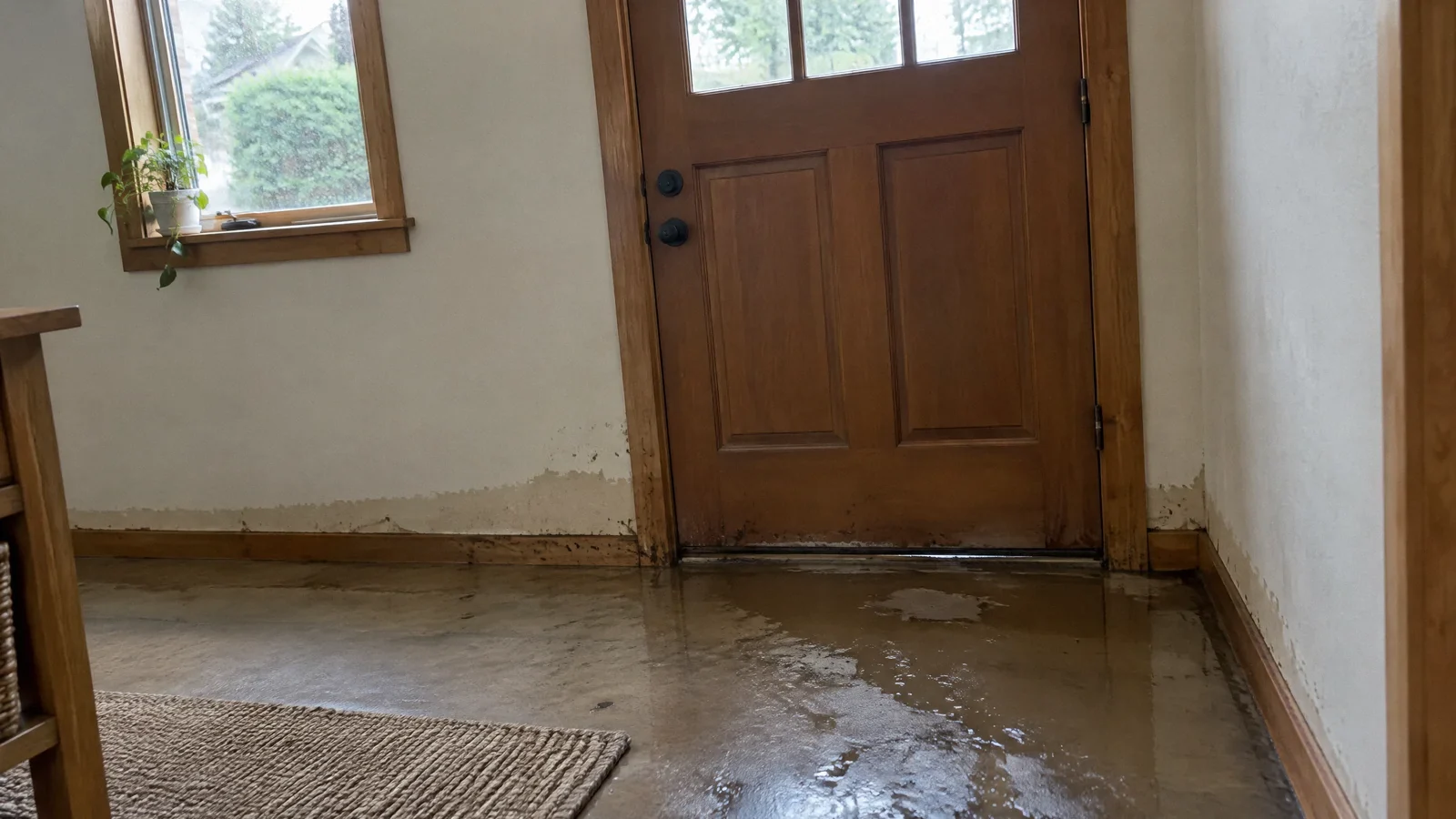
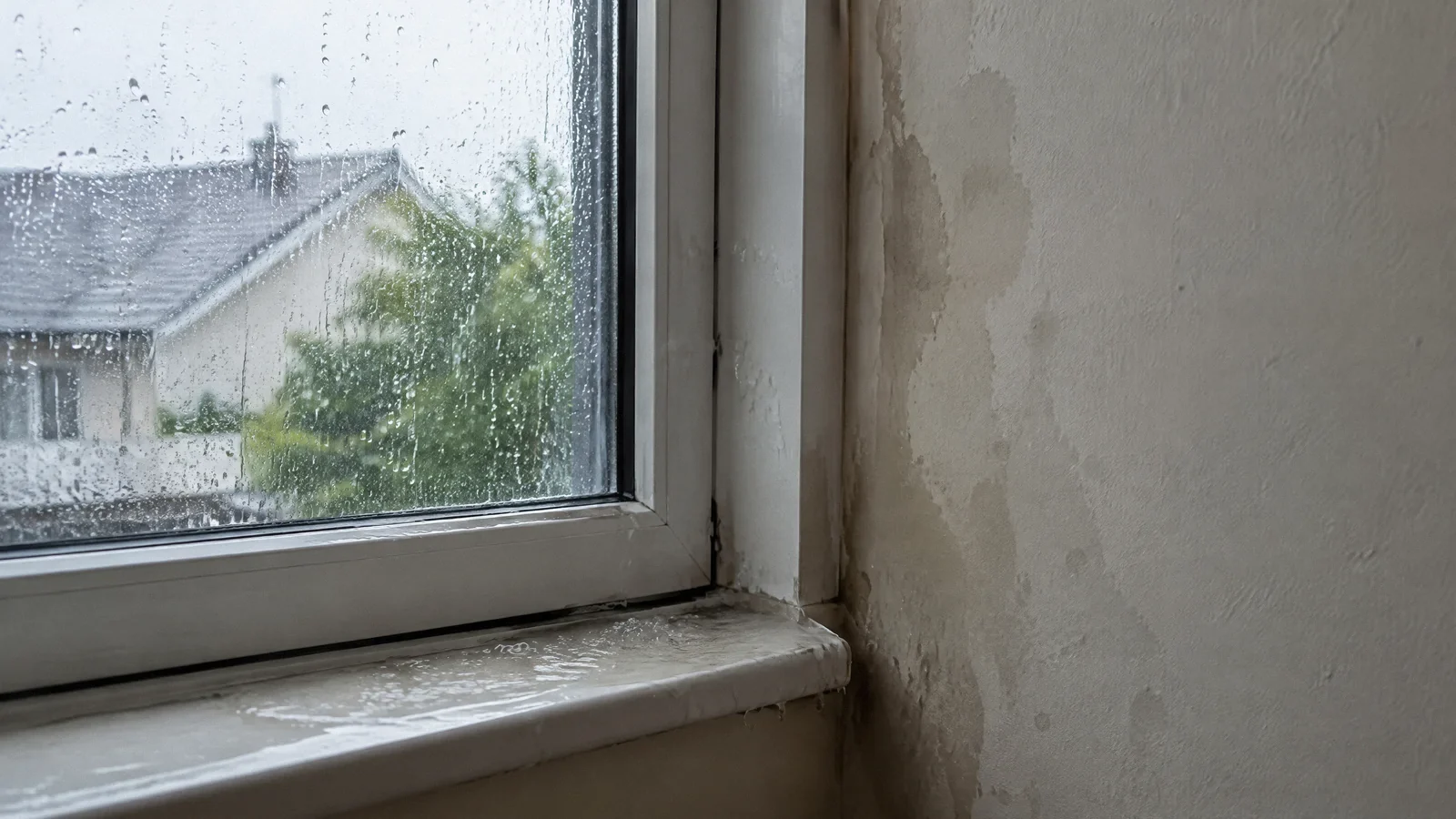
Water can swell wood and manufactured wood products, soften drywall, damage adhesives, loosen finishes, and leave sediment in cavities. Carpet and padding can retain water and contaminants. Flooring may appear dry on top while the subfloor remains wet. Insulation in a wall or under a floor can be difficult or impossible to clean and dry adequately, depending on its material and exposure.
Moving water, debris impact, scour, and erosion can also affect foundations or structural supports. Cracks, a shifted foundation, a sagging ceiling, or a leaning wall require qualified evaluation. CDC advises not entering a home with obvious damage such as foundation cracks or downed power lines. Do not judge structural safety from a photograph or begin demolition before hazards are assessed.
Electrical, heating, and plumbing systems
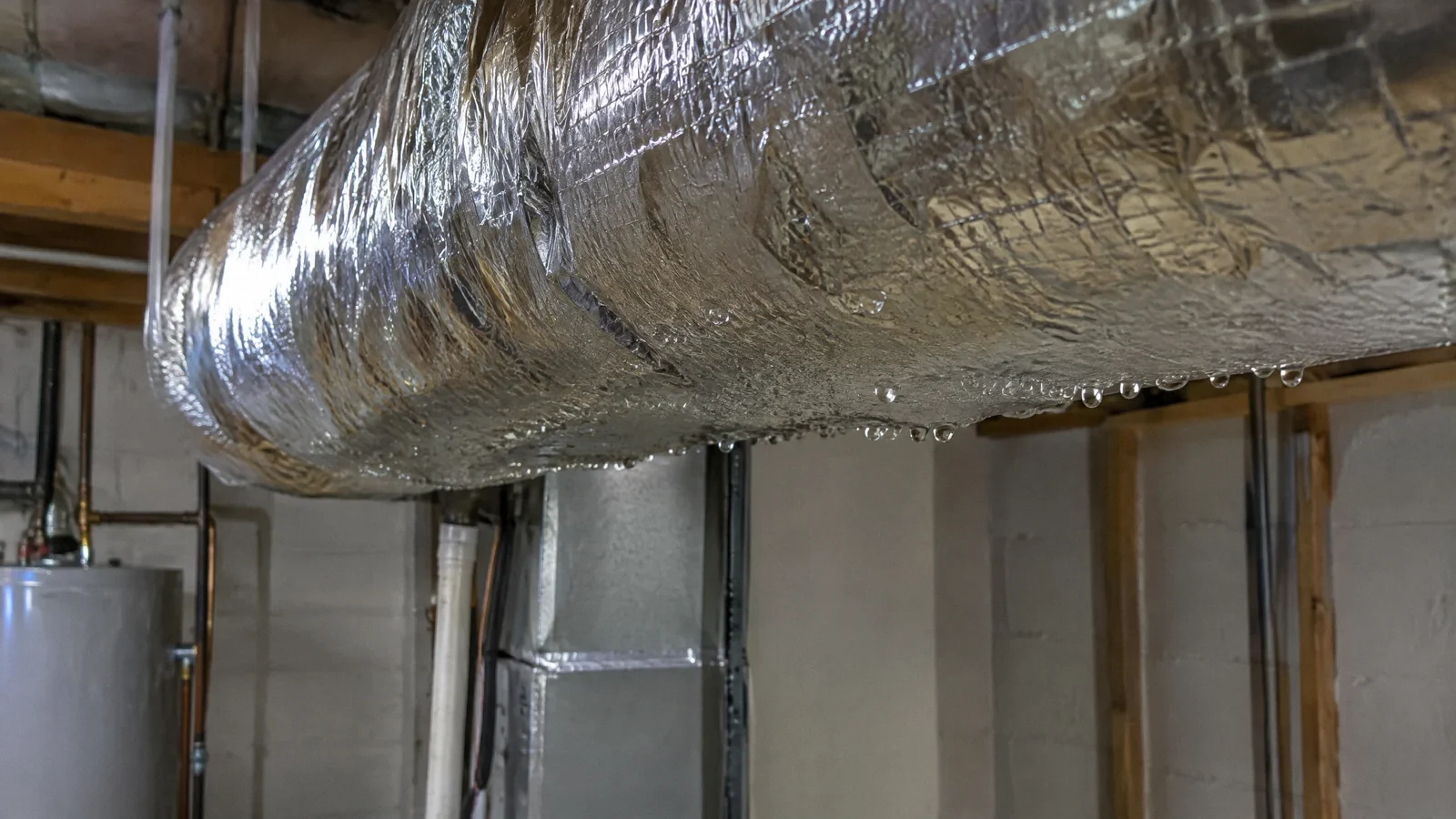
Floodwater can enter outlets, wiring, electrical panels, appliances, heating equipment, and air ducts. Even after water recedes, concealed components may remain wet or contaminated. Do not touch a wet electrical device or operate electrical equipment while standing in water. Have the utility and qualified professionals assess and make systems safe before energizing or using them.
Flooding can also affect water supply, wells, septic systems, and sewer connections. A sewage backup adds a contamination hazard. Follow local health and utility advice about drinking water and wastewater use; do not assume that a clear-looking supply is safe. A qualified HVAC professional should assess a submerged system and its ducts before operation. EPA advises against running a system known or suspected to be contaminated with mold.
Contents, contamination, and mold
Furniture, clothing, documents, electronics, stored chemicals, and sentimental items may be damaged by water, sediment, and contaminants. Food that contacted floodwater should be discarded under CDC guidance. Some nonporous belongings may be cleanable, while porous items can be difficult to clean and dry thoroughly. A conservator may be able to advise on valuable documents or objects, but recovery is not guaranteed.
Floodwater can contain sewage, chemicals, sharp debris, and microorganisms. EPA notes that drying a contaminated building can require extensive removal of wall, ceiling, insulation, and floor materials. Mold can grow when moisture persists; prompt source control and drying are important, but color cannot identify mold or its species. People with health concerns should consult a health professional, and contaminated-water cleanup calls for experienced help.
Yards, access, and the wider property
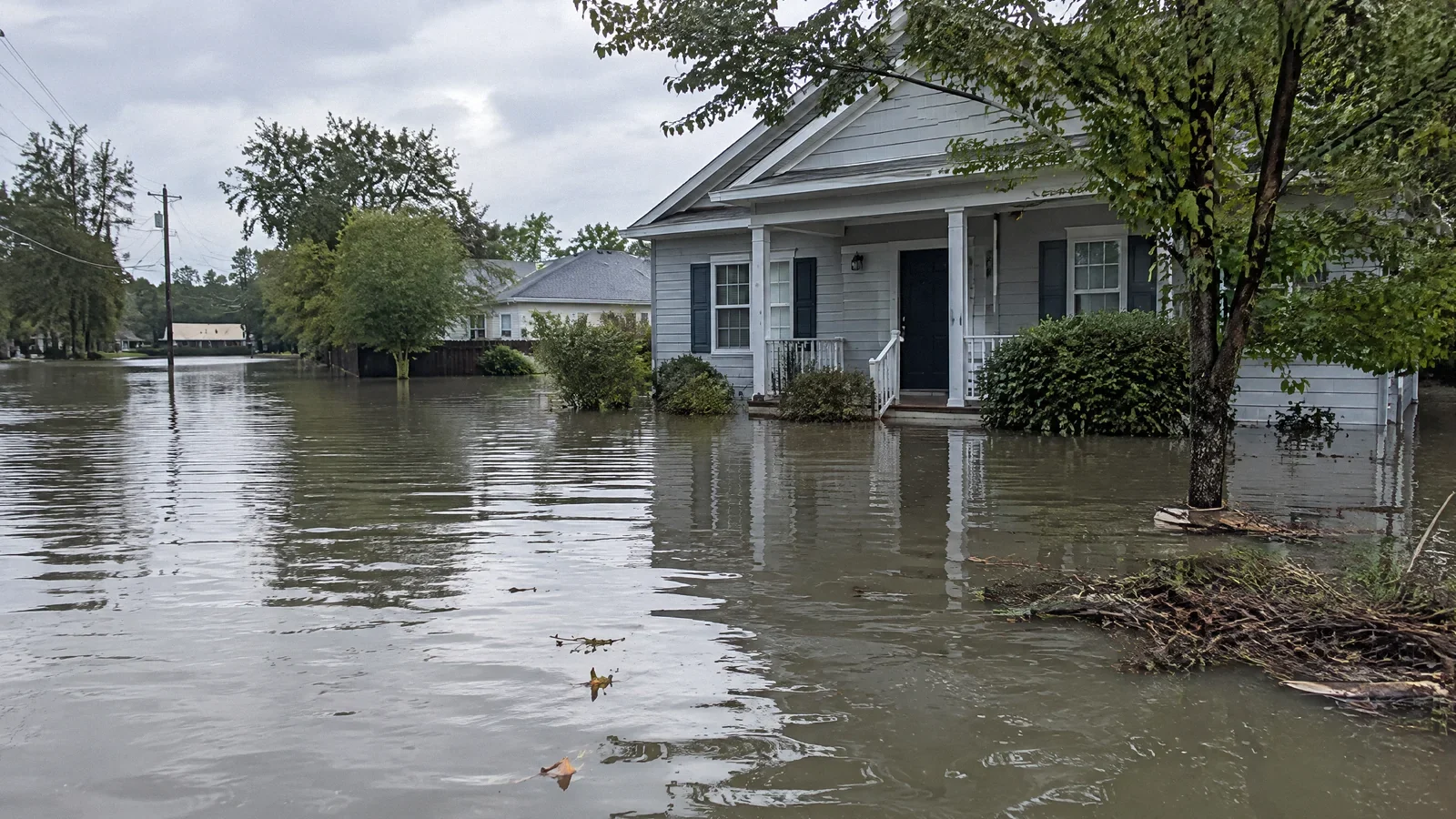
Water can erode soil, move landscaping, deposit mud and debris, damage fences and pavement, and undermine access routes. A fuel tank can be displaced or damaged, creating a contamination concern. Downed power lines, unstable trees, hidden holes, and damaged roads may remain dangerous after the water drops. Follow local instructions and do not approach a downed line.
The effects can extend beyond the house: private wells, septic fields, outbuildings, vehicles, and neighboring drainage can all need separate assessment. Local authorities may restrict reentry or advise on disposal, water use, and cleanup. Do not drive or walk through floodwater to inspect the property; its depth, current, and hidden hazards are uncertain.
Your next-step checklist
- Follow local reentry instructions.
- Avoid downed lines, wet electrical equipment, and unstable structures.
- Photograph damage when safe and contact the insurer.
- Arrange qualified assessment and prompt drying.
Related questions
Can a small amount of floodwater cause serious damage?
Yes. Even shallow water can reach electrical equipment and concealed porous materials, and floodwater may carry contaminants.
Is everything below the waterline a total loss?
Not necessarily. Material, contamination, exposure, and cleanability matter. A qualified assessment is needed for each affected assembly or item.
Sources & context
Public guidance supports the principles in this article. The practical questions and examples are editorial interpretation, not a site assessment or a coverage decision. State-specific rules apply only where identified.