Move away from electrical hazards, contain water only where safe, and document the damage. Identify the entry path after conditions permit, repair it, and dry affected materials before closing them up.
Find where the rain entered
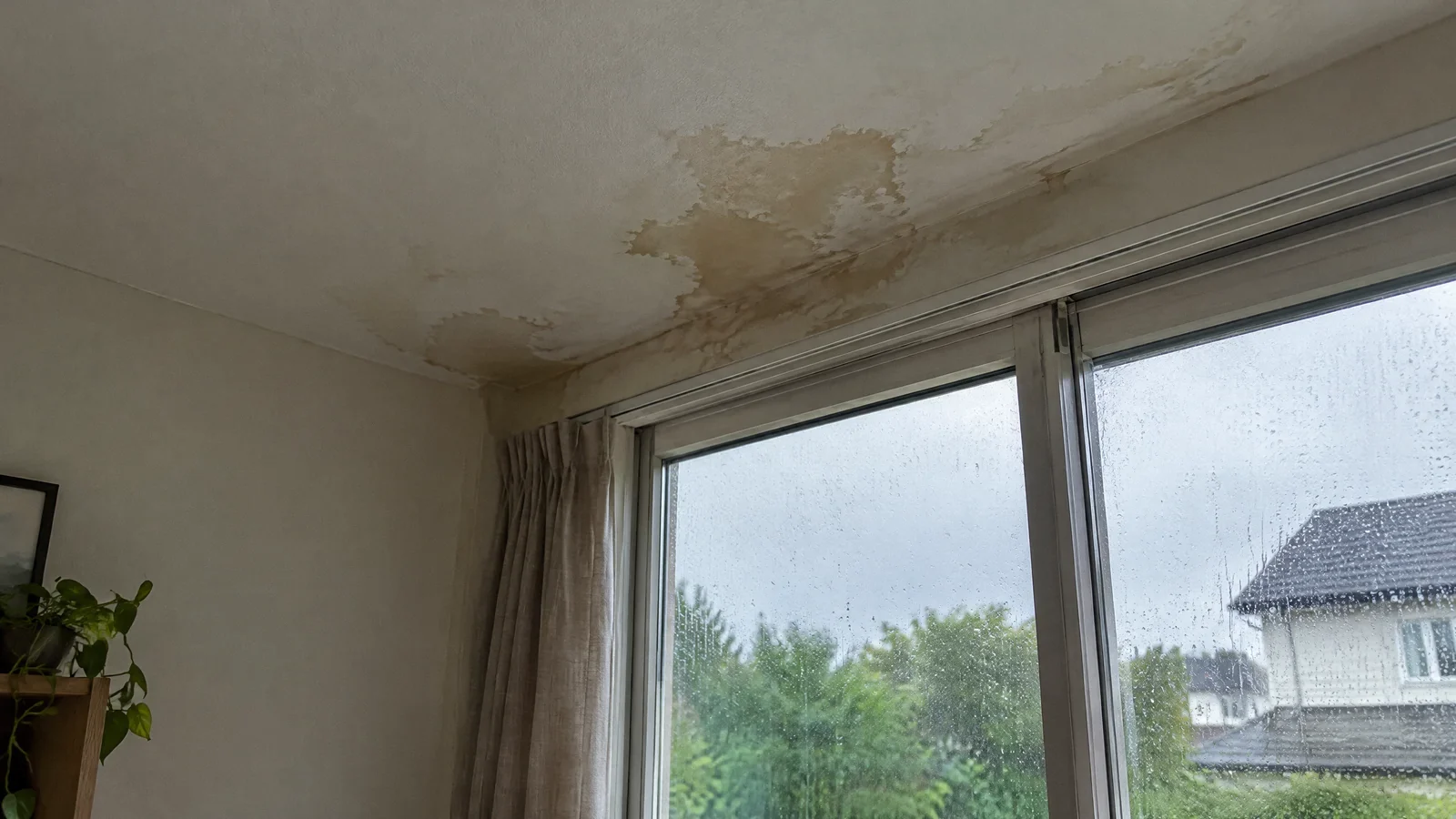
Rain can enter through a damaged roof, flashing around a chimney or vent, a window opening, a wall penetration, or a door threshold. Water may travel along framing before it appears as a ceiling stain, so the stain is a clue rather than proof that the roof directly above it failed. Photograph the affected rooms, the exterior from a safe position, and the time and direction of the rain. A recurring leak during wind-driven rain may behave differently from water that appears only when gutters overflow. Tell the contractor whether the staining continued after the storm and whether the water appeared at a window, wall, or ceiling first. Do not climb onto a wet roof or lean out of a window to investigate. A roofer or building-envelope contractor can inspect flashings, penetrations, drainage and cladding once weather permits.
Protect the room and arrange a durable repair
Keep people away from a bulging ceiling, sagging plaster or water close to lighting and outlets. If the electrical panel is accessible from a dry location, a qualified electrician can advise on isolating affected circuits; do not touch wet switches or equipment. Move belongings only when the path is safe. A bucket or towels can limit water spread but cannot solve the entry problem. Ask a qualified roofer about a temporary cover when rain is expected, including how it will be secured without creating new leaks. Repair the entry point, not merely the visible interior stain. Wet insulation, wall cavities and flooring may need inspection because a dry-looking surface does not establish that the assembly is dry. Record what was opened, removed and repaired so a later contractor can follow the history.
Dry and document the loss
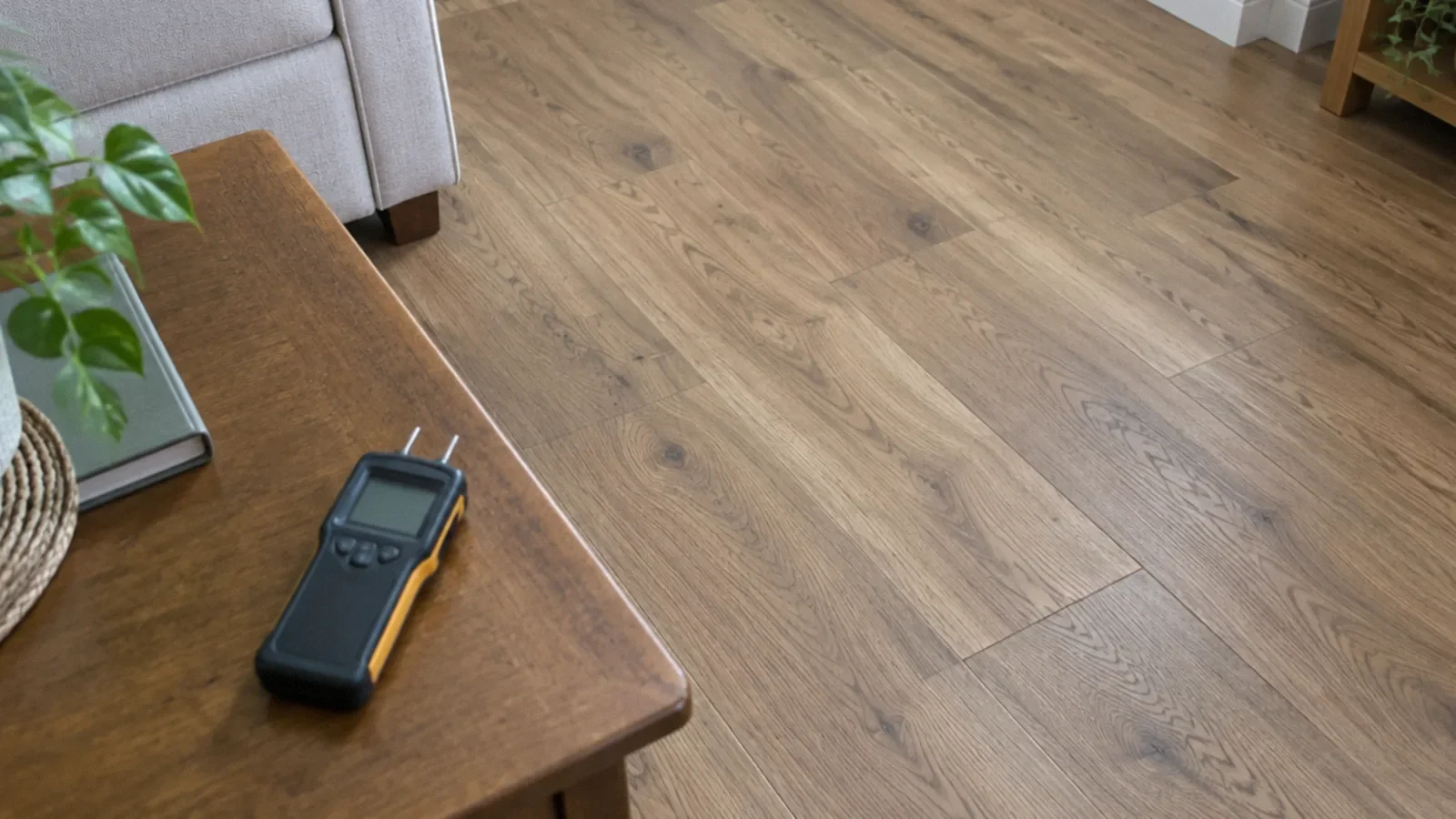
Prompt drying reduces the opportunity for mold, but the right approach depends on how much water entered, how long materials stayed wet, and whether the water picked up contamination. An experienced drying contractor can assess concealed moisture and determine which porous materials can be dried or require removal. Do not paint over a damp ceiling or close a wet wall to make a room look finished. Ask for moisture readings and a recheck before new insulation or drywall is installed. Contact your insurer promptly and describe the cause and timing without guessing. Homeowners and flood policies have different terms and exclusions; wind-driven rain entering a building is not automatically a covered flood. Request the relevant policy language and claim instructions. Photograph damage before disposal when safe, keep receipts, and follow the insurer’s directions while taking reasonable steps to prevent further damage.
Tell the difference between rain entry and rising water: Rain entering through a roof or window and surface water rising into a building can produce similar wet rooms but lead to different cleanup and insurance questions. Water that crosses soil, streets or a flooded yard can carry contaminants and needs a different assessment from a brief, clean roof leak. Tell the restoration firm what the water contacted and whether sewage may have mixed with it. Never assume clear-looking water is clean. If water came from outside and reached porous furnishings or wall cavities, ask the contractor to explain what can be cleaned and what should be discarded. A storm may produce more than one route of entry, so record each location separately.
Tell the difference between rain entry and rising water: When arranging repairs, ask whether the contractor will inspect flashing, penetrations, gutters and adjoining wall details, rather than quoting from a stain alone. Ask how temporary protection will withstand expected weather and when permanent repair can be performed. Keep a timeline of rain, discovery, mitigation and repairs for your own records. If the ceiling is visibly sagging, move out of the room and keep others away until a professional evaluates it; a small drip can conceal a larger pocket of water. Do not puncture the ceiling or stand beneath it to drain it.
Your next-step checklist
- Keep people away from immediate hazards and avoid disturbing damaged or contaminated materials.
- Record when the problem began, where it appeared, and any change after rain or water use.
- Arrange an assessment by a qualified professional when the cause or extent is uncertain.
- Keep photographs, inspection findings, repair details and receipts together.
- Confirm the cause has been corrected and follow up if the same signs return.
Related questions
Can the visible signs identify the exact cause?
No. The location and timing are useful clues, but similar symptoms can arise from different causes. An inspection and, when appropriate, testing are needed before selecting a repair.
When should I call a professional?
Call promptly when there is sewage, an electrical hazard, significant water intrusion, recurring symptoms, a damaged structure, or work that requires access to a roof, septic tank, excavation or electrical equipment.
What information should I keep after the repair?
Retain the written scope, observations, photographs, test or moisture findings where applicable, dates, invoices and any inspection or permit records. These details help identify a recurrence and support a claim if you decide to make one.
Sources & context
Public guidance supports the principles in this article. The practical questions and examples are editorial interpretation, not a site assessment or a coverage decision. State-specific rules apply only where identified.