A fireplace can smell because of soot, moisture, debris, a draft problem, or an appliance issue. The smell and timing offer clues, but suspected gas, smoke entering the room, or a CO alarm require an immediate safety response.
Recognize an urgent situation
If you smell gas or a strong fuel odor, leave the building immediately without operating switches, appliances, or a phone inside. Call the gas utility or emergency services from a safe place outside. Do not try to find or repair a gas leak yourself. If there is smoke in the room, a fire, or a hot electrical burning smell, leave and contact emergency services as appropriate. Do not continue using the fireplace to see whether the odor disappears.
Carbon monoxide (CO) has no color or smell. If a CO alarm sounds, go outside to fresh air and call emergency services. Do not reenter until responders say it is safe. A particular odor cannot confirm or rule out CO exposure. Working smoke and CO alarms are essential even when a fireplace has been serviced.
Note when and where the odor occurs
Record whether the smell occurs while the fireplace is operating, immediately afterward, or when it has been cold for days. Note recent rain, wind, first use of the season, and whether exhaust fans or other appliances were running. The pattern helps a technician investigate; smell alone cannot identify the cause or prove that a chimney is clear.
Identify the appliance type. A wood-burning fireplace, gas insert, vent-free appliance, and electric fireplace have different components and service requirements. Find the make and model in the manual or on an accessible label. Do not remove sealed glass, dismantle a gas appliance, enter a chimney, or climb onto the roof to diagnose an odor.
Wood-burning fireplaces: soot, moisture, and draft
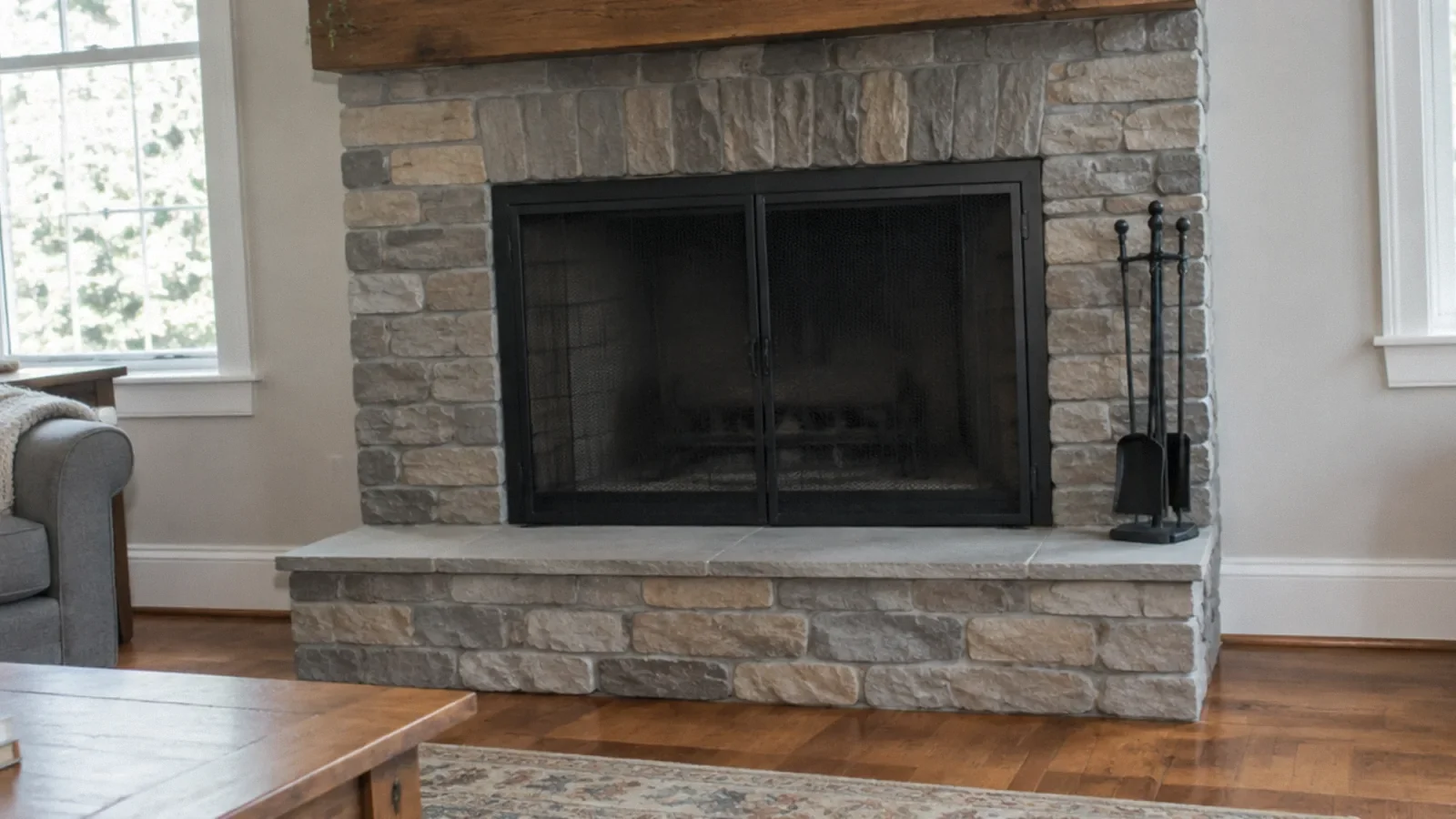
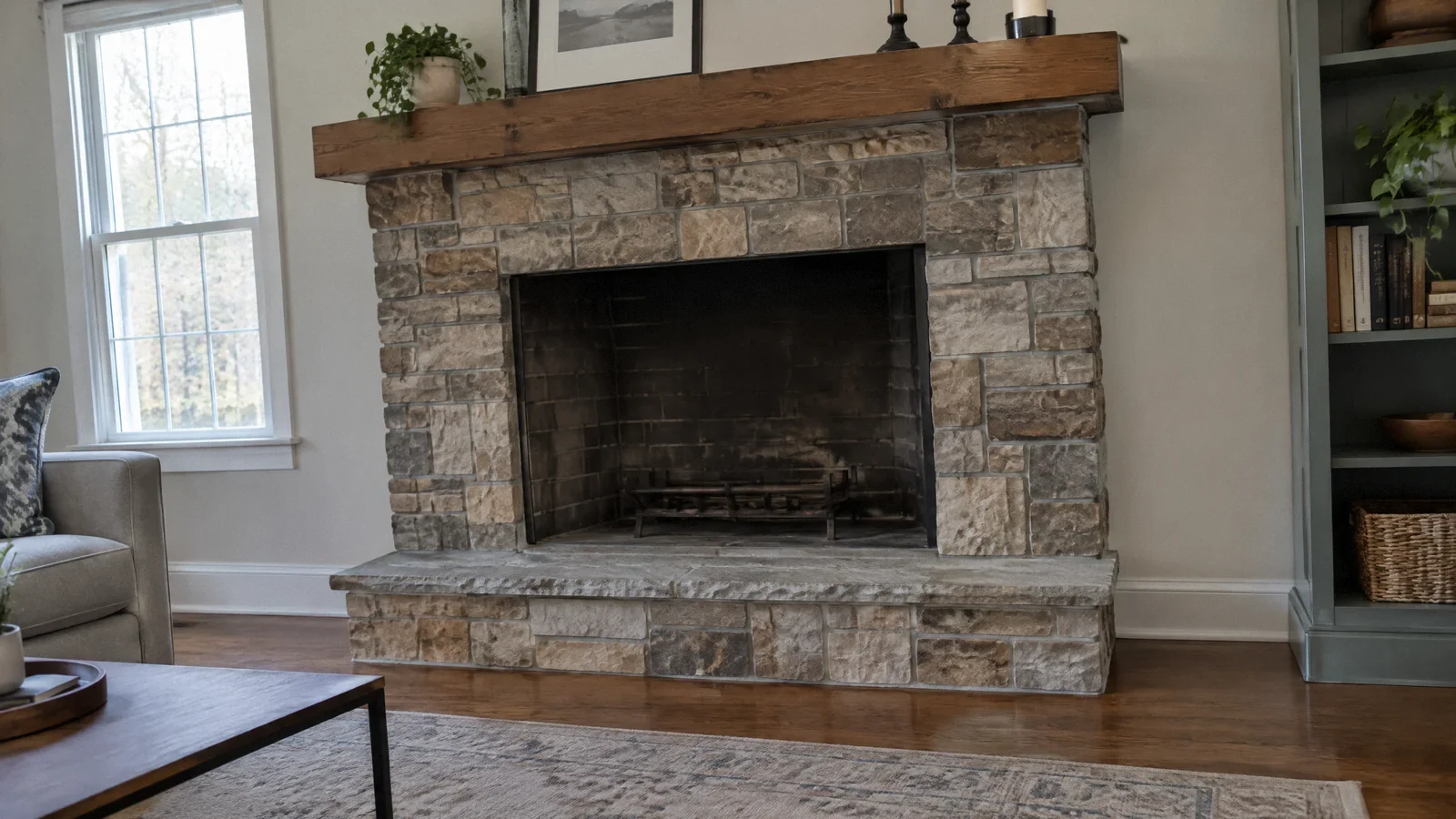
An old smoky or ashy odor when the fireplace is cold can be associated with residue in the firebox or chimney, moisture, debris, or air movement through the flue. Rain or humid weather may make an existing odor more noticeable. A chimney professional can inspect for buildup, obstructions, moisture entry, and damage. CPSC notes that wood combustion can leave creosote in a chimney and that a clogged chimney can allow dangerous combustion gases into a home.
If smoke enters the room during a fire, stop using the fireplace and have the appliance and chimney evaluated. Possible factors include a blocked or improperly functioning flue, inadequate combustion air, or pressure differences in the home, but a homeowner cannot safely determine the cause from odor alone. Never block ventilation openings or alter a flue to manage a smell. Allow ashes to cool fully and follow the appliance and local fire-safety instructions for their removal and disposal.
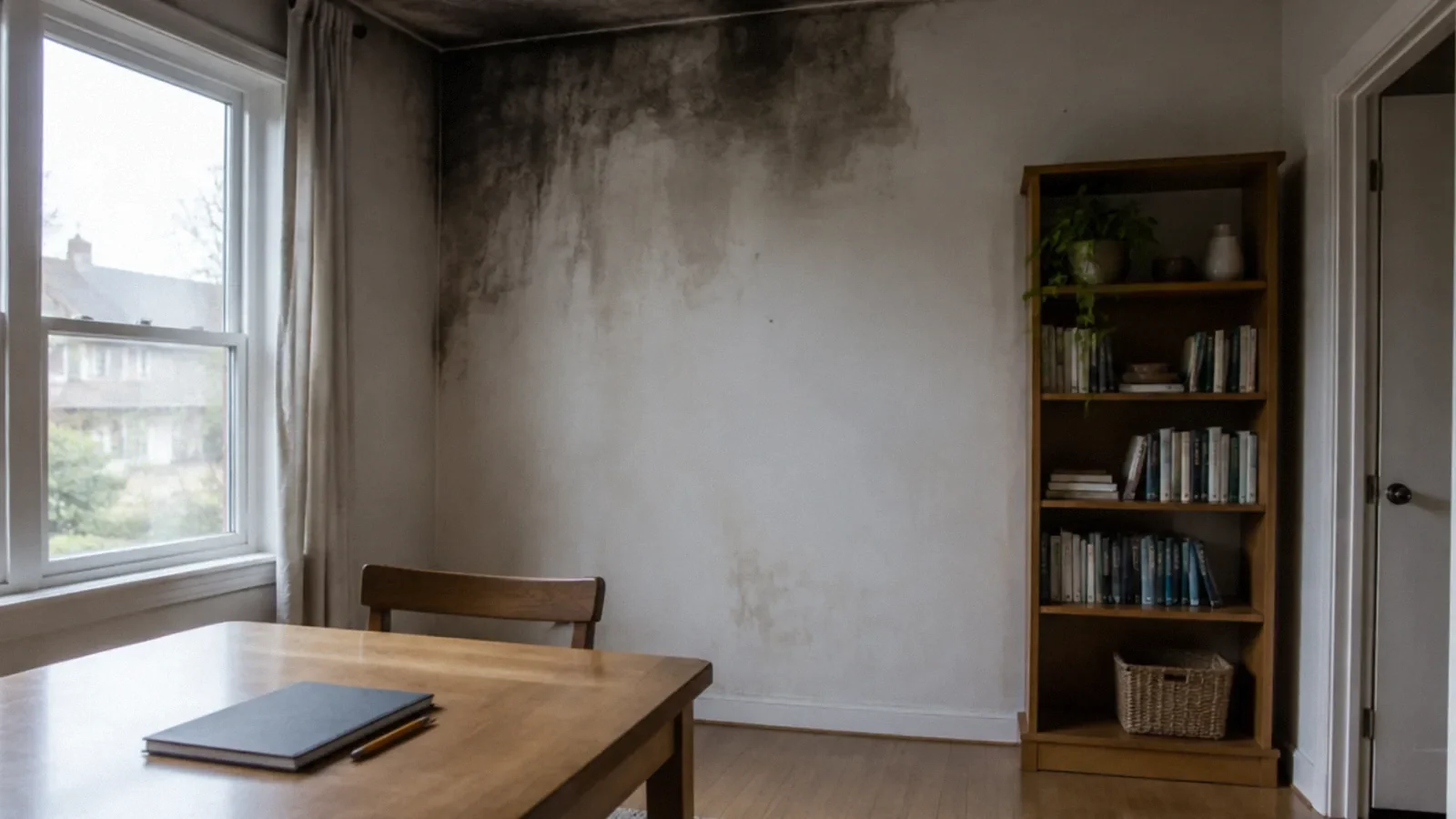
A musty smell around a fireplace may point to moisture in nearby masonry, drywall, stored firewood, or another building material. Look for accessible stains or dampness without disturbing suspect material. Have a qualified professional trace water entry and repair it before closing finishes. A musty odor is a clue, not proof of a particular mold species.
Gas and electric fireplaces
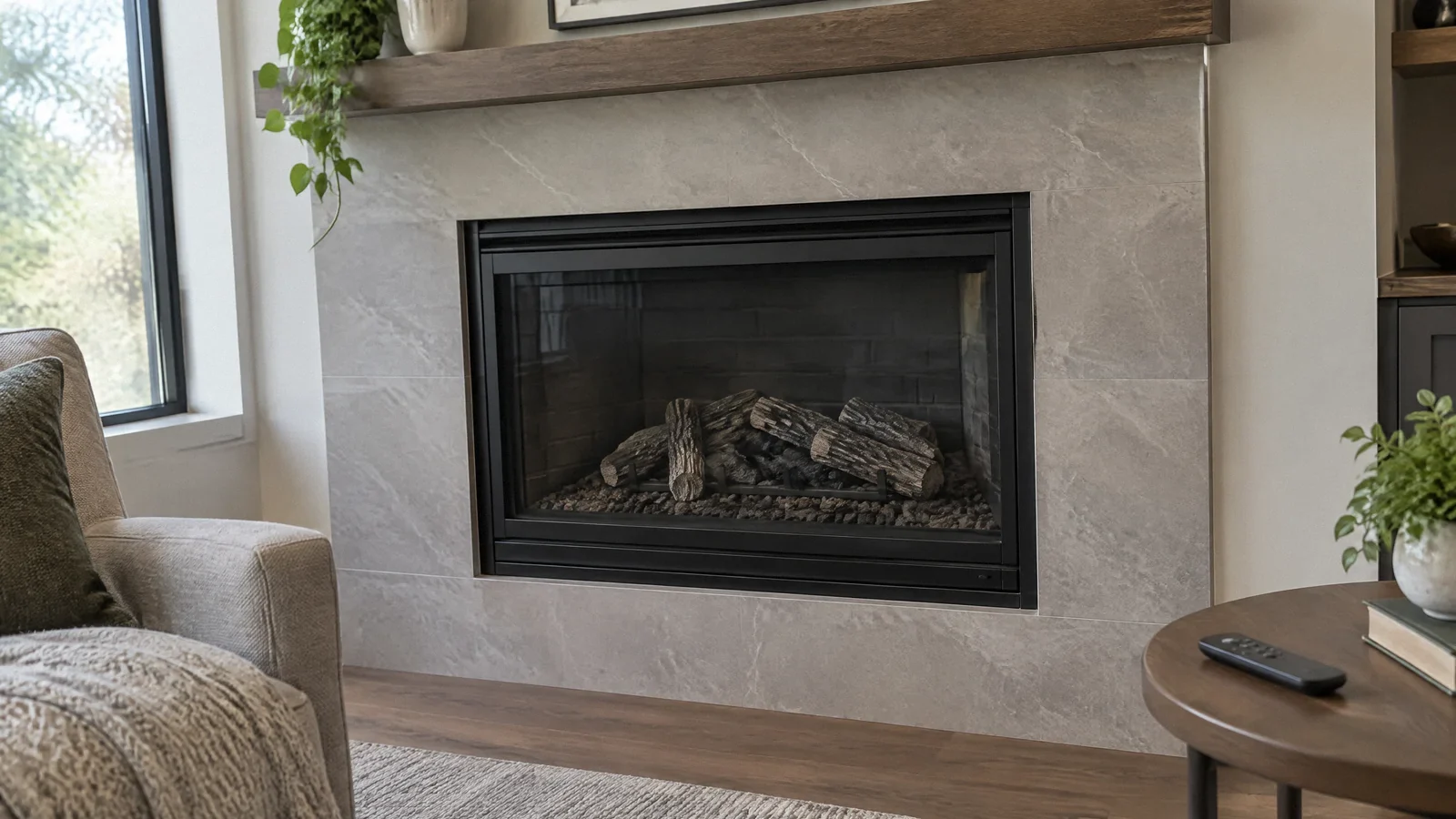
For gas appliances, an unusual odor during use or a change from normal operation deserves the manufacturer’s guidance and professional inspection. A new appliance may have model-specific initial-use instructions, but never assume an unfamiliar strong odor is harmless curing. Stop using the unit and follow the manual. A gas smell is an emergency response, not a routine cleaning task.
An electric fireplace does not burn fuel in its firebox, but dust on a heater or a component fault can produce an odor. Switch it off only if it is safe to reach the control without exposure to smoke or electrical danger. If the odor is strong, persists, or is accompanied by smoke, leave and seek appropriate help. Have electrical or internal repairs performed by a qualified technician. Do not spray cleaner into vents or open an energized unit.
Arrange inspection and prevent recurrence
CPSC recommends annual professional inspection of fuel-burning heating systems, including fireplaces, chimneys, flues, and vents. Ask the technician to inspect the appliance and vent as a system, explain any source identified, and provide a written repair and cleaning scope. Report when the odor occurs, any weather pattern, recent changes to the home, and whether the room has shown smoke or moisture.
After the cause is corrected, follow the manufacturer’s operating and maintenance instructions. Keep combustible materials away from the hearth and appliance openings, use fuel appropriate to the appliance, and maintain alarms. Scented products can mask the symptom without correcting its source. If the odor returns, document the conditions and request a follow-up rather than continuing to use the appliance.
A useful service record includes the inspection date, work performed, and any remaining recommendations. If you have moved into a property and do not know its maintenance history, arrange an inspection before using a fuel-burning fireplace. Ask the technician to explain safe operation of the specific appliance and where to find its model instructions.
Your next-step checklist
- Leave immediately for suspected gas, fire, or a CO alarm.
- Identify the fireplace type and note when the smell occurs.
- Look only at accessible surfaces for moisture or staining.
- Arrange professional inspection of the appliance and vent.
- Correct the source before resuming use.
Related questions
Why does a fireplace smell when it is not in use?
Residue, moisture, debris, or air movement through the chimney may contribute. A professional inspection can identify the source.
Does a smoky smell mean carbon monoxide is present?
It does not establish CO levels. CO is odorless, and smoke entering a room warrants stopping use and having the appliance inspected.
Can I cover the smell with an air freshener?
Fragrance may hide the symptom but will not repair a leak, obstruction, moisture problem, or appliance fault.
Sources & context
Public guidance supports the principles in this article. The practical questions and examples are editorial interpretation, not a site assessment or a coverage decision. State-specific rules apply only where identified.
- Home Heating Equipmentgovernment
- Carbon Monoxide Poisoning Preventiongovernment
- Home Safety Checklistgovernment