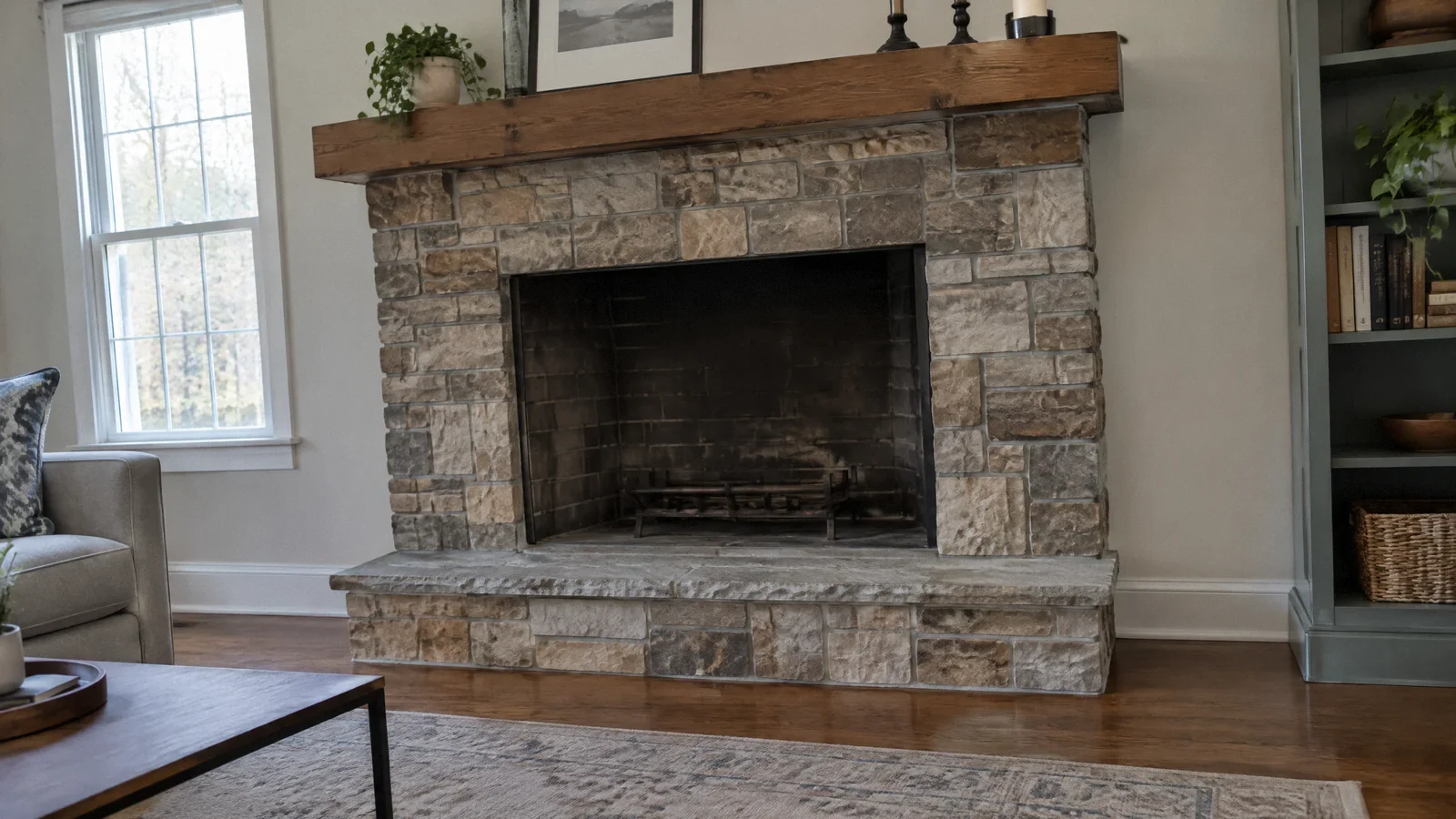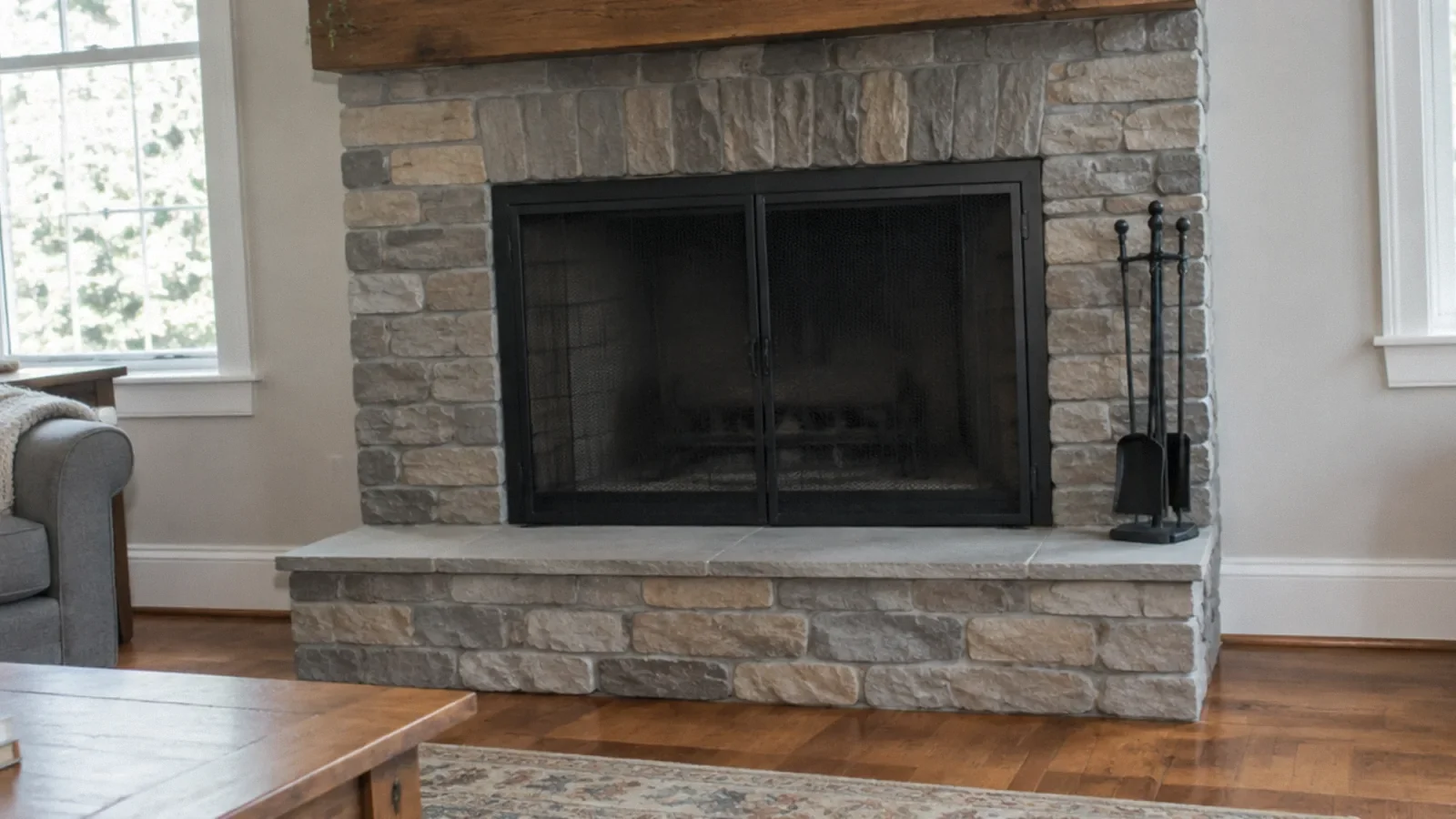
Stop using the fireplace and move people and pets away from smoke. If smoke is heavy, an alarm sounds or anyone has symptoms, leave and call 911 from outside. A blocked flue, draft problem or other fault requires a qualified inspection before the fireplace is used again.
Respond to smoke first
If smoke is entering the room, stop adding fuel and move everyone away. If the room is filling with smoke, an alarm sounds or there is an immediate danger, leave the building and call 911 from outside. Do not stay inside to experiment with the fireplace.
If someone has headache, dizziness, confusion or other concerning symptoms, move to fresh air and seek emergency medical help. Smoke and carbon monoxide are different hazards; the absence of a smell does not establish that the air is safe.
Carbon monoxide has no smell
CDC explains that carbon monoxide is an odorless, colorless gas produced by burning fuels, including in fireplaces. Common symptoms include headache, dizziness, weakness and confusion. A smoky fireplace may indicate a combustion or venting problem that needs prompt attention.
If a carbon monoxide alarm sounds, leave immediately and call emergency services from a safe location. Do not reenter until responders say it is safe. Maintain alarms according to their instructions and applicable local requirements; an alarm does not replace fireplace maintenance.
Possible draft and venting problems
A chimney must carry combustion products out of the building. A blocked or damaged flue, a closed or malfunctioning damper, an unsuitable installation or unfavorable air pressure can interfere with that flow. The visible smoke alone does not identify which condition is present.
EPA notes that depressurization from exhaust equipment can pull combustion products back through a chimney or flue. Do not make permanent changes to exhaust fans, doors or windows based on a guess. A qualified chimney or heating professional can evaluate the complete system.
Do not investigate from the roof
A chimney cap, flue or roof can be dangerous to inspect without proper access and training. Do not climb a roof, reach into a hot fireplace or remove components while the system may be unsafe. A blocked chimney can also conceal other damage.
Arrange a qualified inspection before using the fireplace again. Tell the provider whether the smoke began at startup, continued during operation, followed appliance use or appeared after a storm. These observations help the assessment but are not proof of a specific cause.
Wood, gas and other fireplaces
The appropriate check depends on whether the unit burns wood, gas or another fuel and on its manufacturer’s instructions. Use only the fuel and operating method specified for the appliance. A gas odor or suspected gas leak requires leaving immediately and contacting the utility or emergency services from outside.
Do not operate electrical switches or appliances in an area where gas may be leaking. Do not restart a damaged or unvented appliance to see whether the problem has cleared. The manufacturer or a qualified professional can identify the relevant service requirements.
After the immediate incident
Ventilate only when it is safe and responders or the responsible professional permit it. A smoke odor can remain in nearby materials after the fire is out, but masking that odor does not correct the cause. Soot can spread if disturbed.
If smoke or soot affected a significant area, ask a restoration professional to assess surfaces and contents after the fireplace is made safe. Document visible residue when safe and discuss any insurance questions with the insurer.
Questions for the inspector
Ask the provider to inspect the fireplace, flue, chimney condition and relevant draft or makeup-air conditions. Request a written explanation of the cause, any unsafe components and what repair or cleaning is recommended. Ask whether another trade is needed for the proposed work.
Do not accept a guarantee of safety based solely on the disappearance of an odor. Verify the scope of the inspection and when the appliance may be used again. Keep the report and maintenance instructions with the home records.
Prevent recurrence
Follow the manufacturer’s operating and maintenance instructions and arrange regular inspection and cleaning appropriate to the system. Keep combustible items away from the hearth and do not leave an active fire unattended. Use smoke and carbon monoxide alarms as required and maintain them.
If smoke returns after a repair, stop use and contact the provider. Changes to exhaust equipment, building air leakage or chimney condition can affect the system, so a new symptom deserves a new assessment.
Why smoke may fail to go up the chimney
In this fireplace context, smoke that does not go up the flue may indicate poor or reversed draft: the pressure difference and available air are not carrying combustion products outdoors. A cold flue, obstruction, closed damper, wind or competing exhaust may contribute, but observation alone cannot identify the cause. The phrase smoke going up can also describe normal rising smoke in another context.
If smoke enters the room, stop adding fuel, move people and pets to fresh air, and call emergency services for heavy smoke, a CO alarm, symptoms or suspected fire. If safe, follow the exact appliance manual for shutdown and ventilation; do not close a damper on a burning fire, climb onto a roof or relight to test a guess. A qualified chimney or appliance technician should inspect the flue, air supply and venting before reuse. Record weather, appliance type and whether exhaust fans were operating to help the investigation. A smell without visible smoke has a separate fireplace odor guide, but gas odor or a CO alarm requires an immediate emergency response.
Your next-step checklist
- Move away from smoke and leave for an immediate danger.
- Call 911 for an alarm, heavy smoke or concerning symptoms.
- Do not use the fireplace again until it is assessed.
- Maintain smoke and carbon monoxide alarms.
Related questions
Why is smoke coming into my house from the fireplace?
Possible causes include a blocked flue, damper or draft problem. Stop using it and arrange a qualified inspection.
Can fireplace smoke mean carbon monoxide is present?
A venting problem may involve combustion gases, including odorless carbon monoxide. Leave and seek emergency help if an alarm sounds or symptoms occur.
Should I keep using the fireplace if the smell goes away?
No. Have the cause identified and the system cleared for use by a qualified professional.
Can an exhaust fan affect chimney draft?
Yes. EPA notes that depressurization can pull combustion products back through a chimney or flue.
Sources & context
Public guidance supports the principles in this article. The practical questions and examples are editorial interpretation, not a site assessment or a coverage decision. State-specific rules apply only where identified.
- EPA: Indoor air quality and backdraftingfederal indoor air guidance
- CDC: Carbon monoxide poisoning basicsfederal public health guidance
- U.S. Fire Administration: Home fire safetyfederal fire safety guidance
- EPA: Combustion pollutants and backdraftofficial