Wait for safe entry and identify the floor material. Prevent particles from becoming airborne, remove loose residue carefully, then test a compatible cleaning method; extensive fire damage and contaminated porous flooring need professional assessment.
Check safety and the scale of damage
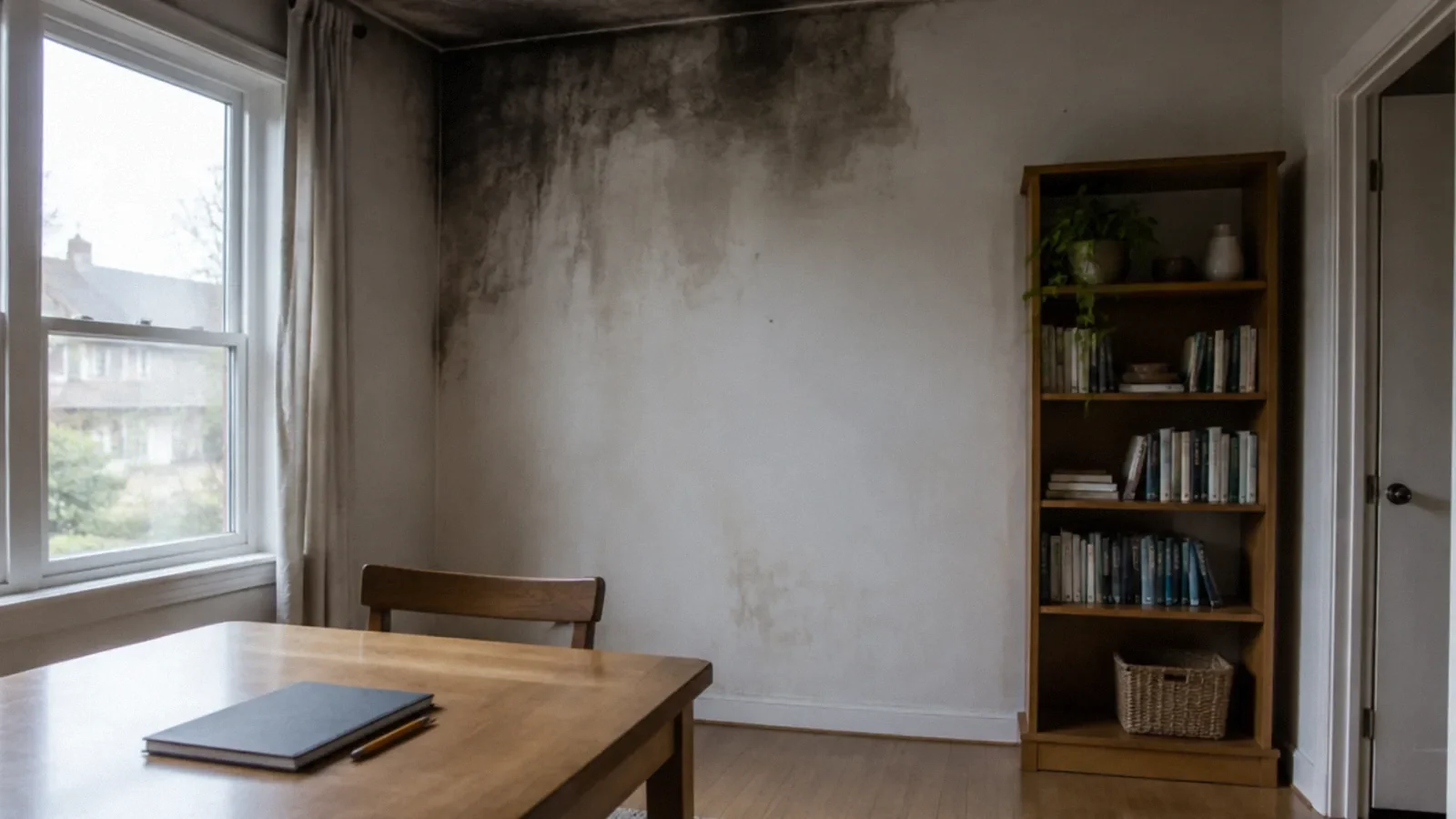
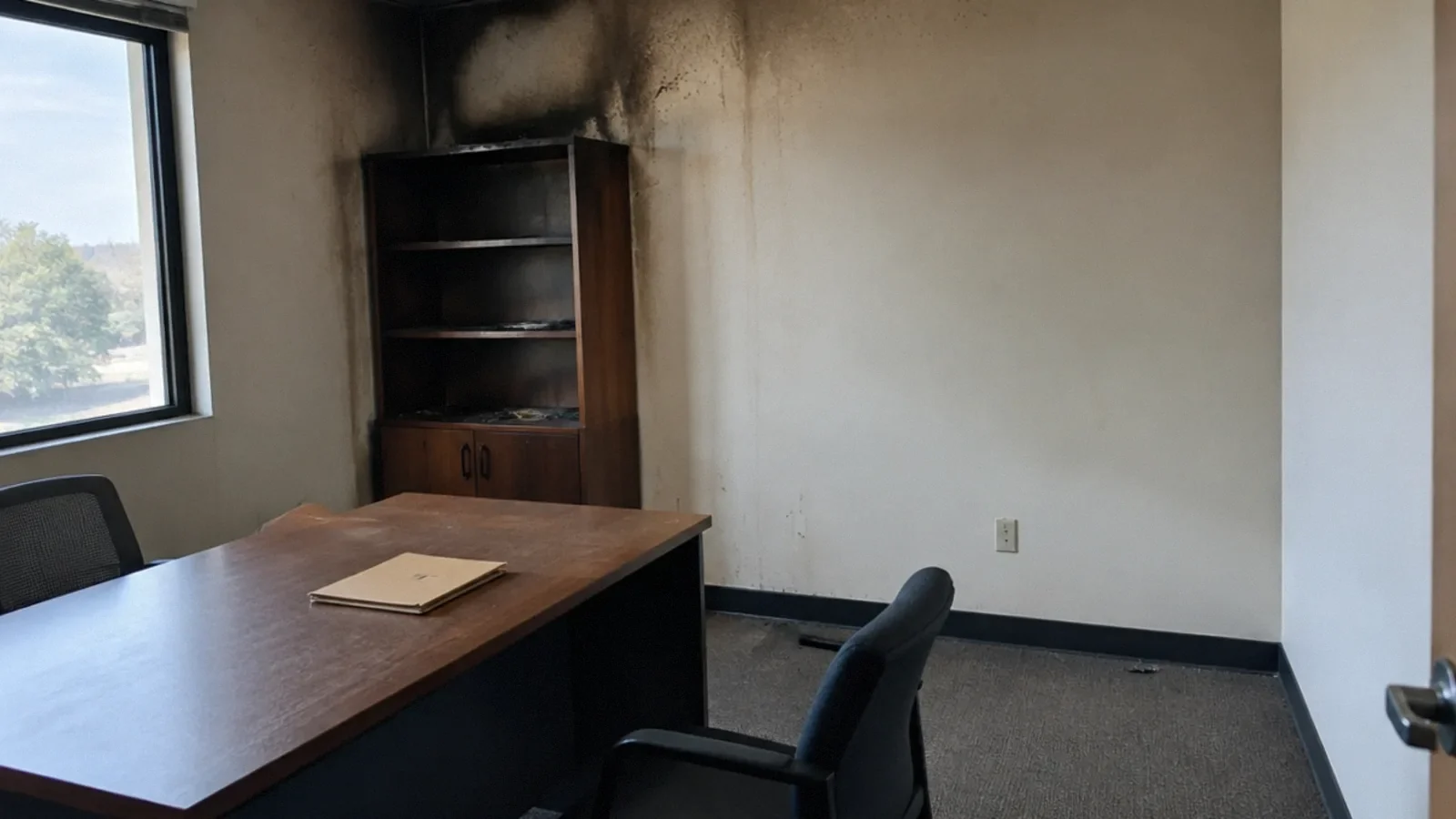
Do not enter a fire-damaged building until responders say it is safe. Heat, water from firefighting, damaged wiring, unstable materials and soot from burned contents can create hazards beyond the visible deposit. A large soot layer, oily residue, unknown chemicals or widespread damage is a job for a fire-restoration professional. Photograph affected flooring and contact your insurer before disposal or major work when it is safe to do so.
Keep children, pets and people sensitive to smoke away from cleanup. Wear gloves, eye protection and appropriate clothing; EPA recommends an N95 respirator for ash cleanup, but it does not protect against gases. If the source or safety of the residue is uncertain, stop rather than assuming that an ordinary dust mask makes the work safe.
Identify the flooring before choosing a cleaner
Wood, luxury vinyl, tile, stone, laminate and carpet react differently to moisture and chemicals. Find the manufacturer’s care instructions or identify the finish before cleaning. A product that works on sealed tile may discolor stone, soften a wood finish or seep through vinyl seams. Water used to extinguish a fire may already have reached the subfloor, so inspect for swelling, loose planks and damp edges.
Start with a small inconspicuous test and let it dry. If the finish transfers, becomes dull or changes color, stop. Do not use abrasive pads, strong solvents or a steam cleaner without explicit approval for the floor. A surface that appears intact after heat may still have hidden damage; ask a flooring specialist to inspect questionable areas.
Control loose soot first
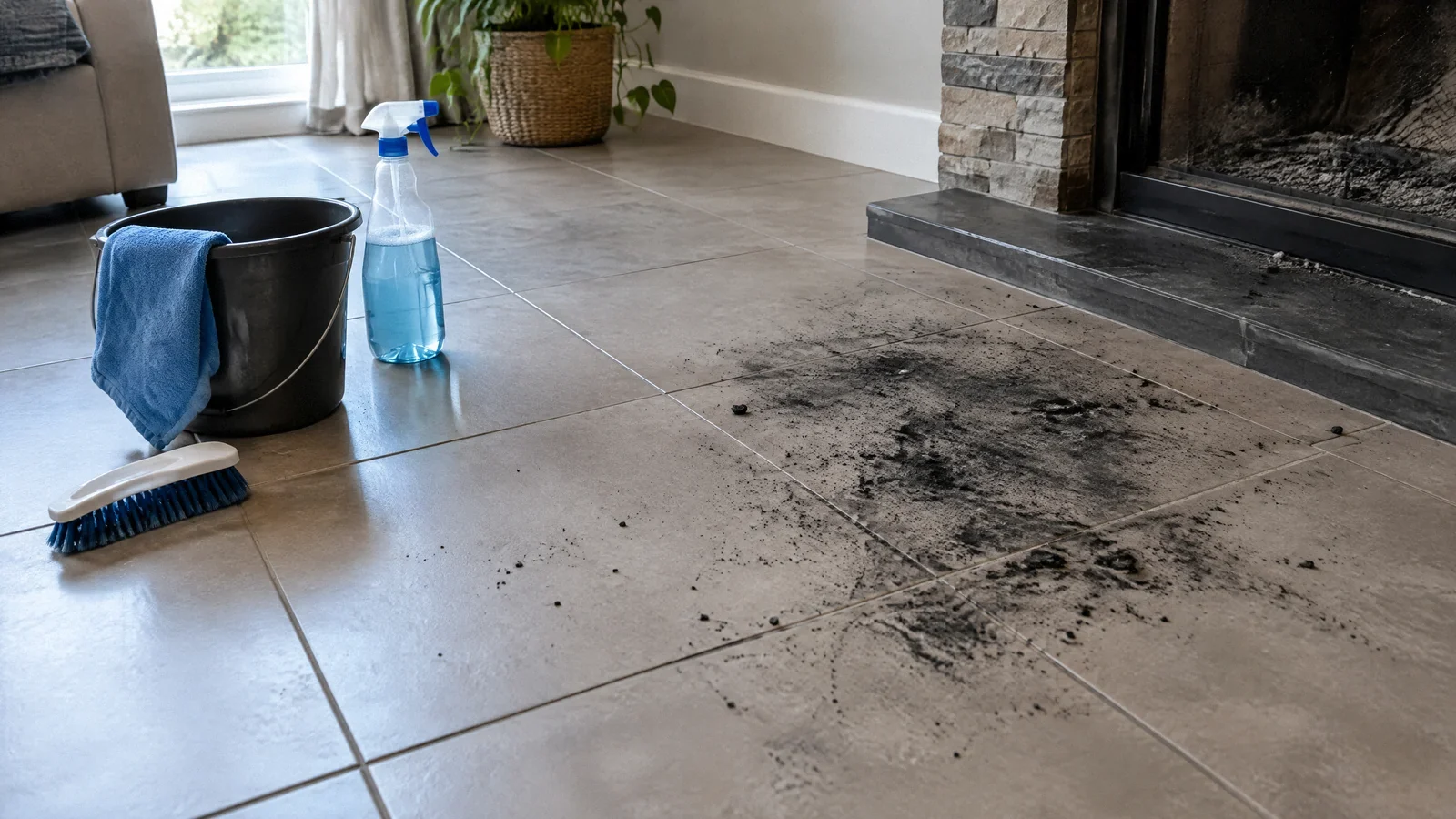
Avoid dry sweeping, shaking rugs indoors or blowing particles with a fan. EPA notes that ash can become airborne during cleanup and recommends damp wiping or wet mopping compatible hard surfaces with minimal water. If vacuuming dusty areas, use an appropriate HEPA-type vacuum. Use the attachment gently and avoid rubbing the deposit into a soft finish.
Work from cleaner areas toward the residue and protect adjacent rooms from tracked particles. Collect used disposable cloths and other debris as directed locally. If the material looks oily or smears immediately, a dry approach may be unsuitable; stop and seek professional advice rather than spreading the stain across a wider area.
Clean compatible hard floors
For a sound, washable hard floor with light residue, use a cleaner approved for the exact material. Apply a small amount to a cloth or mop rather than flooding the floor. Work in small sections, lift residue and replace or rinse the cloth frequently. Follow the cleaner’s instructions for rinsing and dry promptly. Do not mix chemicals. Keep dirty water away from baseboards, seams and porous adjacent materials.
On sealed tile, grout may hold residue differently from the tile face, so test both. On wood and laminate, use very little moisture and avoid standing water. For vinyl planks, avoid soaking joints even if the product is marketed as water resistant. Natural stone may require a specific pH-compatible product; follow its maker’s care directions. If staining remains after a gentle test, consult a floor or restoration professional rather than increasing abrasion.
Carpet, rugs and padding
Soot can settle into carpet fibers and be pressed deeper by shoes, brushes or wet cleaning. Keep traffic off the area. A HEPA-equipped vacuum held and used according to its instructions may remove some loose particles, but heavy residue, delicate rugs and valuable textiles need a specialist. Do not rub a black spot or immediately saturate it with detergent.
Firefighting water may carry soot into the backing and pad. A clean-looking pile does not prove those layers are dry or clean. Ask a professional to inspect the backing and subfloor; saturated or contaminated padding and heavily affected carpet may need removal. For an irreplaceable rug, consult a textile conservator before using a household extraction machine or stain treatment.
Handle odors and concealed damage
A smoke smell after visible soot is removed can come from baseboards, seams, underlayment, furnishings or another room. A fragrance does not remove the residue. Have the source assessed, especially when odor returns with warmth or airflow. A professional may need to lift flooring or inspect adjoining construction to determine the extent of fire and water damage.
Do not paint, seal or install new flooring over damp or contaminated material. Check manufacturer requirements for substrate condition and drying before repair. If older flooring or adhesive may contain asbestos, do not cut, scrape or disturb it before appropriate assessment. A superficial cleaning cannot establish that a concealed layer is safe to rebuild over.
Verify the result and prevent recontamination
Allow the floor to dry and inspect it in good light. Check a clean white cloth on a small treated area for transfer where the finish permits. Note any remaining discoloration, odor, loose finish or dampness. Keep records of the cleaning products and professional findings for the insurer. Repeat a gentle manufacturer-approved treatment only if it does not damage the floor.
Clean or isolate adjacent contaminated surfaces before returning rugs and furniture so particles are not tracked back onto the floor. If residue reappears, look for an untreated source or air movement carrying dust. Professional restoration is appropriate when the floor cannot be cleaned without damage or the water and smoke reached concealed layers.
Your next-step checklist
- Confirm safe entry and identify the floor material.
- Prevent soot from becoming airborne or being tracked.
- Test a compatible cleaner and control moisture.
- Inspect carpet backing, seams and subfloor when water or residue entered them.
Related questions
Can I sweep soot off a floor?
Avoid dry sweeping, which can put fine particles into the air. Use a suitable HEPA-type vacuum or a damp method appropriate to the surface.
Can I mop soot from wood flooring?
Only use the floor maker’s approved method and minimal moisture; test first and avoid standing water.
Does a clean carpet surface prove the pad is clean?
No. Soot and firefighting water can reach the backing and pad, which may need professional inspection or replacement.
Sources & context
Public guidance supports the principles in this article. The practical questions and examples are editorial interpretation, not a site assessment or a coverage decision. State-specific rules apply only where identified.
- Guidance for Those Returning to Areas Affected by Fire Damagegovernment
- Post-Fire Cleanup Guidancegovernment
- Wildfires and Indoor Air Qualitygovernment