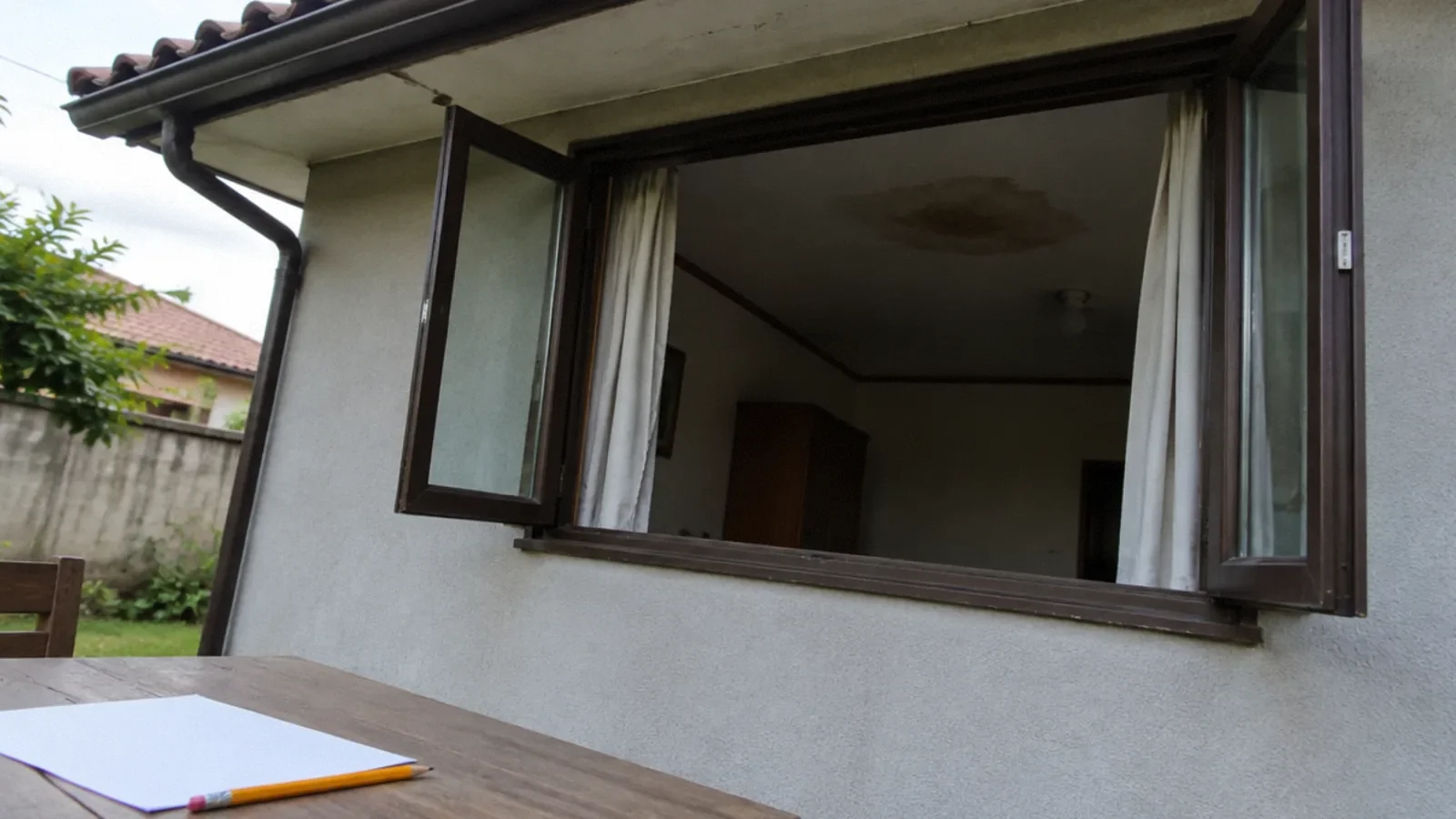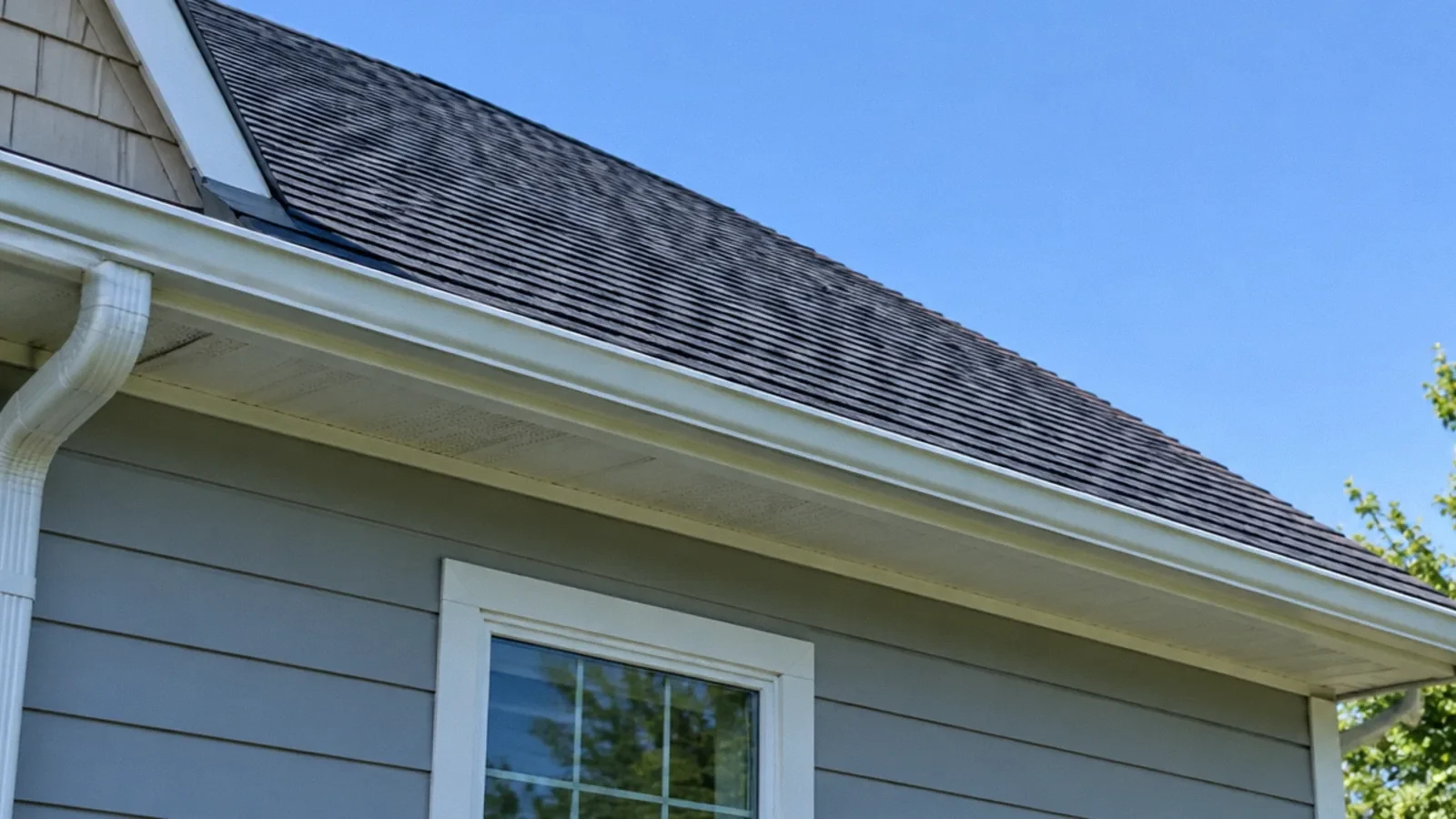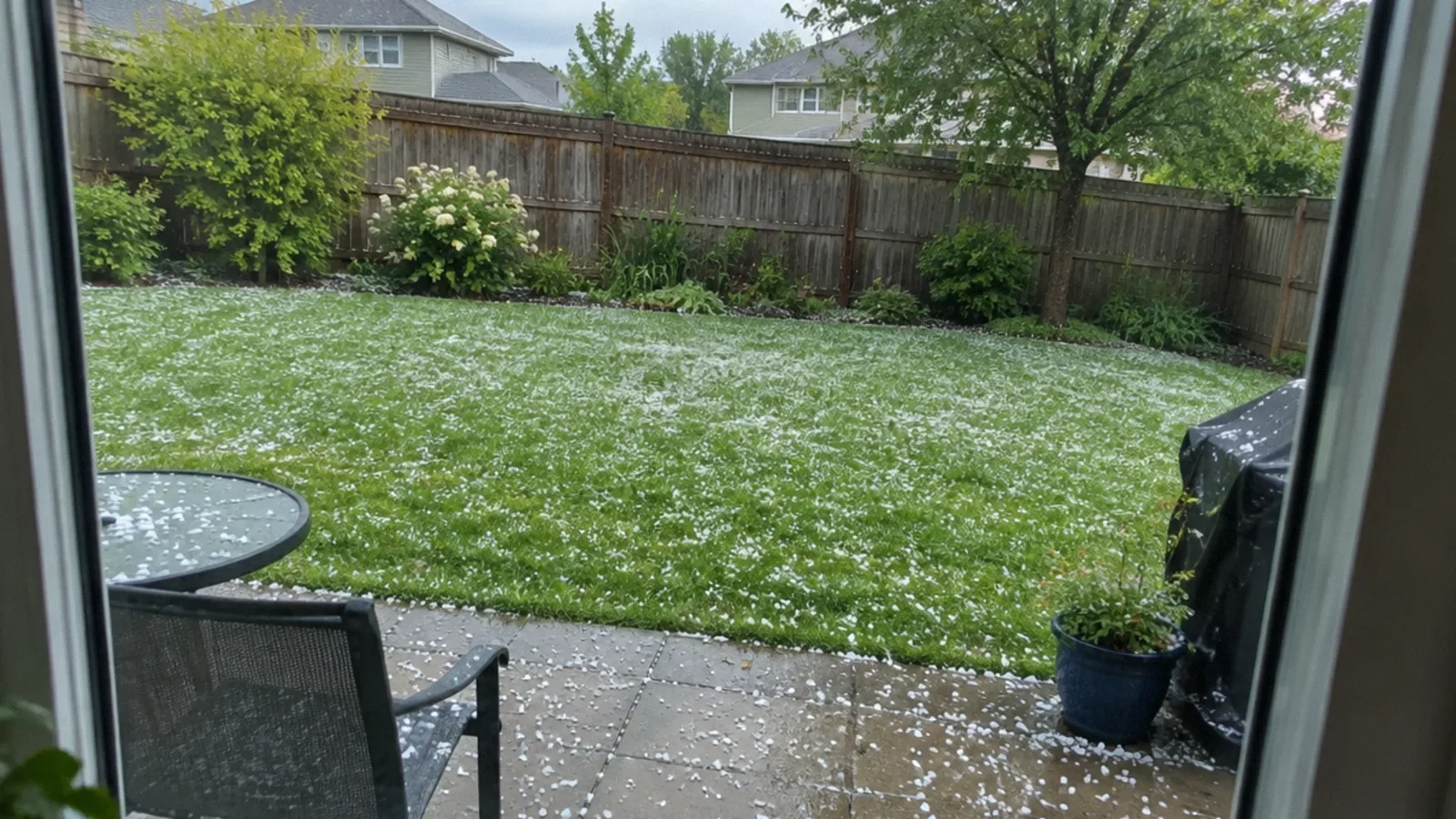
Go inside a substantial building before severe weather arrives and stay away from windows and exterior doors during hail. Do not go outside to protect property while the storm is active. Monitor official weather alerts, and wait until conditions are safe before checking for damage.
Shelter before the storm
A severe thunderstorm can bring hail, damaging wind, lightning and flooding at the same time. Monitor local National Weather Service alerts and move into a substantial building when severe weather approaches. Bring people and pets inside if there is time to do so safely.
The National Weather Service advises moving to a secure location and staying away from windows during severe thunderstorms. Identify the safest interior room in advance and keep a way to receive alerts available. A watch and a warning indicate different levels of urgency, so follow the specific alert.
Stay away from windows during hail
Hail can break glass and cause injury, especially when driven by wind. Move away from windows, skylights and exterior doors. Do not go outside to move a vehicle, cover plants or inspect the roof while hail or lightning is occurring.
Close blinds or shades if you can do so before the storm becomes dangerous, but do not stand at a window to watch the hail. A sturdy interior room offers better protection than a porch, open garage or small outdoor shelter. Follow local emergency instructions for other simultaneous hazards.
Lightning is a separate danger
The National Weather Service says no place outside is safe when thunderstorms are nearby. If you hear thunder, go to a substantial building or a fully enclosed metal-topped vehicle with windows closed. Remain sheltered for at least 30 minutes after the last thunder.
While indoors during a thunderstorm, avoid plumbing and corded electrical equipment, and stay off porches and away from exterior doors and windows. A mobile phone or cordless phone can be used indoors. Do not unplug equipment during an active thunderstorm.
If you are driving or outdoors
If severe weather is approaching and there is sufficient time, move to a nearby substantial shelter. The National Weather Service notes that an enclosed vehicle is safer than being outside during a severe thunderstorm, but a sturdy building is the better destination when it can be reached safely.
Do not shelter under an isolated tree, which can fall or be struck by lightning. If driving, avoid flooded roads and follow official warnings; do not stop in a travel lane or under an unsafe structure. If you cannot safely reach a building, remain in the enclosed vehicle until conditions allow safe movement.
Wait before checking the property
Stay inside until hail and the storm have passed and lightning guidance allows safe exit. Watch for broken glass, fallen branches, downed power lines and slippery surfaces. Stay away from any fallen wire and report it to the utility or emergency services.
Do not climb onto a wet or damaged roof. Inspect visible areas from the ground or another safe location and call a qualified roofer for closer assessment. An apparently minor mark does not establish whether roofing, flashing or windows were damaged.
Limit water entry safely
If a window breaks or the roof leaks, keep people away from broken glass, sagging ceilings and water near electrical equipment. Temporary protection can reduce further damage, but do not risk injury to cover an opening. Use qualified help when a roof or electrical hazard is involved.
Document damage from a safe location and keep receipts for reasonable emergency work. The California Department of Insurance advises protecting property from additional loss without risking personal safety. A contractor can explain the temporary and permanent work in separate scopes.
Insurance and repair records
Record when the storm occurred, what you observed and which rooms or items were affected. Notify the insurer or property manager and ask how to submit photographs and estimates. Coverage, deductibles and exclusions depend on the policy and the cause of damage.
Avoid signing a broad repair authorization before understanding its payment and cancellation terms. Verify a contractor’s license and insurance and ask for a written scope. If hidden water damage is found later, ask how a supplemental estimate will be reviewed.
Prepare for future storms
Choose an interior shelter location, keep a flashlight and charged communication device available, and maintain a way to receive weather alerts. Discuss the plan with household members and include pets. Do not wait for hail to begin before deciding where to go.
Maintain the roof and drainage system and investigate existing leaks. When a roof is due for replacement, ask a qualified roofer about appropriate impact-resistant products for the location and applicable requirements. No roof product makes it safe to be outside during a hailstorm.
When hail season varies by region
Hail timing depends on local storm patterns. In the National Weather Service Cheyenne forecast area of southeast Wyoming and western Nebraska, reports peak in June, with a secondary maximum in late July. In Georgia, the peak severe-thunderstorm season is March through May, with a possible secondary peak in September and October. These are regional patterns, not a forecast for another location; severe storms can occur outside peak months. Follow local alerts throughout the year.
Your next-step checklist
- Move into a substantial building.
- Stay away from windows, skylights and doors.
- Do not go outside to protect property during the storm.
- Follow lightning and other official weather alerts.
- Inspect damage only after conditions are safe.
Related questions
Where should I go during a hail storm?
Shelter inside a substantial building, away from windows and exterior doors, and follow National Weather Service alerts.
Can I go outside to cover my car during hail?
Do not go outside during an active hailstorm or thunderstorm to protect property. Personal safety comes first.
How long should I wait after thunder?
The National Weather Service advises staying in safe shelter at least 30 minutes after the last sound of thunder.
Should I climb on the roof to check hail damage?
No. Avoid wet or damaged roofs and use a qualified roofer for an inspection when conditions are safe.
When is hail season?
Timing varies by region. NWS reports a June peak in its Cheyenne forecast area and a March–May severe-thunderstorm peak in Georgia; hail and severe storms can occur outside local peaks. Follow local forecasts year-round.
What should I do if hail hits my home?
Stay inside away from windows during the storm and follow weather warnings. After it passes, inspect from a safe position and arrange qualified help for damaged roofing or electrical hazards.
Sources & context
Public guidance supports the principles in this article. The practical questions and examples are editorial interpretation, not a site assessment or a coverage decision. State-specific rules apply only where identified.
- National Weather Service: During severe weatherfederal weather safety guidance
- National Weather Service: Lightning safetyfederal weather safety guidance
- National Weather Service: Hail storm safetyfederal weather safety resource
- California Department of Insurance: Residential property claimsstate consumer guidance
- National Weather Service: Severe weather climatologyfederal weather climatology
- Official guidanceofficial
- Official guidanceofficial