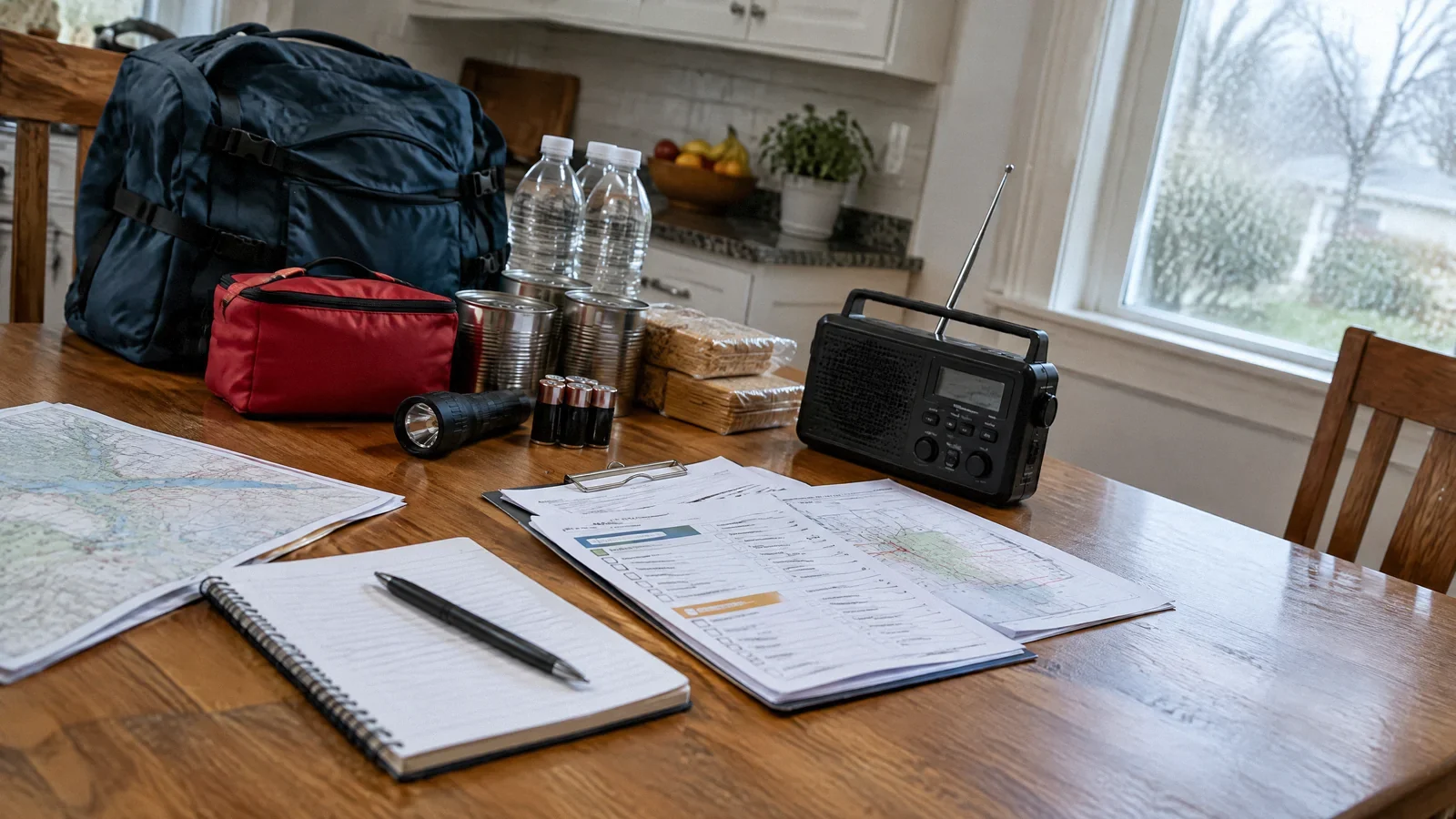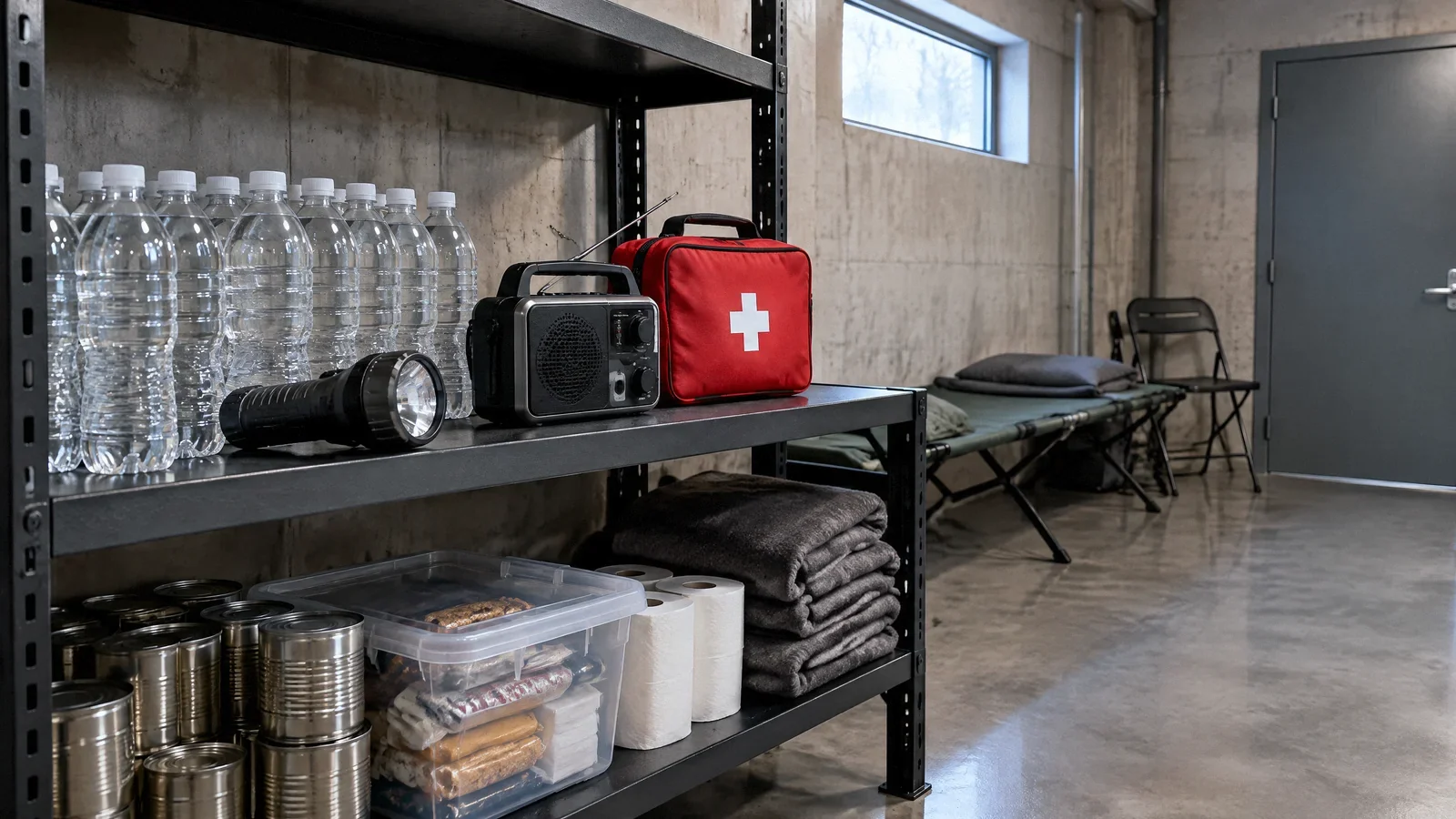
Keep a compact tornado shelter kit where you can reach it quickly: water, a flashlight, weather radio, batteries, first aid, medications, sturdy shoes and supplies for each person and pet. Refresh it regularly and seek shelter immediately when warned.
Start with warning and light
A shelter kit should help the household receive information and cope with a power outage. Include a battery-powered or hand-crank radio capable of receiving local weather information, a flashlight or headlamp, and compatible spare batteries. Store a charged power bank and charging cable for each essential phone. Test the radio in the actual shelter; a below-ground location may affect reception, so determine a backup way to receive warnings.
A whistle can help signal for assistance if an exit is obstructed. Keep sturdy shoes and protective headwear available for each person, including children. Avoid candles or open flames in a confined shelter. The immediate priority during a warning is to get to the safest available place, not to search the house for a perfect kit.
Water and food for more than the warning
A tornado warning may last a short time, but power and water service can be disrupted afterward. Ready.gov recommends planning for at least one gallon of water per person per day for several days, with additional water for individual needs. Include nonperishable food and a manual can opener if needed. Store amounts that fit safely in the shelter, and keep a larger emergency supply nearby if space is limited.
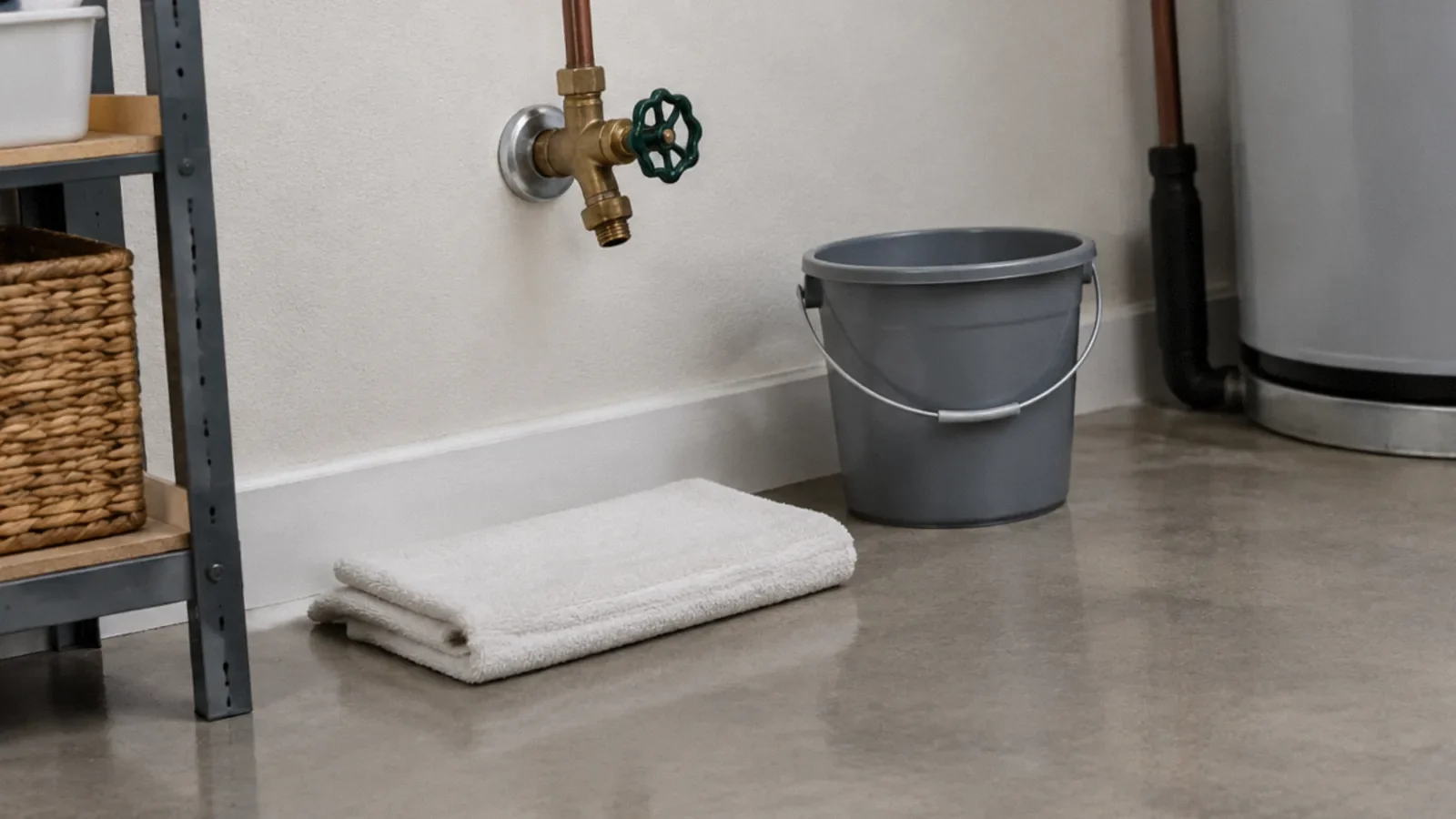
Use commercially bottled water or store water according to public health guidance, and check dates and container condition. Include utensils and any special dietary needs. Heat, freezing, and pests can damage stored supplies, so choose suitable containers and replace items according to their instructions. Never block the exit with heavy water cases or shelving.
Health, sanitation and personal needs
Pack a first aid kit and an up-to-date list of medications, allergies, emergency contacts, and medical equipment needs. Work with a healthcare professional or pharmacist on a practical emergency supply of prescription medication; storage temperatures and refill rules vary. Include eyeglasses, hearing aid batteries, mobility aids, and charging provisions as needed. A basic kit cannot replace required medical care or a plan for electrically powered equipment.
Add hand sanitizer or wipes, tissues, menstrual supplies, diapers, waste bags, and other personal hygiene items suited to the household. For infants, include formula or food and feeding supplies. For pets, include water, food, a leash or carrier, and any medication. Keep copies of essential documents in a waterproof container without making sensitive personal information unnecessarily accessible.
Comfort, protection and access
Keep blankets, seasonally appropriate clothing, and a small familiar activity for children if space allows. A helmet or other head protection and a sturdy covering can help protect against falling or flying debris. Select items that fit your shelter and do not interfere with doors, ventilation openings, or the ability to move. A shelter designed for a limited number of occupants must not be overloaded with supplies.
Place the kit in a container that can be opened quickly in low light. If the designated shelter is outside the home, decide what can safely remain there and what must be carried. Someone who uses a wheelchair or needs assistance should practice the route and identify a helper and alternate. Make sure children and caregivers know where the kit and shelter are located.
Maintain a practical checklist
Review the kit at least twice a year and whenever household needs change. Check expiration dates, radio reception, batteries, medication, water containers, and clothing sizes. Replace used or damaged items promptly. Keep a written inventory and the next review date with the kit. A short drill will reveal whether the path is clear and whether the supplies can be reached without delaying shelter.
Use the kit alongside a tornado plan that identifies the best available shelter, warning sources, and a way to contact family after the event. If the home is a mobile or manufactured home, arrange a sturdier shelter and move there early when conditions warrant. A stocked kit cannot make an unsafe structure or a vehicle safe during a tornado.
Keep the most urgent supplies together so they can be reached without searching through boxes. If the family uses a shared shelter, mark personal medical items clearly and confirm its storage policy. After using the kit, replace depleted batteries, water, and first aid items rather than waiting for the next scheduled review.
Your next-step checklist
- Store light, radio, water and first aid supplies.
- Include individual medical, child and pet needs.
- Check the kit and route regularly.
Related questions
How much water should I store?
Ready.gov recommends at least one gallon per person per day for several days; individual needs can be greater.
Should I gather supplies after a warning?
Do not delay taking shelter to collect them. Keep the essentials accessible in advance.
Sources & context
Public guidance supports the principles in this article. The practical questions and examples are editorial interpretation, not a site assessment or a coverage decision. State-specific rules apply only where identified.