Plan a safe shelter in advance and move there early when conditions warrant. During a tornado warning, seek the best available shelter immediately rather than beginning a long evacuation drive; follow local alerts and instructions.
Choose shelter before a storm
A tornado evacuation plan begins with deciding where to shelter at home, work, school, and other regular locations. A purpose-built safe room or storm shelter is a strong option when available. Otherwise identify a basement or a small interior room on the lowest floor of a sturdy building, away from windows. Avoid large open rooms, mobile homes, and vehicles when a safer sturdy shelter can be reached.
If you live in a mobile or manufactured home, identify a nearby sturdy shelter and how to reach it before severe weather arrives. Determine whether the shelter is open, accessible, and available at night. A warning may leave very little time, so moving early when a watch and local conditions make that prudent can be safer than waiting for the tornado to be close.
Understand the decision to move
A tornado watch means conditions are favorable for tornadoes; stay alert and be ready to act. A warning means a tornado has been sighted or indicated by radar and you should seek shelter immediately. Local alerts may contain more specific instructions. Do not wait for a siren if you receive a warning by another reliable channel or see an approaching tornado.
The word evacuation can be misleading during an imminent tornado. Driving away at the last minute can leave people exposed in a vehicle or traffic. The National Weather Service advises seeking a safe building immediately. Plan any relocation to a sturdier structure in advance, and identify the best available nearby refuge if you cannot reach the planned shelter safely.
Assign roles and make access practical
Write down who alerts the household, assists children or people with mobility or sensory needs, brings necessary medications, and checks that pets are accounted for when time allows. Identify a backup person for each essential role. Practice getting to the shelter from bedrooms and common spaces, including at night and during a power outage. Keep the path clear and make sure doors can be opened from both sides as intended.
For workplaces and community facilities, designate a shelter area, an accessible route, and an alternate contact for visitors. Follow the facility’s emergency plan rather than blocking corridors or using elevators during a warning. Large rooms with wide roofs and windows are poor choices. If a person needs assistance moving, arrange it in advance rather than improvising when the alert arrives.
Warnings, communication and supplies
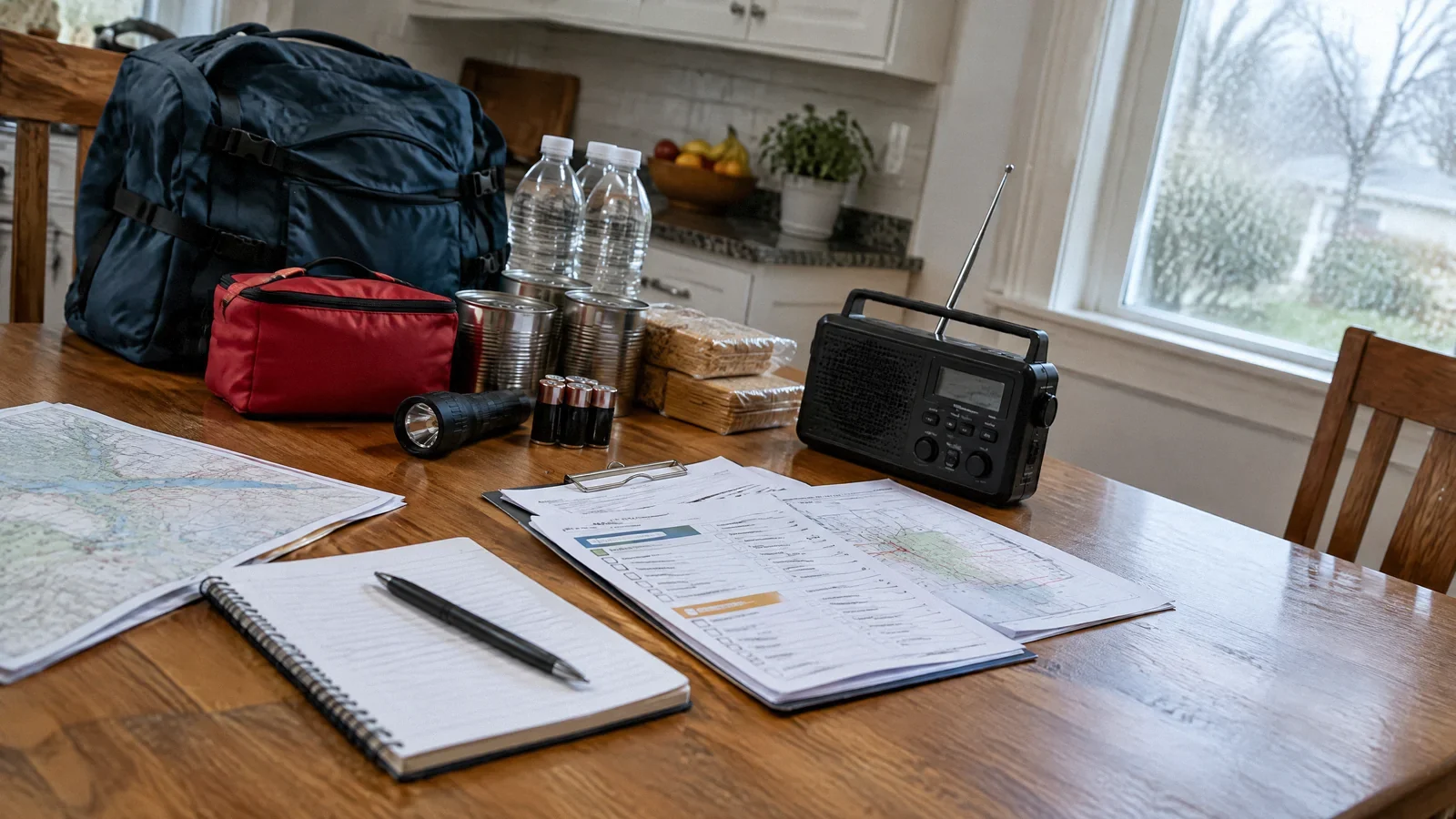
Use more than one way to receive warnings, such as a phone alert and a weather radio with backup power. Know the local area named in alerts. Choose an out-of-area contact and a meeting point for after the danger passes, and share the plan with caregivers. Text messages may be useful when voice networks are congested, but no channel is guaranteed. Keep important numbers available without a phone connection.
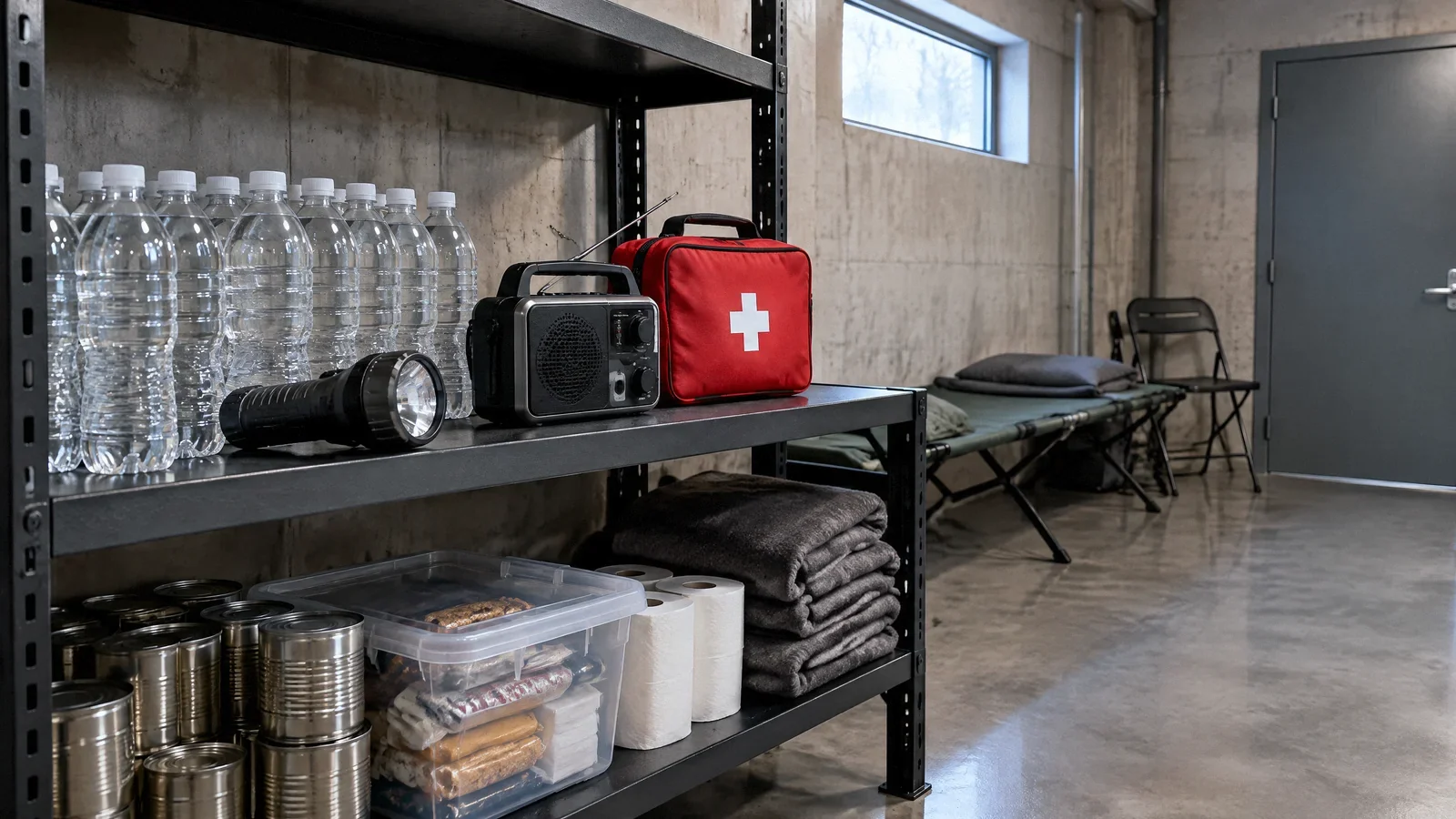
Store a flashlight, radio, batteries, water, first aid supplies, necessary medication, and sturdy shoes in or near the shelter. Include supplies for children, pets, and accessibility needs. A helmet or other head protection can help guard against debris when available. Do not delay immediate shelter to collect possessions from another room.
Practice and recover safely
Run a short drill with everyone involved and correct any access problems it reveals. Review the plan when people move, work schedules change, a shelter closes, or a household member’s needs change. Check that the shelter can accommodate everyone and that stored supplies are usable. An emergency kit supports the plan but does not turn an unsafe structure into a safe shelter.
Remain sheltered until the warning has passed and local authorities indicate conditions permit leaving. Watch for broken glass, unstable structures, downed power lines, gas leaks, and other hazards afterward. Do not enter a damaged building until officials say it is safe. Contact emergency services for urgent hazards and let the designated contact know you are safe.
If a public shelter is part of the plan, check its hours, pet policy, accessibility, and travel time before severe weather season. Agree on an alternative if the entrance is closed or the route is flooded. These details can change; check with the shelter operator instead of assuming that a location shown on an old map will be open.
Your next-step checklist
- Choose a sturdy shelter and accessible route.
- Set up more than one warning method.
- Practice the plan with everyone involved.
Related questions
Should I drive away during a warning?
Seek the best available nearby shelter immediately. Plan any move to a sturdier building before the storm threatens.
Where should I shelter without a basement?
Use a small interior room on the lowest floor of a sturdy building, away from windows, following local instructions.
Sources & context
Public guidance supports the principles in this article. The practical questions and examples are editorial interpretation, not a site assessment or a coverage decision. State-specific rules apply only where identified.