A septic alarm or warning light indicates a condition that needs attention, but its meaning depends on the system. High water, a pump or control problem and other conditions are possible. Reduce water use, avoid sewage and electrical hazards, and contact a qualified septic professional. Never open or enter a septic tank to investigate.
Read the warning without entering the tank
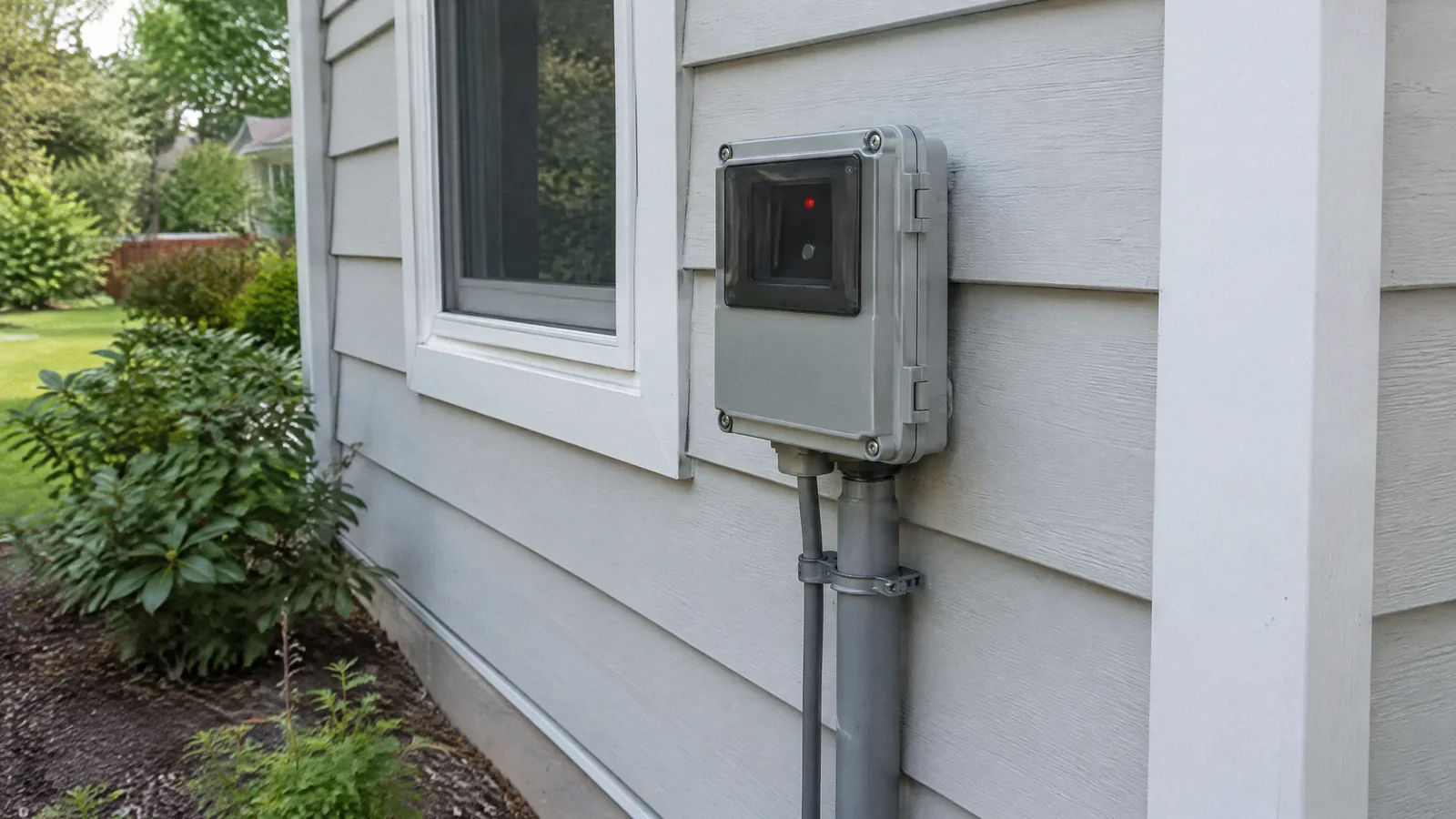
A septic system may use an audible alarm, a light or both. Some controls signal a high or low liquid level; others indicate a pump, power or equipment fault. A red light without sound can still require attention. The exact meaning depends on the model and the system’s design.
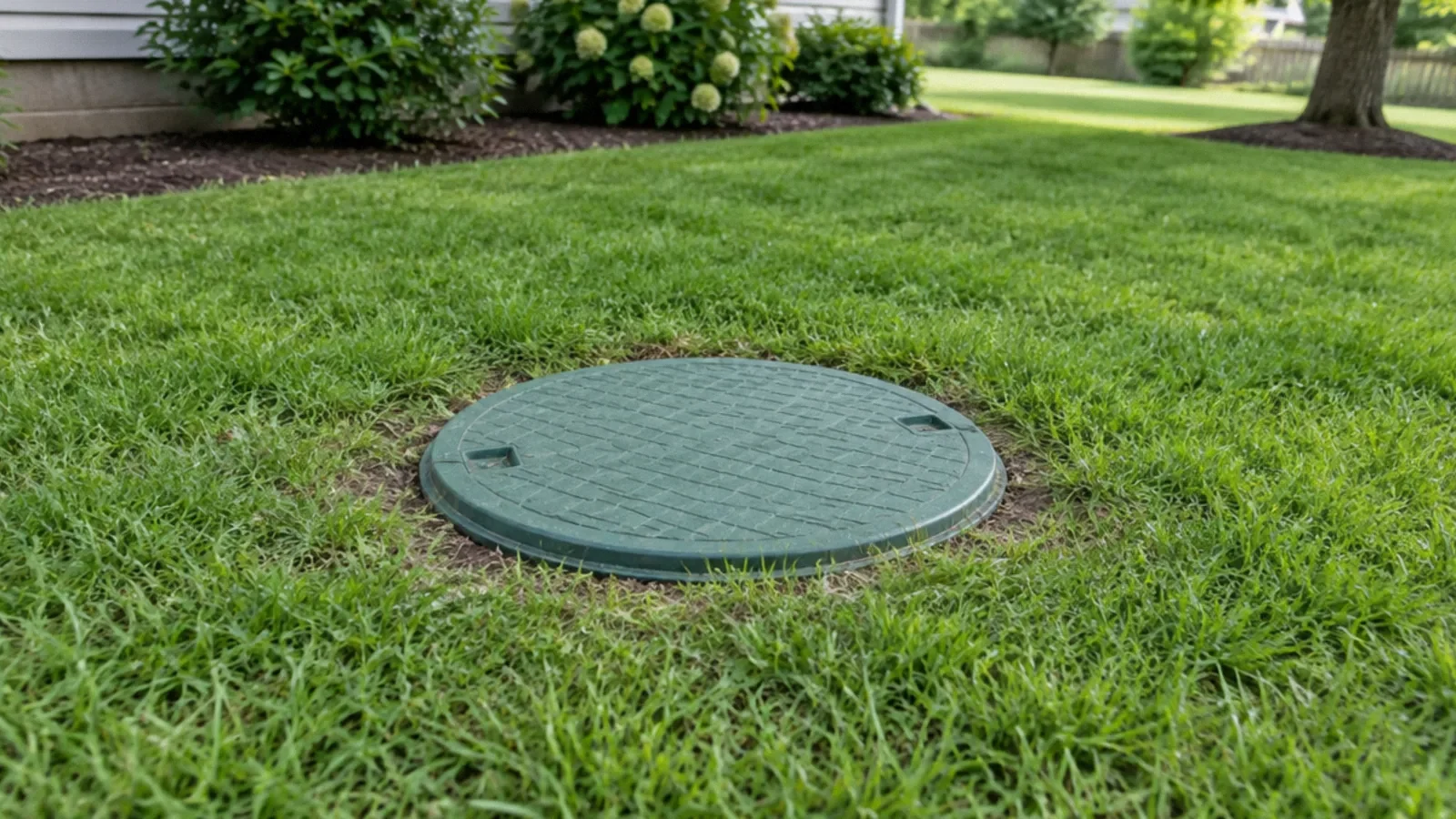
Check the instructions or service information only from a safe location. Do not open a tank lid, reach into a pit or enter a confined space. Septic gases and low oxygen can be deadly, and a warning light cannot tell you whether the atmosphere is safe.
Reduce water use and call for help
Limit nonessential water use while the system is being assessed. Delay laundry, dishwashing and other high-volume activities if practical, and avoid adding water when drains are backing up. Contact the septic service provider or property manager and describe the alarm.
If sewage is surfacing or backing into the home, keep people and pets away and avoid contact. Contact the appropriate local health or wastewater authority for guidance. If there is an immediate electrical or other emergency, move to safety and call emergency services.
Possible causes of an alarm
A high-water condition may follow a pump failure, a blocked discharge, heavy inflow, a power interruption or another system problem. A low-level or control alarm can have different causes. Heavy rain may affect a system, but the weather alone does not establish why an alarm activated.
Do not assume that the tank simply needs pumping or that a quiet alarm means the problem has resolved. A qualified provider can inspect the tank, pump, controls and drainfield as appropriate. The system’s service history and any recent power outage can help.
Silencing is not repairing
Some alarm panels have a silence feature that stops an audible signal while leaving a visual warning. If the manufacturer’s instructions clearly describe a user-accessible silence control, using it does not fix the underlying condition. Note the time and contact the service provider.
Do not disable the alarm, open an electrical enclosure, bypass a control or repeatedly reset equipment to make the warning disappear. If the panel is wet, damaged or unsafe to approach, stay away and ask qualified personnel for assistance.
Water, electricity and sewage
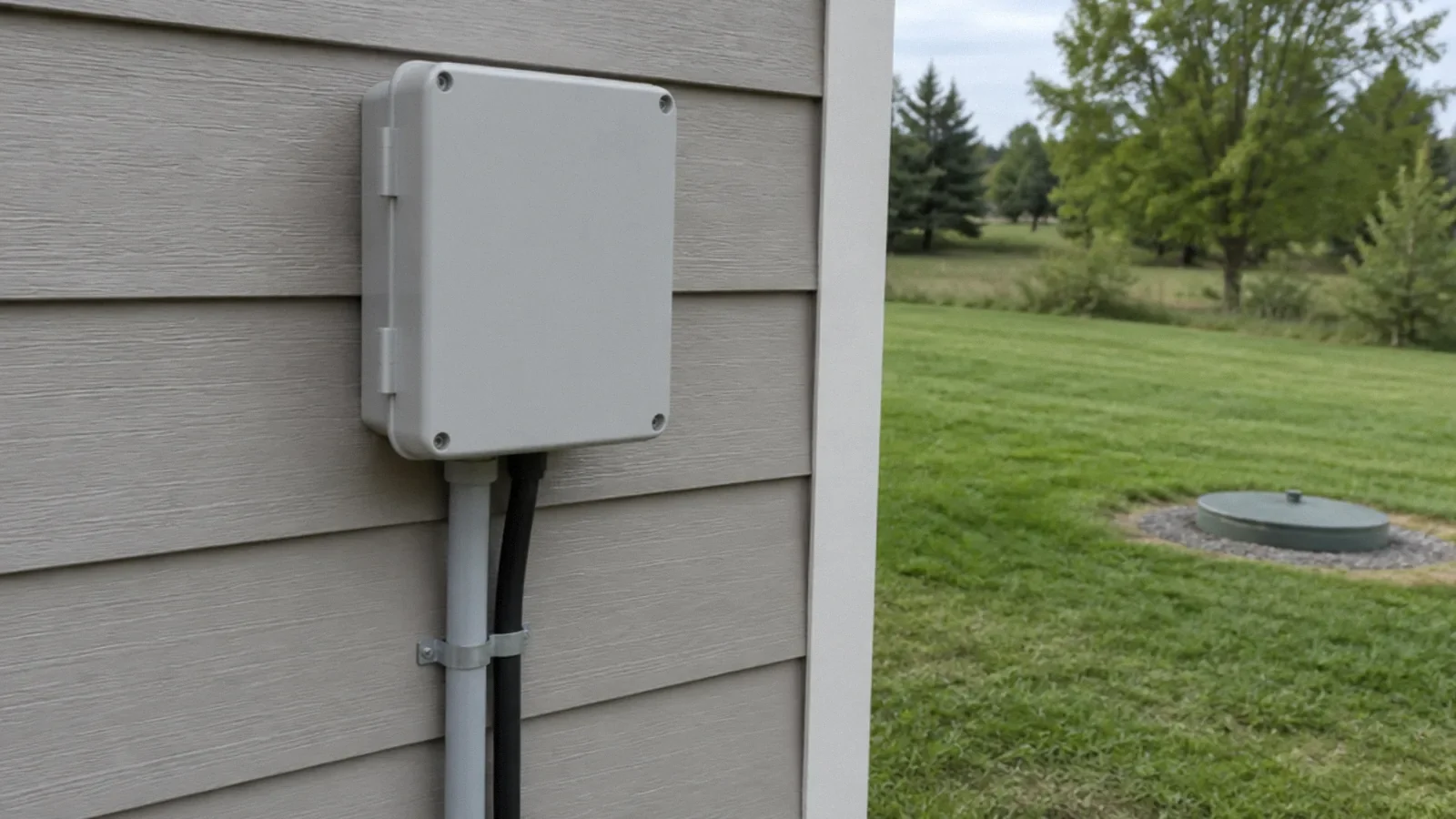
Septic pumps and control systems may use electricity in damp areas. Never handle wet wiring, cords, panels or switches. Avoid standing water near electrical equipment and do not enter a flooded area to reach a control. A qualified electrician or septic professional can establish safe access.
Sewage can contain harmful microorganisms. Do not touch, sweep or pump it into another area without an appropriate cleanup plan. A restored pump does not automatically clean contaminated flooring or belongings; those materials need separate assessment.
What to tell the service provider
Provide the alarm’s light and sound pattern, when it began, recent rain or power interruptions, unusual drain behavior and the system model if available from records. Mention any sewage backup or wet ground. Do not enter an unsafe area to read a label.
Ask whether the visit includes inspection, pumping if necessary, electrical diagnosis, repair, disposal and a written report. The required work depends on the finding. Request an explanation before approving additional services when the situation allows.
After the problem is corrected
Ask what caused the alarm, what was repaired and whether the warning system was tested according to its instructions. Obtain the service report and record the next inspection date. If the alarm returns, reduce water use again and contact the provider rather than repeatedly silencing it.
If sewage or water entered the building, document damage when safe and arrange appropriate cleanup and drying. Contact the property manager or insurer when relevant. A cleared warning is not proof that every affected building material is dry or clean.
Maintenance and preparation
EPA generally recommends septic inspections every one to three years and pumping every three to five years, depending on the system and use; mechanical systems may need more frequent attention. Follow the specific provider and local health authority’s requirements.
Keep the service company’s contact information, system records and alarm instructions accessible. Maintain secure tank lids and protect the drainfield. Planning ahead makes it easier to report a warning without approaching unsafe equipment or waiting for a backup.
Septic alarm or sewage ejector alarm?
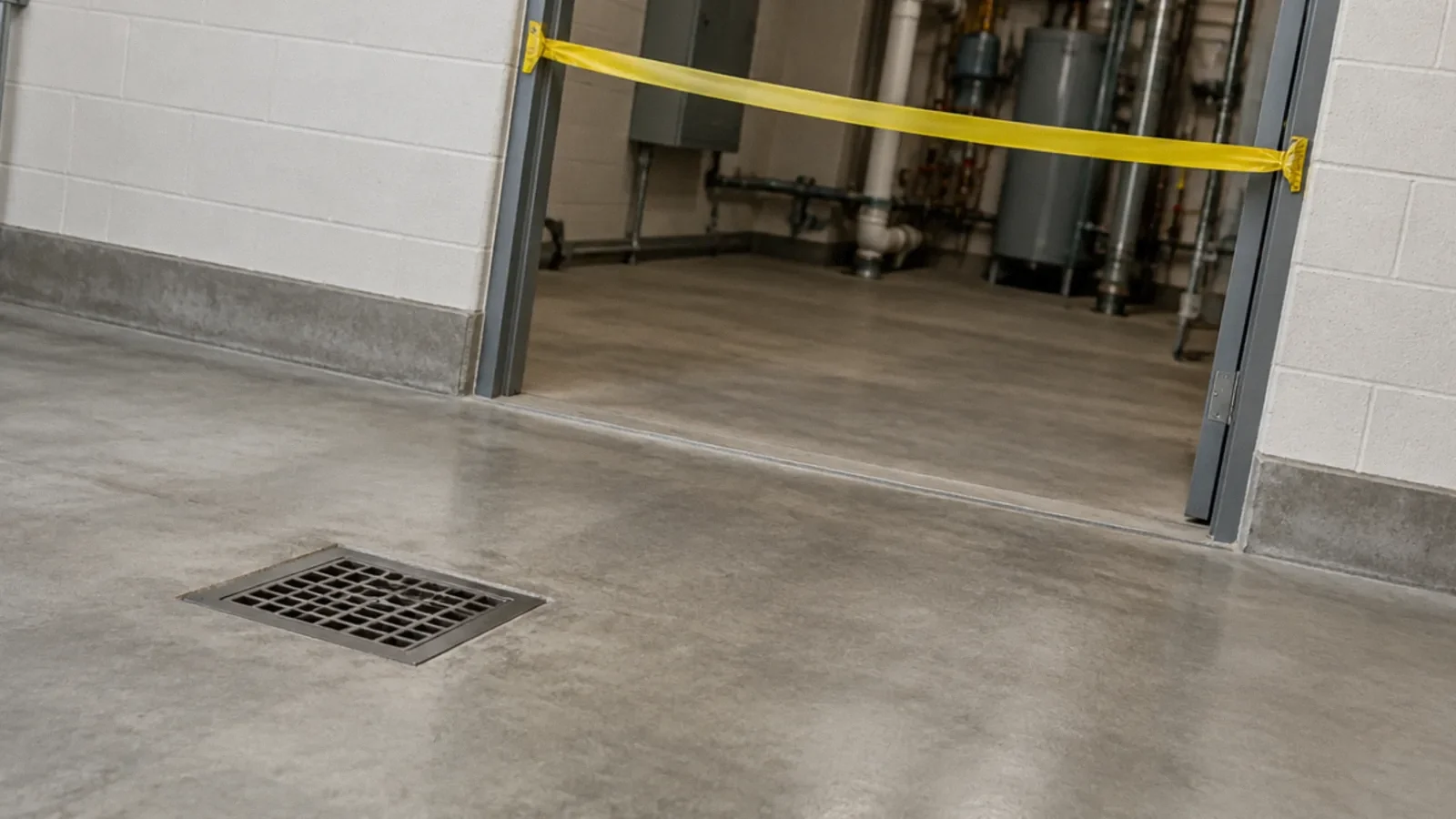
A septic system treats household wastewater onsite; an alarm may signal a high level in a pump chamber. A sewage ejector pump, by contrast, may lift wastewater from a basement fixture to a higher building drain and can serve either a public sewer connection or a septic system. The sound alone cannot identify the equipment. Read the accessible panel label and describe its location when calling.
Reduce use of affected fixtures and contact a septic service provider for an onsite septic alarm. For a building sewage ejector alarm, contact a plumber experienced with sewage ejectors; if you are unsure, describe the setup and ask who should respond. Keep clear of sewage and electrical hazards. Never open a tank or pit or enter it. For symptoms and professional assessment of a pump or float when there is no alarm, see the septic pump failure symptoms and float switch problems guide.
Your next-step checklist
- Reduce nonessential water use.
- Keep away from sewage, wet electrical equipment and tank openings.
- Contact a qualified septic service provider.
- Do not disable the alarm or repeatedly reset controls.
- Keep the service report and follow-up schedule.
Related questions
Why is my septic alarm going off?
A high or low level, pump, power or control issue may be involved. The meaning depends on the system and needs professional assessment.
What if the red light is on but the alarm is silent?
A visual warning may still indicate a problem. Check the model instructions from a safe location and contact the service provider.
Can I silence the alarm?
If a user-accessible silence feature is described in the manufacturer’s instructions, it may stop the sound but does not repair the cause. Arrange service.
Can I open the septic tank to investigate?
No. Tanks can contain deadly gases and low oxygen. Leave access and inspection to trained professionals.
How can I tell if my septic pump is working?
An alarm or backup may indicate a problem, but it does not identify the failed component. A qualified septic professional can test the pump and controls safely.
What if a sewage pump alarm sounds?
A sewage ejector or lift pump alarm can have different causes from a septic alarm, including a high liquid level or equipment problem. Reduce connected water use, avoid opening the pit and contact the appropriate qualified service provider. Follow the equipment instructions.
Sources & context
Public guidance supports the principles in this article. The practical questions and examples are editorial interpretation, not a site assessment or a coverage decision. State-specific rules apply only where identified.
- U.S. EPA: Resolving septic system malfunctionsfederal guidance
- U.S. EPA: Septic system control panelsfederal technical guidance
- U.S. EPA: Frequent questions on septic systemsfederal guidance
- EPA: Resolving septic system malfunctionsfederal guidance