EPA says a household septic tank should generally be inspected every 1–3 years and pumped every 3–5 years. The actual interval depends on tank size, household use, solids accumulation and system design. A qualified septic professional should set a schedule for the property; never open or enter a septic tank yourself.
Start with the general interval
EPA’s septic system guidance gives a general inspection interval of one to three years and a pumping interval of three to five years. These are starting points, not a guarantee that every tank can wait the same length of time. Some alternative systems with pumps or mechanical parts require more frequent attention.
If the system’s history is unknown, contact a qualified septic service professional rather than guessing from the age of the house. Ask for an inspection and a schedule based on the actual tank, use and local requirements. Keep the system’s permit and service records available.
Why household size and tank volume matter
A larger household can produce more wastewater and solids, while tank capacity affects storage volume. However, a family of two or a 1,500-gallon tank does not have one universal pumping interval. Water use, solids, disposal habits and the system’s design also affect the recommendation.
A professional can review previous pumping records and assess accumulated material. Ask what was measured, what the findings mean and when the next inspection should occur. Avoid extending the interval solely because a tank is large or the household is small.
Inspection versus pumping
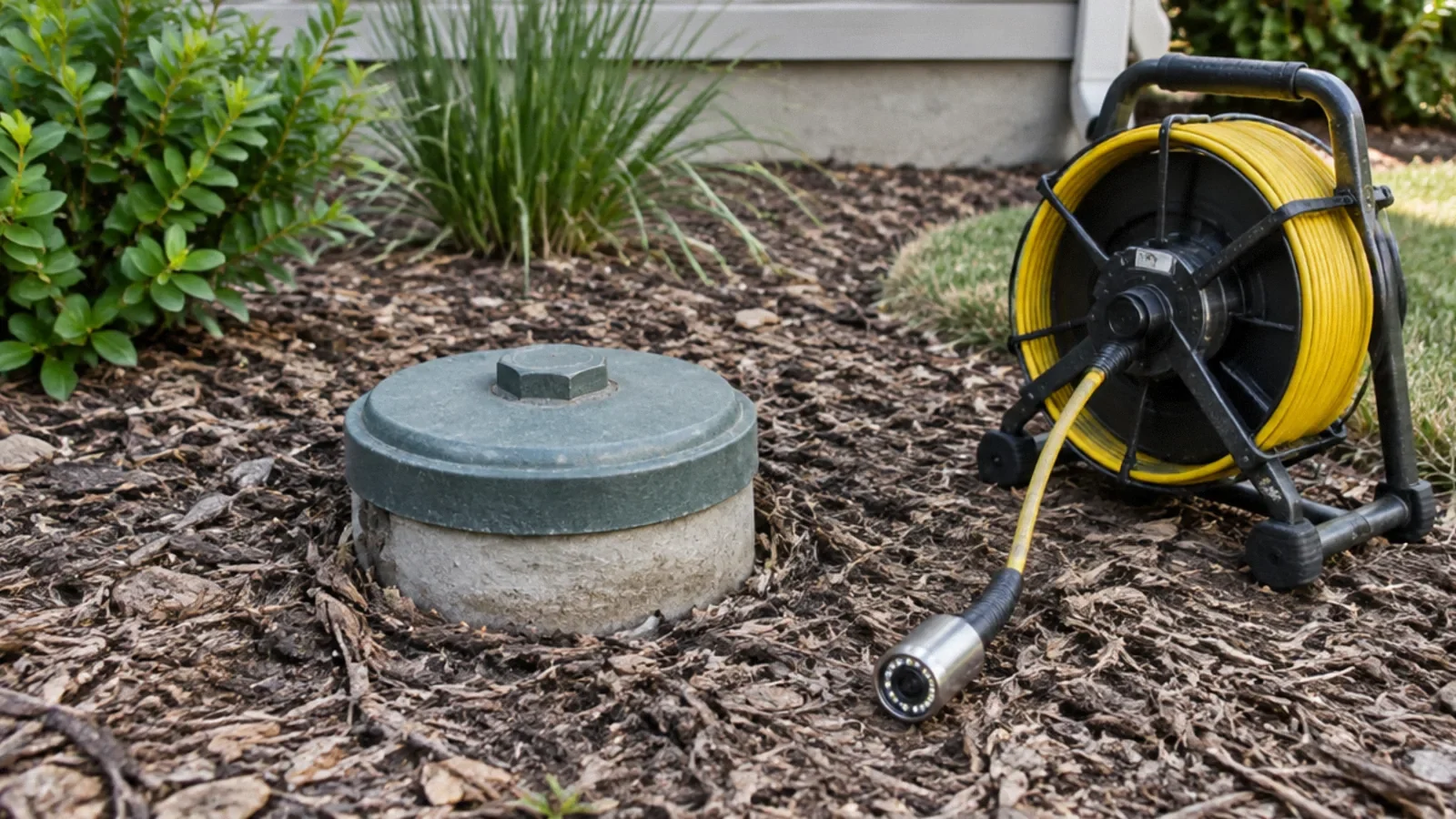
An inspection evaluates the system and its condition; pumping removes accumulated material from the tank. They are related but not identical services. Ask the provider whether the visit includes checking accessible components, recording sludge and scum levels and providing a written report.
Pumping alone may not repair a failed drainfield, damaged pipe or electrical control. If a professional identifies another problem, request a separate explanation of the evidence, the urgency and the proposed work. Follow the manufacturer’s guidance for any alternative treatment equipment.
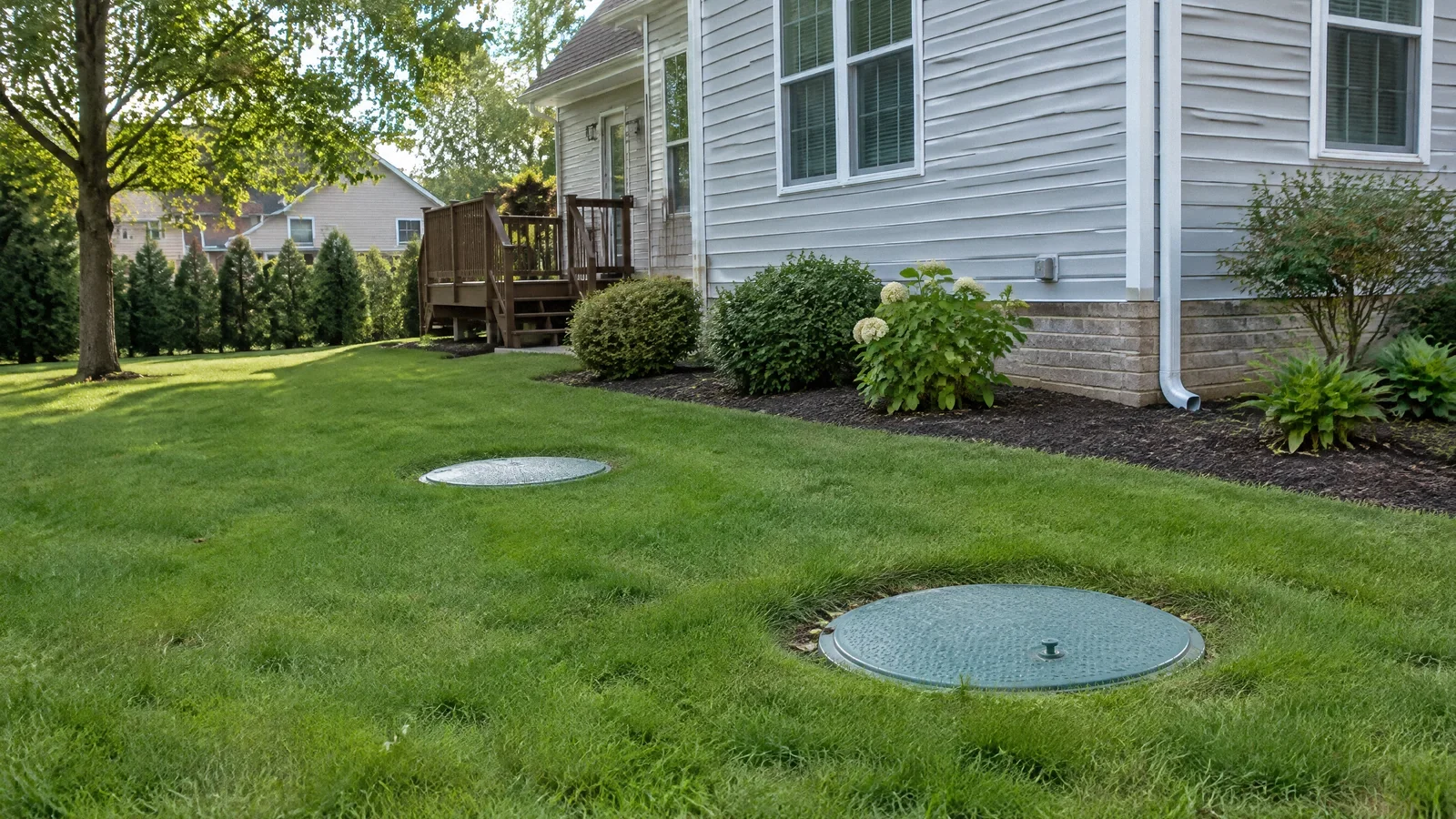
A professional locates the tank and accesses it safely, inspects and records conditions as appropriate, then uses a vacuum truck to remove accumulated contents. The provider secures the access after service and transports septage to an approved treatment or disposal location under applicable local rules. Ask for a service record and the disposal arrangements; owners should not open the tank or handle septage.
A conventional tank normally contains liquid up to its operating outlet level. Seeing a normal liquid level does not itself mean it needs pumping: accumulated sludge and scum, service history and the inspector’s assessment inform that decision.
Warning signs that need attention
Slow drains, gurgling, sewage backup, odors or unusually wet ground near the system can indicate trouble. EPA lists these among possible signs of a failing septic system. The symptoms do not prove that pumping alone is the correct solution.
Stop using affected fixtures when sewage is backing up, keep people and pets away from contaminated water and contact a qualified professional. Stay clear of standing water near electrical equipment. A backup or sewage surfacing should not wait for a routine calendar reminder.
Never enter a septic tank
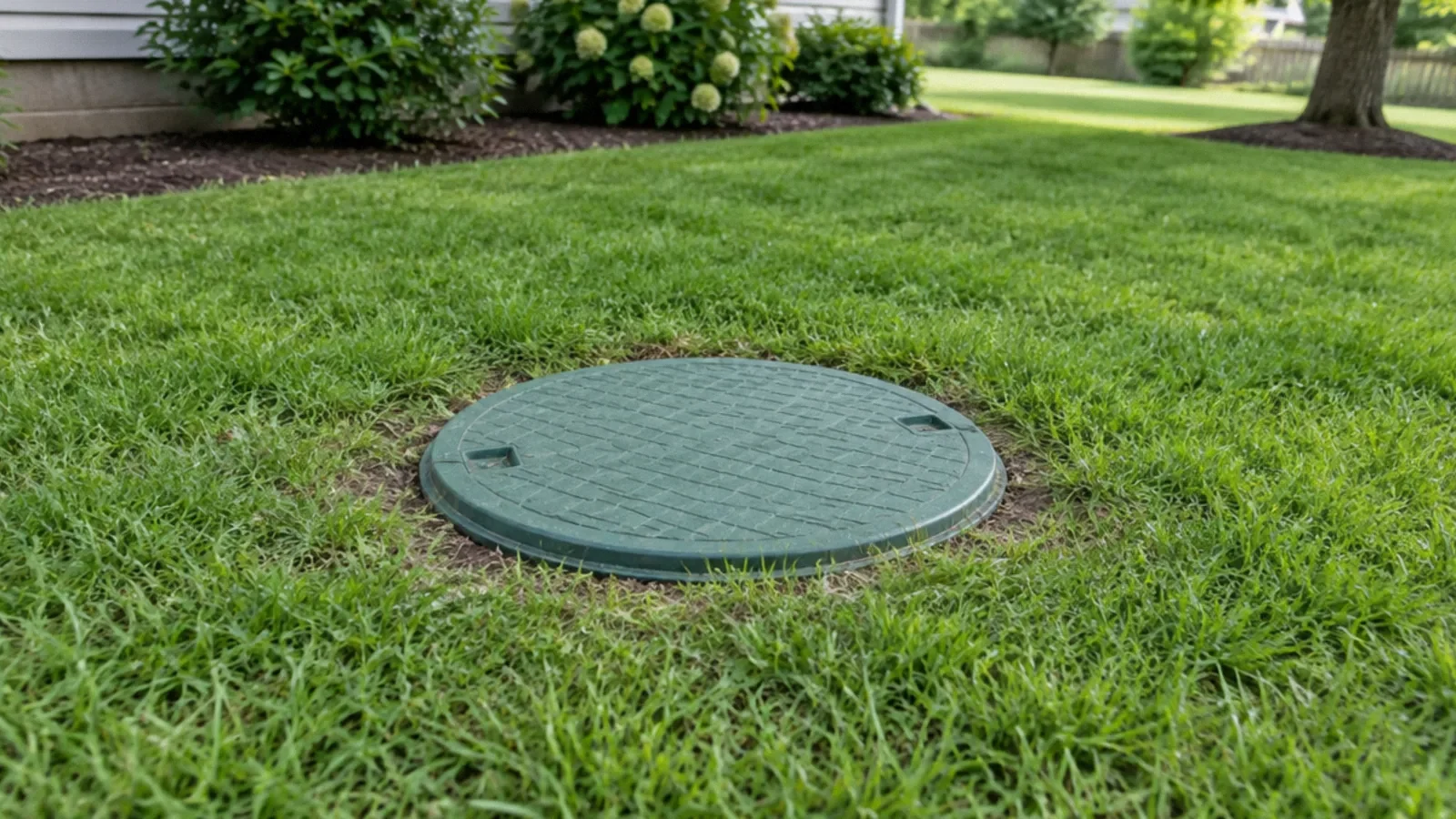
Septic tanks and related confined spaces can contain dangerous gases and insufficient oxygen. A person can collapse quickly, and untrained rescue attempts can endanger others. Do not open, lean into or enter a tank or access opening yourself.
Keep lids secure and children away. If someone is inside or has collapsed near a tank, call emergency services immediately and do not enter to attempt a rescue. Septic professionals use appropriate training and equipment for hazardous work.
What to ask the service provider
Confirm the location and type of tank, safe access, the service to be performed and the total price. Ask whether inspection, opening access, pumping, disposal, filter maintenance and a written report are included. Requirements and methods vary by system and jurisdiction.
Request the date, observed condition, measurements when available and any recommended follow-up. If a repair is proposed, ask what finding supports it and whether another qualified assessment is appropriate. Keep records with the system’s design and permit information.
Habits that protect the system
EPA recommends conserving water, spreading out heavy use and flushing only appropriate waste. Grease, wipes, chemicals and other unsuitable materials can cause problems; follow local and system-specific guidance. A garbage disposal can increase the solids reaching a tank.
Protect the drainfield from vehicle loads and construction, and direct surface water away as appropriate. Additives are not a proven substitute for inspection and pumping. Ask the service professional before using a product marketed to eliminate maintenance.
Plan the next service
Put the professional’s recommended inspection date in your records and review it if household size or use changes. Preserve invoices, pumping dates, tank capacity and notes about repairs. These details help the next provider evaluate trends rather than start from a guess.
A properly maintained septic system can still develop a defect. Treat new odors, surfacing wastewater or backups as reasons for prompt assessment, even when the next scheduled pump-out is months away. Follow local health department instructions for the property.
How a septic system works
A conventional tank separates solids before liquid moves to the drainfield. See the related guide to how septic systems work for the complete process, and the septic tank problems guide for troubleshooting.
Your next-step checklist
- Keep the tank lid secure and never enter it.
- Arrange inspection and pumping with a qualified provider.
- Record tank size, household use and service dates.
- Report backups, odors or wet ground promptly.
- Follow local requirements and protect the drainfield.
Related questions
How often should a septic tank be pumped?
EPA gives a general interval of three to five years, but the correct schedule depends on use, capacity, solids and system design.
How often should a 1,500-gallon tank serving two people be pumped?
There is no universal interval from capacity and household size alone. Ask a qualified professional to inspect the system and review its use and records.
Does a septic backup always mean the tank only needs pumping?
No. A blockage, drainfield problem or another defect may be involved. A professional should assess the system.
Can I enter the tank to check its level?
No. Septic tanks can contain deadly gases and low oxygen. Leave inspection and access to trained professionals.
Are flushable wipes safe for a septic system?
EPA advises keeping wipes, including those marketed as flushable, out of toilets and septic systems because they can contribute to clogs. Dispose of them in the trash.
How can I tell whether a septic tank needs pumping?
The liquid level alone does not show whether a tank needs pumping. A qualified inspector can measure accumulated solids and assess the system. Slow drains, odors or surfacing wastewater warrant prompt professional assessment rather than waiting for a routine interval.
Sources & context
Public guidance supports the principles in this article. The practical questions and examples are editorial interpretation, not a site assessment or a coverage decision. State-specific rules apply only where identified.
- U.S. EPA: Frequent questions on septic systemsfederal guidance
- U.S. EPA: Homeowner’s guide to septic systemsfederal guidance
- CDC NIOSH: Hydrogen sulfidefederal health guidance
- U.S. EPA: How to care for a septic systemfederal septic guidance
- U.S. EPA: How septic systems workfederal septic guidance
- Source guidance: www.epa.govverified guidance