Slow drains, backups, odors and wet ground can signal several different septic problems. Reduce water use, avoid contact with wastewater, and have the tank and associated system inspected before choosing a repair.
Read the symptoms as clues
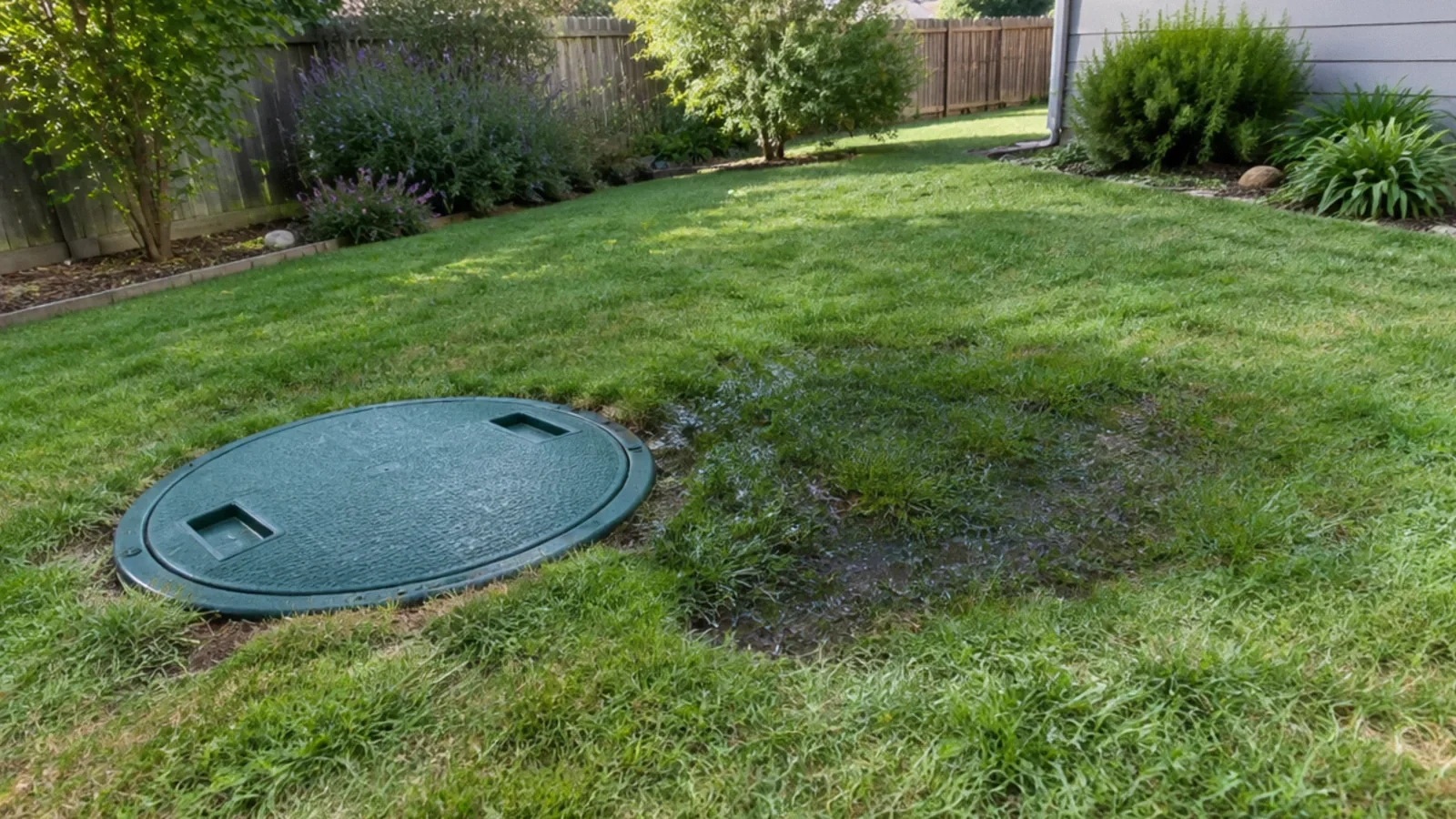
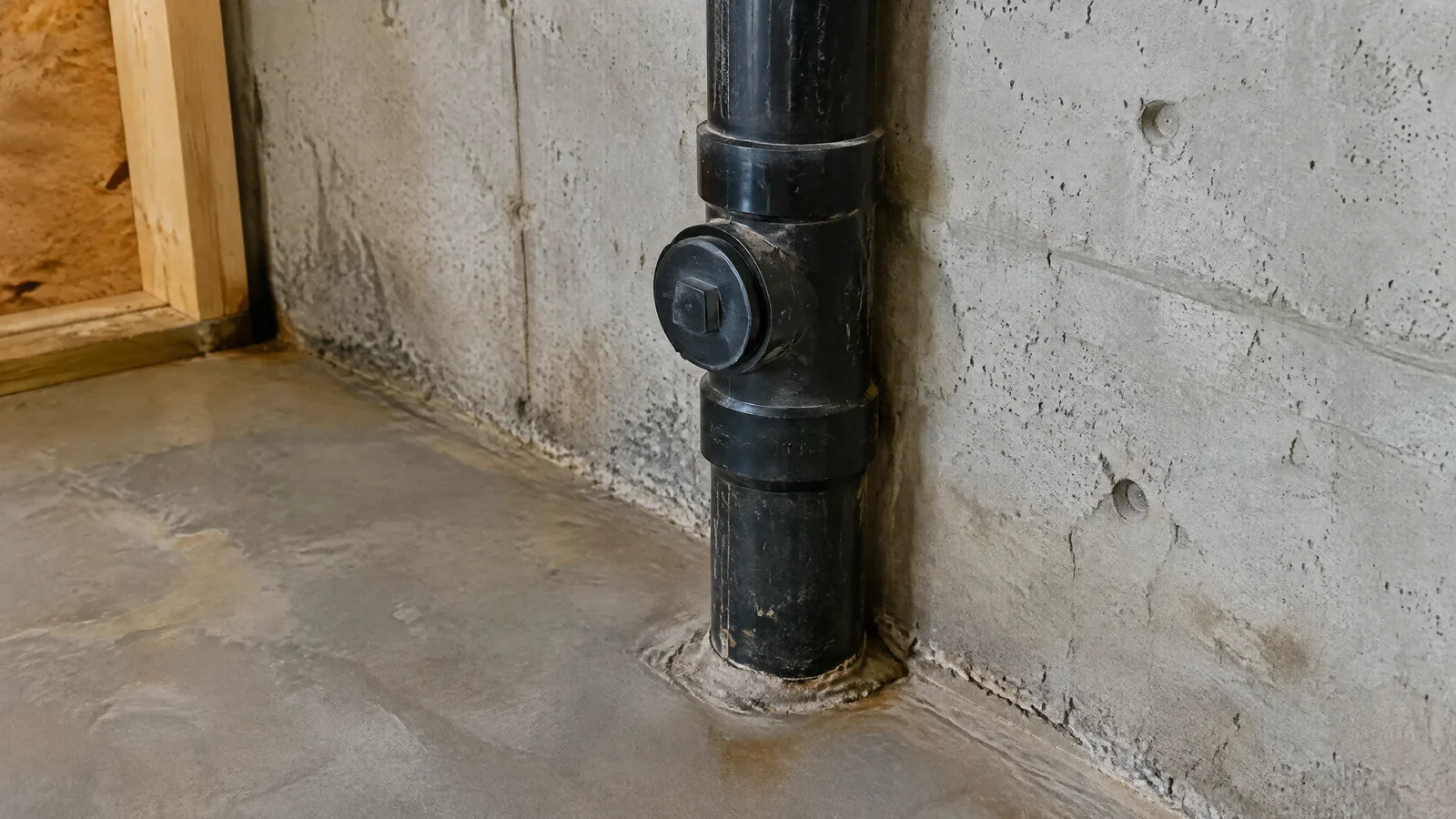
A septic tank separates solids from wastewater before the effluent moves onward for treatment. Problems may involve the tank, the building sewer, an outlet component, a pump or the drainfield. Sewage backing into fixtures and several drains slowing at once suggest a system-wide issue but can also result from a building drain blockage. Wet or unusually lush ground, sewage odor and standing water near the system deserve attention, particularly when they recur in dry weather. A single slow sink may instead be a local fixture blockage. Do not rely on smell alone or attempt to diagnose the tank by opening its cover. Protect people and pets from wet areas and reduce water entering the system while arranging inspection.
Match the response to the actual failure
A service professional reviews system records and can check tank levels, solids accumulation, structural condition, inlet and outlet components, pump controls and the drainfield as applicable. Excess solids may require pumping, but a recently pumped tank can still have a blocked outlet, damaged pipe or failing field. A camera may help locate a break or restriction in a suitable line. Heavy rain can saturate the ground and temporarily impair treatment; the technician should consider weather and groundwater conditions alongside the equipment. If water use is overwhelming the system, repairing leaking fixtures and spreading high-volume activities may help, but these measures cannot repair a collapsed line. Ask which observation supports the proposed work, whether a permit is required, and what further testing is needed.
Maintain and document the system
Have a qualified provider inspect and pump according to the system’s design, use, measured solids and local rules. EPA describes routine inspection and pumping as important, while actual intervals vary. Keep a diagram and service records so future providers can locate components and compare findings. Flush only appropriate waste and toilet paper; keep wipes, grease, chemicals and other unsuitable materials out of drains. Repair leaking toilets and faucets and spread laundry across the week. Protect the drainfield from vehicles, compacted soil and excess roof runoff. If sewage enters the house, avoid contact and arrange proper cleanup; if a well may be affected, ask the health department about a safe water supply and testing. Never enter a tank, even for a brief inspection.
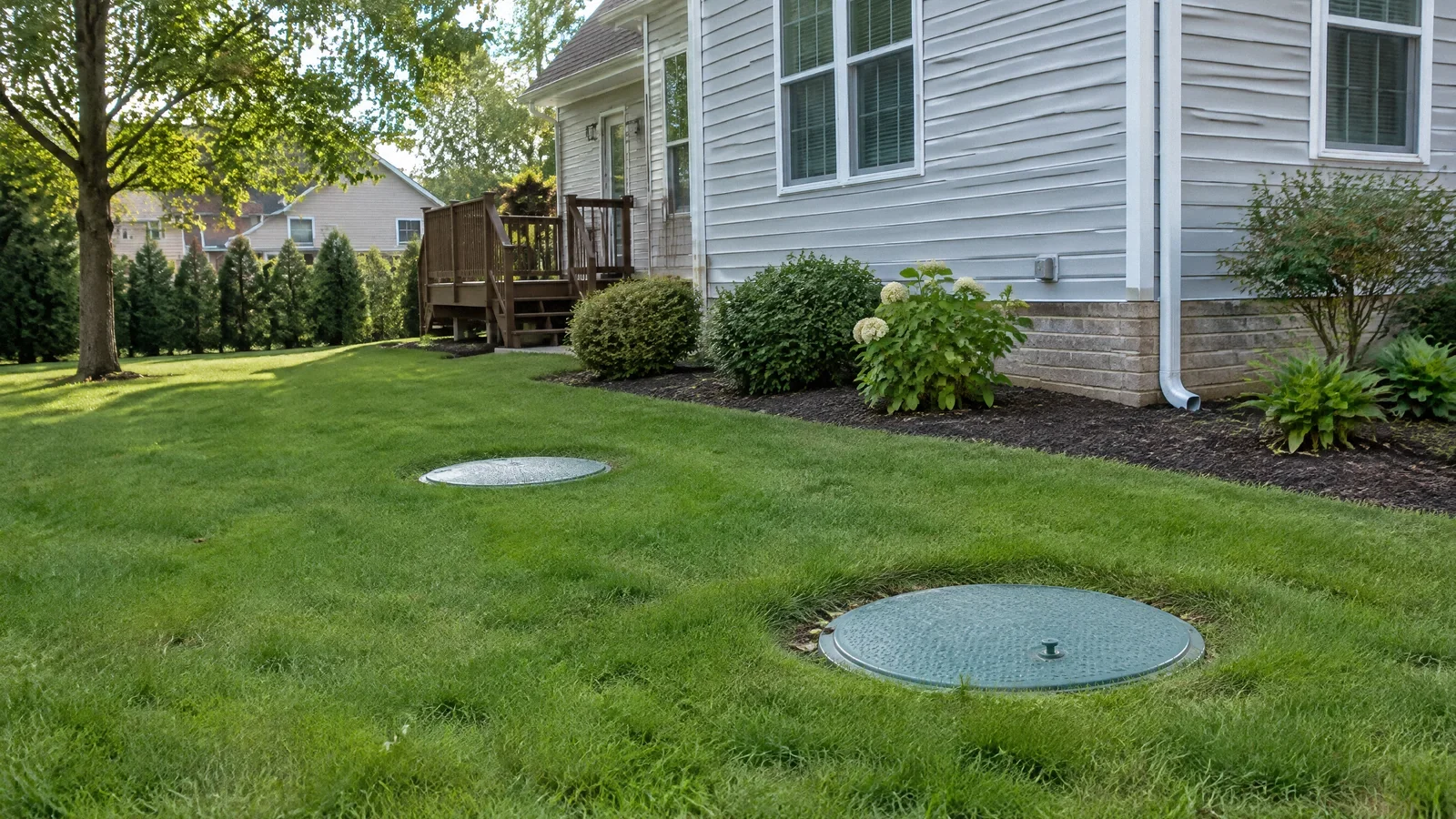
Prepare records and protect the area: A useful service record includes the tank and drainfield locations, inspection dates, measured solids, pumping receipts, repairs and the system’s pump or alarm details if present. If records are missing, the local permitting authority may have a layout or inspection history. Give the provider information about household size, leaks, recent additions and water-use changes. These facts help distinguish excessive loading from a mechanical or structural defect. Never remove a lid to obtain measurements yourself; a damaged cover or fall into a tank is dangerous.
Prepare records and protect the area: If you are buying a property, ask for a system inspection rather than relying only on the absence of odor or visible wet spots. A system may have a defect without an obvious symptom on the day of a visit. Ask the inspector which components were accessible and what was not tested. Where local rules require a permit for repairs, confirm who is responsible for it. After service, keep the findings and follow-up schedule together. If symptoms recur, report the timeline and conditions so the next inspection starts with useful evidence.
Your next-step checklist
- Keep people away from immediate hazards and avoid disturbing damaged or contaminated materials.
- Record when the problem began, where it appeared, and any change after rain or water use.
- Arrange an assessment by a qualified professional when the cause or extent is uncertain.
- Keep photographs, inspection findings, repair details and receipts together.
- Confirm the cause has been corrected and follow up if the same signs return.
Related questions
Can the visible signs identify the exact cause?
No. The location and timing are useful clues, but similar symptoms can arise from different causes. An inspection and, when appropriate, testing are needed before selecting a repair.
When should I call a professional?
Call promptly when there is sewage, an electrical hazard, significant water intrusion, recurring symptoms, a damaged structure, or work that requires access to a roof, septic tank, excavation or electrical equipment.
What information should I keep after the repair?
Retain the written scope, observations, photographs, test or moisture findings where applicable, dates, invoices and any inspection or permit records. These details help identify a recurrence and support a claim if you decide to make one.
Sources & context
Public guidance supports the principles in this article. The practical questions and examples are editorial interpretation, not a site assessment or a coverage decision. State-specific rules apply only where identified.