Wastewater from a home connected to a public sewer generally travels through pipes, and sometimes pumping stations, to a treatment plant. The plant removes debris and pollutants through several processes before treated water is discharged or reused under applicable requirements. Homes with septic systems use a different on-site process.
From a household drain to a sewer
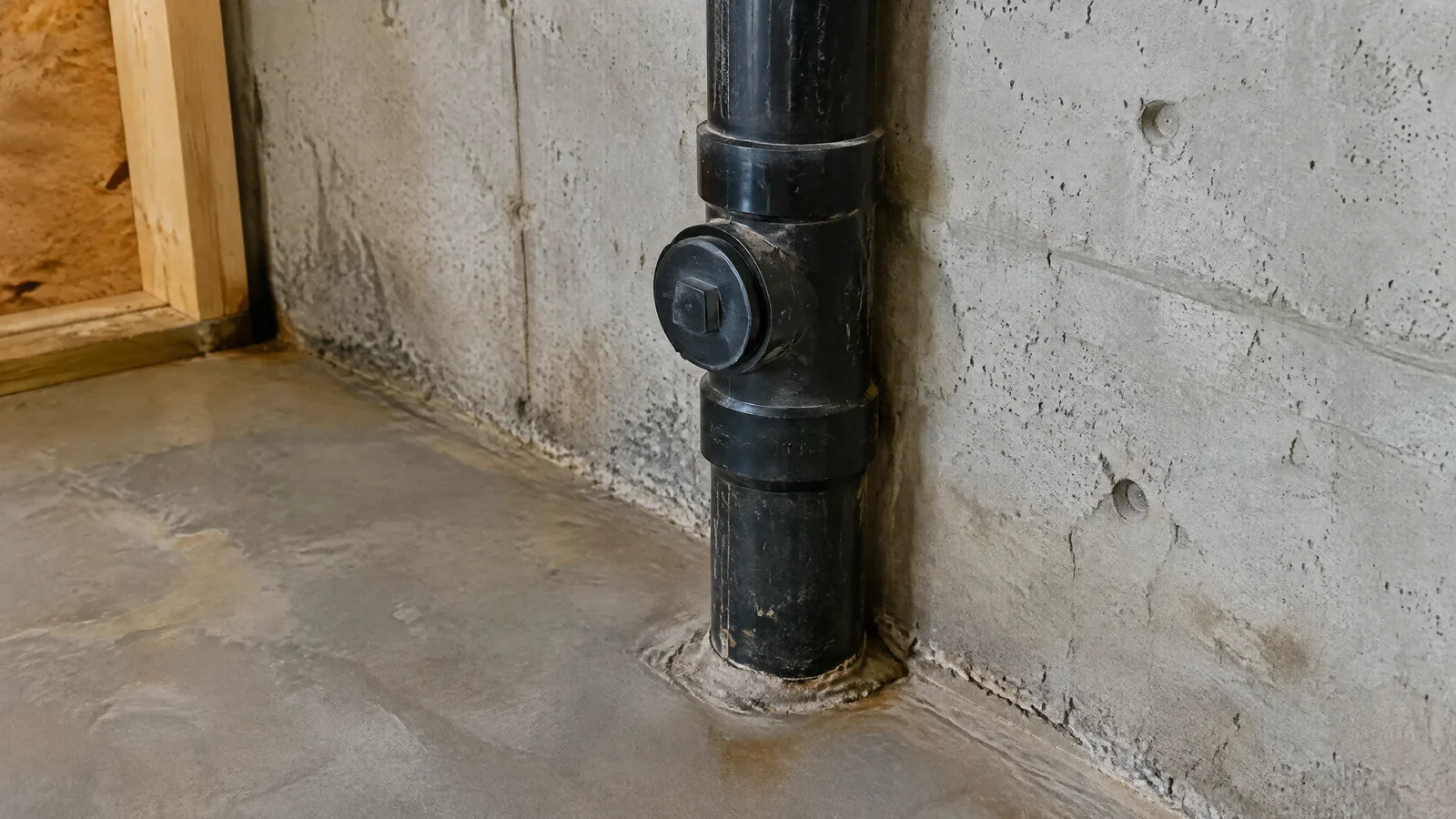
Water from toilets, sinks, showers and laundry leaves through a building drain. In a community served by a sanitary sewer, a private connection usually carries it toward a public sewer main. Pumping may be needed where gravity alone cannot move wastewater to the treatment facility.
Ownership and maintenance responsibilities for the lateral pipe vary by jurisdiction and property. If sewage is backing up, contact the appropriate local utility or a qualified plumber; do not assume a blockage belongs to either party without investigation.
Screening and grit removal
At a typical treatment plant, incoming wastewater first passes through screens that remove large debris. Grit removal can separate sand and other heavy particles that would wear or obstruct equipment. These materials must be handled and disposed of separately.
Treatment sequences and equipment vary by facility. Wipes, grease and other unsuitable items can cause problems in pipes or at the plant, so follow local disposal guidance rather than flushing them.
Primary treatment
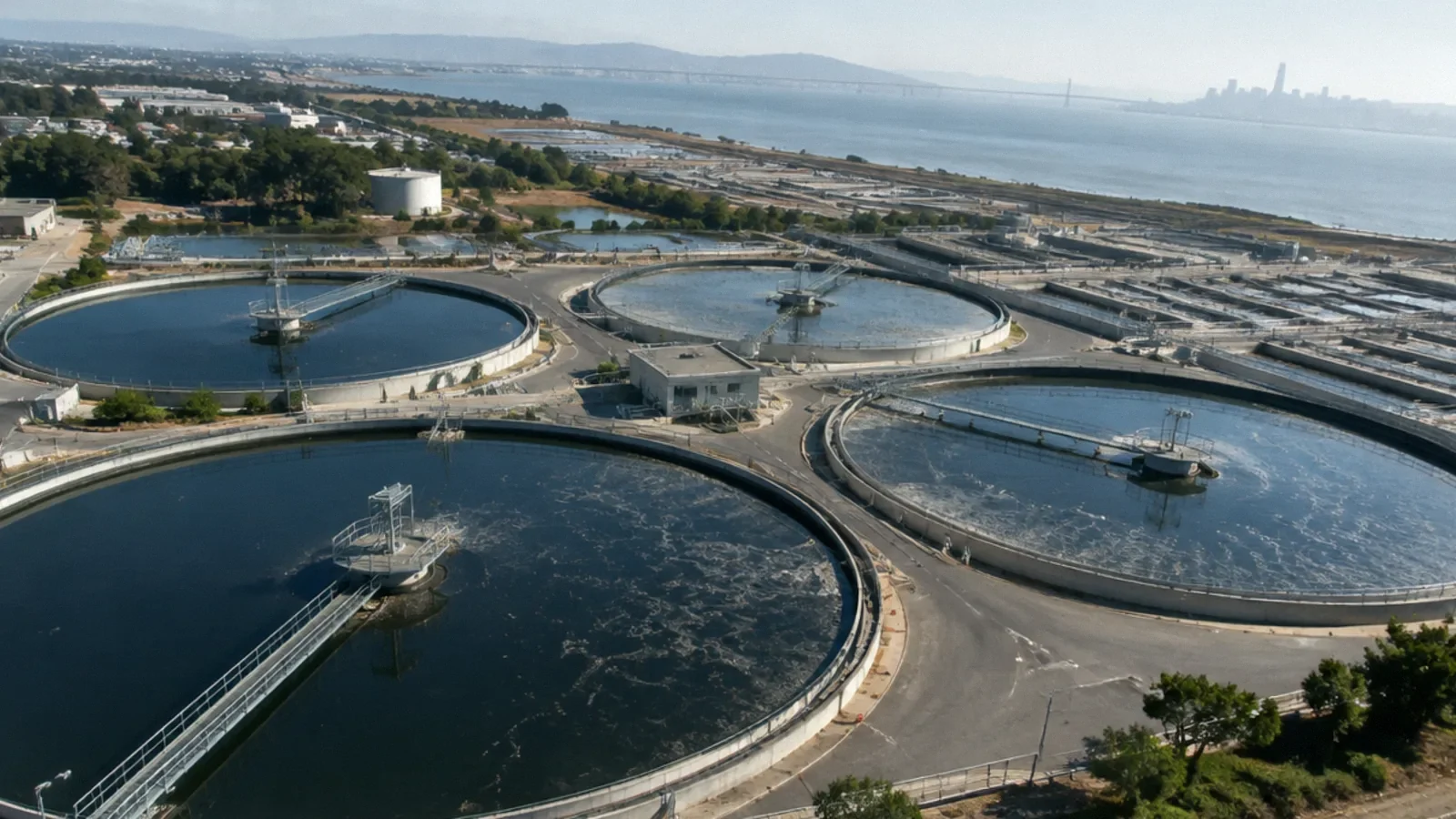
In primary clarification, flow slows so some solids can settle while floating material can be removed. The separated solids are handled as sludge; the remaining water moves on for additional treatment. Settling alone does not make wastewater safe to drink.
Not every plant uses the same configuration. The purpose and performance of each stage depend on its design, operating conditions and permit. Local utilities can provide a description specific to their facility.
Secondary and advanced treatment
Secondary treatment commonly uses biological processes to reduce biodegradable organic pollution and suspended solids. Microorganisms help break down material under controlled conditions, after which further separation removes solids from the water.
Some facilities provide additional treatment for nutrients or other constituents. Disinfection may deactivate pathogens before discharge or reuse. The steps and level of treatment depend on the facility and its applicable requirements; treated wastewater is not automatically drinking water.
Where treated water goes
Depending on the facility, permit and local system, treated effluent may be discharged to a receiving water or supplied for an approved reuse. Recycled water has specific permitted uses and quality requirements; it should not be assumed to be potable.
Treatment also produces solids that require processing and management. The way those solids are treated or disposed of varies, so consult the operating utility for details rather than assuming a single destination.
What if the home has a septic system?
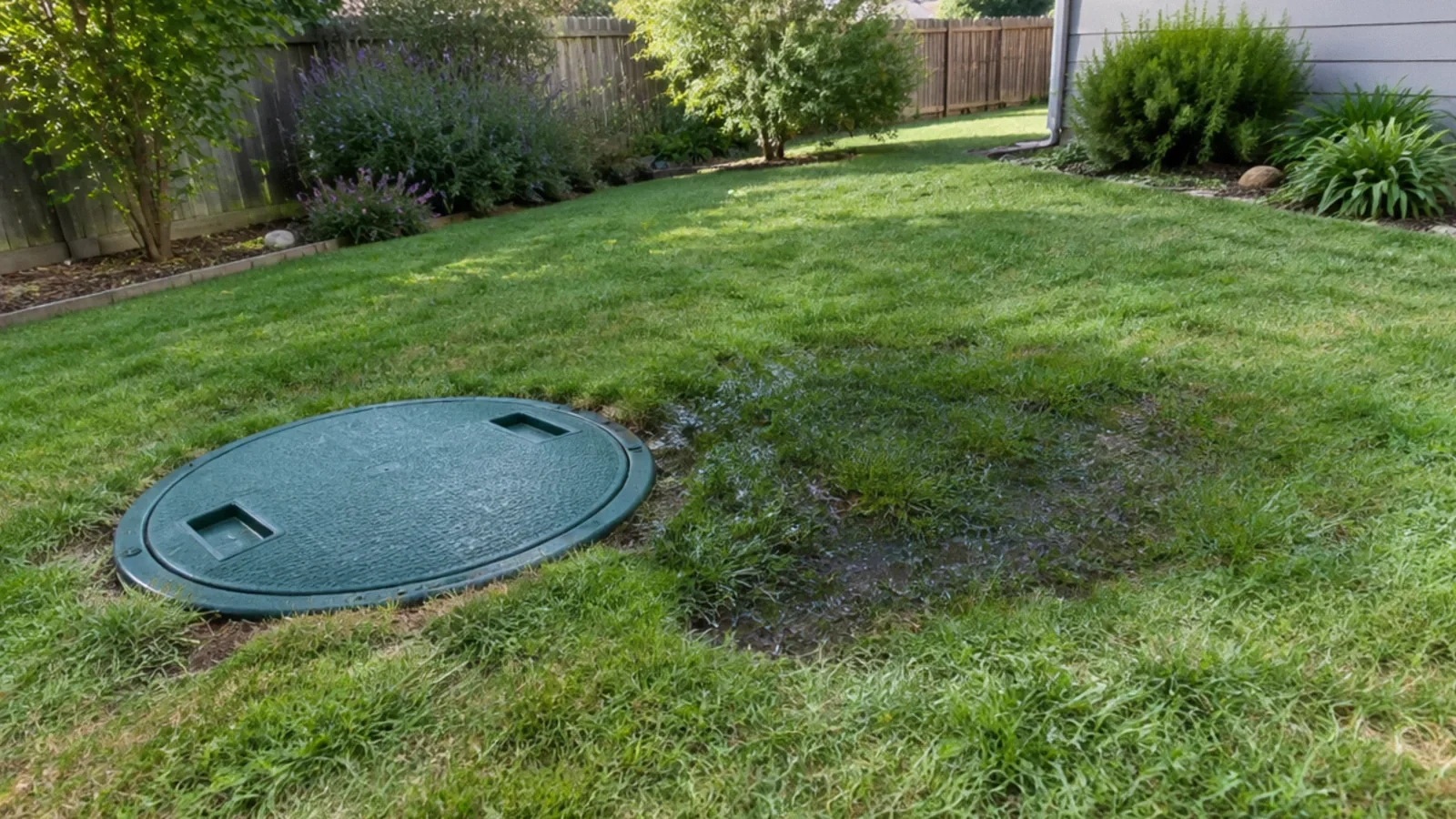
A septic system treats wastewater on the property rather than sending it to a municipal plant. In a conventional system, solids settle in a tank and liquid moves to a drainfield, where it percolates through soil for further treatment. Designs and local rules vary.
A failed or overloaded drainfield can cause wastewater to surface or back up. Keep clear of sewage, reduce water use and contact a qualified professional and local health agency. Never open or enter a septic tank.
Storm drains are not always sanitary sewers
Storm drains commonly carry rain runoff and may lead to waterways rather than a wastewater treatment plant. Some older communities use combined sewers, so the local arrangement matters. Do not pour paint, oil, cleaners or sewage into a storm drain.
During major storms, additional water entering sewer systems can overwhelm capacity and contribute to overflows or backups. Your local wastewater and stormwater agencies can explain the system serving your address and how to report a spill.
The route and what household sewage contains
In a typical sewered neighborhood, wastewater leaves household fixtures through the building drain, travels through a private lateral to a public sewer main, and may pass through pumping stations before reaching a treatment plant. Local layouts and ownership boundaries differ. Sanitary sewers carry household wastewater; separate storm drains carry runoff and may discharge without passing through the sewage treatment plant. Combined systems can carry both.
Household wastewater is mostly water with dissolved and suspended material, including human waste, food residues, soaps, oils and other substances. Screens and settling separate some solids; the resulting sludge is further treated and managed under applicable requirements. Depending on treatment and local rules, biosolids can be used on land or disposed of through other approved routes. Do not assume that every solid is removed in the same step or that all plants use the same process.
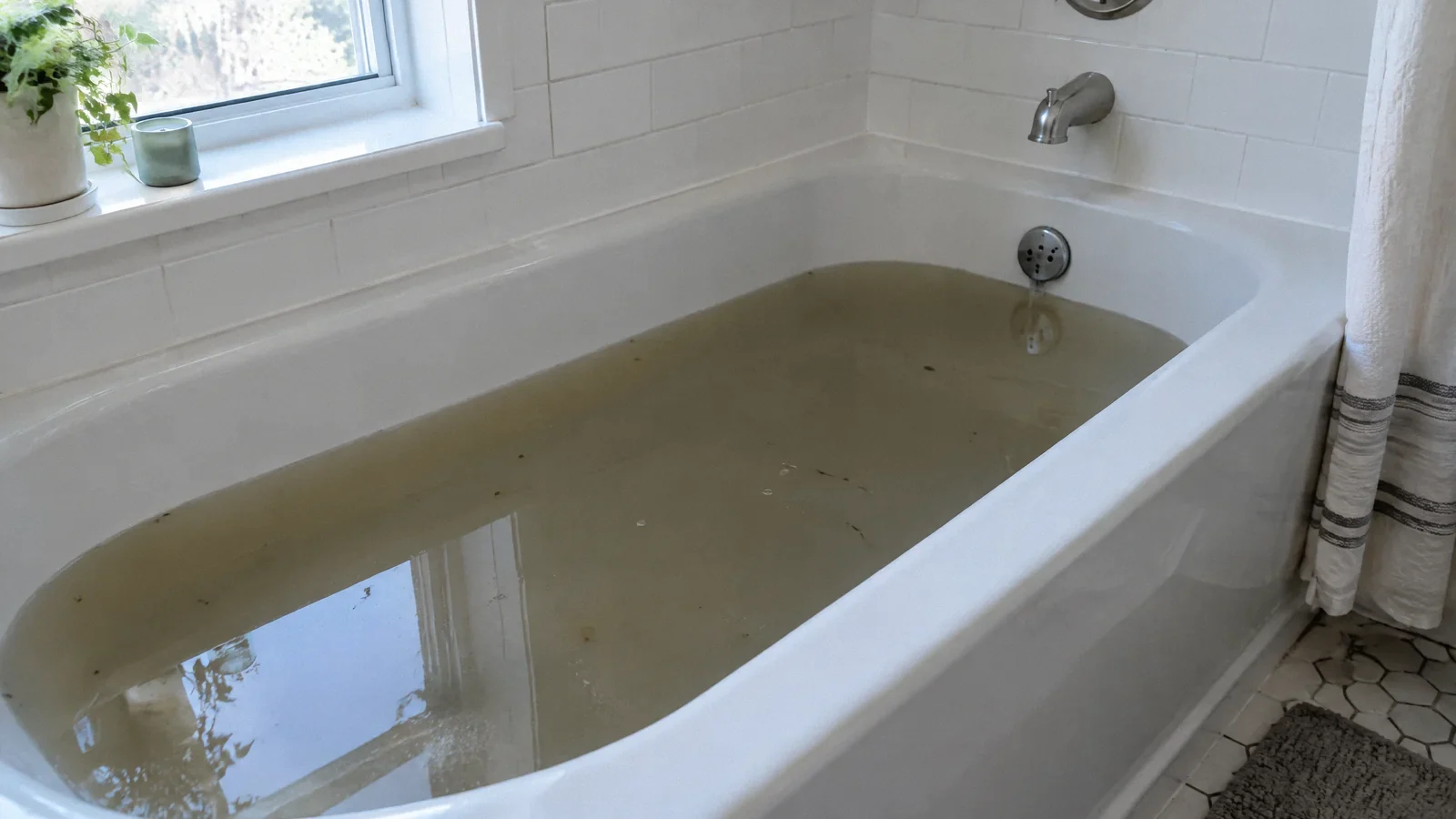
The treatment plant is designed to reduce pollutants before discharge or other permitted use; the level and sequence of treatment depend on the facility and its discharge requirements. An overflow or equipment failure is a different situation from normal treatment. Ask the local wastewater utility where household sewage goes and how it handles backups. Do not pour paint, solvents, medicines or other hazardous material into drains on the assumption that the plant will remove everything. Local collection programs can explain suitable disposal. If sewage backs up indoors, keep people away from contaminated areas and arrange qualified assistance rather than touching the wastewater.
Your next-step checklist
- Check whether the property uses public sewer or a septic system.
- Keep grease, wipes and chemicals out of drains.
- Never pour wastewater or hazardous liquids into a storm drain.
- Contact the local utility for information about treatment and pipe ownership.
- Avoid contact with a sewage backup and arrange qualified help.
Related questions
What happens to sewer water after it leaves a house?
In a public sewer system it travels through collection pipes, sometimes with pumps, to a treatment facility before discharge or approved reuse.
Is sewage water cleaned before release?
Treatment plants remove pollutants through a series of processes. Exact treatment and discharge requirements depend on the facility and permit.
Does every home send sewage to a treatment plant?
No. Homes with a septic system treat wastewater on site through a tank and an appropriate treatment or drainfield system.
Can I pour sewage into a storm drain?
No. Storm drains may discharge to waterways. Contact the local agency about a spill or proper disposal.
Sources & context
Public guidance supports the principles in this article. The practical questions and examples are editorial interpretation, not a site assessment or a coverage decision. State-specific rules apply only where identified.
- U.S. EPA: Peak flows at sewage treatment plantsfederal guidance
- U.S. EPA: How wastewater treatment worksfederal technical guidance
- U.S. EPA: How septic systems workfederal guidance
- Official guidanceofficial