Look for the main drain where accessible, check building and sewer records, and ask a plumber to identify the cleanout or trace the lateral. Contact 811 before digging and arrange private locating where needed.
Understand what you are looking for
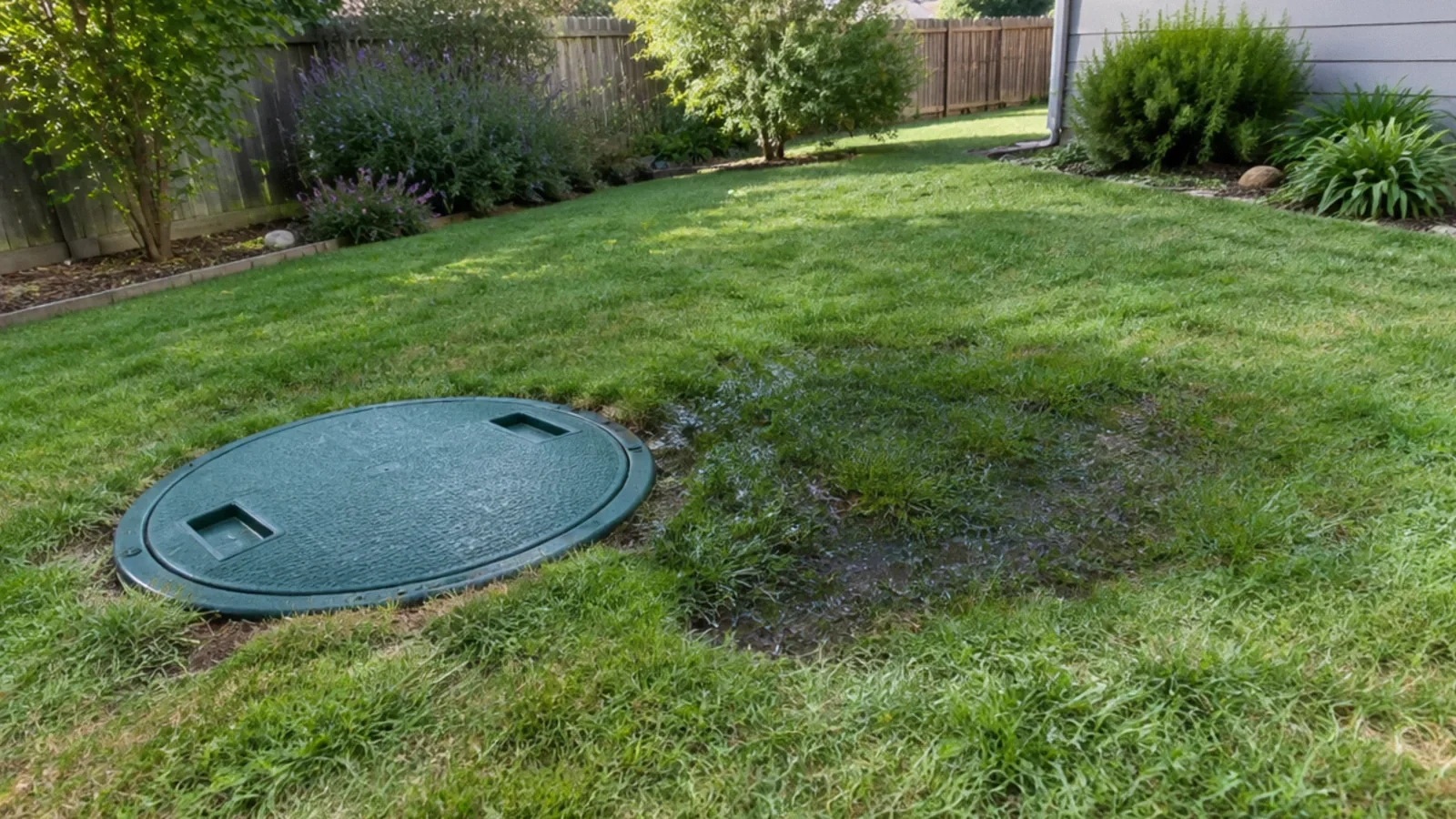
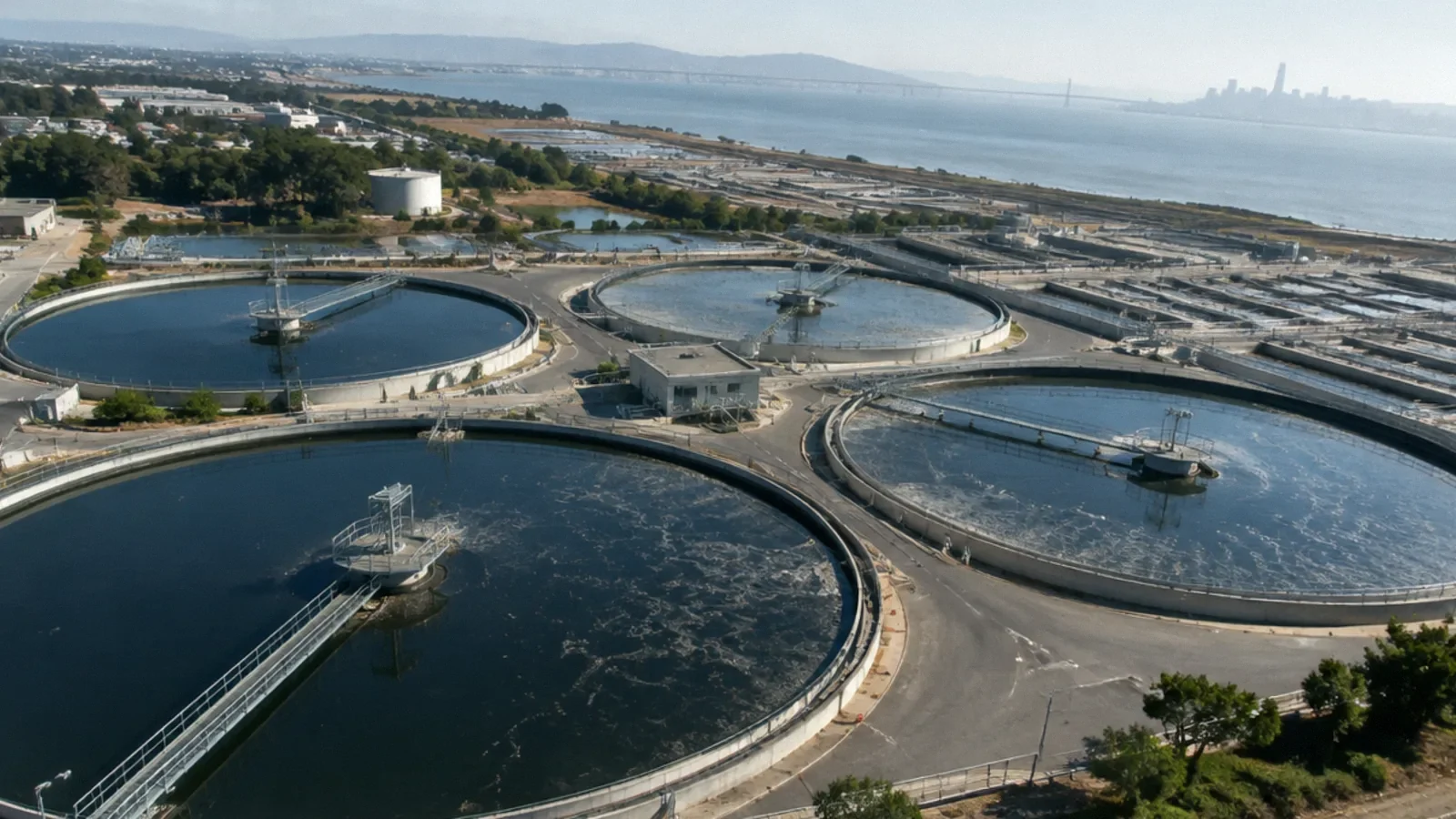
The main building drain collects wastewater from the home’s branch drains. It connects to the building sewer or lateral that carries wastewater away from the building, often to a public sewer. A home with a septic system has a different destination. In everyday conversation people may call both the house drain and the buried lateral the main sewer line, while a utility may use “main” for its larger public pipe.
This distinction matters when requesting records or a repair. Tell the utility or plumber whether you need the pipe inside the house, the route across the yard, a cleanout, or the public sewer connection. Ownership and maintenance boundaries vary by locality, so ask your utility rather than assuming the street, sidewalk or property line is the dividing point.
Look for visible clues inside
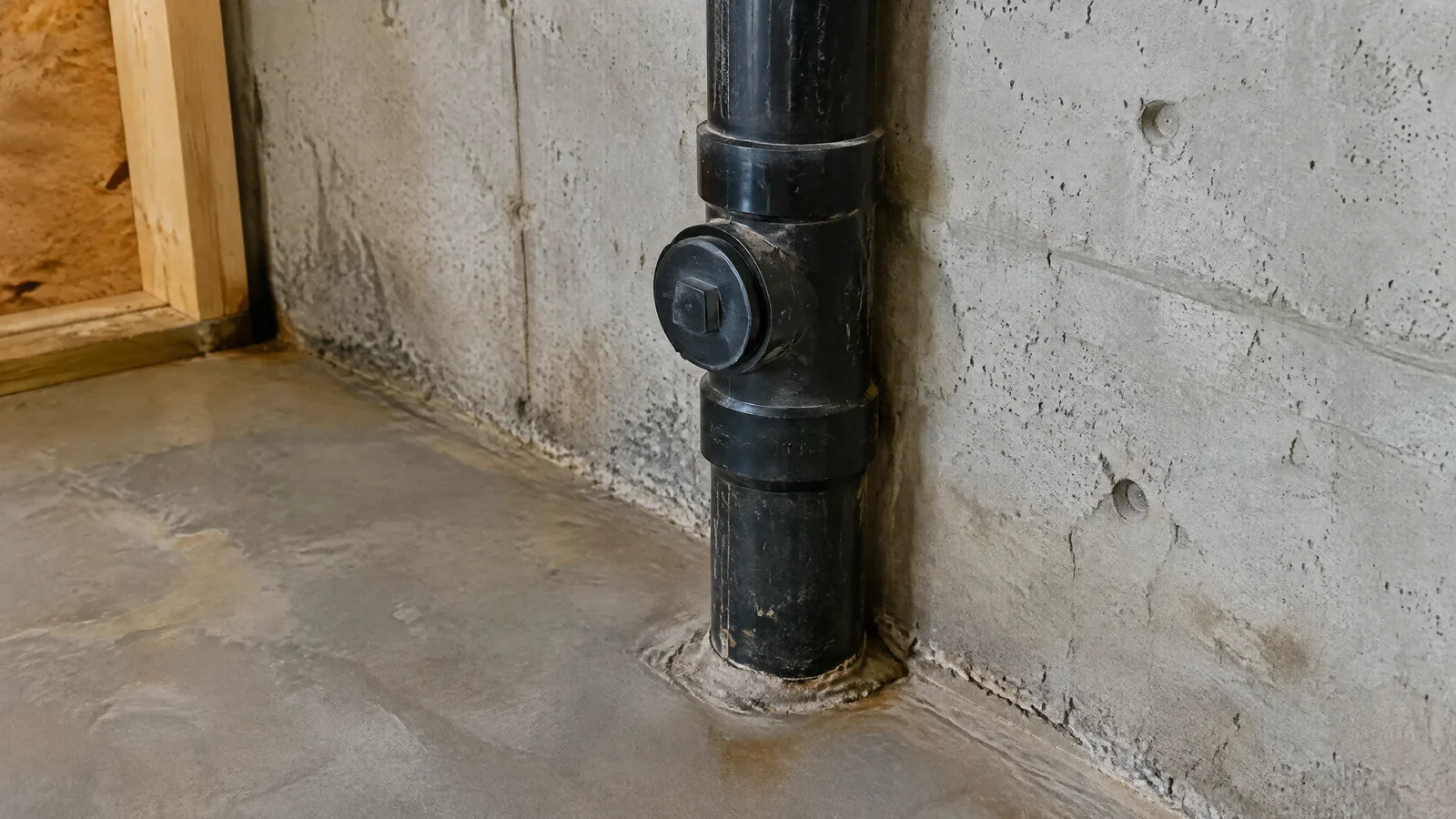
In a basement or accessible utility area, look for a large drain pipe receiving smaller pipes and running toward or under the foundation. In a home on a slab, much of the building drain may be concealed below the floor. In a crawlspace, drains may be visible from a safe access point; do not enter a confined or unsafe space to look for them.
A cleanout is an access fitting, usually capped, that a plumber can use to inspect or service a drain. It may be inside, near an exterior wall, or elsewhere along a lateral. Its appearance and location vary. A capped pipe is a clue, not proof of the route, and removing the cap can release sewage if the line is backed up. Leave it closed and ask a plumber to identify it.
Use documents and exterior observations
Check plumbing plans, permits, inspection reports, prior repair records and any sewer lateral sketch supplied with the property. Your city sewer department may have a connection record or be able to identify the public main. If you have a septic system, consult available system records instead. EPA notes that a sewer charge or other property information can help determine which system serves a home, but records should be checked with the responsible authority.
From the yard, a visible cleanout or the direction of an exposed building drain can provide a starting point. A street manhole and the direction of the public sewer are not enough to map the private lateral: the pipe may turn, connect through an easement or have been rerouted. Older plans may omit repairs. Do not draw a straight line and assume the pipe follows it.
Have the buried route located
For a reliable route, ask a qualified plumber or private utility locator what method suits the pipe and your reason for locating it. Depending on the system, a plumber may use a camera and locating transmitter to trace a lateral from an appropriate access point. The result depends on access, pipe condition and equipment; ask what was actually traced, where the estimate is uncertain, and whether a written sketch is available.
If you plan to excavate, contact your state’s 811 center before digging and follow its timing and response rules. Utility markings are approximate, and a private sewer lateral may not be marked by participating operators. Ask what is covered and arrange a private locate where needed. A sewer camera investigation does not replace the required 811 process for other buried utilities.
If several drains are backing up
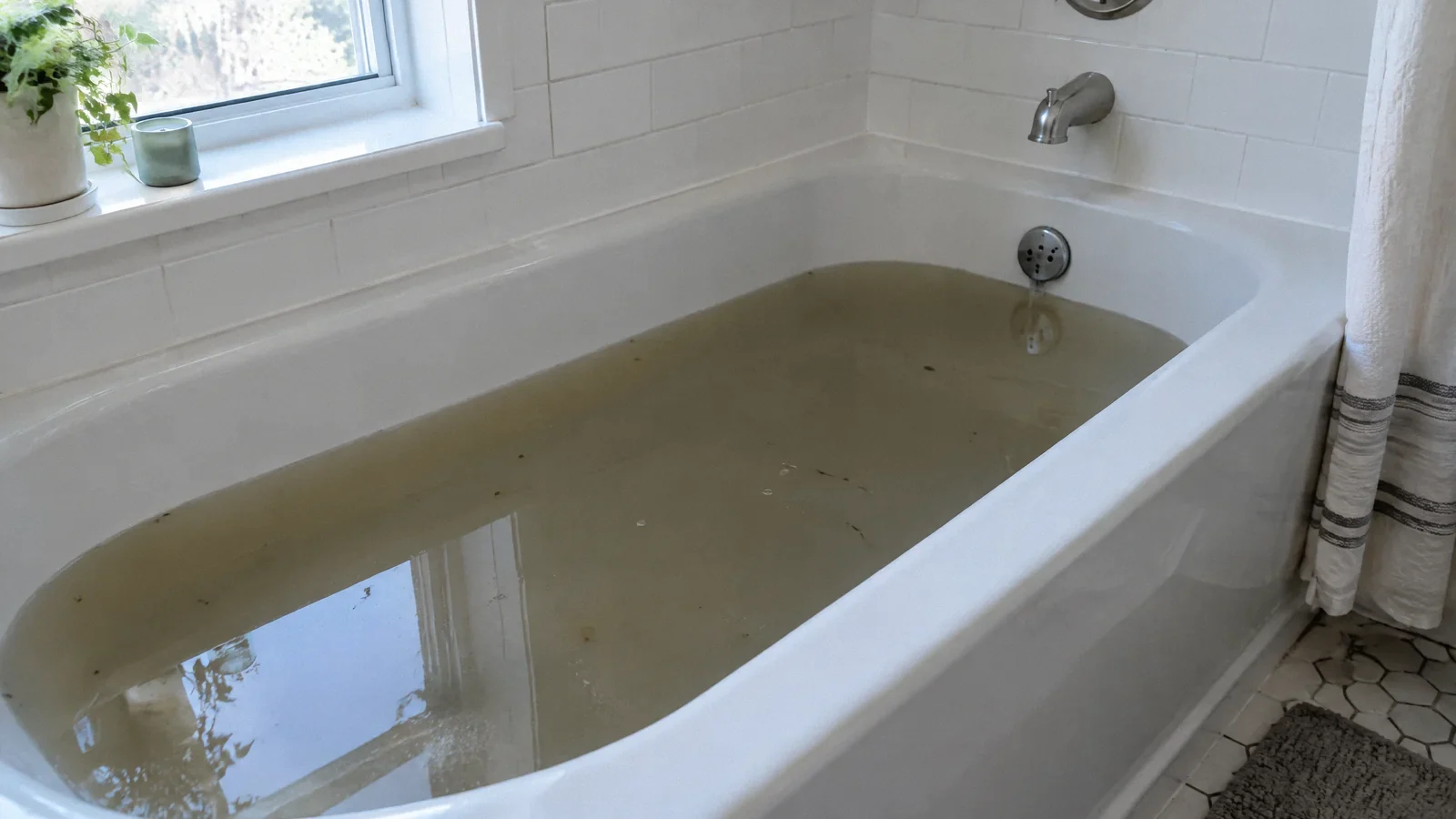
Stop using water fixtures and avoid flushing while sewage is backing up. Keep people and pets away from contaminated areas. Do not open a cleanout, enter a flooded basement with possible electrical hazards, or try to clear a pressurized line yourself. Contact a plumber and the sewer utility; they can help determine whether the problem is in the building, lateral or public system.
If you suspect immediate electrical danger, leave the affected area and contact the appropriate emergency service or utility. A cleanout location by itself does not identify the blockage or prove who must pay for a repair. Ask the utility about its local responsibility boundary and document the incident for your insurer if appropriate.
Keep the information for next time
After a professional locates the pipe, keep the report, date, photographs and measurements from permanent reference points with the property records. Record which parts were actually traced and which were inferred. Ask where any cleanout is located and how to keep access clear, without leaving the cap open.
Future construction, repairs and landscaping can change site conditions. Old photographs and sketches are useful leads but do not replace a new 811 request or a current locate before excavation. If a map and a professional’s findings disagree, resolve the difference before work begins.
Your next-step checklist
- Distinguish the building drain, lateral and public main.
- Check visible pipes and records without opening cleanouts.
- Ask a plumber to trace an uncertain route.
- Contact 811 and identify private utilities before digging.
- Keep the locate report with property records.
Related questions
Where is the main sewer line in a slab house?
Much of the drain may be concealed beneath the slab. Plans and a plumber’s inspection can help identify its route; the location varies by building.
Is the cleanout the same as the sewer line?
A cleanout is an access fitting on a drain or sewer line. Its position can provide a clue but does not by itself establish the complete route.
Does 811 locate my private sewer lateral?
Not always. Ask which facilities are covered and arrange a private locate if necessary.
Sources & context
Public guidance supports the principles in this article. The practical questions and examples are editorial interpretation, not a site assessment or a coverage decision. State-specific rules apply only where identified.
- Frequent Questions on Septic Systemsgovernment
- Before You Digprimary
- Private Locatesprimary