Do not throw flour on a fire. Flour is combustible, and fine flour dust dispersed in air can burn rapidly under the right conditions. If a cooking fire is not immediately and safely controllable, get everyone out, close the door behind you and call 911 from outside. Never use water on a grease fire.
If there is a fire now
If the fire is growing, smoke is spreading, your exit is threatened or you are unsure what to do, leave immediately. Alert others, close the door behind you if possible and call 911 from a safe location. Do not go back inside to collect belongings or try another method.
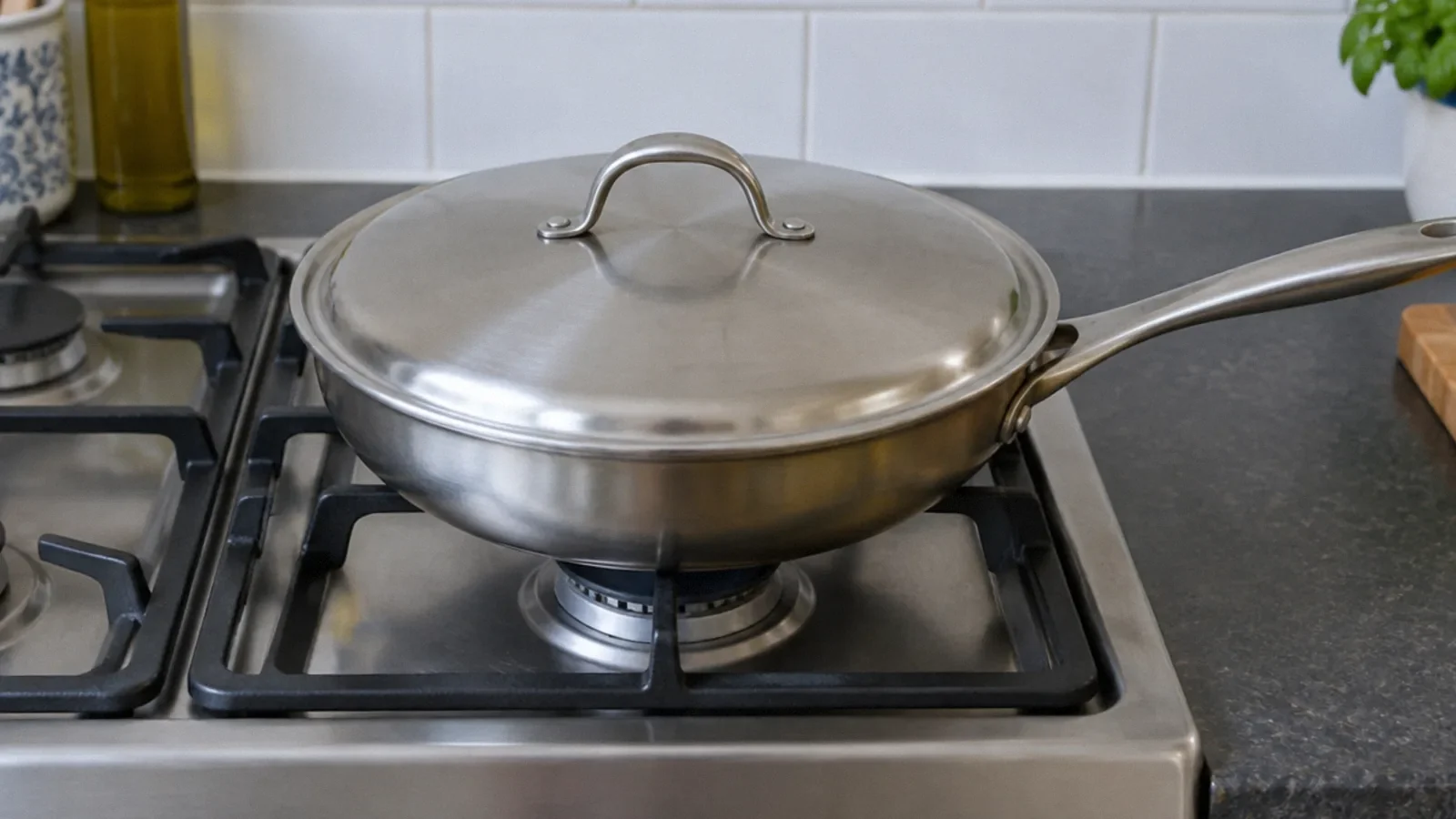
For a very small pan fire, the U.S. Fire Administration describes sliding a fitting lid over the pan and turning off the burner if it can be done safely. Leave the lid in place until the pan cools. If you cannot safely approach with a clear exit behind you, leave instead.
Why flour is not a fire extinguisher
Flour is a combustible powder, not a fire-suppression product. OSHA identifies flour among materials that can form combustible dust; when fine particles are dispersed in air at an appropriate concentration and encounter an ignition source, they can burn rapidly or become explosible under certain conditions.
Do not test this risk in a kitchen. Throwing an unknown powder can also make it harder to see and can delay evacuation. Do not assume a container that looks like baking soda contains the right product. Keep pantry ingredients away from an active fire.
Never use water on burning grease
Water can cause burning oil or grease to splatter and spread the fire. Do not carry a burning pan to the sink or outdoors: movement can spill hot oil and cause serious burns. If the fire is not safely contained, get out and call 911.
The safe response depends on the actual fire and your ability to leave. A pan lid, used only when safe, can help cover a small pan fire. Turn the burner off if you can do so without reaching through flames or exposing yourself to danger. Leave the pan covered until it cools.
What about a fire extinguisher?
Use a portable extinguisher only if you know how, it is appropriate for the fire, the fire is small and contained, and you have a clear escape route. If any of those conditions is missing, leave and call 911. An extinguisher is not a reason to delay evacuation.
Read the unit’s label before an emergency and learn the type of fires for which it is rated. Commercial cooking operations may have special equipment and requirements. After any use, arrange inspection, recharge or replacement according to the manufacturer and local requirements.
An oven or appliance fire
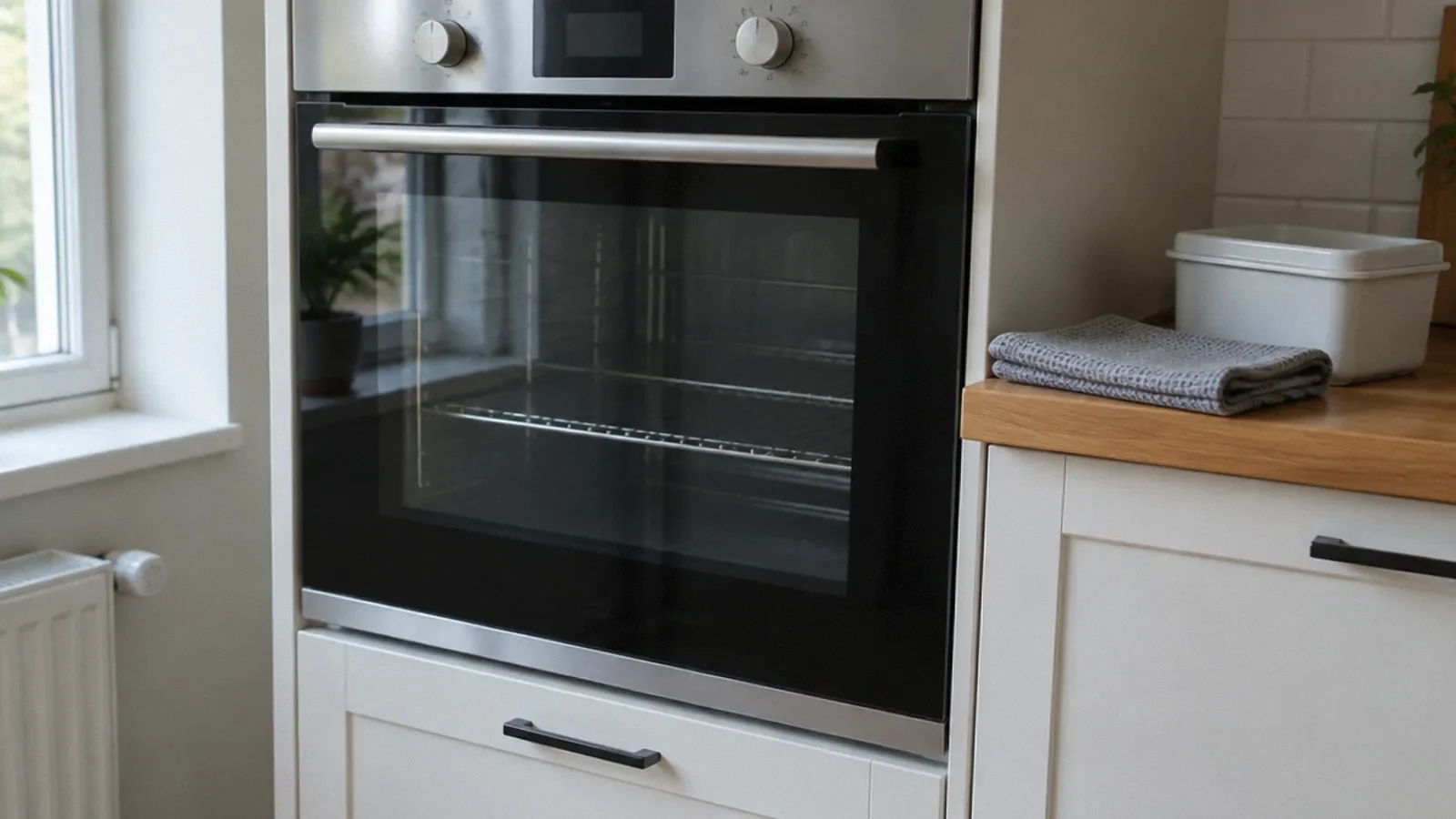
For a small fire inside an oven, the U.S. Fire Administration advises turning off the heat and keeping the door closed. If the fire continues, grows or you are uncertain, leave, close the door behind you and call 911 from outside. Do not open an appliance to inspect active flames.
An electrical appliance, damaged cord or fire involving gas requires particular caution. Do not touch wet electrical equipment or attempt a repair during a fire. Emergency responders and qualified service personnel should determine when a damaged appliance or utility can be used again.
Flour, baking soda and other powders
Different powders can look similar but do not behave the same way. Flour, starch and sugar are combustible materials; none should be treated as a general-purpose extinguisher. Never search through containers or experiment with ingredients while flames are spreading.
A suitable lid and a rated extinguisher are established tools; knowing the evacuation route and calling for help are more important than remembering an improvised recipe. Keep a lid close to the stove while cooking and know where the extinguisher is stored.
After the fire is out
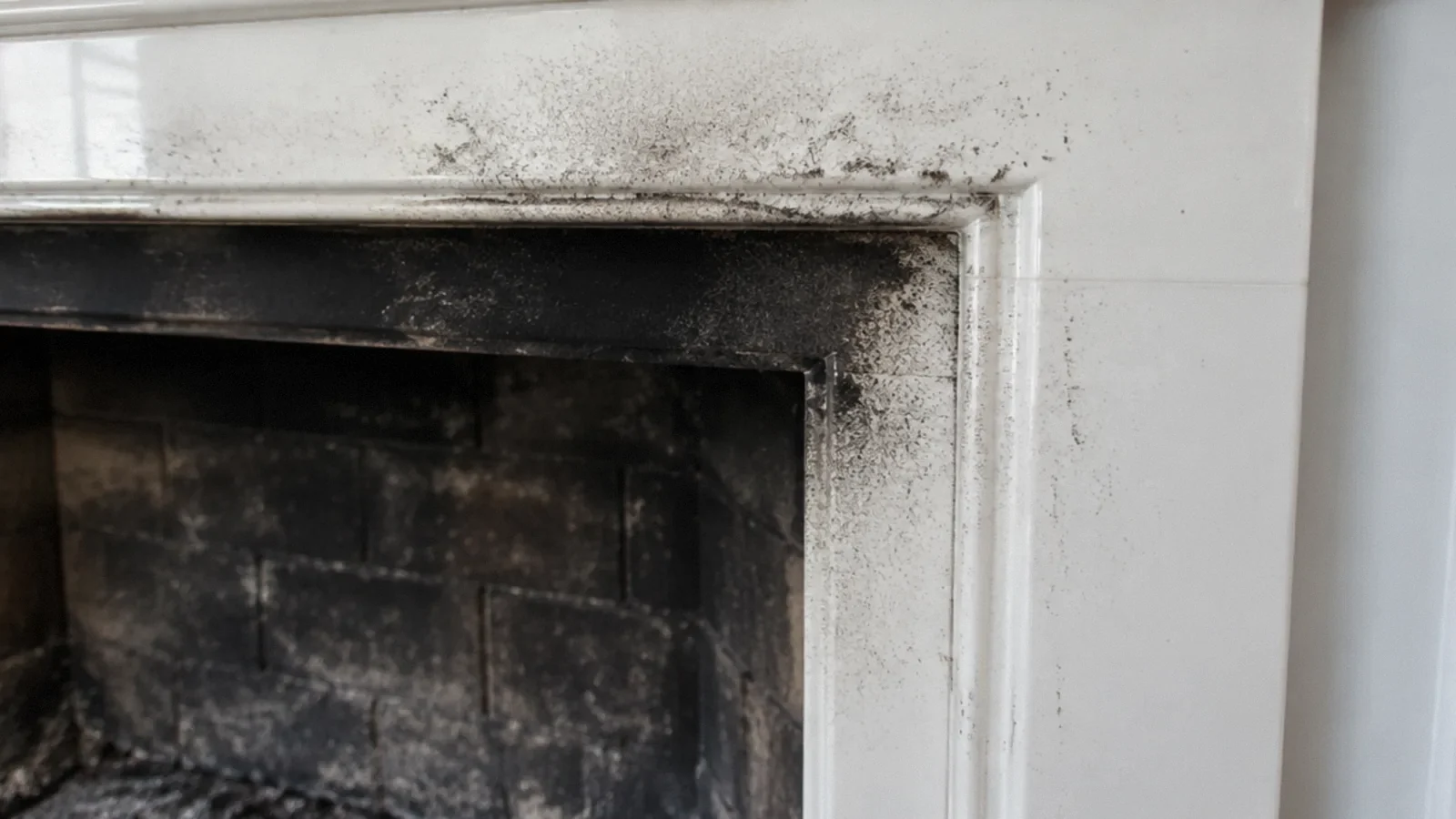
Wait for the fire department or other responsible authority to say it is safe before returning. Smoke, soot, hot surfaces and extinguisher residue can remain hazardous. Do not restart damaged electrical or gas appliances until qualified personnel assess them.
Food exposed to fire, smoke or firefighting chemicals may need to be discarded. Document the damage when safe and ask the insurer or property manager about the next steps. Residue cleanup depends on the extinguishing agent and the affected surfaces; consult the product instructions and a professional when needed.
Reduce the chance of another fire
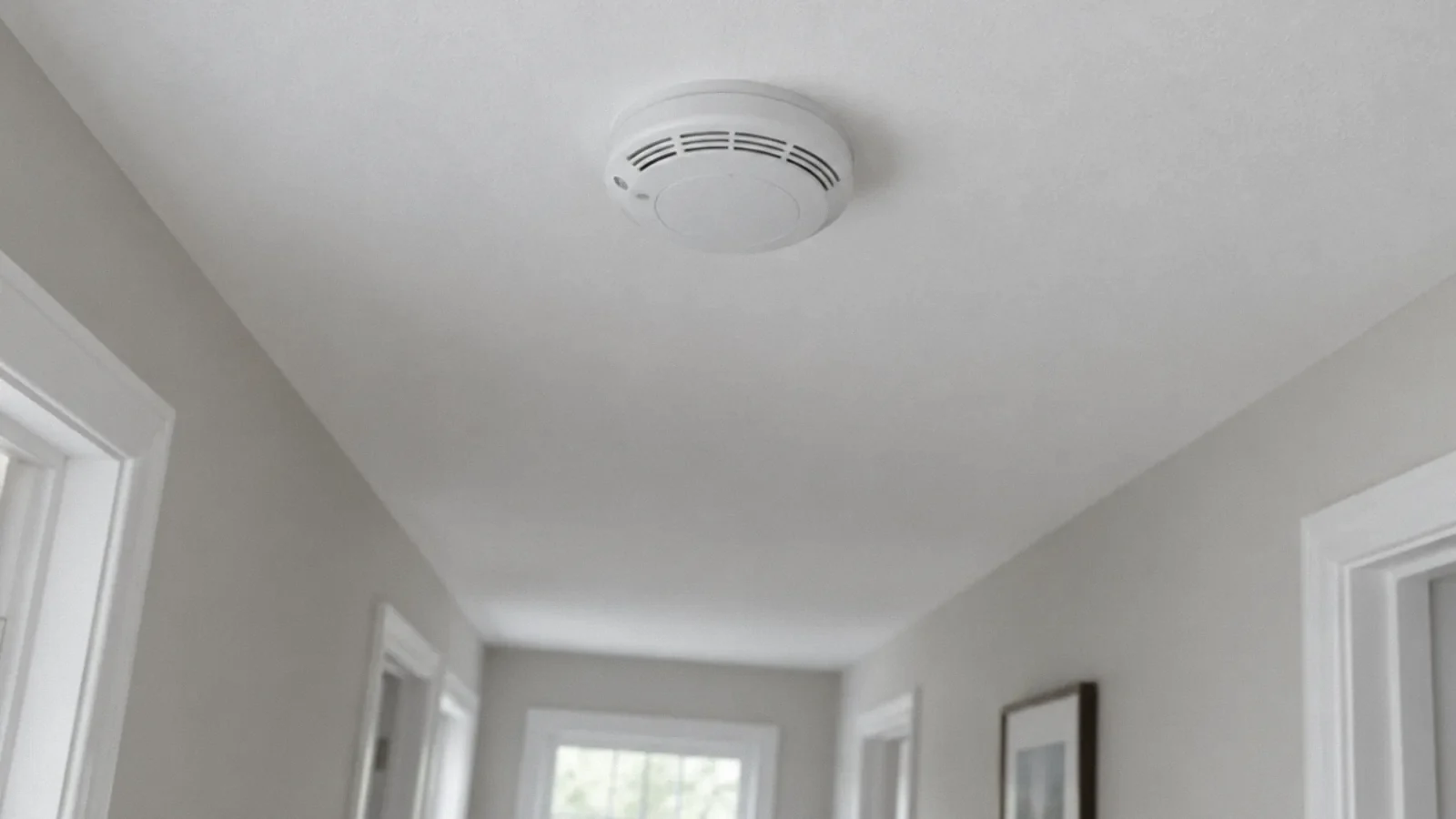
Stay in the kitchen when frying or cooking with oil and keep combustible items away from burners. If oil begins to smoke, turn off the heat if safe. Keep a fitting lid nearby, maintain smoke alarms and make sure everyone in the household knows how to get outside.
Plan and practice an escape route. Store an appropriate extinguisher where it can be reached without moving toward the stove, and learn its instructions ahead of time. No preparation guarantees that a fire can be fought safely; leaving remains the right decision whenever conditions are uncertain.
Does baking soda put out a fire?
Some fire departments describe baking soda as capable of smothering a very small grease fire, while others advise against throwing powders because they can spread the fire or delay escape. Flour and baking powder must not be substituted for baking soda.
The U.S. Fire Administration advises sliding a lid over a small pan fire and turning off the burner if this can be done safely. Do not spend time searching for or throwing a powder when a fire is spreading or your exit is threatened. Leave, close the door behind you and call 911 from outside.
Sand or sugar on a fire?
Sugar is combustible and should not be thrown on a fire. Sand can exclude oxygen from a fire in some circumstances, but it is not a dependable general kitchen-fire solution. Do not search for sand, sugar or another ingredient while a fire develops.
If a very small pan fire can be approached safely, slide a fitting lid over it and turn off the burner. Otherwise leave, close the door behind you and call 911 from outside. Never use water on burning grease.
Your next-step checklist
- Do not put flour or water on a grease fire.
- Leave immediately if the fire is growing or your exit is threatened.
- Call 911 from outside.
- For a very small pan fire, slide on a lid only if safe and turn off the burner.
- Do not restart damaged appliances until assessed.
Related questions
Can flour put out a grease fire?
Do not use flour on a fire. Flour is combustible and fine airborne flour dust can burn rapidly under the right conditions.
Can I pour water on burning oil?
No. Water can spread burning grease. Leave and call 911 if the fire is not immediately and safely controllable.
Should I move a burning pan to the sink?
No. Moving it can spill burning oil and cause serious injury. Leave if you cannot safely control the small fire.
What should I do if an oven catches fire?
Turn off the heat and keep the door closed if safe. If the fire continues or you are unsure, leave and call 911 from outside.
Can I put sugar on a kitchen fire?
Do not throw sugar or other unidentified powders on a fire. For a small pan fire, covering it with a lid and turning off the heat may be appropriate only if safe; otherwise leave and call 911.
Sources & context
Public guidance supports the principles in this article. The practical questions and examples are editorial interpretation, not a site assessment or a coverage decision. State-specific rules apply only where identified.
- U.S. Fire Administration: Cooking fire safetyfederal fire safety guidance
- U.S. Fire Administration: Cooking safety pictographsfederal fire safety guidance
- OSHA: Combustible dust hazardsfederal occupational safety guidance
- New Britain Fire Department: Kitchen fire preventionlocal fire department guidance
- Albuquerque Fire Rescue: Cooking fire safetylocal fire department guidance