First make sure the fire is out and the fire department has authorized reentry. Identify the extinguisher agent from its label and follow its manufacturer’s cleanup instructions. Do not use an oven or other appliance affected by fire, powder or water until it has been assessed.
Wait for the fire to be fully out
Leave and call 911 if a fire is active, smoke is heavy or there is any doubt about safety. Do not begin cleaning while an appliance is hot or a fire may rekindle. Return only when the fire department or other responsible authority says the area is safe.
Keep children and pets away from residue and damaged equipment. If anyone has breathing difficulty or another concerning symptom, move to fresh air and seek emergency medical help. A cleaning task should never delay a response to an active hazard.
Identify the extinguisher agent
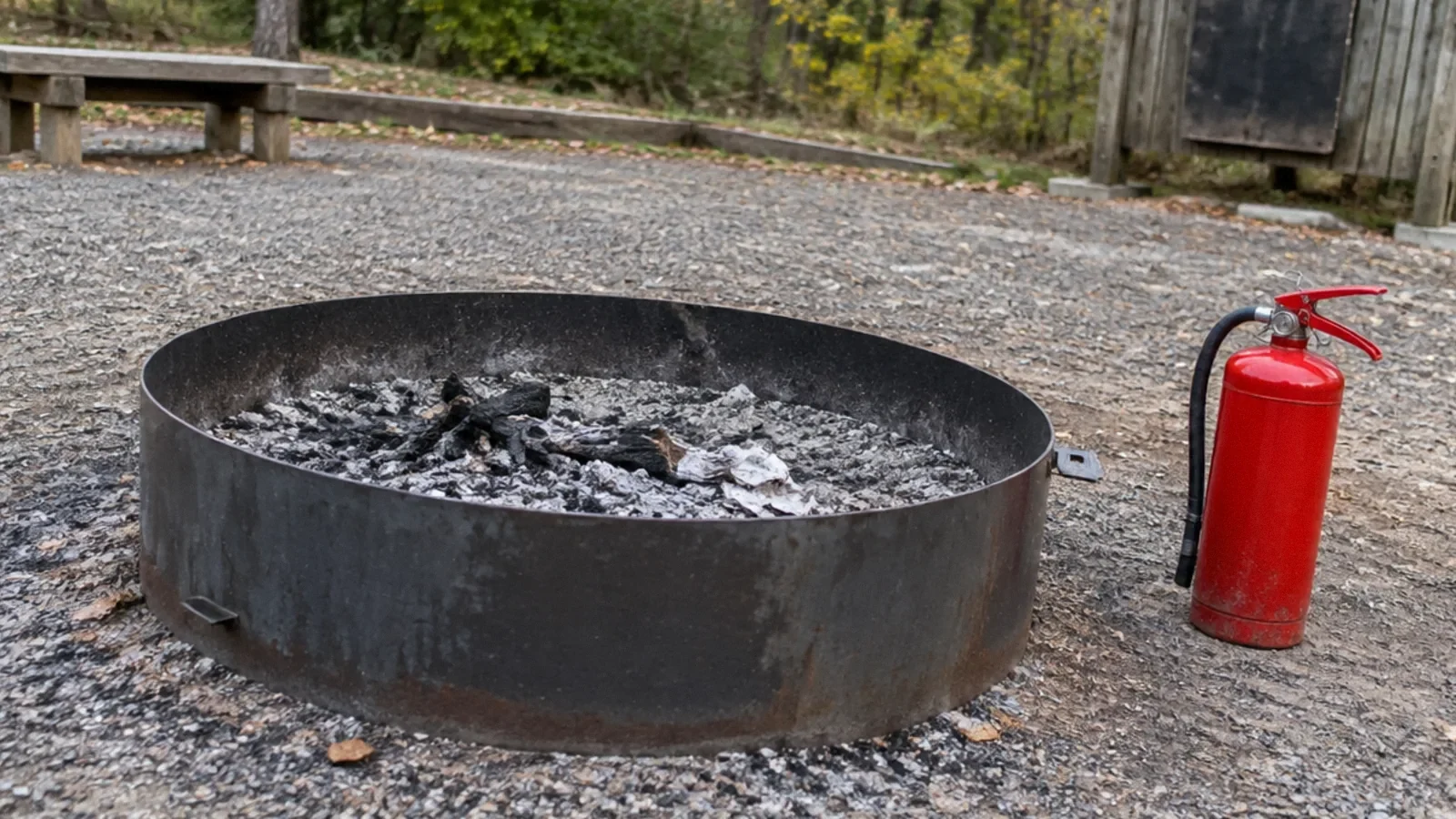
Fire extinguishers use different agents, including dry chemicals, water-based agents and carbon dioxide. The label and manufacturer’s safety information identify the contents and appropriate handling. A cleanup method suitable for one product may not be suitable for another.
Do not assume every white powder is the same or mix it with another chemical. If the label is missing, the agent is unknown or the discharge was extensive, contact the manufacturer, a qualified restoration company or the appropriate authority for guidance.
Protect people and surfaces
Follow the product’s instructions for ventilation, gloves, eye protection and respiratory precautions. Avoid disturbing a large amount of powder into the air. People with respiratory conditions or other vulnerabilities may need to stay away and should consult a healthcare professional about symptoms.
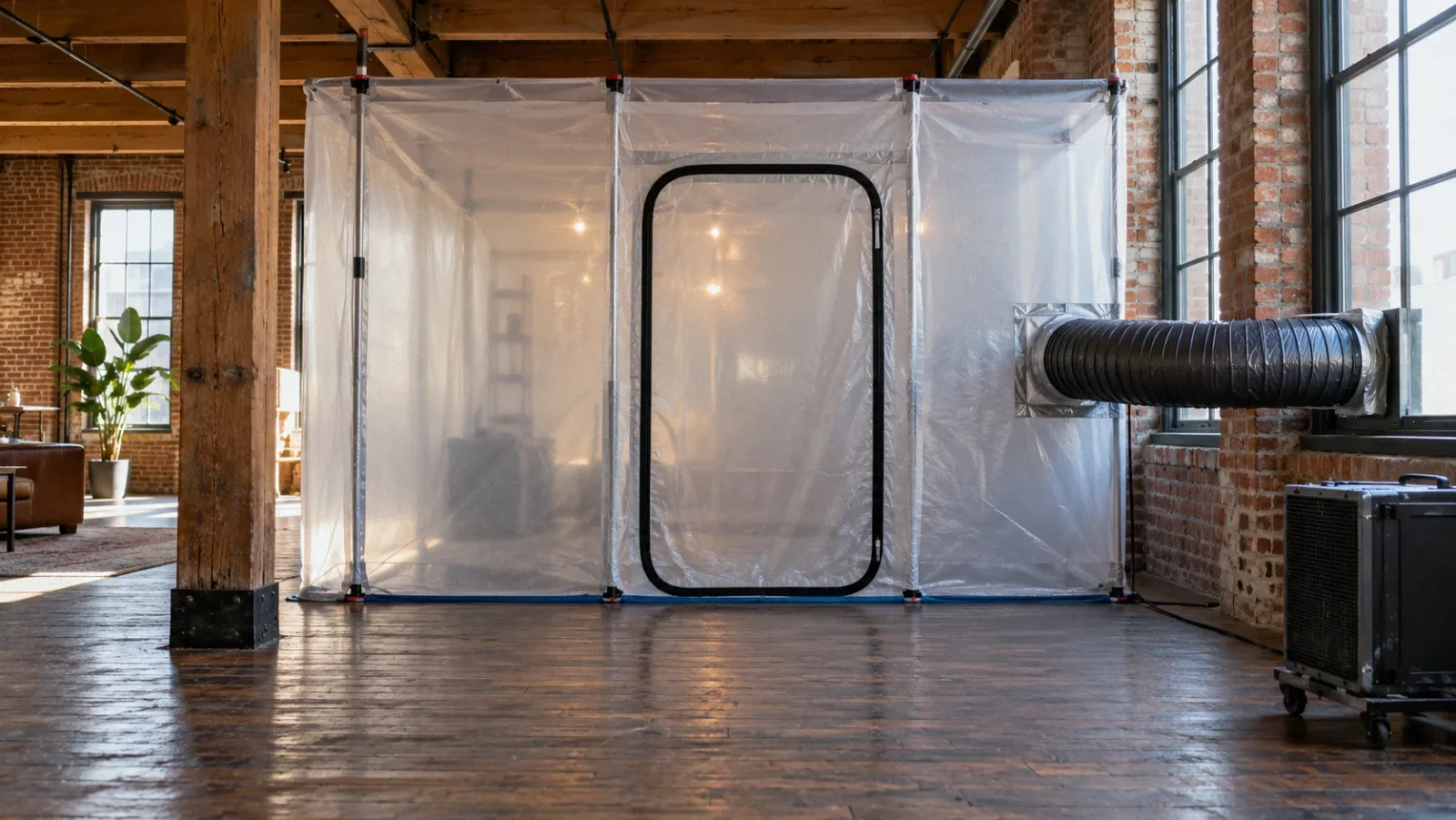
Do not use compressed air to blow residue through the building. Ask a qualified professional about a suitable collection method for the agent and surfaces. A routine household vacuum may not be appropriate for fine powder or contaminated material.
An oven or cooking appliance
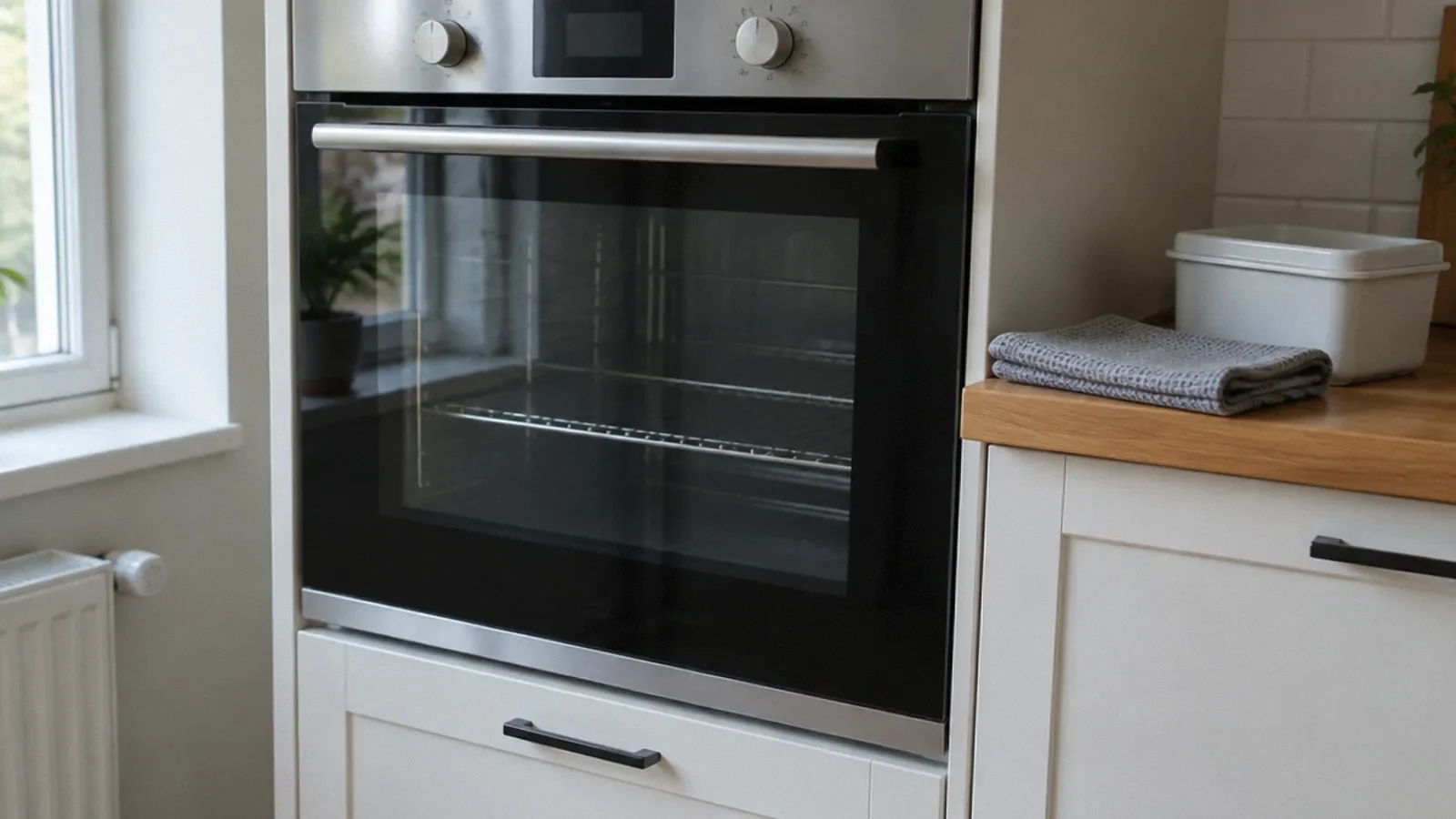
Turn off the appliance only if it is safe and allow it to cool. Do not switch it on to burn off residue or test whether it works. Fire, extinguisher agent and water may have entered vents, insulation, electrical components or gas equipment.
Consult both the extinguisher and appliance manufacturers and a qualified technician about inspection and cleaning. An oven used for food needs particular care: a wiped interior does not establish that hidden residue is gone or that the appliance is safe to use.
Food and food-contact items
Keep food, dishes and utensils exposed to residue separate until their condition can be assessed. Follow current public-health, manufacturer and local guidance on what must be discarded or can be cleaned. Do not assume that packaging or a brief rinse protected every item.
Clean and rinse food-contact surfaces only with products labeled for that purpose and follow all instructions. Never mix bleach, ammonia, acids or other cleaners. A professional may be needed when agent entered inaccessible areas or the fire affected the kitchen extensively.
Soot, water and structural damage
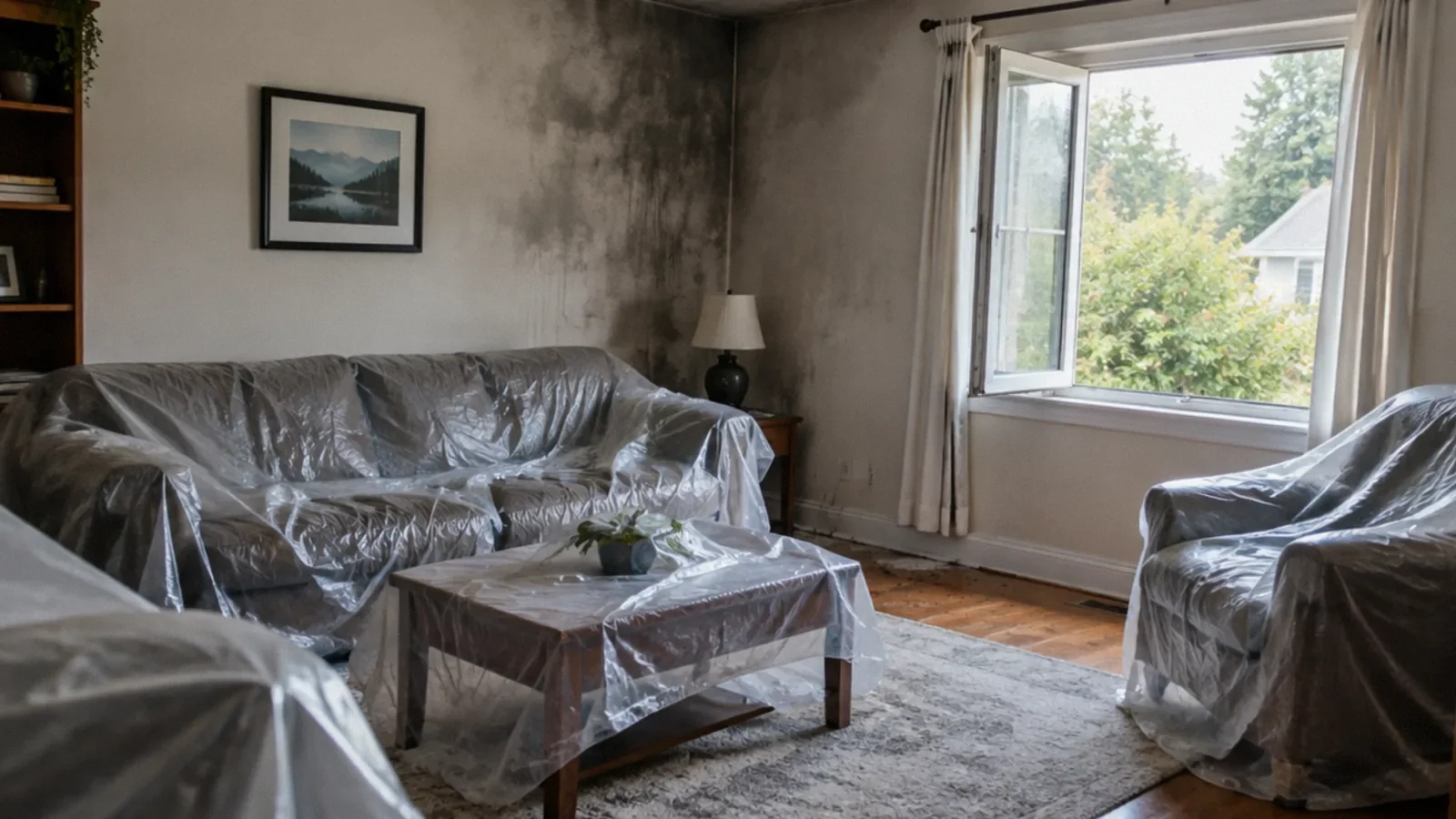
The fire itself may leave soot, heat damage and water in materials beyond the extinguisher residue. A damaged outlet, appliance cord or wet electrical equipment requires qualified assessment. Do not restore power or gas to a damaged system yourself.
A restoration professional can define separate scopes for agent removal, soot cleaning, water drying and repair. A fragrance or a clean-looking surface does not prove that hidden contamination or damage has been resolved.
Refill or replace the extinguisher
An extinguisher that has been discharged may need professional service, recharge or replacement according to the manufacturer and local requirements. Do not assume that a unit is ready for another emergency just because some pressure appears to remain.
Ask the provider to inspect the mounting location and confirm that the replacement is appropriate for the expected hazards. Read the label and learn safe use before an emergency. Keep a clear exit and prioritize evacuation whenever a fire is growing or conditions are uncertain.
Document and get help
Photograph the area when safe, record the extinguisher model and agent, and keep service reports. Contact the insurer or property manager as appropriate. Ask a cleaning provider for a written scope, what surfaces are included and what remains to be inspected.
For a large discharge, sensitive electronics, an oven interior or contamination in ventilation equipment, a qualified specialist is usually better placed to assess the work. Never rely on a generic internet recipe for an unknown agent.
What is extinguisher powder, and what if it is inhaled?
Extinguishers can contain water, carbon dioxide, dry chemical or wet chemical agents. Poison Control explains that some multipurpose ABC dry-chemical units contain monoammonium phosphate, while other dry chemicals can use sodium bicarbonate. The actual product label and safety information identify the contents; color alone is not a reliable identification.
If someone inhaled spray, move to fresh air immediately without putting another person in danger. Coughing, throat or eye irritation can occur; exposure in a confined space or in someone with a lung condition can be more serious. Contact Poison Control for individual advice. Call 911 for severe breathing difficulty, collapse or another emergency. Smoke from the fire can cause separate harm.
The extinguisher and its contents
An extinguisher is an assembly: its cylinder holds an extinguishing agent, and some designs use a pressurizing gas or separate cartridge. Construction and agents vary by model, so read the label and the specific safety data sheet (SDS).
ABC powder exposure can irritate eyes, skin and airways; severity depends on the actual ingredients, dose, route and the person exposed. Large exposures, confined spaces or breathing problems may need urgent evaluation. Move to fresh air, contact Poison Control for individualized advice and call 911 for severe symptoms. Fire smoke is a separate exposure.
Your next-step checklist
- Wait for official safe reentry and allow equipment to cool.
- Identify the extinguisher agent and follow its instructions.
- Do not power on a contaminated appliance before assessment.
- Arrange recharge or replacement of the discharged unit.
Related questions
How do I clean up after using a fire extinguisher?
Identify the agent and follow its manufacturer’s cleanup instructions. Large or unknown discharges may need professional help.
Can I use my oven after extinguisher powder entered it?
Do not use it until the appliance and extinguisher manufacturers or a qualified technician have advised on inspection and cleanup.
Can I blow extinguisher powder away with compressed air?
Avoid spreading fine residue. Follow the manufacturer’s instructions or seek qualified assistance.
Does a used extinguisher need service?
A discharged unit may need recharge or replacement. Follow the manufacturer and local requirements.
Sources & context
Public guidance supports the principles in this article. The practical questions and examples are editorial interpretation, not a site assessment or a coverage decision. State-specific rules apply only where identified.
- Kidde: Cleaning fire extinguisher powdermanufacturer guidance
- U.S. Fire Administration: After a home firefederal fire recovery guidance
- U.S. Fire Administration: Fire extinguishersfederal fire safety guidance
- Poison Control: Fire extinguisher safetypoison safety guidance